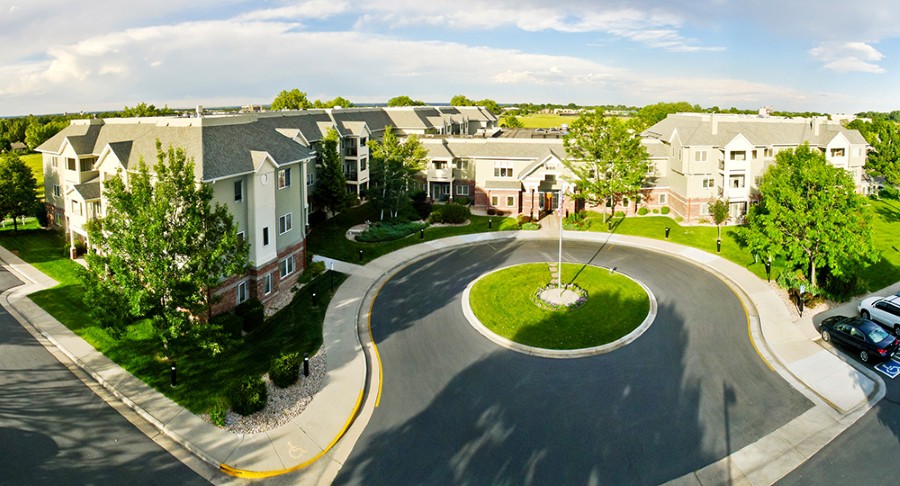


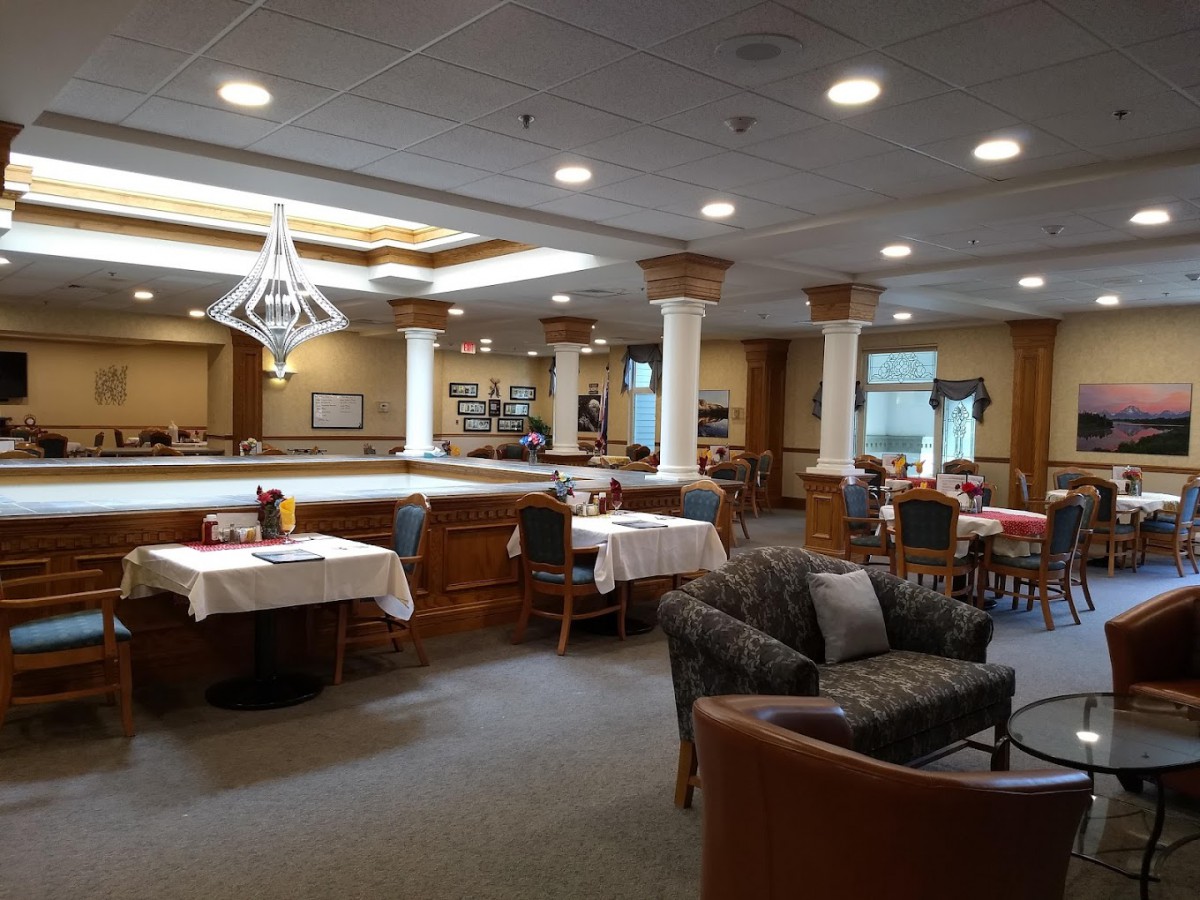
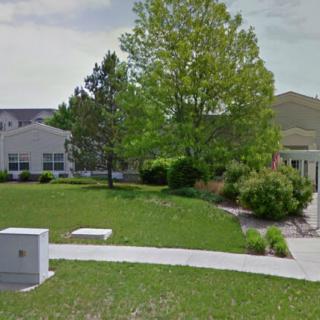
900 Worthington Cir, Fort Collins, CO 80526
To contact a resident: (970) 490-1000
For more information about senior living options: (866) 208-4318
Worthington Costs & Pricing
In Worthington, the monthly cost for a one-bedroom apartment is $2,300, which is considerably more affordable compared to the averages in Larimer County and across Colorado as a whole. In Larimer County, the same accommodation commands approximately $4,033 per month, while the state average rises to about $4,119. This significant difference illustrates that Worthington offers a competitive rental market, making it an attractive option for those seeking quality housing without the steep prices associated with larger urban areas within the region.
| Floor plans | Worthington | Larimer County | Colorado |
|---|---|---|---|
| 1 Bedroom | $2,300 | $4,033 | $4,118 |
Independent Living communities with a similar price nearby
-
from +$170 / mo

Rigden Farm Senior Living
$2,470 to $4,325 / month3.1 miles away -
from +$250 / mo
Good Samaritan Water Valley Resort
$2,550 to $3,960 / month12.3 miles away -
About the same
Holiday Greeley Place
$2,289 to $3,879 / month22.7 miles away -
About the same

The Lodge At Greeley
$2,300 to $3,100 / month21.1 miles away -
from -$221 / mo
Holiday Longmont Regent
$2,079 to $3,459 / month24.8 miles away
Overall Review of Worthington
Cons
 The 92-year-old mother lost 20 pounds because the food is not edible.
- After paying $5,000 a month, they still cannot provide a meal for her.
- The reviewer would rate the value as zero.
Review
Worthington in Fort Collins is best suited for families that need a supervised, structured living arrangement and are willing to accept dining quality and value as secondary priorities. The available feedback points to a setting where oversight, routine, and the basic framework of assisted living exist, but there is little to no evidence of standout dining, menu variety, or clear cost justification. For families prioritizing daily care logistics and consistent support over culinary experience or transparent pricing, Worthington may feel adequate; for those who demand strong nutrition and value alignment, this community warrants serious hesitation.
Those who should seriously consider alternatives include families who insist on edible, nourishing meals as a non-negotiable component of care, and households that want transparent, justifiable pricing. The two reviews provide a consistent signal: the dining program is failing on palatability and nutrition, and the perceived value does not meet the monthly cost. In short, any decision here should hinge on whether care supervision and routine can compensate for subpar meals and high expense. If these pillars are non-negotiable, the search should move elsewhere.
The key pros and cons in this case do not balance out. The reviews offer no clear, verifiable advantages, no standout staff stories, no mention of responsive programming, no described amenities that could justify the price. The dominant issues are meal quality and nutrition, paired with a price tag around $5,000 per month. Without credible positives to offset those concerns, the value proposition collapses under the weight of the reported experiences. Pros, if any exist, are unsubstantiated in the available accounts and thus cannot meaningfully counter the core drawbacks.
Of particular concern is the reported health consequence tied to the meals: a 92-year-old resident reportedly lost 20 pounds due to food that was not edible. Weight loss in a seniors living setting signals possible malnutrition risk and declines in overall well-being, underscoring the seriousness of meal dissatisfaction. This is not a cosmetic complaint; it indicates a fundamental mismatch between resident needs and what the community is providing. Families should treat this as a red flag that demands direct, documented assurances about dietary standards, monitoring, and dietary adjustments.
For families evaluating options, the prudent path is to demand concrete, testable assurances before any commitment. Request a current, detailed sample menu, nutritional information, and the ability to taste meals or review dish plans with a dietitian. Verify staffing ratios, kitchen leadership, and any process for menu changes based on resident feedback. Compare total monthly costs against services delivered, and insist on a transparent breakdown that includes dining, activities, transportation, and care services. Look for alternative communities with strong meal programs, demonstrable resident satisfaction, and clearer value propositions.
The bottom line is decisive: with multiple reviews centering on poor dining quality and high cost, Worthington does not present a compelling value for families prioritizing nutrition and budget-conscious planning. Alternatives should be pursued aggressively, seek communities where edible meals, reliable nutrition, and transparent pricing are demonstrably aligned with the level of care provided. In Fort Collins, options exist that offer better dining experiences and clearer value without compromising essential care, and these should be the default trajectory for families navigating the decision.
 Independent Living
 Caring, attentive staff in a well-maintained facility with reliable transportation and engaging activities.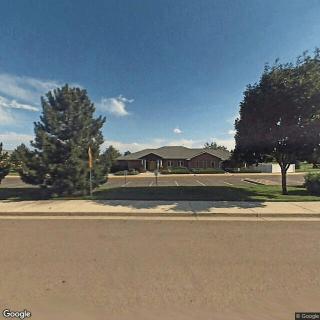




 Effective Strategies for Keeping Seniors' Minds Active: A Deep Dive into Brain Games and Apps
 In-Depth Look at the VA Aid and Attendance Program
 Nurturing Our Loved Ones: A Daughter's Journey in Caring for Her Mother