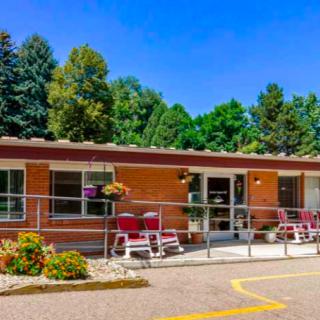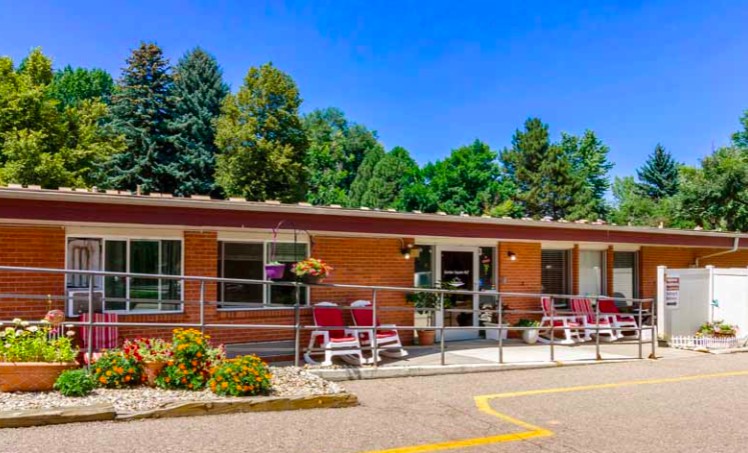
1000 East Stuart Street, Fort Collins, CO 80525
For more information about senior living options: (866) 208-4318
Spring Creek Health Care Center Costs & Pricing
Spring Creek Health Care Center offers competitive pricing for its residents when compared to both Larimer County and the broader state of Colorado. The cost for a semi-private room at Spring Creek is $2,500 per month, significantly lower than the county average of $4,771 and the state average of $4,009. Similarly, their studio accommodations are priced at $3,000 monthly, which is again more affordable than Larimer County's average of $4,459 and Colorado's average of $4,090. This pricing positions Spring Creek as a financially accessible option for individuals seeking quality care without compromising on service or comfort.
| Floor plans | Spring Creek Health Care Center | Larimer County | Colorado |
|---|---|---|---|
| Semi-Private | $2,500 | $4,771 | $4,008 |
| Studio | $3,000 | $4,459 | $4,088 |
Overall Review of Spring Creek Health Care Center
Pros
 The staff are attentive and dedicated to making residents comfortable and meeting their needs.
- They provide specialized mattresses to prevent bed sores by addressing pressure points.
- The meals look appetizing and are balanced, accommodating dietary needs like vegetarian options.
- The staff work well with families to ensure a smooth transition and high-quality care.
- Rooms are clean and pleasant, contributing to a welcoming environment.
- The facility feels homey and offers pleasant gathering areas and engaging activities.
- The staff show compassion, dedication, and responsiveness to questions and concerns.
- The facility is well kept and maintained, with a caring and hardworking staff.
Cons
 The staff is overworked and underpaid, causing very high turnover and less than adequate care.
- The building is old and maintained on a very tight budget.
- The food is very unappetizing and serving sizes are sometimes inadequate.
- There have been multiple administrators in the last six months, causing confusion and poor service due to lack of leadership.
- Several items purchased for residents' rooms have disappeared.
- Grandmother's hygiene and cleanliness are not satisfactory.
- Direct care staffing shortages lead to slow response times and difficulty accessing medical specialists.
Review
Spring Creek Health Care Center in Fort Collins is best suited for families that want a caregiver-led, home-like environment where a range of nursing and rehabilitation needs can be addressed without paying premium prices. The community tends to work best for residents who value personal attention from a steady staff team and who can accept an older facility as part of the overall bargain. It is especially fitting for families that prioritize day-to-day warmth, routine, and a sense of belonging over showroom polish. The facility’s willingness to tailor care to individual preferences, vegetarian meals, pressure-point mattresses, and a basic level of social activity, helps anchor that sense of home even as needs vary widely.
Those who should consider alternatives are families chasing modern amenities, the most predictable staffing, and a pristine building experience. Reviews repeatedly flag the building’s age and tight budgeting as ongoing constraints, with administrator turnover and frontline staffing churn contributing to uneven service. If a stable leadership line, consistently high staffing levels, and reliably prompt responses to questions or concerns are non-negotiable, it may be prudent to explore other options. In short, this is not the choice for families seeking flawless operations and flawless meals across the board.
The strongest positives revolve around staff dedication and the capacity to accommodate diverse needs. When care teams are consistent and engaged, residents benefit from attentive, compassionate interactions, clear transitions, and a willingness to coordinate with families. Clean rooms and pleasant common areas reinforce a feeling of welcome, while the facility’s age is softened by efforts to create comfort, personalized sleeping arrangements, individualized dietary accommodations, and active attempts to keep residents engaged through visits and activities. These contrasts illustrate how the pros can meaningfully offset the main structural downsides, yet only when staffing and leadership stabilize enough to preserve momentum.
Where the picture sours, it tends to center on staffing strain and leadership instability. Several accounts point to overworked, underpaid staff and high turnover, and a noticeable shift in administration within short intervals. That combination can sap responsiveness and create uneven care experiences, with meal quality sometimes failing to meet expectations and routine tasks like hygiene assistance or timely assistance during the day becoming inconsistent. While many residents and families praise the core caregiving team, the risk of lapses tied to staffing and management turnover means outcomes can be variable from one period to the next. The strongest proof of this dynamic appears in comments about leadership churn and its ripple effects on service levels.
Practical decisions should center on verified assurances. Prospective families ought to request current staffing ratios for direct care and therapy, ask about administrator continuity over the past year, and seek a candid description of meal planning and portion sizes. A tour that includes dining, therapy spaces, and quiet rooms can reveal how the environment actually functions on a typical day. Engage current residents or their families about response times to needs, the handling of medical appointments, and the availability of activities and social programs. Finally, verify the facility’s processes for specialized needs, pressure-relieving mattresses, wound care, and dietary accommodations, to understand how well the care plan translates into everyday comfort.
In sum, Spring Creek delivers a practical, compassionate option for families prioritizing a warm, homey atmosphere and flexible care at a moderate price. It works best where staff dedication and a stable, responsive caregiving rhythm can be maintained despite age and budget constraints. For families whose nonnegotiables include modern amenities, highly consistent leadership, and uniformly high meal quality, alternatives deserve serious consideration. The choice hinges on balancing the value of personal, attentive care against the realities of staffing variability and administrative turnover. Careful due diligence and honest questions during visits will reveal whether Spring Creek aligns with the specific needs and expectations of the resident and family.
 138 resident community capacity
 Assisted Living
 Skilled Nursing Facility
 Activities off-site
 Air-conditioning
 Bath tubs
 Beautician on-site
 Cable or satellite TV
 Computer center
 Devotional services off-site
 Dining room
 Fitness room
 Fully furnished
 Gaming room
 Garden
 Ground floor units
 Housekeeping services
 Indoor common areas
 Kitchenette
 Move-in coordination
 Outdoor common areas
 Private bathrooms
 Respite or short term stays offered
 Restaurant-style dining
 Small library
 Telephone
 Wellness center
 Wheelchair accessible showers
 Wi-Fi/high-speed internet available
 Community operated transportation
 12-16 hour nursing
 24-hour call system
 Ambulatory care
 Assistance with bathing
 Assistance with dressing
 Assistance with transfers
 Diabetes diet
 Incontinence care
 Medication management
 Mental wellness program
 Special dietary restrictions
 Art classes
 Concierge services
 Day trips and outings
 Live dance or theater performances
 Live musical performances
 Trivia games
 Wii bowling





 Comprehensive Residential Support and Assisted Living Solutions for Individuals with Disabilities
 Comprehensive Supportive Living Arrangements for Adults with Disabilities
 Funding and Affording Assisted Living: A Thorough Overview