Sonoma Post Acute in Sonoma, CA

Save

  • Interior

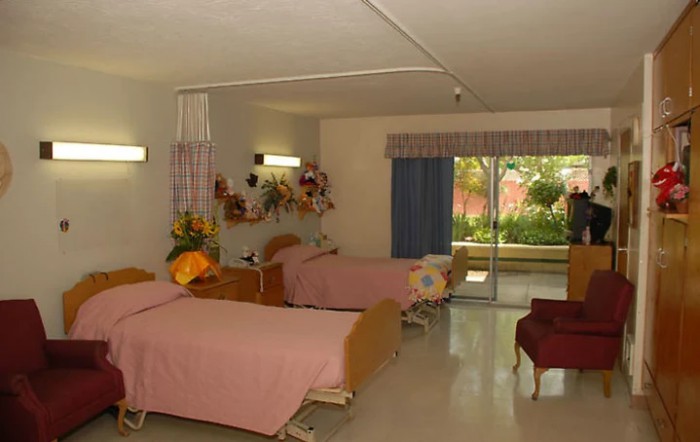
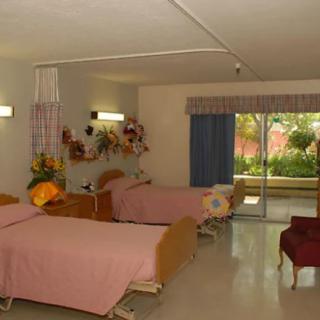
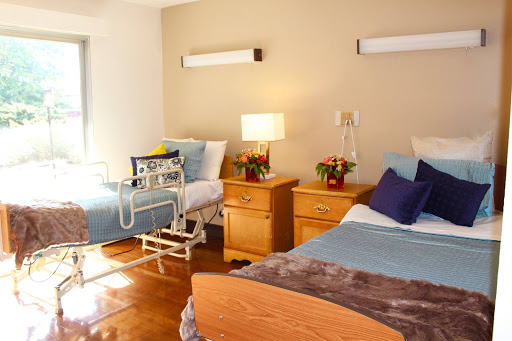
    A hospital room with two patient beds, decorated with flowers and featuring large windows.
  • Decor

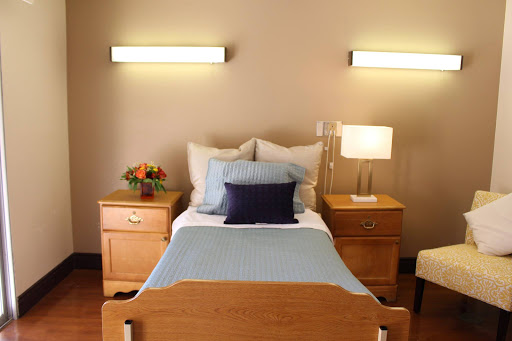
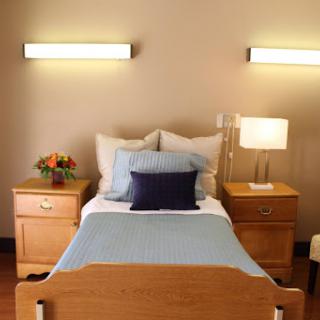
    A cozy bedroom featuring a neatly made bed, stylish nightstands, and decorative lamps.
  • Bedroom

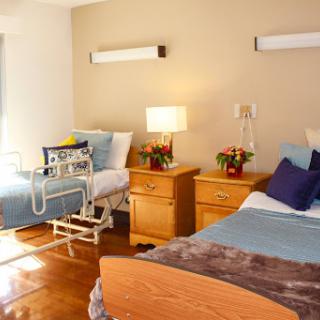
    A well-lit hospital room featuring two beds and bedside furniture.
  • Trees

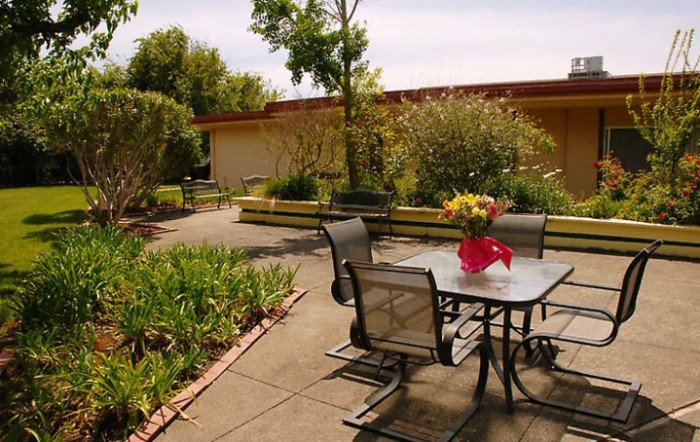
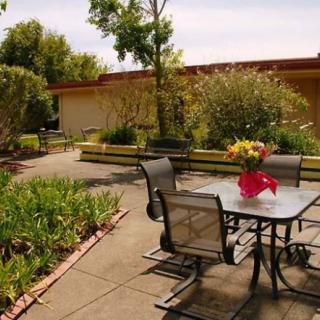
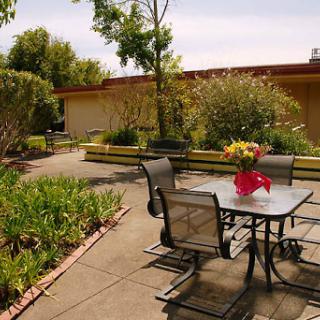
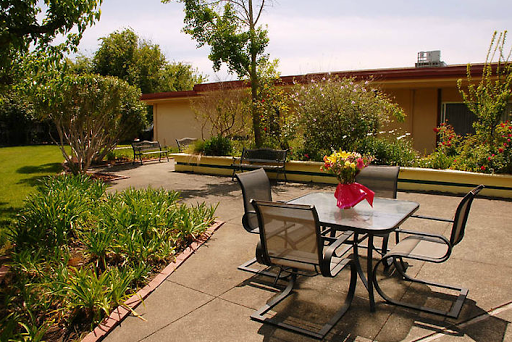
    A tranquil patio with a table and chairs surrounded by lush greenery and blooming flowers.
  • Landscaping

    A picturesque vineyard bathed in the warm glow of sunset, showcasing rows of grapevines stretching into the horizon.
  • Garden

    A serene outdoor space featuring a table and chairs surrounded by lush greenery and vibrant flowers.
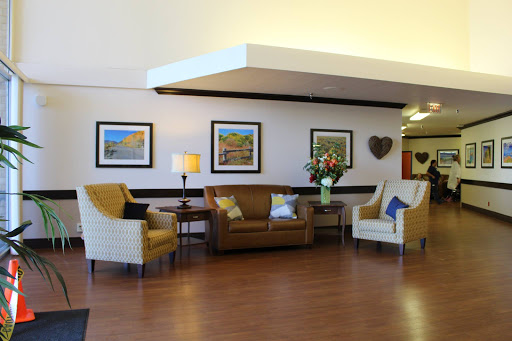
  • Artwork

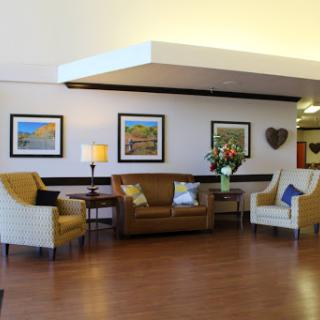
    A welcoming lobby area featuring comfortable seating and decorative artwork.
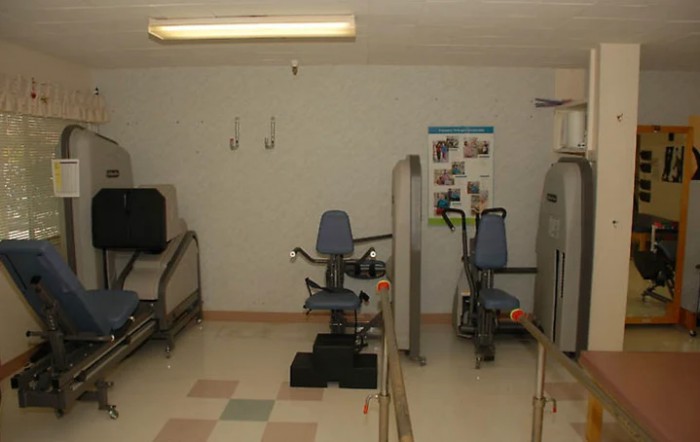
  • Exercise Equipment

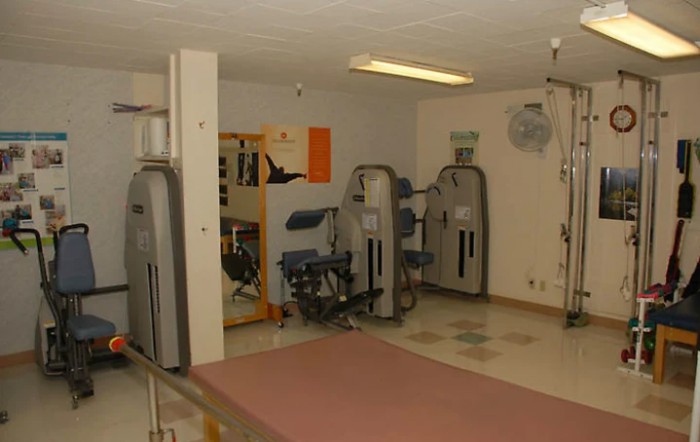
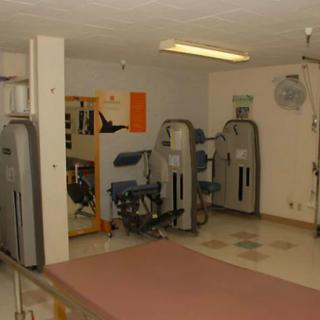
    An indoor gym with various fitness equipment and exercise machines.
  • Gym

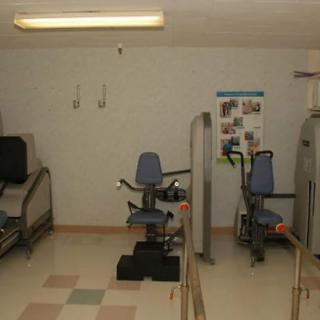
    An indoor gym with various exercise machines.
  • Art

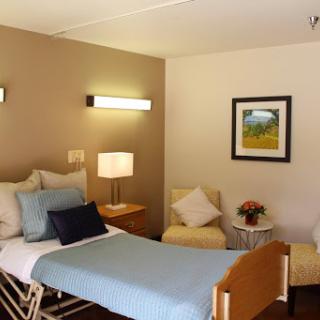
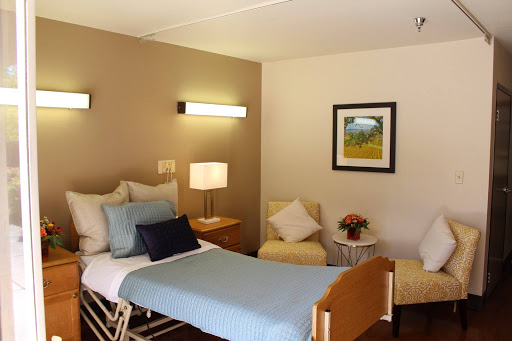
    A well-lit hospital room featuring a twin bed, cozy seating, and decorative art.

Sonoma Post Acute in Sonoma, CA

Information last verified:

678 2Nd Street West, Sonoma, CA 95476

For more information about senior living options: (844) 490-3973

4.4 from 51 reviews
5 stars
43
4 stars
1
3 stars
0
2 stars
0
1 stars
7

Seniors.FYI Elite Community Awards

Top 5% Senior Living Community in 2020

Add this award to your website

Overall Review of Sonoma Post Acute

Pros

  • pro The staff at Sonoma Post Acute are compassionate, attentive, and professional.
  • pro The therapy department's dedication helped her return to baseline and made a real difference.
  • pro JC, the social worker, was wonderful throughout the transition, coordinating services and communicating clearly.
  • pro The nursing staff and CNAs provided compassionate care.
  • pro The staff go above and beyond to make the wellness center feel like home.
  • pro The therapists are top-notch and work diligently to ensure patient satisfaction.
  • pro Katie Barron and the team demonstrate professionalism and genuine care for patients and families.
  • pro The facility is clean, bright, and well maintained with a welcoming atmosphere.

Cons

  • pro The facility is outdated with broken furniture and mediocre service.
  • pro The care quality is inconsistent, with some staff performing well and others not.
  • pro Residents are sometimes starved or left sitting in soiled diapers for hours, which feels undignified and forgotten.
  • pro There are concerns about understaffing and uncaring employees who force the few good staff to pick up the slack.
  • pro The food is criticized as slop and unpalatable.
  • pro Some residents were dirty and not showered for days, with little help maneuvering wheelchairs or receiving care.
  • pro Nurses sometimes respond slowly to calls, with long delays and a lack of basic supplies like wipes.
  • pro Desk staff are distracted and unhelpful, causing miscommunications and unanswered calls, with voicemail issues.
  • pro The rooms are dingy and in need of repair, and overall care is described as subpar.
  • pro In at least one case, there was no doctor on site during a patient's final week, and a physician billed Medicare for services not performed.

Review

Sonoma Post Acute is best suited for families seeking a rehab- and transition-focused skilled nursing option in Sonoma County, where strong, therapy-driven care can drive a return-to-home goal. The community tends to work best for residents who require intensive outpatient-style therapy, wound and wound-care management, and careful coordination with home health, primary care providers, and medical equipment vendors. It is a solid fit for those who can accept a facility that has earned a reputation for outstanding therapy and compassionate nursing in the right shifts, while also recognizing that day-to-day operations can be uneven. In short, this is a pragmatic choice for recovery-oriented seniors whose families prioritize professional rehabilitation and clear communication about a path back to independent living, rather than a pristine, boutique setting.

The strongest positives center on therapy and nursing competence, plus the capability to shepherd a patient through the transition process. The therapy department is repeatedly praised for its dedication and effectiveness, with residents returning to baseline or better and leaving the facility with a home readiness plan. The nursing staff and CNAs are frequently described as caring and capable, and the social worker, JC, earns consistent commendations for coordinating move-in logistics, arranging home health services, and smoothing the overall process. Patients and families repeatedly note clean, comfortable environments and a culture of attentiveness, with therapists who engage patients and push for meaningful improvement. Several cases highlight how the team worked collaboratively to ensure safe discharge and a coordinated return home, supported by a responsive front-end process and attentive activity staff.

Yet the community wrestles with material downsides that cannot be ignored. A recurring thread centers on inconsistent staffing levels and uneven bedside care, including reports of delays, missed assistance, and some staff who do not meet expectations. Families recount frightening gaps such as a patient left sitting in soiled garments for long periods, or clothes and personal care falling through the cracks on a bad day. The facility’s physical plant is described as dated, with some furniture in disrepair, which can heighten the impression of neglect during times of staffing strain. Front desk responsiveness and call-light delays appear in multiple accounts, underscoring a variability in day-to-day attentiveness that can undermine trust during an already stressful transition.

Addressing those cons, the key pros most often cited show up as meaningful counterweights. When therapy and nursing deliver their best, outcomes are compelling: faster rehab progress, better wound care management, and a path back home that feels within reach. The ability to coordinate home health services and equipment through the social worker and care team reduces the friction families face when bridging hospital and home. Cleanliness and a comfortable environment, along with good food and engaging activity programs, create a sense of normalcy and dignity that matters to residents and families alike. The staff’s willingness to go above and beyond, especially in therapy and case coordination, often shifts a sour experience into a hopeful trajectory, making Sonoma Post Acute a credible choice for recovery-focused care when the care team is firing on all cylinders.

For families weighing alternatives, several red flags warrant careful consideration. Those who cannot tolerate inconsistent responses, or who require a consistently high-performing front desk and nurse call system, should compare comparable facilities with steadier staffing and more uniform daily care. If the priority is a facility that feels consistently modern, with uniformly renovated rooms and uninterrupted housekeeping, it may be wise to explore other SNFs or residential options that emphasize upkeep and zero-day variability. Similarly, for residents with high risk of neglect or those who demand unflinching responsiveness around the clock, a facility with a deeper bench of staff per shift and tighter oversight may be a better fit. Assisted living communities or in-home care providers may offer alternatives that better align with those expectations, depending on the acuity and care plan required.

To make Sonoma Post Acute work best, approach the admission with a concrete plan and clear lines of accountability. Request JC or the DON as a point person who will stay engaged throughout the transition and discharge planning. Seek a detailed schedule of rehabilitation therapy, types, frequency, and progression, and insist on daily updates about progress toward home-readiness. Before admission, tour multiple shifts to gauge responsiveness and talk with front-desk staff about call-response times; verify who monitors cleanliness and who handles laundry and personal care during high-demand periods. Review the current care plan with the attending nurse and confirm wound care capabilities, medication management, and safety features such as bed alarms and fall-prevention protocols. When these elements align, Sonoma Post Acute becomes a practical, purpose-driven choice for families focused on rehabilitative outcomes, clear coordination, and a realistic path back to independent living.

Features

Housing

  • 83 resident community capacity 83 resident community capacity

Types of Care

  • Skilled Nursing Facility Skilled Nursing FacilitySkilled Nursing Facilities are crucial for seniors as they provide round-the-clock medical care, rehabilitation services, and assistance with daily activities. These facilities ensure that seniors receive the specialized care they need to maintain their health and well-being as they age.

Amenities

  • Air-conditioning Air-conditioningAir conditioning is important for seniors as they are more vulnerable to heat-related illnesses and may have underlying health conditions that make it difficult for them to regulate their body temperature. It helps to keep them comfortable, safe, and healthy in hot weather.
  • Beauty salon Beauty salonBeauty salons are important for seniors because they provide a space for them to feel pampered, socialize, and maintain their personal grooming and hygiene. Regular visits to a beauty salon can help boost seniors' self-esteem and overall well-being.
  • Cable or satellite TV Cable or satellite TVCable or satellite TV is important for seniors because it provides entertainment, news, and companionship, helping to combat loneliness and boredom. It also offers a wide range of programming options tailored to different interests and preferences.
  • Computer center Computer centerA computer center is essential for seniors as it provides access to technology, communication tools, and resources that can enhance their daily lives. It allows them to stay connected with loved ones, engage in online activities, and learn new skills, ultimately promoting socialization and mental stimulation.
  • Dining room Dining roomDining rooms are important for seniors as they provide a space for socialization, connection, and nutritious meals. They offer opportunities for residents to bond over shared meals, foster a sense of community, and promote healthy eating habits. Dining rooms also ensure that seniors have access to well-balanced meals tailored to their dietary needs and preferences.
  • Fitness room Fitness roomHaving a fitness room in a senior living community is essential for seniors to stay active, maintain their physical health, and improve their overall well-being. Regular exercise can help prevent falls, reduce the risk of chronic diseases, and promote mental sharpness. It also provides social opportunities for residents to connect with others and enjoy a sense of community.
  • Fully furnished Fully furnishedFully furnished senior living communities are important for seniors because they provide convenience, comfort, and a hassle-free moving experience. Seniors can easily settle into their new living space without the stress of having to buy and move furniture. This allows them to focus on enjoying their new home and community.
  • Gaming room Gaming roomGaming rooms are important for seniors as they provide a fun and engaging environment for socializing, cognitive stimulation, and physical activity. Games can improve memory, problem-solving skills, and overall mental well-being while fostering friendships and reducing feelings of isolation.
  • Garden GardenGardens are important for seniors as they provide a peaceful and therapeutic environment for relaxation, physical activity, and socialization. Being in nature has been shown to reduce stress, improve mood, and promote overall well-being. Gardens also offer opportunities for seniors to engage in gardening activities, which can improve mobility, flexibility, and cognitive function. Additionally, gardens create a sense of community and connection with others who share a passion for plants and outdoor spaces.
  • Guasts at mealtime Guasts at mealtime"Guests at mealtime" offer seniors the opportunity for social interaction, companionship, and a sense of community during meals, which can help combat feelings of loneliness and isolation commonly experienced in senior living environments. It can also enhance their overall dining experience and improve their mental and emotional well-being.
  • Housekeeping services Housekeeping servicesHousekeeping services are important for seniors because they help maintain a clean and safe living environment, promote independence, and reduce the risk of accidents or illnesses. Additionally, having assistance with household chores can alleviate physical strain and allow seniors to focus on other aspects of their well-being.
  • Kitchenette KitchenetteKitchenettes are important for seniors living in senior living communities because they provide the convenience and independence of being able to prepare simple meals and snacks in the comfort of their own living space. This can help promote a sense of autonomy and well-being for seniors, allowing them to maintain some level of control over their dietary choices and daily routines.
  • Move-in coordination Move-in coordinationMove-in coordination is important for seniors because it helps ease the transition into their new living environment. It ensures that all logistics, such as packing, organizing movers, and setting up utilities are taken care of, allowing seniors to focus on settling in and adjusting to their new home. Having a smooth move-in process can alleviate stress and anxiety, making the transition smoother and more enjoyable for seniors.
  • Outdoor space Outdoor spaceOutdoor spaces are important for seniors as they provide opportunities for physical activity, social interaction, exposure to natural light and fresh air, and a sense of connection to nature. Having access to outdoor spaces can improve overall well-being and quality of life for older adults living in senior communities.
  • Private bathrooms Private bathroomsPrivate bathrooms are important for seniors in senior living communities because they provide independence, dignity, and comfort. Having a private bathroom allows seniors to maintain their personal hygiene routines without the need for assistance, promoting a sense of autonomy and privacy. Additionally, private bathrooms help prevent the spread of infections and provide a safe and clean environment for seniors to navigate safely.
  • Restaurant-style dining Restaurant-style diningRestaurant-style dining is important for seniors because it allows them to enjoy delicious, nutritious meals in a social and upscale setting. This enhances their dining experience, promotes healthy eating habits, and fosters socialization with fellow residents, ultimately contributing to their overall well-being and quality of life.
  • Small library Small librarySmall libraries are important for seniors as they provide access to a variety of reading materials, including books, newspapers, and magazines. This can help stimulate their minds, keep them engaged, and provide a sense of community through book clubs and other social activities. Additionally, reading has been shown to improve cognitive function and overall mental well-being in older adults.
  • Telephone TelephoneTelephones are important for seniors as they provide a lifeline for communication with loved ones, emergency services, and healthcare providers. They offer a sense of security and independence, enabling seniors to stay connected and access assistance when needed.
  • Wellness center Wellness centerWellness centers are important for seniors because they offer a variety of programs and services that promote physical, mental, and emotional well-being. These centers provide opportunities for exercise, socialization, education, and relaxation, helping seniors maintain their overall health and quality of life.
  • Wi-Fi/high-speed internet available Wi-Fi/high-speed internet availableWi-Fi/high-speed internet is important for seniors to stay connected with loved ones, access online resources, and participate in virtual activities to combat feelings of loneliness and isolation. It also allows them to easily manage healthcare needs, access entertainment, and engage in lifelong learning opportunities.

Transportation

  • Community operated transportation Community operated transportationCommunity operated transportation is crucial for seniors as it provides them with the means to access essential services, social activities, and medical appointments. It allows seniors to maintain their independence and quality of life by ensuring they can participate in activities outside of their homes. Additionally, community-operated transportation services offer a safe and reliable way for seniors to travel without having to rely on family or friends for assistance.
  • Transportation arrangement Transportation arrangementTransportation arrangements are crucial for seniors as they may face challenges with driving, mobility, or access to public transportation. Having reliable transportation services ensures that seniors can easily attend appointments, social activities, and maintain their independence and quality of life.
  • Transportation arrangement (non-medical) Transportation arrangement (non-medical)Transportation arrangements are essential for seniors as they provide access to essential services, activities, and social interactions outside the home. This service helps maintain independence, mobility, and overall well-being for seniors who may have limited transportation options.
  • Transportation to doctors appointments Transportation to doctors appointmentsTransportation to doctors appointments is crucial for seniors as it ensures they have access to necessary medical care and support, promoting their health and well-being. It allows them to receive timely treatment, monitor existing conditions, and address any new health concerns efficiently. Additionally, transportation services can help seniors maintain their independence and quality of life by enabling them to stay connected with their healthcare providers.

Care Services

  • 12-16 hour nursing 12-16 hour nursing12-16 hour nursing care is crucial for seniors in order to ensure around-the-clock monitoring, timely medication administration, and prompt response to any health concerns or emergencies. This level of care helps to promote the overall well-being and safety of seniors living in senior living communities.
  • 24-hour call system 24-hour call system24-hour call systems are important for seniors because they provide peace of mind and immediate assistance in case of emergencies. This technology ensures that help is always available, promoting safety and security for elderly individuals living alone or in assisted living facilities.
  • 24-hour supervision 24-hour supervision24-hour supervision is important for seniors to ensure their safety, well-being, and access to immediate assistance in case of emergencies or health issues. This constant support provides peace of mind for both seniors and their loved ones, allowing them to age in place with dignity and security.
  • Activities of daily living assistance Activities of daily living assistanceActivities of daily living assistance are important for seniors because they provide essential support with tasks such as eating, bathing, dressing, and mobility. This assistance helps seniors maintain their independence, dignity, and overall quality of life as they age.
  • Assistance with bathing Assistance with bathingAssistance with bathing is crucial for seniors as it helps maintain personal hygiene, prevents infections, and ensures their overall well-being and comfort. It also provides a sense of dignity and independence for seniors who may struggle with this task on their own.
  • Assistance with dressing Assistance with dressingAssistance with dressing is important for seniors because it helps maintain their independence, promotes personal hygiene, prevents accidents and injuries, and improves overall quality of life. This service ensures that seniors can continue to dress comfortably and confidently, despite any physical limitations they may have.
  • Assistance with transfers Assistance with transfersAssistance with transfers is crucial for seniors as it helps prevent falls and injuries, maintains their independence, and ensures they can safely navigate their living environment. It also provides peace of mind for both seniors and their loved ones.
  • Diabetes diet Diabetes dietA diabetes diet is crucial for seniors as it helps manage blood sugar levels, reduce risks of complications, and improve overall health and well-being. By following a balanced and nutritious diet tailored to their specific needs, seniors can better control their diabetes and enhance their quality of life.
  • Meal preparation and service Meal preparation and serviceMeal preparation and service are crucial for seniors as they may have limited mobility or energy to cook nutritious meals. Having access to healthy and convenient food options can ensure they are getting the proper nutrition needed to maintain their overall health and well-being.
  • Medication management Medication managementMedication management is crucial for seniors to ensure they are taking the right medications at the correct dosages and times. This helps prevent adverse drug interactions, reduces the risk of medication errors, and promotes overall health and well-being. Proactive management also allows for adjustments as needed based on changing health conditions or new prescriptions.
  • Mental wellness program Mental wellness programMental wellness programs are essential for seniors as they promote cognitive stimulation, emotional support, and social engagement. These programs help prevent isolation, depression, and cognitive decline, ultimately enhancing the overall quality of life for older adults.
  • Special dietary restrictions Special dietary restrictionsSpecial dietary restrictions are important for seniors because age-related changes in metabolism and health conditions can make it difficult for their bodies to process certain foods. By following a diet tailored to their specific needs, seniors can maintain their overall health and well-being, manage chronic conditions, and reduce the risk of complications such as malnutrition or food interactions with medications.

Dining

  • Diabetes diet Diabetes dietA diabetes diet is crucial for seniors as it helps manage blood sugar levels, reduce risks of complications, and improve overall health and well-being. By following a balanced and nutritious diet tailored to their specific needs, seniors can better control their diabetes and enhance their quality of life.
  • Special dietary restrictions Special dietary restrictionsSpecial dietary restrictions are important for seniors because age-related changes in metabolism and health conditions can make it difficult for their bodies to process certain foods. By following a diet tailored to their specific needs, seniors can maintain their overall health and well-being, manage chronic conditions, and reduce the risk of complications such as malnutrition or food interactions with medications.

Activities

  • Community-sponsored activities Community-sponsored activitiesCommunity-sponsored activities are important for seniors as they provide opportunities for social interaction, mental stimulation, and physical activity. These activities can help improve overall well-being, combat loneliness and isolation, and promote a sense of belonging and purpose among older adults.
  • Concierge services Concierge servicesConcierge services are essential for seniors as they provide assistance with daily tasks and errands, enhance their quality of life by offering convenience and personalized care, and promote a sense of safety and security.
  • Fitness programs Fitness programsFitness programs are crucial for seniors as they help improve strength, flexibility, balance, and overall well-being. Staying active can reduce the risk of chronic diseases, improve mental health, and enhance quality of life in older adults.
  • Planned day trips Planned day tripsPlanned day trips are important for seniors because they offer opportunities for socialization, mental stimulation, and physical activity. They provide a change of scenery and help seniors stay engaged and connected to their community, promoting overall well-being and quality of life.
  • Resident-run activities Resident-run activitiesResident-run activities are important for seniors as they encourage social interaction, creativity, and a sense of autonomy. These activities empower seniors to stay engaged and active in their community while fostering meaningful connections with their peers.
  • Scheduled daily activities Scheduled daily activitiesScheduled daily activities are important for seniors because they provide structure, socialization, mental stimulation, and physical activity. Engaging in regular activities can improve overall well-being and quality of life for seniors living in a community setting.

Languages Spoken

  • English EnglishEnglish is important for seniors as it allows them to communicate effectively with healthcare providers, understand important information related to their health and medications, stay connected with loved ones, and engage in social activities within their communities. It also opens up opportunities for lifelong learning and intellectual stimulation.
  • Spanish SpanishSpanish is an important language for seniors because it allows them to communicate effectively with caregivers, medical professionals, and others in their community who may speak Spanish as their primary language. It also provides opportunities for cultural enrichment and social connections.

Description

The Sonoma Post Acute in Sonoma, CA is a vibrant and welcoming assisted living community that offers a wide range of amenities and care services to promote the well-being and happiness of its residents.

In terms of amenities, residents can enjoy the convenience of a beauty salon, cable or satellite TV in their fully furnished accommodations, access to a well-equipped computer center, and delicious meals served in a restaurant-style dining room. Additionally, there is a fitness room for those who wish to engage in physical activity, as well as a gaming room and small library where residents can relax and socialize. Outdoor spaces such as gardens provide beautiful areas for residents to enjoy fresh air and nature.

The community also offers various care services to support daily living needs. These include around-the-clock call system and supervision for added peace of mind, assistance with bathing, dressing, transfers, medication management, meal preparation according to special dietary restrictions such as diabetes diet, and transportation arrangement for non-medical purposes. A mental wellness program ensures that residents' emotional well-being is prioritized.

Engaging activities are an important part of life at Sonoma Post Acute. Residents can take advantage of concierge services that help plan day trips and organize resident-run activities on-site. Scheduled daily activities ensure that there's always something fun happening within the community.

Language diversity is also valued at Sonoma Post Acute with Spanish-speaking staff available to better assist Spanish-speaking residents.

Conveniently located near cafes, parks, pharmacies, physicians' offices, restaurants, and places of worship within close proximity enhances the accessibility and convenience for both residents and their visitors.

At Sonoma Post Acute in Sonoma, CA residents can expect exceptional care services along with an array of amenities that foster comfort, engagement,and enjoyment in their senior years.

Nearby Places of Interest

This part of Sonoma, California, offers a convenient and vibrant community for seniors. With multiple pharmacies such as CVS, Longs Drugs, and Rite Aid nearby, access to necessary medications and healthcare services is readily available. In addition, there are several physicians' offices in close proximity, including Prima Medical Group Specialty Office and MarinHealth Pediatric Care for any medical needs. The area also boasts a variety of dining options such as HopMonk Tavern and The Girl & The Fig, as well as cafes like Taub Family Outpost for socializing and enjoying meals. For recreational purposes, parks like Sonoma Plaza and Pinelli Park provide serene outdoor spaces for leisurely strolls or picnics. Additionally, there are places of worship such as St Leo's Catholic Church within a short distance for spiritual fulfillment. Should medical attention be required, hospitals like Queen Of The Valley Medical Center are easily accessible. Overall, this part of Sonoma offers a well-rounded environment with essential amenities for comfortable senior living.

Pharmacies

  • CVS Pharmacy (0.1 miles)
  • Longs Drugs (0.2 miles)
  • Rite Aid (1.1 miles)
  • Lucky Supermarket Pharmacy (7.9 miles)
  • Walgreens (8.7 miles)
  • CVS Pharmacy (8.8 miles)
  • Good Neighbor Pharmacy (9 miles)

Physicians

  • Prima Medical Group Specialty Office (0.1 miles)
  • MarinHealth Pediatric Care | A UCSF Health Clinic (0.1 miles)
  • Brian Sebastian, MD (0.1 miles)
  • North Bay Orthopaedic Surgeons (0.1 miles)
  • Sonoma Skin (0.1 miles)
  • North Bay Eye Associates (0.1 miles)
  • Zur Institute (0.1 miles)

Restaurants

  • HopMonk Tavern (0.1 miles)
  • The Girl & The Fig (0.3 miles)
  • Swiss Hotel & Restaurant (0.4 miles)
  • La Casa Restaurant (0.4 miles)
  • Layla (0.4 miles)
  • Broadway Market (1 miles)
  • Taco Bell (1.2 miles)

Cafes

  • Taub Family Outpos (0.2 miles)
  • Basque Boulangerie Café (0.4 miles)
  • Les Pascals (6.1 miles)
  • Starbucks (8.5 miles)
  • Dutch Bros Coffee (9 miles)

Parks

  • Sonoma Plaza (0.3 miles)
  • Pinelli Park (0.6 miles)
  • General Vallejo Home (0.7 miles)
  • Jack London State Historic Park (6.5 miles)
  • Alston Dog Park (7.3 miles)
  • Fuller Park (9.1 miles)

Places of Worship

  • St Leo's Catholic Church (3 miles)
  • Napa Community Seventh-day Adventist Church (9.2 miles)

Hospitals

  • Sonoma Developmental Center (5.1 miles)
  • Queen Of The Valley Center For Maternal & Infant Care (9.2 miles)
  • Queen of the Valley Medical Center (9.2 miles)
  • Holderman Hospital-Lab (9.2 miles)
  • Outpatient Surgery & Procedure Center (9.4 miles)

Frequently Asked Questions

Where is Sonoma Post Acute?
What photos are available for Sonoma Post Acute in Sonoma, California?

Nearby Communities

  • Golden Living Center of Sonoma

    Golden Living Center of Sonoma

    Sonoma, CA

     
    $7,614 / month

    pro High-acuity care with comprehensive meds/incontinence support; on-site amenities and pet-friendly.

  • Blize Healthcare

    Blize Healthcare

    Napa, CA


    pro Convenient access to numerous nearby amenities (cafes, parks, pharmacies, physicians, restaurants, and worship) with comfortable accommodations.

  • Valley Of The Moon Post Acute

    Valley Of The Moon Post Acute

    Sonoma, CA

    4.3 from 28 reviews
     

    pro Comprehensive care with restaurant-style dining and ample on-site amenities.

  • Sonoma Hills Retirement

    Sonoma Hills Retirement

    Sonoma, CA

    4.6 from 27 reviews
    $3,800 to $4,300 / month

    pro Friendly, accommodating staff in a peaceful, well-kept community with varied activities.

  • Broadway Villa Post Acute

    Broadway Villa Post Acute

    Sonoma, CA

    4.3 from 42 reviews
     

    pro Extensive on-site amenities (dining, beauty salon, fitness, activities) with 24/7 supervision and comprehensive care.

  • Cogir of Sonoma

    Cogir of Sonoma

    Sonoma, CA

    4.6 from 53 reviews
    $4,295 to $5,495 / month

    pro Friendly, attentive staff in a clean, active community with beautiful grounds.

  • Cogir On Napa Road Assisted Living and Memory Care

    Cogir On Napa Road Assisted Living and Memory Care

    Sonoma, CA

    4.6 from 47 reviews
     

    pro Friendly, attentive staff; engaging activities; clean, welcoming environment.

  • Sonoma Oak Tree Place

    Sonoma Oak Tree Place

    Sonoma, CA

    4.8 from 4 reviews
    $4,800 to $5,500 / month

    pro Very personalized, family-like care in a small, homey setting.

  • Nazareth Classic Care of Napa

    Nazareth Classic Care of Napa

    Napa, CA

    4.1 from 26 reviews
    $3,950 to $4,950 / month

    pro Caring staff in a smaller, clean community with good meals.

Related Resources

  • what to do for arthritisComprehensive Approaches for Arthritis: A Detailed Guide to Symptoms, Causes, and Care

    Arthritis encompasses over 100 joint disorders affecting people of all ages, leading to symptoms like pain and stiffness that impair mobility and quality of life. Effective management involves early diagnosis, lifestyle changes, medical treatments, emotional support, and ongoing monitoring with healthcare professionals.

  • elderly fall preventionComprehensive Insights and Practical Strategies to Help Older Adults Avoid Falls

    The article highlights the high risk of falls among older adults due to factors like muscle weakness, vision issues, and environmental hazards, with one in four experiencing a fall annually. It advocates for a comprehensive prevention approach that includes exercise, home safety modifications, medication management, social support, and caregiver involvement.

  • what does an elder law attorney do6 Crucial Ways an Elder Law Attorney Assists Families
    Elder law attorneys assist older adults and their families with legal matters such as estate planning, Medicaid eligibility, and guardianships, while also providing protection against elder abuse. They help navigate complex regulations to safeguard financial resources, ensure well-being, and maintain autonomy for seniors.