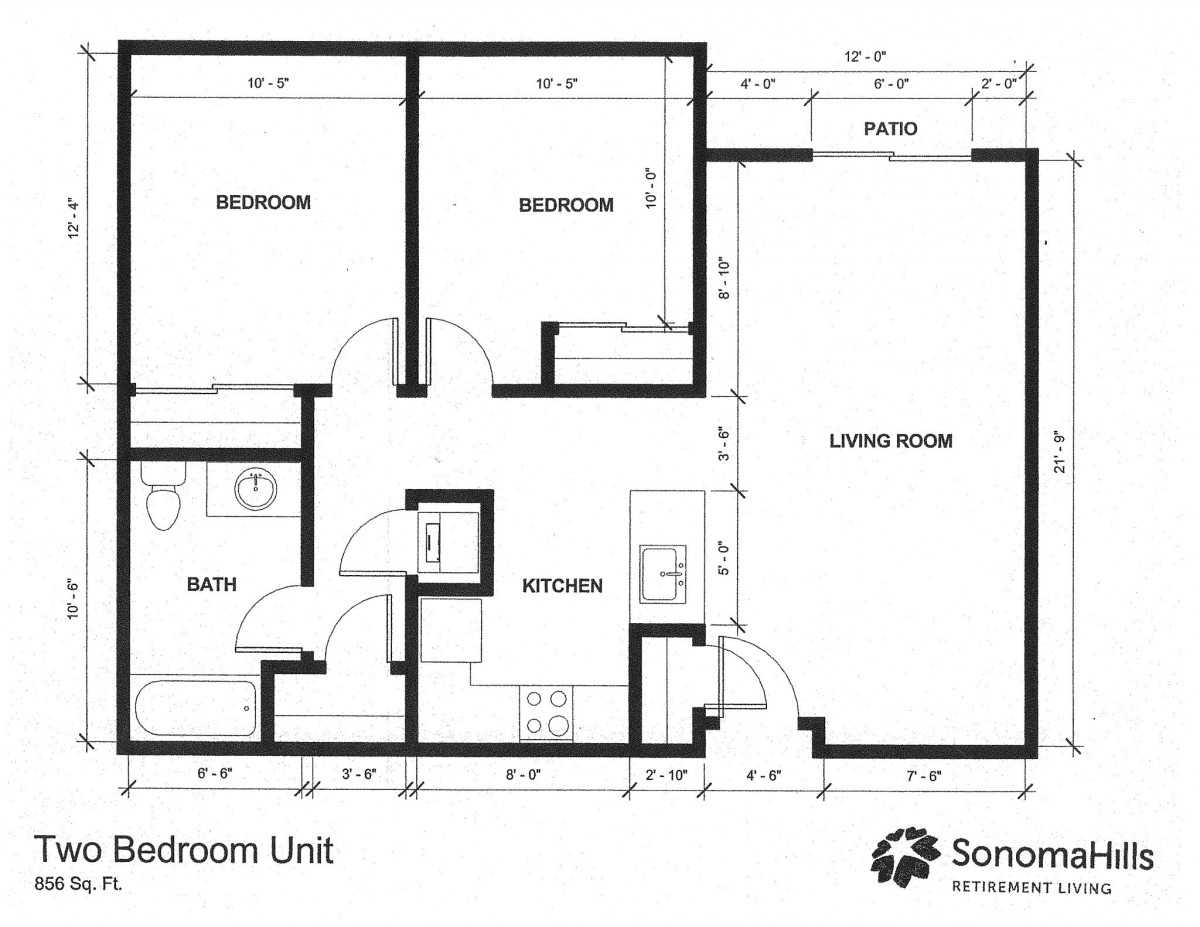
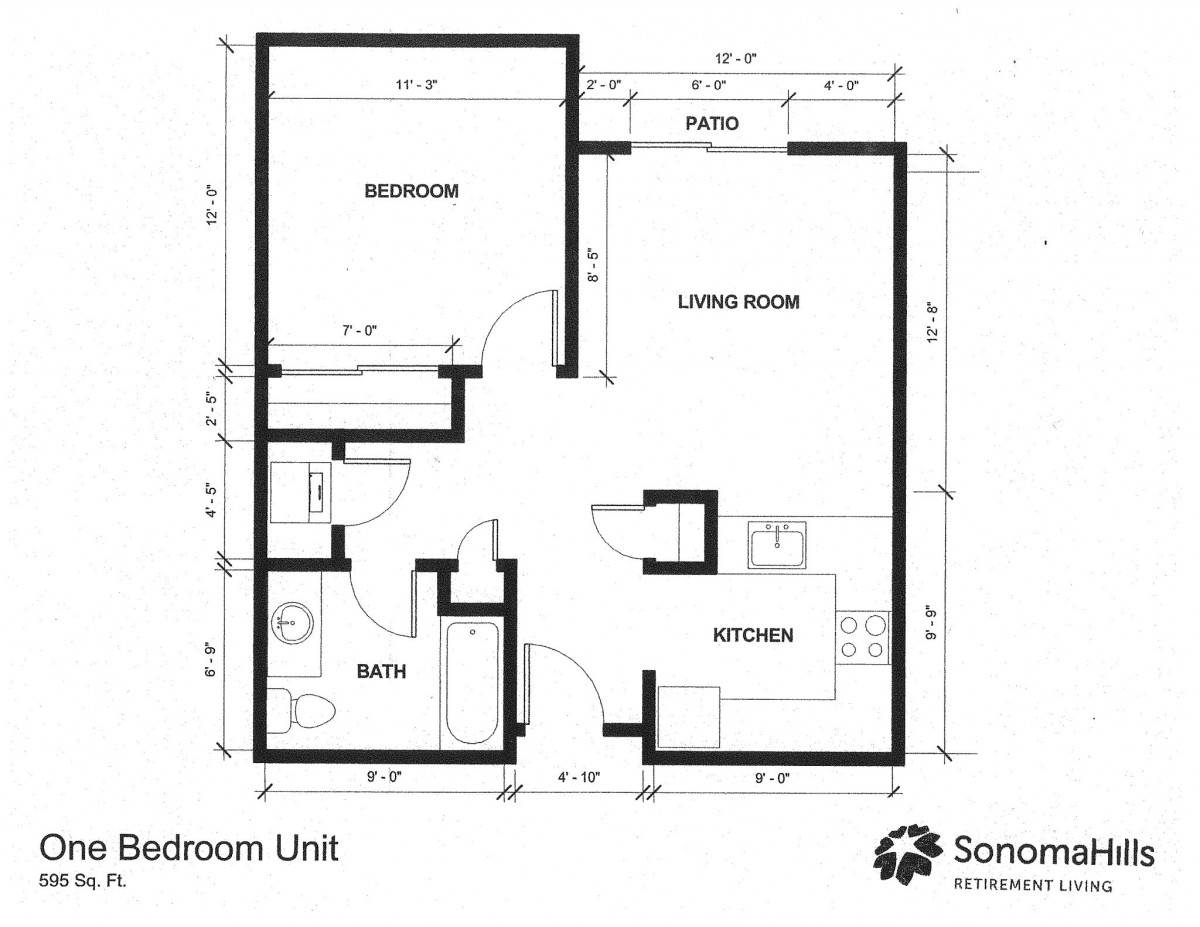
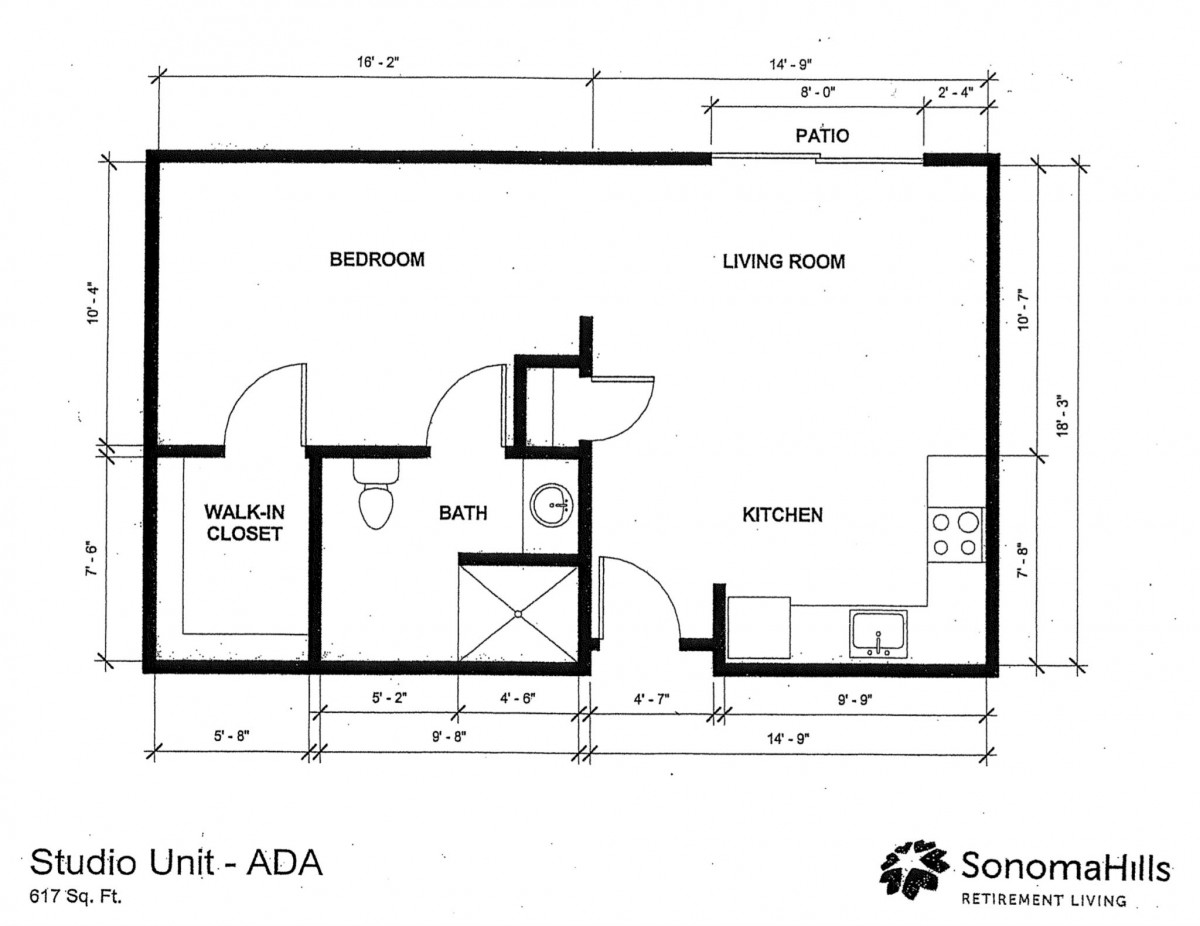
Sonoma Hills Retirement offers competitive pricing for its residents, particularly when compared to the broader costs associated with living in Sonoma County and California as a whole. For instance, a studio at Sonoma Hills is priced at $3,800 per month, which is significantly lower than the county average of $4,340 and the state average of $4,145. Similarly, their one-bedroom units are available for $4,000, offering notable savings against Sonoma County's average of $4,562 and California's figure of $4,340. Even for two-bedroom accommodations, at $4,300 per month, Sonoma Hills remains more affordable than the county's average of $5,353 and California's average of $5,270. This favorable pricing structure underscores Sonoma Hills Retirement's commitment to providing quality living options that balance comfort and affordability for its residents.
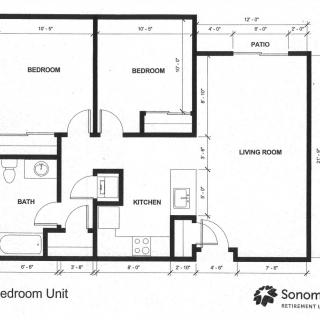
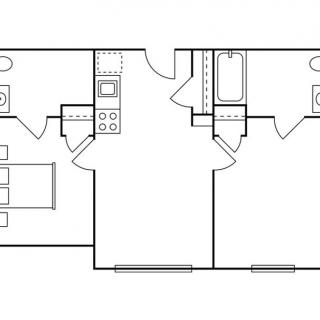
Floor plans
Sonoma Hills Retirement
Sonoma County
California
Studio
$3,800
$4,340
$4,145
1 Bedroom
$4,000
$4,562
$4,340
2 Bedrooms
$4,300
$5,353
$5,270
Independent Living communities with a similar price nearby
Residents and visitors repeatedly highlight the community’s single-level layout and easy mobility.
Several reviews note that apartments and the overall community are on one level, with less need to navigate steps. That shows up as a practical benefit for peace of mind and convenience when getting around. The community also lists ground-floor and accessibility-focused features, aligning with what people described during visits.
common10 reviews mention this
Dining is a frequent focus
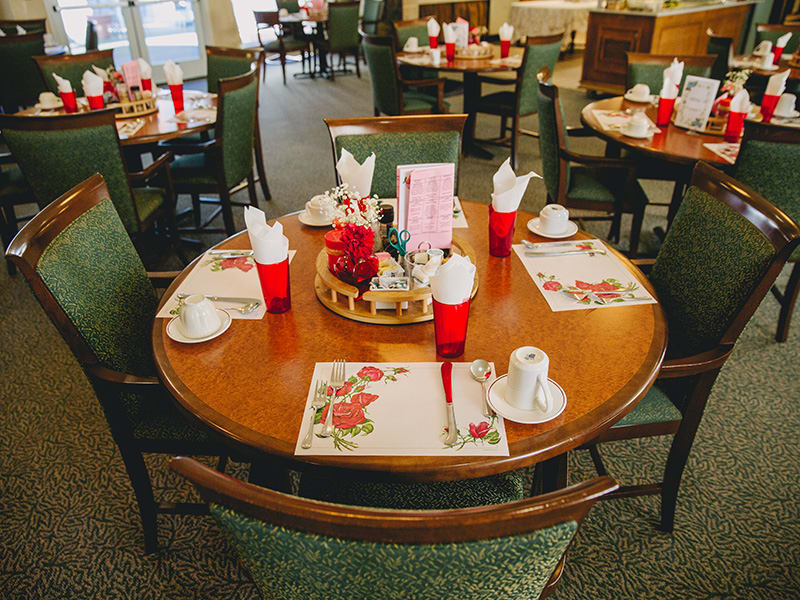
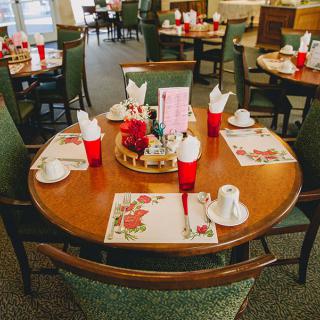
Dining stands out in reviews, with restaurant-style meals and frequent comments about food quality.
Many reviews reference the dining experience, including restaurant-style dining and meals being included as part of the living arrangement. Several residents and families describe the food as excellent or fabulous, and others mention dining-room attendants. A minority view was negative about food quality, but overall dining is a consistent topic.
common8 reviews mention this
Activities and social time matter
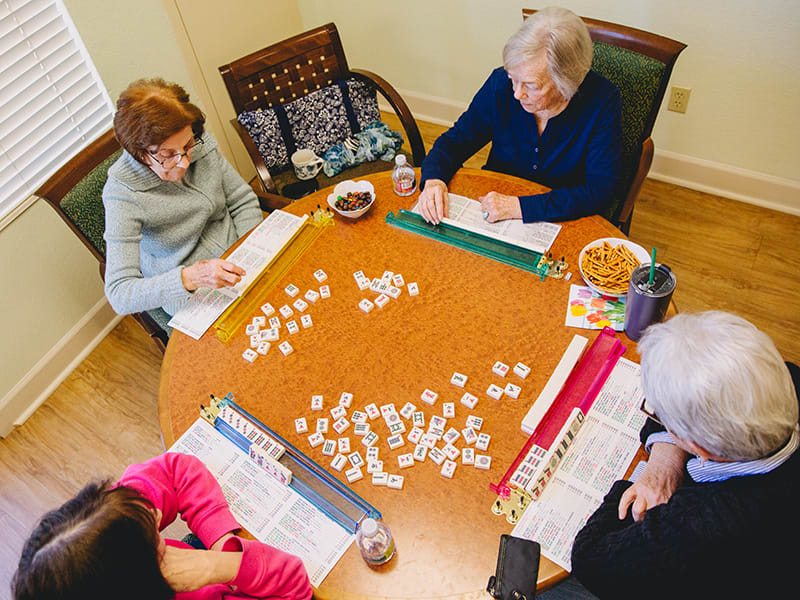
Residents describe a steady schedule of activities and social events that help them feel connected.
Reviews commonly mention community activities, from weekly social hour to day trips, parties, and group outings. People also bring up ongoing options like exercise, bingo, and arts and crafts. Families in particular describe feeling that their loved ones can make friends and stay engaged without needing to plan everything themselves.
common16 reviews mention this
Staff warmth and professionalism
Reviews consistently describe staff as friendly, attentive, and professional.
A large share of reviews praise the staff for being kind, helpful, and responsive to resident needs. Multiple comments also highlight management and the way staff show up during transitions, questions, or special situations. While one review was critical of the director and food, it still includes positive comments about staff.
caveat2 reviews mention this
Independent living only may limit future needs
Some reviewers flagged that the community only offers independent living.
At least a couple of reviews note that this is independent living only, and express concern about what would happen if assistance is needed later. The community’s living-care listing supports this, and one tour-focused review explicitly described needing outside help in the future. If you expect changes in care level down the road, these comments suggest it’s important to plan ahead.
How we summarize
Counts show how many written reviews mention each theme; a review can touch several themes, and only frequently mentioned themes are displayed.
Features
Housing
1-bedroom apartments
2-bedroom apartments
Studio apartments
Types of Care
Independent Living
Pets
Cats allowed
Dogs allowed
Amenities
Activities off-site
Activities on-site
Air-conditioning
Bath tubs
Beautician on-site
Devotional services off-site
Devotional services on-site
Dining room
Financing advice
Full kitchen
Garden
General store
Ground floor units
Guasts at mealtime
Guest parking
Handicap accessible
Hiking trails
Home sale assistance
Housekeeping services
Indoor common areas
Outdoor common areas
Overnight guests
Party space
Private cleaning services
Resident parking
TV room
VA Benefits Consultation
Wheelchair accessible showers
Transportation
Transportation & parking
Dining
Anytime dining
Guest meals
Low / no sodium
Meals provided
No Sugar
Restaurant style dining
Room service
Vegetarian
Activities
Activities off-site
Art classes
Arts and crafts
Book club
Catholic services
Day trips and outings
Devotional activities offsite
Devotional activities on-site
Educational speakers / life long learning
Fitness programs
Games
Gardening club
Happy hour
Live dance or theater performances
Live musical performances
Live well programs
Religious services
Stories
Tai Chi
Visiting chaplain or priest
Yoga / chair yoga
Virtual Tour
Nearby Places of Interest
This part of Sonoma, California, offers a variety of amenities and services that cater to seniors looking for a comfortable and convenient living environment. With several physicians, pharmacies, and hospitals in close proximity, residents can easily access healthcare facilities and services. Additionally, there are numerous restaurants and cafes nearby for dining options and socializing with friends. The presence of parks such as Sonoma Plaza and Pinelli Park provides opportunities for outdoor recreation and relaxation. Places of worship like St Leo's Catholic Church offer spiritual support and community engagement. Overall, this area offers a blend of medical care, dining options, recreational activities, and spiritual support that would be appealing to seniors seeking a vibrant lifestyle in Sonoma.
Physicians
Zur Institute (0.4 miles)
Sonoma Skin (0.4 miles)
North Bay Eye Associates (0.4 miles)
Larry Alan Smith DR (0.4 miles)
North Bay Orthopaedic Surgeons (0.4 miles)
Prima Medical Group Specialty Office (0.5 miles)
MarinHealth Pediatric Care | A UCSF Health Clinic (0.5 miles)
Pharmacies
CVS Pharmacy (0.4 miles)
Longs Drugs (0.6 miles)
Rite Aid (1.1 miles)
Lucky Supermarket Pharmacy (7.5 miles)
Safeway Pharmacy (8.8 miles)
Walgreens (9.1 miles)
CVS Pharmacy (9.2 miles)
Restaurants
HopMonk Tavern (0.5 miles)
Layla (0.5 miles)
Broadway Market (0.7 miles)
The Girl & The Fig (0.8 miles)
Swiss Hotel & Restaurant (0.8 miles)
La Casa Restaurant (0.9 miles)
Taco Bell (1.3 miles)
Cafes
Taub Family Outpos (0.7 miles)
Basque Boulangerie Café (0.8 miles)
Les Pascals (6.2 miles)
Starbucks (8.8 miles)
Dutch Bros Coffee (9.4 miles)
Java Hut (9.4 miles)
Parks
Sonoma Plaza (0.8 miles)
Pinelli Park (1 miles)
General Vallejo Home (1 miles)
Jack London State Historic Park (6.5 miles)
Alston Dog Park (7.7 miles)
Fuller Park (9.4 miles)
Places of Worship
St Leo's Catholic Church (3.1 miles)
Napa Community Seventh-day Adventist Church (9.5 miles)
Hospitals
Sonoma Developmental Center (5.2 miles)
SRM Alliance Hospital Services (9.2 miles)
Parkside Recovery Centers (9.2 miles)
Petaluma Valley Hospital-Radiology & Laboratory Outpatient Clinic (9.4 miles)
Queen Of The Valley Center For Maternal & Infant Care (9.6 miles)
Sonoma Hills Retirement offers competitive pricing for its residents, particularly when compared to the broader costs associated with living in Sonoma County and California as a whole. For instance, a studio at Sonoma Hills is priced at $3,800 per month, which is significantly lower than the county average of $4,340 and the state average of $4,145. Similarly, their one-bedroom units are available for $4,000, offering notable savings against Sonoma County's average of $4,562 and California's figure of $4,340. Even for two-bedroom accommodations, at $4,300 per month, Sonoma Hills remains more affordable than the county's average of $5,353 and California's average of $5,270. This favorable pricing structure underscores Sonoma Hills Retirement's commitment to providing quality living options that balance comfort and affordability for its residents.
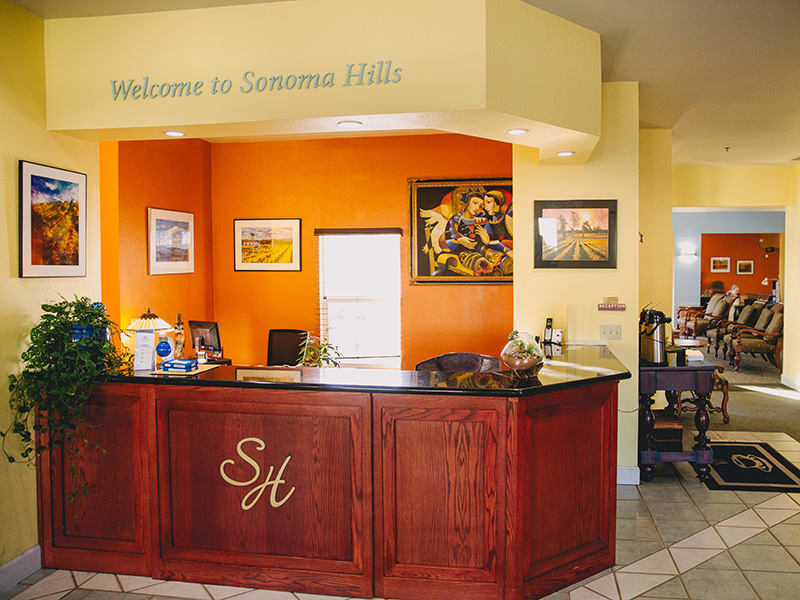
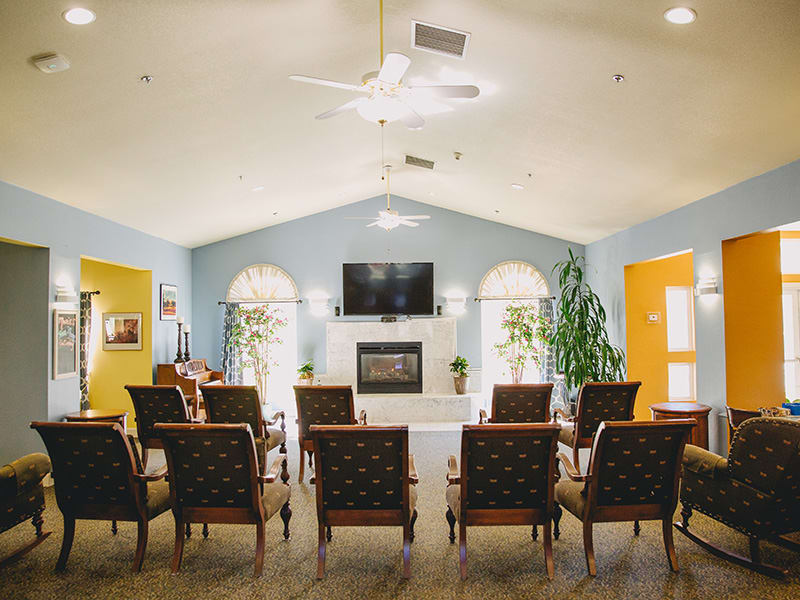
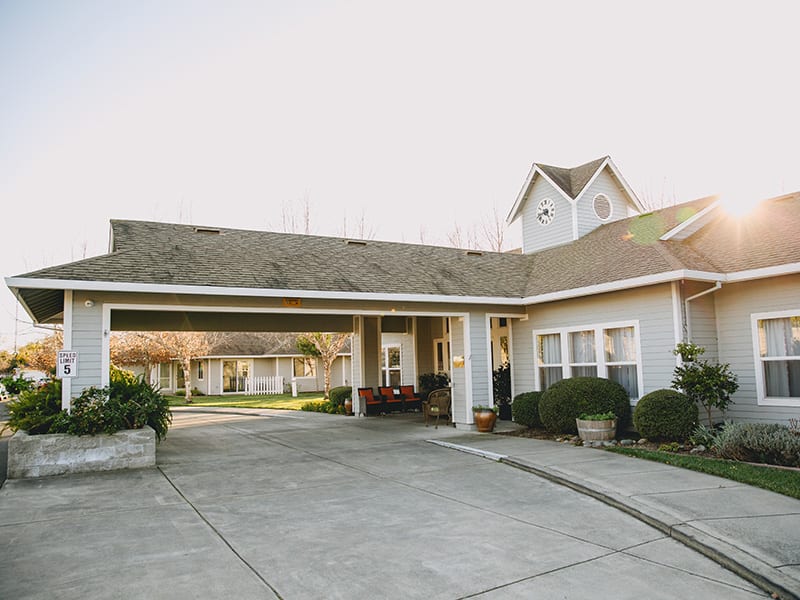
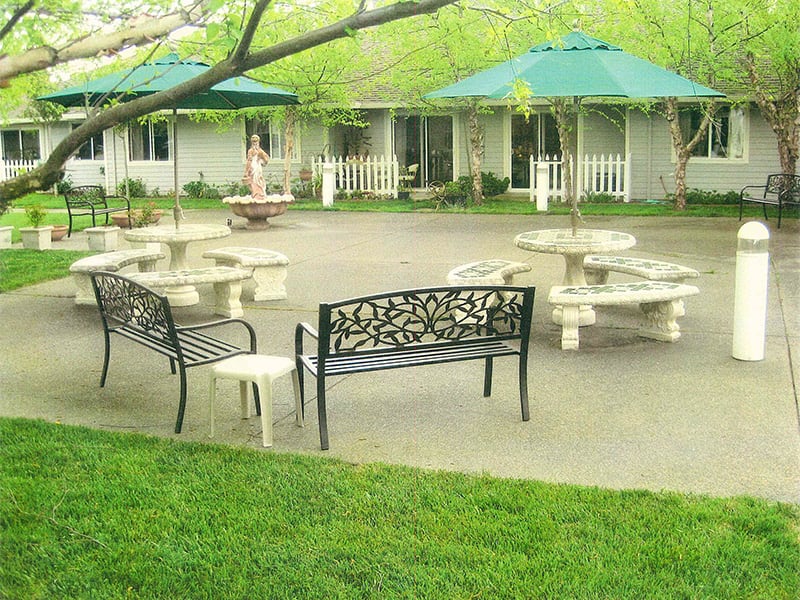
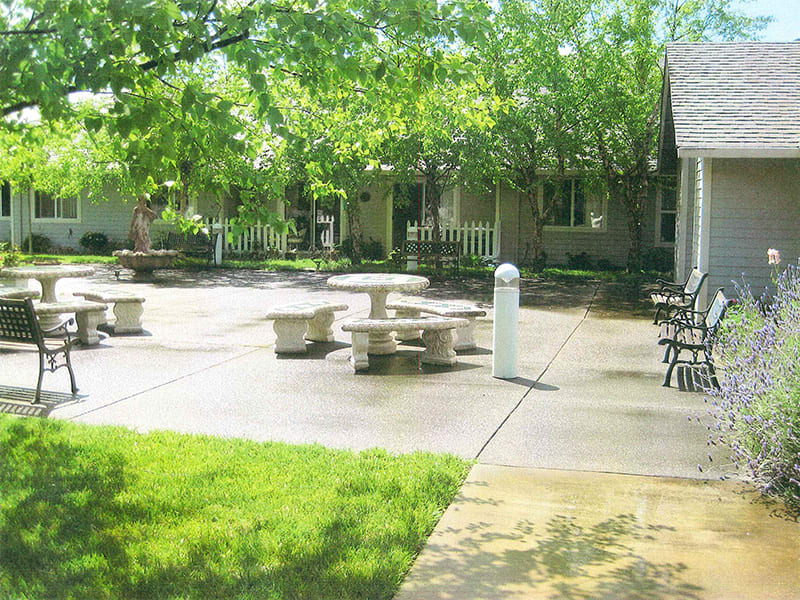
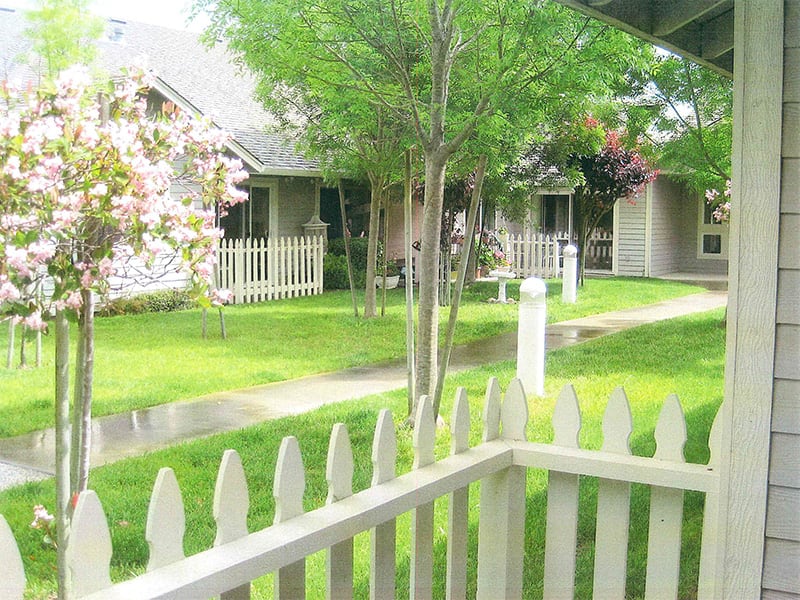
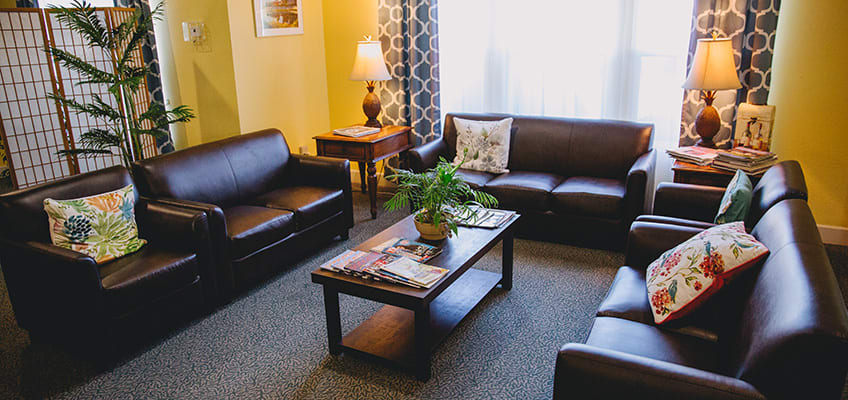
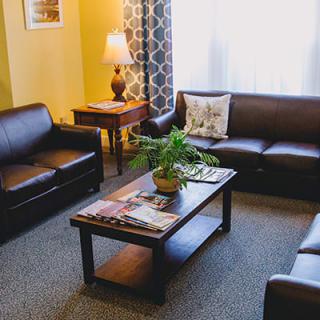
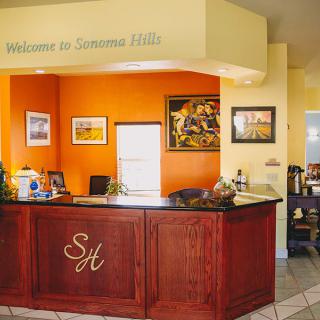
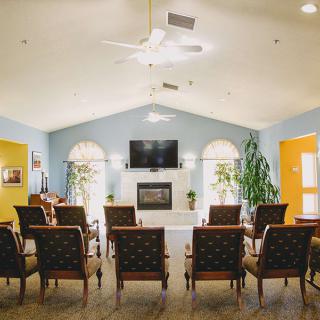
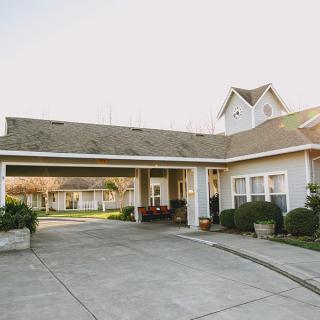
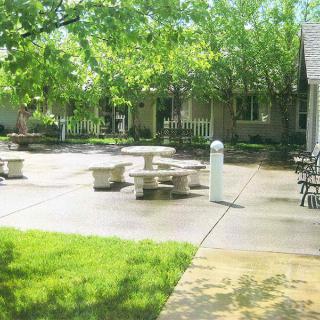
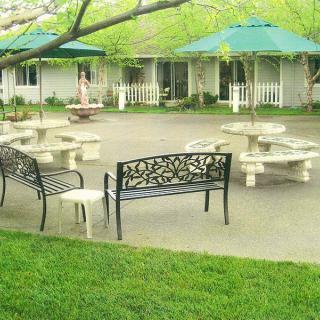
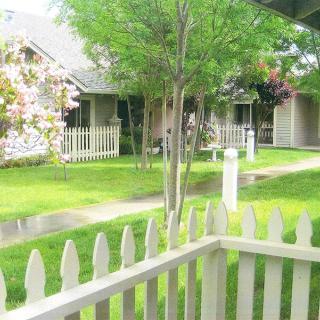
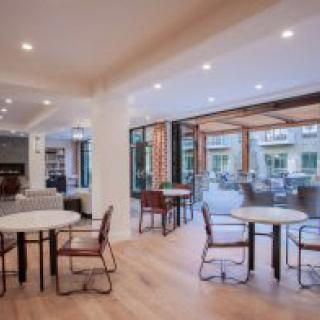
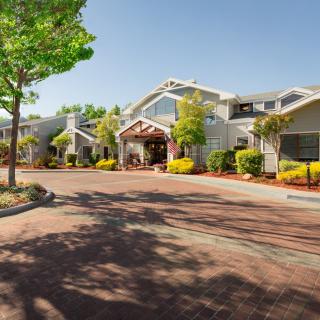
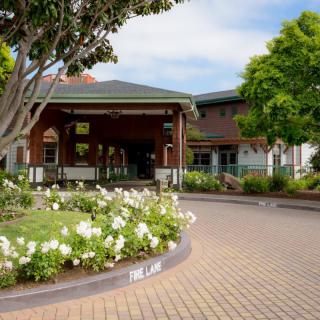
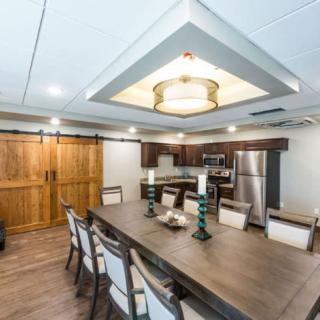
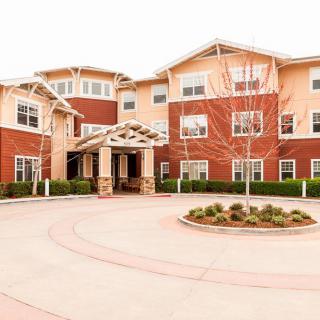
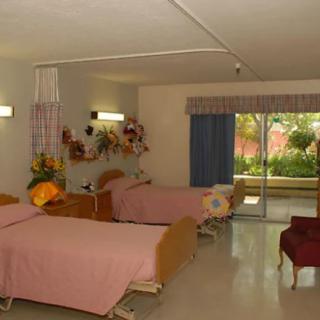
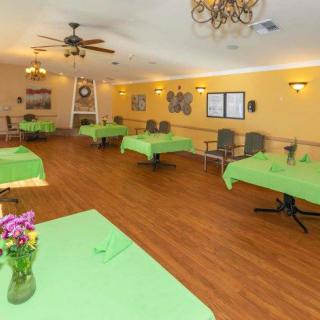
Sonoma Hills Retirement on seniors.fyi includes 13 photos including images showing floor plan, interior, living room, decor, landscaping, dining, architecture, courtyard, and more.
Nearby Communities
Valley Of The Moon Post Acute
Sonoma, CA
4.3 from 29 reviews
Comprehensive care with restaurant-style dining and ample on-site amenities.
Golden Living Center of Sonoma
Sonoma, CA
$7,614 / month
High-acuity care with comprehensive meds/incontinence support; on-site amenities and pet-friendly.
Sonoma Post Acute
Sonoma, CA
4.4 from 55 reviews
Caring staff in a bright, welcoming setting with engaging activities and garden access.
Broadway Villa Post Acute
Sonoma, CA
4.2 from 44 reviews
Extensive on-site amenities (dining, beauty salon, fitness, activities) with 24/7 supervision and comprehensive care.
Blize Healthcare
Napa, CA
Convenient access to numerous nearby amenities (cafes, parks, pharmacies, physicians, restaurants, and worship) with comfortable accommodations.
Cogir of Sonoma
Sonoma, CA
4.6 from 53 reviews
$4,295 to $5,495 / month
Friendly, attentive staff in a clean, active community with beautiful grounds.
Cogir On Napa Road Assisted Living and Memory Care
Arthritis encompasses over 100 joint disorders affecting people of all ages, leading to symptoms like pain and stiffness that impair mobility and quality of life. Effective management involves early diagnosis, lifestyle changes, medical treatments, emotional support, and ongoing monitoring with healthcare professionals.
The article highlights the high risk of falls among older adults due to factors like muscle weakness, vision issues, and environmental hazards, with one in four experiencing a fall annually. It advocates for a comprehensive prevention approach that includes exercise, home safety modifications, medication management, social support, and caregiver involvement.
Elder law attorneys assist older adults and their families with legal matters such as estate planning, Medicaid eligibility, and guardianships, while also providing protection against elder abuse. They help navigate complex regulations to safeguard financial resources, ensure well-being, and maintain autonomy for seniors.
Get PricingAsk A QuestionSchedule A TourContact Senior Advisor
By clicking submit, you agree to our Partner's Terms of Use. You
also consent to receive calls and texts, which may be autodialed, from our Partner. Your consent is not a condition to
using our Partner's service. Please visit our Partner's Privacy Policy for information about their privacy practices.

 1-bedroom apartments
 Independent Living
 Cats allowed
 Dogs allowed
 Activities off-site
 Air-conditioning
 Bath tubs
 Beautician on-site
 Devotional services off-site
 Dining room
 Financing advice
 Full kitchen
 Garden
 General store
 Ground floor units
 Guest parking
 Handicap accessible
 Hiking trails
 Housekeeping services
 Indoor common areas
 Outdoor common areas
 Overnight guests
 Party space
 TV room
 Wheelchair accessible showers
 Transportation & parking
 Anytime dining
 Art classes
 Book club
 Catholic services
 Day trips and outings
 Educational speakers / life long learning
 Fitness programs
 Games
Games Happy hour
 Live dance or theater performances
 Live musical performances
 Live well programs
 Comprehensive care with restaurant-style dining and ample on-site amenities.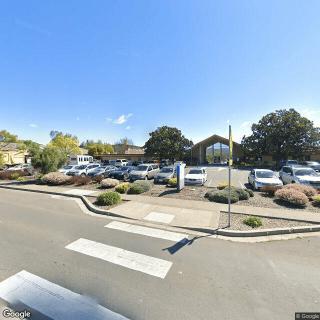

 Comprehensive Approaches for Arthritis: A Detailed Guide to Symptoms, Causes, and Care
 Comprehensive Insights and Practical Strategies to Help Older Adults Avoid Falls
 6 Crucial Ways an Elder Law Attorney Assists Families