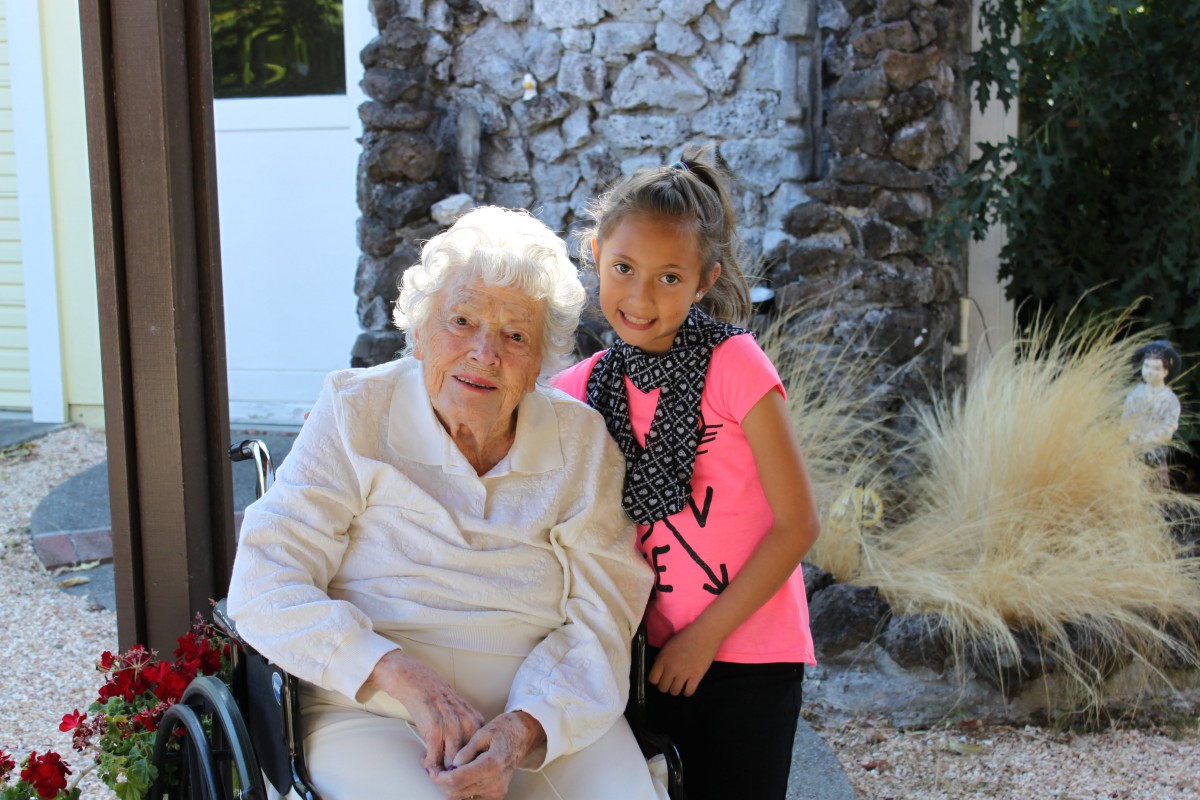
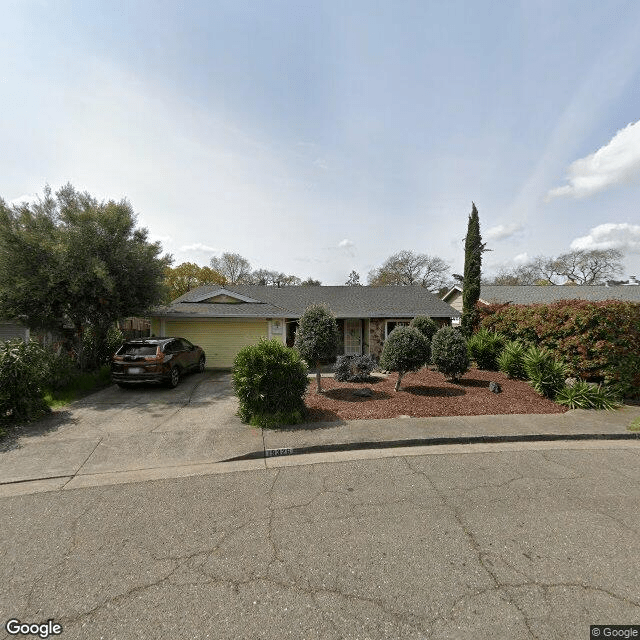
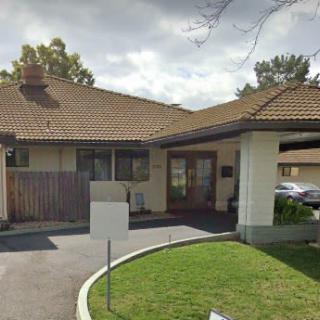
19326 Solano Ct, Sonoma, CA 95476
For more information about senior living options: (866) 208-4318
Sonoma Oak Tree Place Costs & Pricing
Sonoma Oak Tree Place offers a range of accommodation options with pricing that reflects its premium services and amenities. For semi-private rooms, the cost is $4,800 per month, which is notably higher than the Sonoma County average of $4,052 and the California state average of $3,333. Private rooms at Sonoma Oak Tree Place are priced at $5,500, surpassing both the county ($4,225) and state averages ($3,939). Similarly, studio accommodations are available at $5,500 as well, which again exceeds the local county average of $4,340 and the state's average of $4,145. These costs highlight the facility's commitment to offering an elevated standard of care and comfort in comparison to regional options.
| Floor plans | Sonoma Oak Tree Place | Sonoma County | California |
|---|---|---|---|
| Semi-Private | $4,800 | $4,052 | $3,333 |
| Private | $5,500 | $4,225 | $3,939 |
| Studio | $5,500 | $4,340 | $4,145 |
Memory care communities with a similar price nearby
-
from -$300 / mo

Assisted Living Napa Valley II
$4,500 / month9.9 miles away -
from -$805 / mo
The Watermark at Napa Valley
$3,995 to $6,795 / month9.2 miles away -
from +$795 / mo
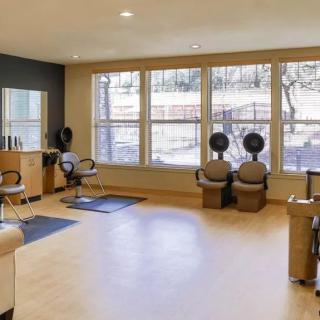
Oakmont of the Terraces
$5,595 to $6,195 / month18.4 miles away -
About the same
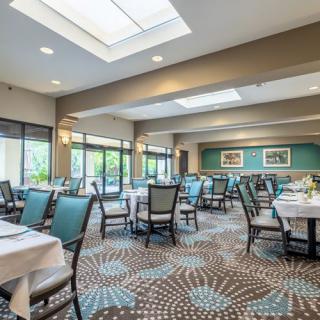
Drake Terrace
$4,900 to $7,200 / month20.7 miles away -
from -$550 / mo
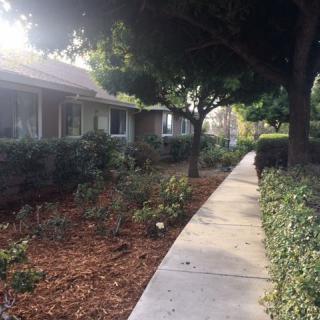
Vista Prado
$4,250 to $6,250 / month17.2 miles away
Overall Review of Sonoma Oak Tree Place
Pros
 The care at this home is truly above and beyond.
- Ruby, the owner, takes personal responsibility for her residents and treats them like family.
- The home is homey with home-cooked meals, and the staff keeps residents clean and well cared for.
- Residents have never developed bed sores at Sonoma Oak Tree Place.
- Mom has made lasting friendships there and is happy as a clam.
- The house limits to six residents, allowing extra-special personal care.
Review
Sonoma Oak Tree Place is best suited for families seeking an intimate, home-like setting where care feels personal and deeply attentive. The community operates with a clear emphasis on every-resident-as-family, anchored by Ruby, the owner, who takes direct responsibility for daily wellbeing. It is especially strong for residents who need help with daily tasks and supervision but who still benefit from social connections, home-cooked meals, and a calm, non-institutional atmosphere. The strongest signal from the reviews is that care comes with a level of warmth and accountability that families often struggle to find in larger facilities.
Those weighing alternatives should consider that this is not a large campus with a wide array of on-site services. The house is small, no more than six residents, which delivers tremendous personalized attention but naturally limits the breadth of medical oversight, rehab options, and structured memory-care programming found in bigger communities. Families seeking a highly modern facility with cutting-edge amenities or extensive 24/7 nursing capabilities may prefer a larger, purpose-built setting. The “old house” feel is a trade-off: clean and comfortable, but not new or expansive, which matters for families prioritizing state-of-the-art facilities.
The strongest pro is the level of personal involvement and the family-style culture. Residents are treated with a sense of ownership and respect, and families repeatedly note that Ruby’s leadership translates into care that feels above and beyond ordinary assisted living. The staff’s attention to cleanliness and daily hygiene is cited as a hallmark, with real-world results like preventing bedsores and maintaining continuity of care. The testimonials describe a home where residents form meaningful connections, from a resident who becomes the “president” of her own club to friends who visit for relaxed afternoons, underscoring the social value of the small setting.
Another clear pro is the focused, high-touch approach to dementia and mobility concerns. Reviews emphasize that even a bedridden mother can remain alert and engaged within this environment, and the six-resident cap enables extra-special supervision and tailored routines. The positive experiences of a 96-year-old roommate being described as sharp demonstrate that cognitive vitality can persist within this model when care is diligent and personable. The combination of personal attention, comfortable routines, and familiar surroundings often translates into steadier mood, better daily functioning, and more predictable care for families navigating memory-care decisions.
The house’s strengths offset several potential drawbacks by delivering outcomes that matter most to families: safety, comfort, and social fulfillment. The small-scale setting cultivates accountability, reduces the risk of overlooked needs, and fosters ongoing relationships between residents and caregivers. Home-cooked meals and a clean, comfortable living environment contribute to daily quality of life in ways that large facilities may struggle to match. For families who value continuity, predictability, and emotional warmth over expansive activity calendars or formalized medical programming, Sonoma Oak Tree Place delivers convincing value.
In the end, this community is a compelling option for those prioritizing intimate, attentive care within a heart-focused home. It is less well-suited for families requiring robust medical infrastructure, aggressive rehab services, or a modern, resort-like campus. Prospective residents and families should plan a visit with a careful checklist: observe caregiver-to-resident interactions, inquire about on-site medical oversight, assess dining and activity routines, and verify the pace and flexibility of daily schedules. When fit is found, Sonoma Oak Tree Place offers a rare blend of personal commitment and homelike charm that makes aging at home feel, in truth, achievable.
 6 resident community capacity
 Assisted Living
 Board and Care Home
 Memory Care
 Activities on-site
 Air-conditioning
 Bath tubs
 Cable or satellite TV
 Devotional services on-site
 Dining room
 Fully furnished
 Garden
 Ground floor units
 Housekeeping services
 Indoor common areas
 Move-in coordination
 Outdoor common areas
 Private
 Respite or short term stays offered
 Telephone
 Wheelchair accessible showers
 Wi-Fi/high-speed internet available
 24-hour supervision
 Assistance with bathing
 Assistance with dressing
 Assistance with transfers
 Diabetes diet
 High acuity care
 Incontinence care
 Meal preparation and service
 Medication management
 Special dietary restrictions
 Transportation arrangement (medical)
 Transportation to doctors appointments
 BBQs or picnics
 Birthday parties
 Live musical performances


 8 Key Indicators That Suggest It May Be Time to Transition from Assisted Living to Skilled Nursing Care
 Nourishing the Mind: Essential Dietary Approaches for Dementia
 Understanding Dementia Behaviors: Practical Insights and Strategies for Caregivers