
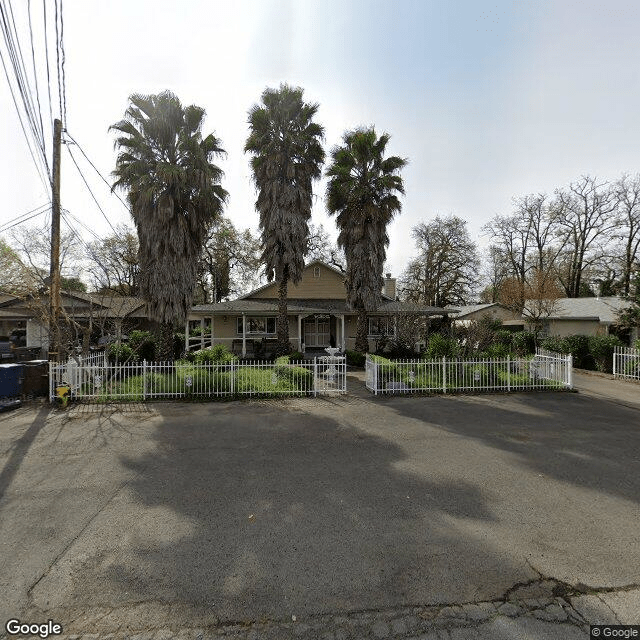
425 Arbor Avenue, Sonoma, CA 95476
For more information about senior living options: (866) 208-4318
Sonoma Oak Tree Home Costs & Pricing
At Sonoma Oak Tree Home, the monthly cost for a private room is set at $6,000, which notably exceeds both the average rates in Sonoma County and across California. In comparison, the costs in Sonoma County average around $4,225 per month, while the statewide average stands at $3,939. This higher pricing at Sonoma Oak Tree Home reflects its specialized services and amenities that cater to residents seeking a supportive and enriching environment. While the rate may be on the higher end of the spectrum, it is important to consider the unique features and personalized care that accompanying such an investment in quality living.
| Floor plans | Sonoma Oak Tree Home | Sonoma County | California |
|---|---|---|---|
| Private | $6,000 | $4,225 | $3,939 |
Assisted Living communities with a similar price nearby
-
from +$860 / mo

Elegance Hamilton Hill
$6,860 to $10,420 / month12.8 miles away -
from -$1100 / mo
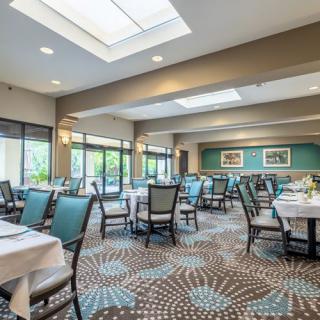
Drake Terrace
$4,900 to $7,200 / month21.2 miles away -
from -$900 / mo

Aegis of Napa
$5,100 to $6,300 / month9.5 miles away -
from -$805 / mo

Fountaingrove Lodge (LGBTQ+)
$5,195 to $5,495 / month18.0 miles away -
from -$500 / mo
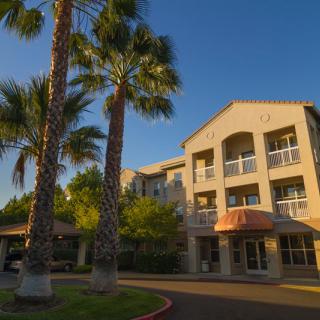
Paradise Valley Estates
$5,500 to $6,121 / month24.8 miles away
Overall Review of Sonoma Oak Tree Home
Pros
 Dina is described as lovely—caring, compassionate, and deeply committed to keeping the home clean, safe, and resident-centered.
- The staff are attentive and kind, keeping residents comfortable, clean, and well fed, with warmth and patience that make a big difference.
- The house is beautiful, with bright, well-kept rooms and welcoming common areas that feel like home.
- The overall atmosphere is supportive and caring, created by both the environment and the people at Sonoma Oak Tree Home.
- Christie is very kind and welcoming, with good organic food and attentive senior accommodations.
- Kristy is warm and welcoming, providing excellent care and frequent updates that give families peace of mind.
- The owners are amazing, and the community is accommodating and safe for loved ones.
Cons
 The home is described as very small, with perhaps only six residents, and there isn’t a lot going on.
- There have been no outings, and exercise classes that are supposed to be offered have not occurred.
Review
Sonoma Oak Tree Home in Sonoma, CA is best suited for families seeking a truly intimate, home-like setting where a loved one can receive highly individualized attention in a calm, safe environment. This community excels for residents who value warmth, personal connection with the care team, and consistent, hands-on daily support. The owner’s hands-on leadership (Dina) sets a tone of care that permeates every interaction, from the cleanliness of the space to the attentiveness of the staff. Rooms are private, bright, and well-kept, with common areas that feel welcoming and lived-in rather than clinical. For families prioritizing dependable, person-centered care over bustling programming, Sonoma Oak Tree Home stands out as a place where the human element, good meals, dignity in daily routines, and steady communication, takes priority.
That said, certain circumstances point to alternatives. The facility’s small size, typically no more than about six residents, means social opportunities and scheduled outings are limited. For seniors who thrive on a robust activity calendar, frequent excursions, or structured exercise classes, this environment may feel quiet or lacking. Likewise, if intensive medical oversight or a memory-care specialized setting is required, a larger community with dedicated programming and staff trained for higher-acuity needs could be a better fit. Families should consider whether constant companionship and a bustling social scene are non-negotiable, or whether a serene, intimate setting can deliver the right balance of safety, care, and personal attention.
On the upside, the strongest pros align closely with what many families seek most in senior living: genuine warmth, reliable care, and a clean, secure home. Dina’s leadership translates into a consistently clean, well-maintained house where safety and comfort are prioritized. The staff are described as attentive, kind, and patient, ensuring residents are comfortable, well fed, and treated with respect every day. The presence of Kristy as a reliable point of contact for updates and peace of mind reinforces an open, collaborative relationship with families. The emotional tone is one of belonging and calm, not clinical efficiency, and that makes a tangible difference for residents who value routine, familiarity, and a sense of “home.”
Nevertheless, the limited social programming is not a minor caveat. The home’s intimate footprint means there are fewer opportunities for residents to engage in group activities or socialize outside the core staff-resident circle. While the proximity to a park provides a pleasant outdoor option and occasional family visits can fill gaps, the absence of regular outings or structured group events could leave more socially active seniors craving additional stimulation. Prospective residents should ask for a clear picture of any planned activities, and whether staff can tailor programming to individual interests when possible.
The favorable elements, sense of safety, close staff-resident relationships, and a nurturing atmosphere, can more than offset the drawbacks for many families, because the benefits directly impact daily quality of life. The intimate community structure affords deeper relationships, more predictable routines, and the reassurance that caregivers know each resident’s preferences, dietary needs, and routines. Cleanliness and home-like surroundings reduce anxiety for families and promote a dignified lifestyle for residents. The nearby park and easy in-person visitation further enhance the sense of connection to the outside world without sacrificing the comfort of a small, manageable setting.
In the end, Sonoma Oak Tree Home delivers a practical, well-grounded option for families prioritizing individualized attention and a serene, homelike environment. It is a strong recommendation for seniors who prefer quiet, consistent care with transparent communication and a high standard of cleanliness, in a setting that feels like a true home. For families where social breadth, frequent outings, or high-acuity medical support are central priorities, it is wise to explore alternatives with larger resident bases and more expansive programming. A thoughtful next step would be to visit, speak with Dina and Kristy, review a sample menu, discuss prospective activity plans, and confirm what level of care can be sustained as needs evolve.
 6 resident community capacity
 Assisted Living
 Board and Care Home
 Activities on-site
 Cable or satellite TV
 Dining room
 Fully furnished
 Garden
 Housekeeping services
 Indoor common areas
 Move-in coordination
 Outdoor common areas
 Private
 Telephone
 Wi-Fi/high-speed internet available
 24-hour supervision
 Assistance with bathing
 Assistance with dressing
 Assistance with transfers
 Diabetes diet
 Meal preparation and service
 Medication management
 Special dietary restrictions
 Transportation arrangement (medical)
 Transportation to doctors appointments
 Art classes
 Karaoke
 Live musical performances
 Stretching classes
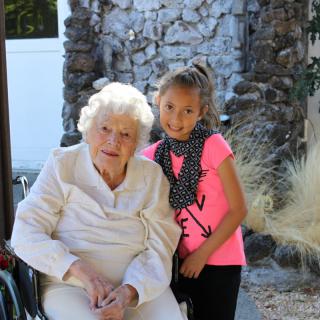



 A Detailed Exploration of Assisted Living Medicaid Waivers Across the United States
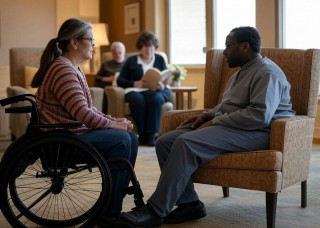 Comprehensive Residential Support and Assisted Living Solutions for Individuals with Disabilities
 Comprehensive Supportive Living Arrangements for Adults with Disabilities