
1800 Old Tustin Road, Santa Ana, CA 92705
For more information about senior living options: (866) 208-4318
Overall Review of Carehouse Healthcare Center
Pros
 The facility is nice and updated.
- The outside is beautiful.
- The food is fairly good.
- There are activities and movies.
- Most of the staff are very sweet, nice, and caring.
- There is a daily activities calendar, which is wonderful.
- Birthday celebrations are lively and joyful.
Cons
 Carehouse Convalescent Hosp was not clean.
- The staff were inattentive.
- Medications were delayed every time.
- A resident fell in the evening because nobody took her to the bathroom.
- The room was old and the interior did not look nice.
- There were a few bad seeds among the CNAs, and the nurses and CNAs did not go out of their way.
Review
Carehouse Healthcare Center in Santa Ana is best suited for families looking for a budget-conscious option where residents can participate in regular activities and daily routines, but where reliable, top-tier care is not guaranteed. It serves the practical need of a lower-cost setting with some social programming, yet it requires accepting gaps in staffing reliability, cleanliness, and medication management. For memory-care, high-acuity rehabilitation, or tight safety standards, alternatives with stronger staffing ratios and dementia-focused programming are advisable. This is not a facility to assume flawless execution; it demands vigilant oversight and frank expectations about what is and isn’t provided.
The strongest warning signs come from inconsistent care that touches every critical daily function. Several reviews describe inattentive staffing, with accounts of delays in medications and even frightening lapses in personal supervision, situations where residents were left unattended or not taken to the bathroom in a timely way. Cleanliness and upkeep are cited as areas needing real improvement, and there are founder-level concerns about basic safety. The combination of a less-than-sterile environment and slow response times creates real risk for falls, dehydration, or missed treatments, particularly for residents with complex medical needs or mobility challenges.
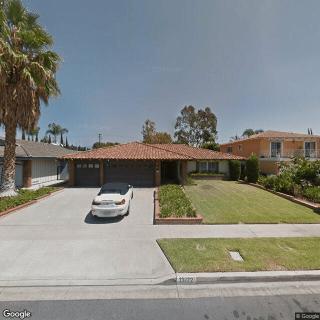
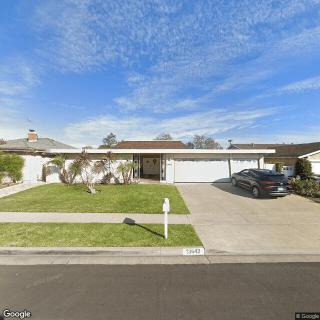
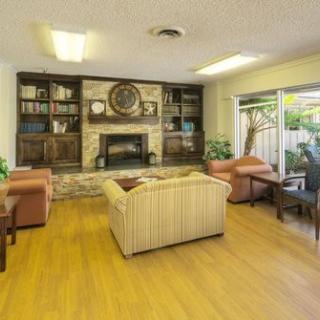
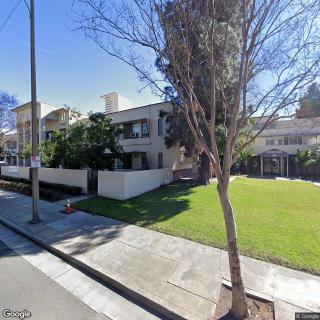
On the flip side, the facility does offer redeeming elements that can matter for families who can tolerate risk. A portion of the nursing staff and CNAs are described as caring, approachable, and capable when engaged, and the occasional caregiver who goes the extra mile can make a meaningful difference in a resident’s day. The property itself is noted as relatively pleasant, some reviewers describe updated common areas and a welcoming exterior, plus there is a calendar of daily activities and social moments that give residents opportunities for engagement. Meal delivery to rooms or dining hall dining, with some positive remarks about food, adds a modest level of daily comfort for many residents.
Those pros, however, do not fully offset the core drawbacks. Social programming and a friendly atmosphere help morale, but they cannot compensate for inconsistent medication administration, potential under-staffing during key hours, and the serious implications of cleanliness lapses. For families evaluating ongoing care, the risk-reward balance hinges on whether daily life for a loved one can be managed with close family oversight and regular scrutiny of care processes. In practice, this means that the facility may work for residents whose needs are stable and whose families can remain actively involved, while it is unlikely to satisfy those requiring dependable med timing, aggressive safety protocols, and rigorous sanitation standards.
Dementia and memory-care needs surface as particular stress tests. One reviewer noted that the dementia patient initially provoked agitation but later settled after staff adjusted, suggesting some capacity for adaptive care when the team becomes familiar with a resident. Yet the pattern across reviews points to variability in dementia-specific programming and consistency in medication management, vital factors for memory-care residents. For families faced with cognitive decline, the absence of a highly specialized unit or a clearly defined dementia care approach may translate into uneven day-to-day support, even when caregivers display warmth or attentiveness in general interactions.
Practical steps emerge for families seriously weighing this option. Arrange a thorough tour with a focus on hygiene standards, room cleanliness, and the overall upkeep of the facility. Question how medications are managed, who administers them, and what the protocol is for delays or changes in prescriptions. Inquire about staffing levels on different shifts, turnover rates, and how aides are supervised. Request concrete examples of how activities are tailored to varied abilities and how birthdays and social events are actually incorporated into residents’ daily lives. If possible, speak with current residents and family members about responsiveness during nighttime hours and after hours. If these questions reveal persistent gaps, or if safety and cleanliness concerns remain unresolved, it is prudent to continue the search for alternatives with stronger, more consistent care benchmarks.
 174 resident community capacity
 Skilled Nursing Facility
 Air-conditioning
 Beauty salon
 Cable or satellite TV
 Computer center
 Dining room
 Fitness room
 Fully furnished
 Gaming room
 Garden
 Housekeeping services
 Kitchenette
 Move-in coordination
 Outdoor space
 Private bathrooms
 Restaurant-style dining
 Small library
 Telephone
 Wellness center
 Wi-Fi/high-speed internet available
 John Wayne Orange Co (6 miles away)
 Community operated transportation
 12-16 hour nursing
 24-hour call system
 Activities of daily living assistance
 Assistance with bathing
 Assistance with dressing
 Assistance with transfers
 Diabetes diet
 Medication management
 Mental wellness program
 Special dietary restrictions
 Concierge services
 Planned day trips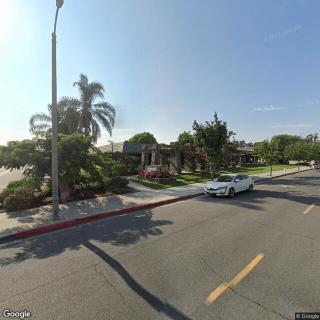
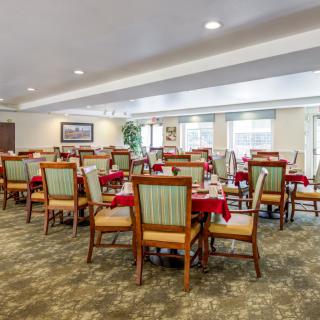
 Navigating the Financial Road to Nursing Home Care: In-Depth Guidance and Resources
 Supportive Employee Benefits That Help Caregivers Attain Better Work-Life Harmony
 Top Cars for Senior Drivers and Essential Safety Innovations