

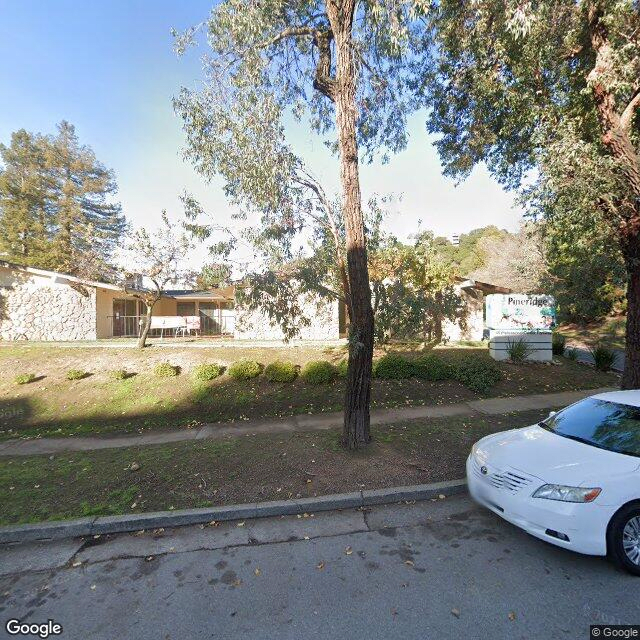
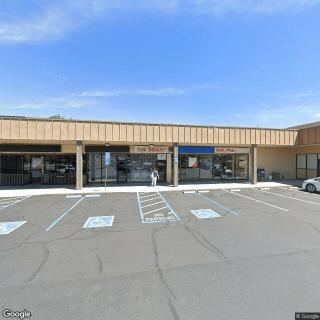
45 Professional Center Parkway, San Rafael, CA 94903
For more information about senior living options: (866) 208-4318
Overall Review of Pine Ridge Care Center
Pros
 Pine Ridge Care Center is a great facility with good staff and strong leadership delivering excellent care.
 - The staff are kind, friendly, and caring.
- The rehab team helped residents get back on their feet and regain strength.
- The center is well run and professional.
- Administrators and the Director of Nursing regularly communicate with residents, making them feel comfortable.
- The facility offers comprehensive therapy and daily activities that engage residents.
- The center is praised for its excellent nurses and CNAs and for earning a CMS 5-star rating.
Cons
 They report that the staff do not care until an accident happens.
- They say the call buzzer never worked, leaving residents heavily reliant on staff.
- They describe a resident who fell and was found around midnight without subsequent checks the next day, risking further injury.
- They characterize the facility as grossly negligent and lacking empathy for residents.
- They criticize the food and deem the care provided as unskilled.
- They note ongoing neglect, such as long delays (45–60 minutes) after pressing the call button.
- They allege an attempt to steal a resident’s pain medication.
- They point out unsafe parking practices by staff, blocking handicap and loading zones.
Review
Pine Ridge Care Center in San Rafael is best suited for families prioritizing post-acute rehabilitation and therapy-driven recovery, especially when leadership visibility and proactive administration are valued. The facility has earned praise in some reviews for strong therapy services and attentive leadership, and it can be a solid choice for residents who respond well to structured rehab programs and who have family members closely monitoring care plans. It is less ideal for those who require unwavering, day-to-day safety assurances and consistently compassionate daily care, particularly in situations where call bells or alert systems fail to receive timely attention. For anyone who cannot easily supervise or advocate on a daily basis, alternatives should be seriously considered.
Those who may want to consider alternatives include families whose top priorities are strict safety reliability, consistently responsive staff, and pristine daily operations. Several reviews describe persistent call-light failures, delayed responses, and episodes of neglect or disorganization that create risk for vulnerable residents. When safety is non-negotiable, such as for dementia care, frequent falls, or conditions demanding rapid intervention, this facility’s variability can be a deal-breaker. Prospective residents with high needs for continuous supervision or those who require meticulous hygiene, predictable routines, and consistently respectful communication should compare Pine Ridge with other local options or opt for in-home or community-based care where supervision is steadier.
The strongest positives at Pine Ridge lie in the rehab and therapy corridors and in leadership-driven care, which in several accounts translated into meaningful recovery outcomes. Multiple narratives highlight capable physical and occupational therapy teams, with residents returning home stronger after days or weeks of targeted therapy. The presence of an engaged administrator and a dedicated director of nursing in some reviews provides a sense that a coherent care plan can be supported by hands-on oversight. In addition, some residents benefited from timely wound care, consistent medication monitoring, and structured programs that deliver routine meals and access to ancillary services that support recovery. When therapy is the anchor of the stay, Pine Ridge can deliver noticeable short-term gains.
Yet the most jarring theme in the feedback centers on safety and everyday reliability. The most common and persistent red flags include nonfunctional call lights, long response times, and a perception that staff fail to respond with urgency when residents press for help. Several reviews recount falls, delays in medical evaluations, and hesitations about seeking ambulance transport when a resident’s condition warrants it. Hygiene lapses, episodes of inattention, and concerns about the accuracy of medication handling further undermine trust. Food quality and overall living conditions drew mixed opinions, with some residents praising routine meals and others calling the dining experience disappointing. Parking and traffic flow around the facility also emerged as a practical friction point for visiting families. Taken together, these patterns point to fundamental safety and daily-care gaps that cannot be overlooked.
The pros can somewhat offset the cons when rehabilitation is the primary objective and leadership is actively guiding care plans. A strong rehab track record, combined with engaged administrators who communicate with families, provides a credible pathway to meaningful recovery and timely discharge to home. For residents with complex medical needs, the ability to access wound care or IV therapies on-site can be a meaningful advantage. However, these offsetting benefits do not erase the undeniable risk exposed by inconsistent call-light response, reported neglect, and the occasional corridor of disorganization that interrupts critical moments of care. In other words, Pine Ridge may deliver excellent outcome potential for rehab-focused stays, but it also carries a credible safety and reliability risk that families must acknowledge and mitigate with vigilant oversight.
Practical decision-making guidance follows from these observations. Before committing, families should request a detailed, written care plan and insist on meeting the on-site administrator and DON to discuss responsiveness protocols, staffing levels, and escalation procedures for emergencies. Observing a shift to witness how call bells are managed in real time, and asking for data on response times, is essential. It is prudent to verify current wound-care protocols, medication administration processes, and infection-control practices, especially for residents with prior wounds or infections. A candid discussion about meal service quality, dietary accommodations, and the dining environment can help set realistic expectations about daily life beyond rehab sessions. Finally, compare Pine Ridge against other local options, noting not only monthly costs and coverage but also recent regulatory inspections and complaint histories, before making a binding choice.
In sum, Pine Ridge Care Center offers a compelling rehab-centric path for those who can benefit from structured therapy and visible leadership oversight, with the potential for strong early gains and smooth transitions back home. However, the facility carries serious cautions regarding safety reliability, responsiveness, and daily quality of care that cannot be ignored. Families must weigh the likelihood of timely assistance and consistent hygiene against the promise of robust rehabilitation. For a senior whose trajectory depends on predictable, protective day-to-day care, exploring alternative communities or opt-out planning (including home health supports) is a prudent course. For others inclined toward recovery-focused stays and prepared to engage assertively with administration, Pine Ridge remains a viable option, provided the care plan is tightly monitored and safety nets are firmly in place.
 101 resident community capacity
 Skilled Nursing Facility
 Air-conditioning
 Beauty salon
 Cable or satellite TV
 Computer center
 Dining room
 Fitness room
 Fully furnished
 Gaming room
 Garden
 Housekeeping services
 Kitchenette
 Move-in coordination
 Outdoor space
 Private bathrooms
 Restaurant-style dining
 Small library
 Telephone
 Wellness center
 Wi-Fi/high-speed internet available
 Community operated transportation
 12-16 hour nursing
 24-hour call system
 Activities of daily living assistance
 Assistance with bathing
 Assistance with dressing
 Assistance with transfers
 Diabetes diet
 Medication management
 Mental wellness program
 Special dietary restrictions
 Concierge services
 Planned day trips





 Powerful Realities of Elder Abuse and the Most Effective Ways to Report It
 Ten Vital Duties of a Senior Caregiver: A Comprehensive Guide
 9 Stimulating Memory Activities for Seniors: Puzzles, Cards, and Much More