

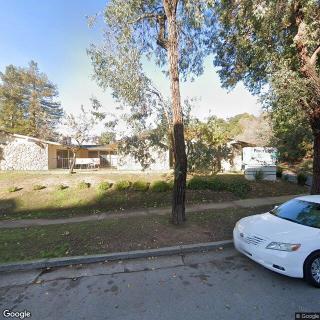
454 Las Gallinas Ave, Suite 103, San Rafael, CA 94903
To contact a resident: (415) 475-0303
For more information about senior living options: (866) 208-4318
Overall Review of 123 Home Care
Pros
 The company excels with marketing and sales.
- The uncle is happy with the care and caregivers from the new company.
- Hope for Seniors has been a gift from God in their lives.
- The mom’s caregiver has been with the family for two years.
- She is compassionate, capable, and patient, and works with them for whatever they need.
- The wonderful family business is highly recommended.
- They are extremely caring and responsive, and have been a blessing to the family during a hard time.
- They are affordable and very easy to work with.
Cons
 The quality of care does not match the sales pitch.
- The uncle was very unhappy with the care he received.
Review
123 Home Care in San Rafael is best suited for families that prize a small, family-run feel, personal accessibility, and affordability over a highly standardized, clinician-led model. The strongest fit emerges for households that want straightforward coordination, direct access to a caring, approachable team, and the ability to shape schedules and services without rigid corporate layers. For families with tighter budgets or a preference for a warm, neighborhood-provider vibe, this option can feel like the right balance of heart and practicality. It is not, however, the pick for those who must count on consistently uniform clinical oversight or highly specialized care across the board.
The flip side is clear: not every family will find the care quality aligns with marketing or sales pitches. One account in the set notes that strong marketing and sales prowess did not translate into equivalent levels of care, leaving an elder family member dissatisfied and ultimately switching to a different agency. That experience should serve as a caution for consumers who anchor decision-making on first impressions or promises rather than verifiable day-to-day performance. The implication is that, while the business may present a compelling front, the lived experience of care can diverge noticeably.
Nonetheless, the positive threads in these reviews cannot be ignored. Several accounts describe a small, family-operated operation as easy to work with and financially accessible, underscoring a model where caregivers become familiar faces and service can bend to a family’s needs. When a caregiver remains with a client for an extended period and shows compassion, capability, and patience, the value becomes tangible: consistent presence, better communication, and a cooperative approach that can relieve families during stressful times. The best outcomes in this setting often flow from that continuity, flexibility, and the sense that a local, family-driven team genuinely cares about the people they serve.
Those positives, however, must be weighed against the cautionary example. The case where a loved one switches agencies after dissatisfaction with care highlights a fundamental risk: a favorable sales presentation does not guarantee reliable, high-quality everyday care. For families considering 123 Home Care, the takeaway is to demand concrete safeguards, clear care plans, documented supervision, and measurable quality indicators, before committing. Without these, the risk is that what’s promised in marketing may not consistently translate into the daily routines that matter most to elderly residents.
From a practical standpoint, the right due diligence can tilt the balance toward a favorable outcome. Prospective clients should request detailed caregiver rosters, turnover rates, and supervision structures; insist on written care plans that specify tasks, frequencies, and escalation procedures; and seek references from current or past clients who faced similar needs. It is wise to verify how quickly the agency responds to crises, how often a supervisor checks in, and what contingencies exist if a caregiver falls ill or is unavailable. A trial period with weekly check-ins can reveal whether the agency’s operational heartbeat aligns with family expectations and the elder’s comfort.
In the end, the decision hinges on fit. For families prioritizing a warm, affordable, hands-on approach and comfortable with a potentially variable care quality that benefits from strong caregiver relationships, 123 Home Care can be a strong contender. For those whose priority is unwavering clinical oversight, consistent caregiver assignment, and proven outcomes in complex conditions (like advanced memory care), alternatives with larger teams and explicit clinical governance may be a wiser path. The sober, practical conclusion is to weigh personal expectations against demonstrated care performance, demand transparency, and triangulate the choice with solid references before making a commitment.








 Comprehensive Look at Senior Blood Pressure Charts: Normal and Elevated Levels by Age
 Top Canine Companions for Older Adults
 Comprehensive Guide to Blood Pressure Charts for Older Adults: Understanding Normal and High Readings by Age