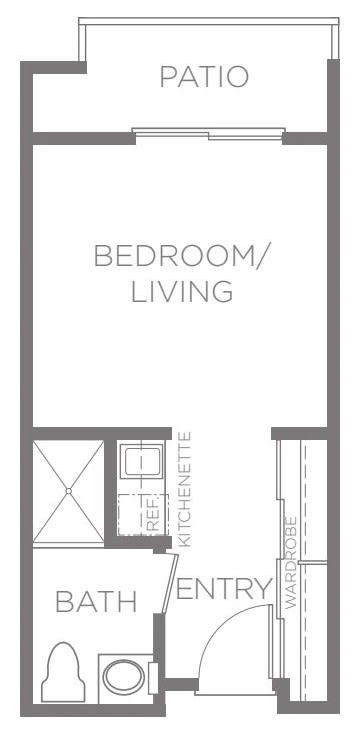
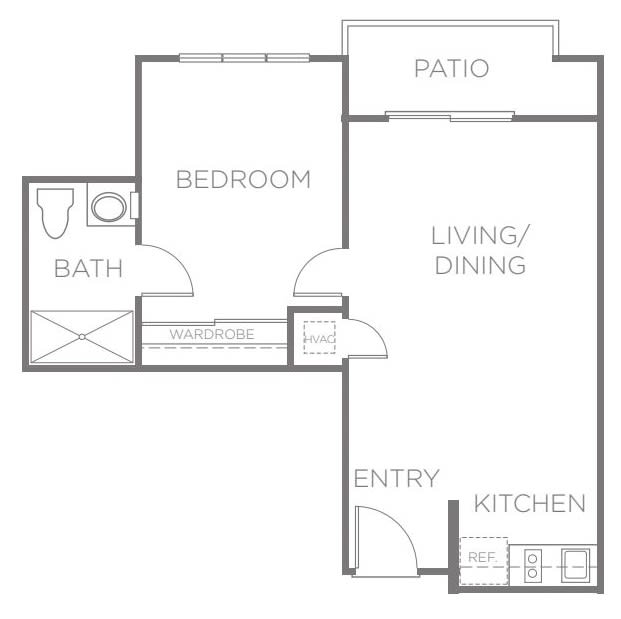
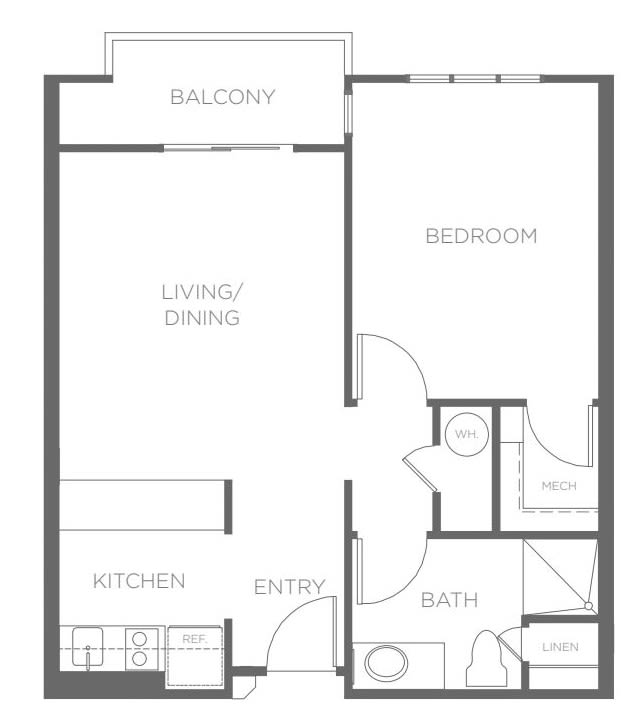
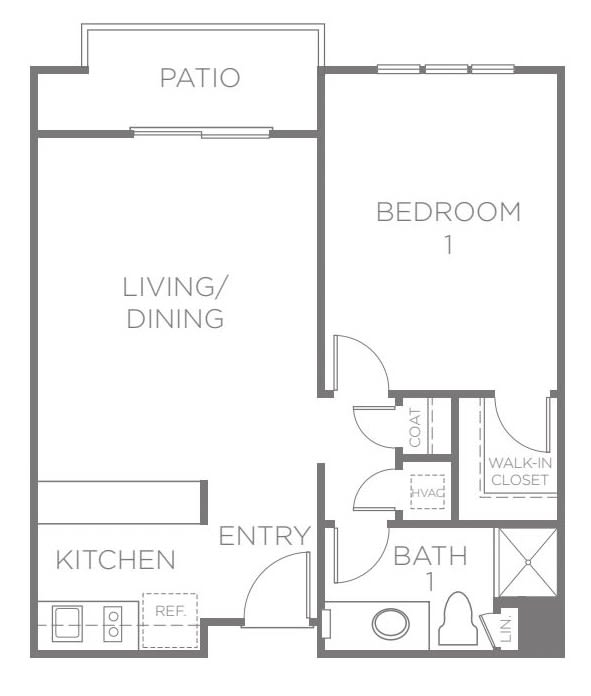
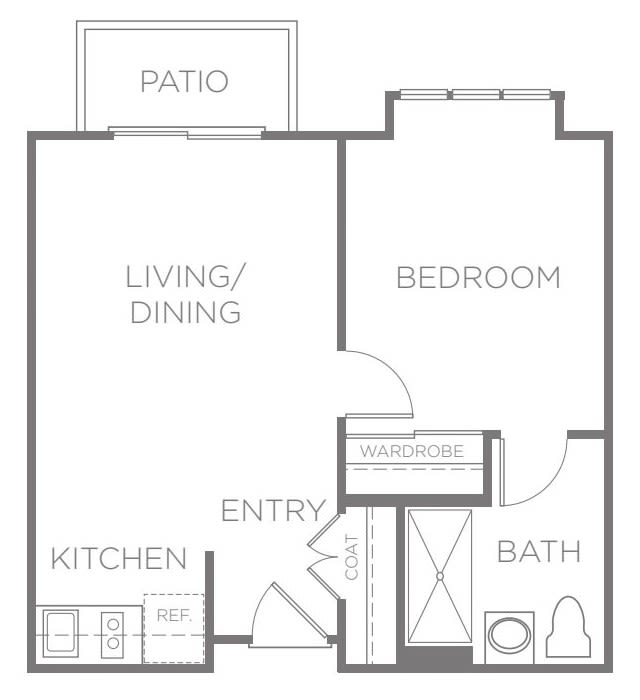
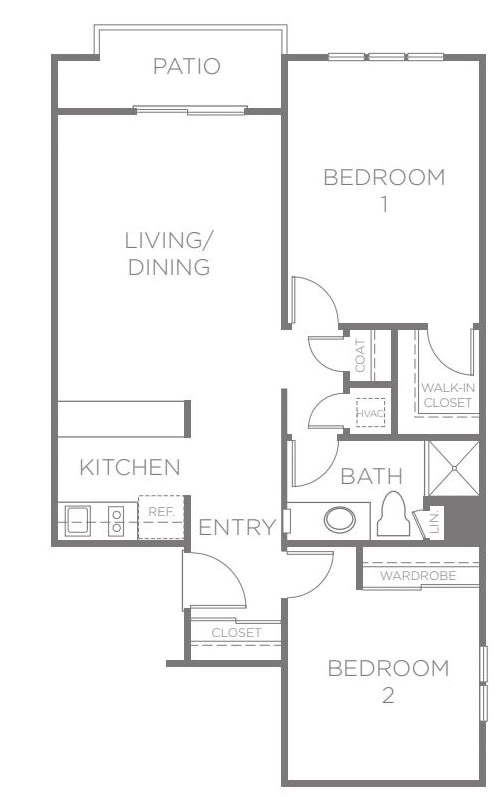
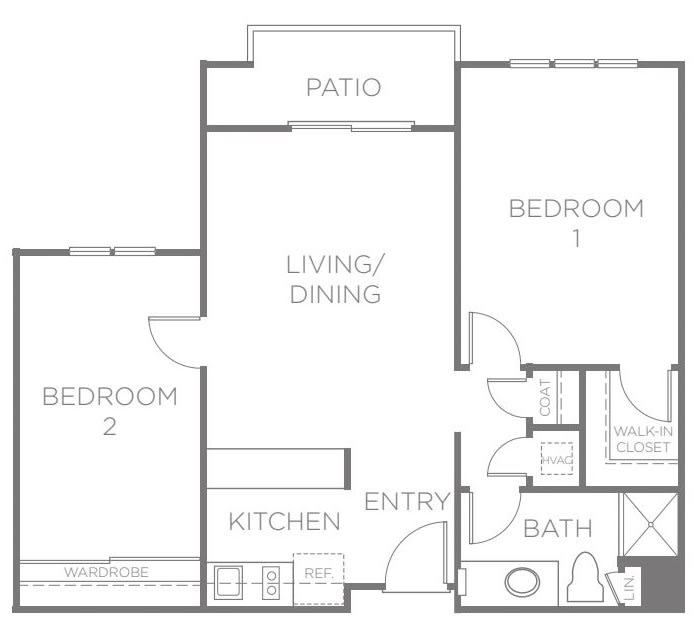
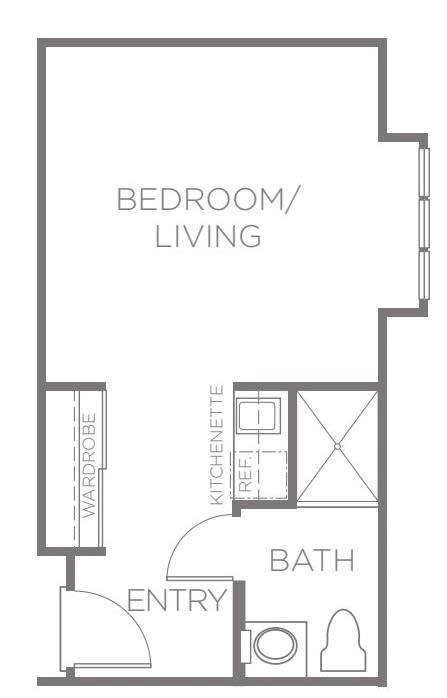
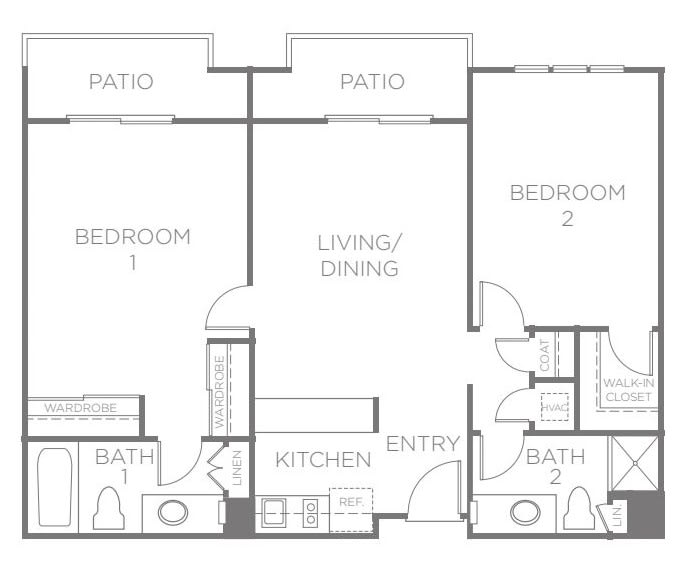
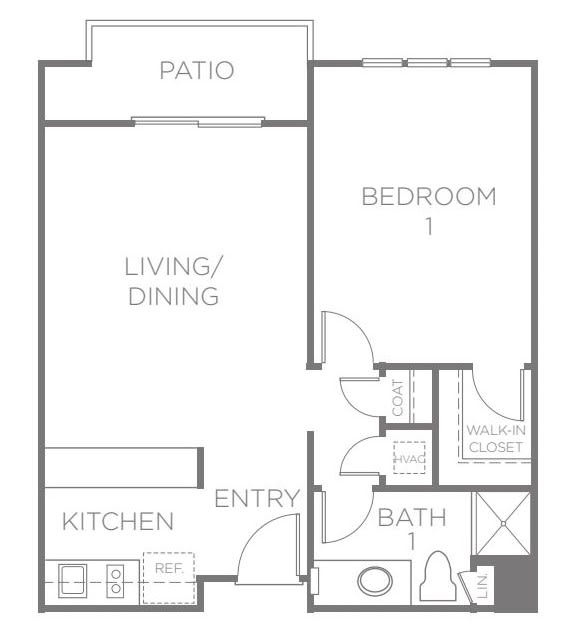
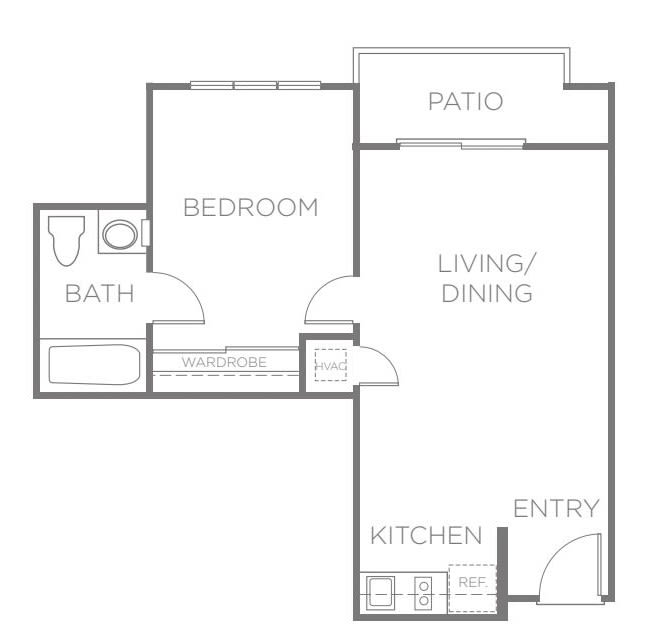
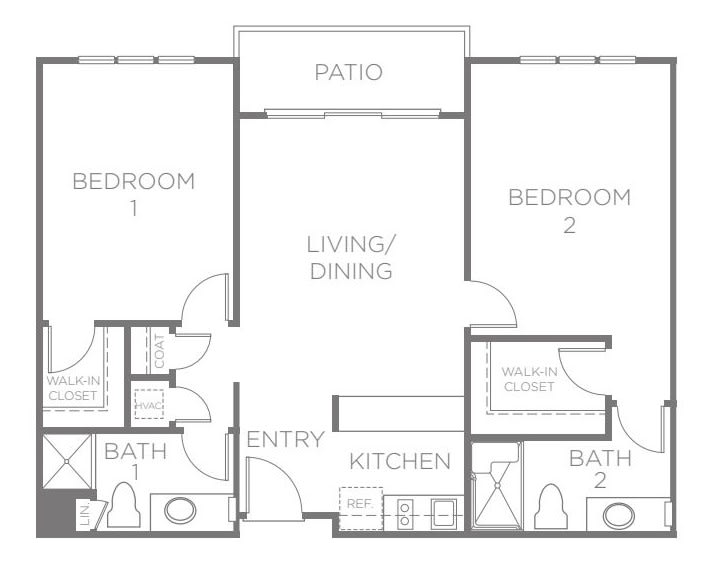
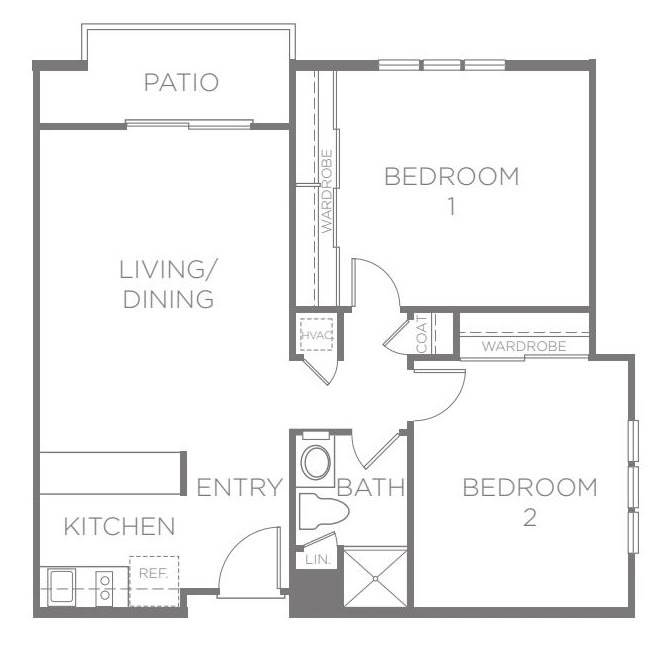
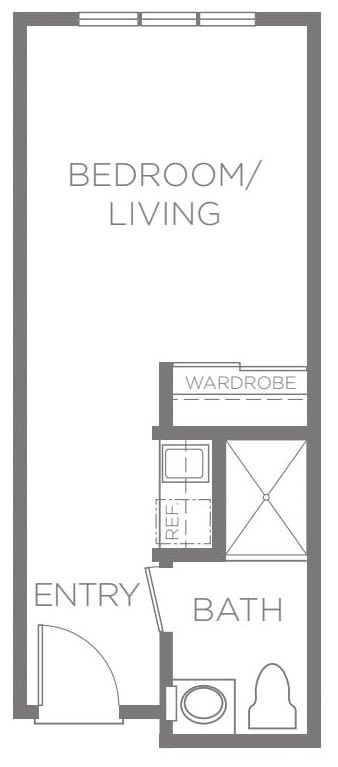
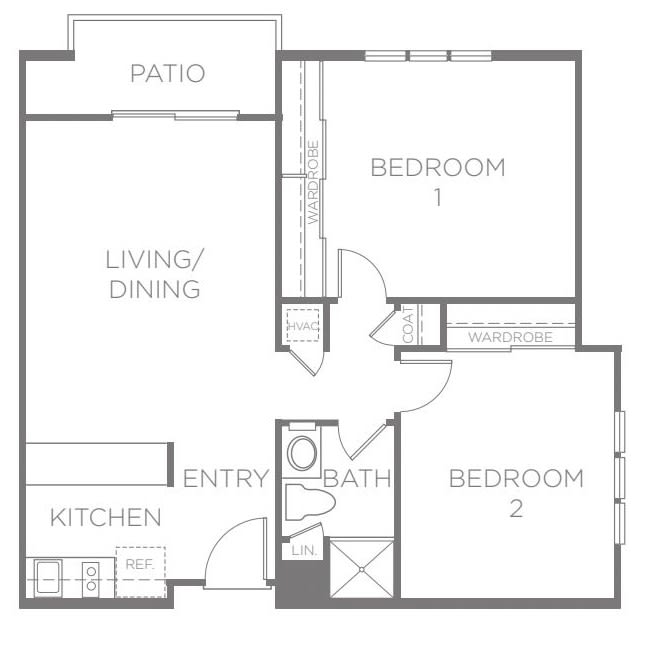
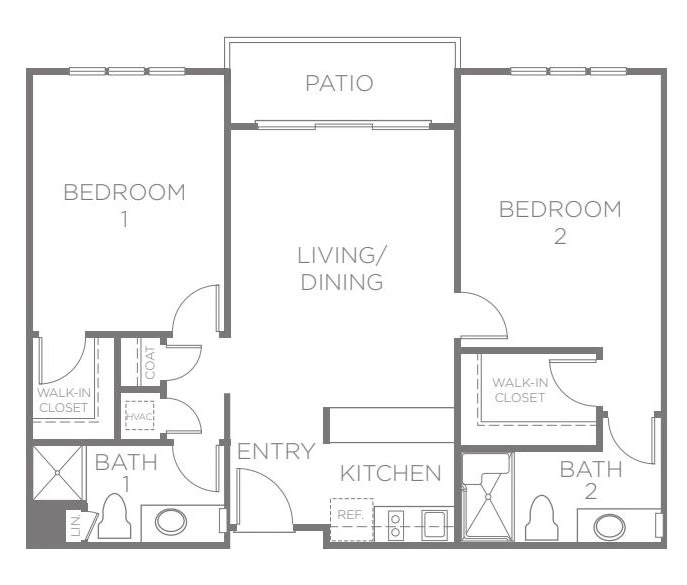
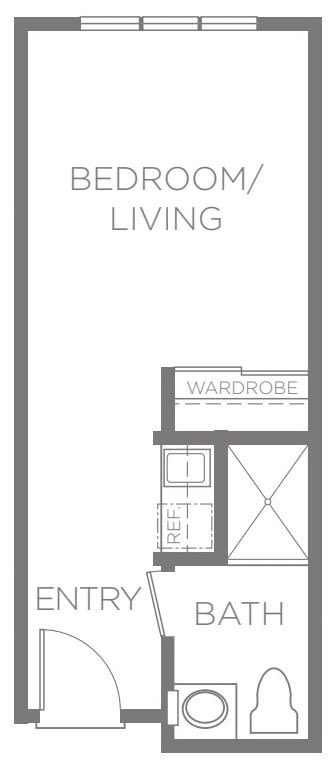
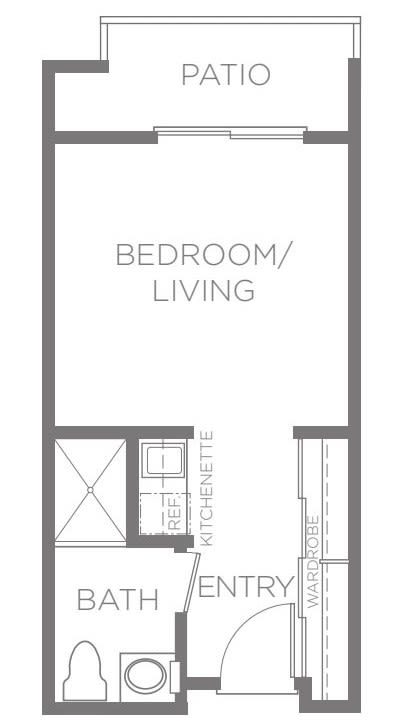
Drake Terrace offers a range of housing options that reflect the local real estate market, with monthly costs for its units slightly varying compared to Marin County and the broader California area. For instance, a studio at Drake Terrace is priced at $4,900, which is competitively positioned just above the Marin County average of $4,864 but notably higher than the state average of $4,145. The one-bedroom apartments are offered at $5,800, presenting a more attractive option compared to Marin County's higher rate of $6,318 while remaining above California's average of $4,340. In terms of two-bedroom accommodations, Drake Terrace lists its price at $7,200 - again more favorable than Marin County's steep cost of $8,589 and significantly above California's average of $5,270. Overall, Drake Terrace positions itself as a viable choice in the spectrum of housing costs within both the county and state.
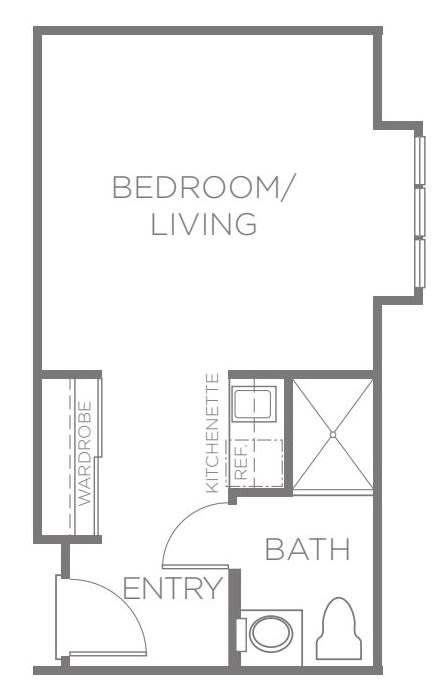
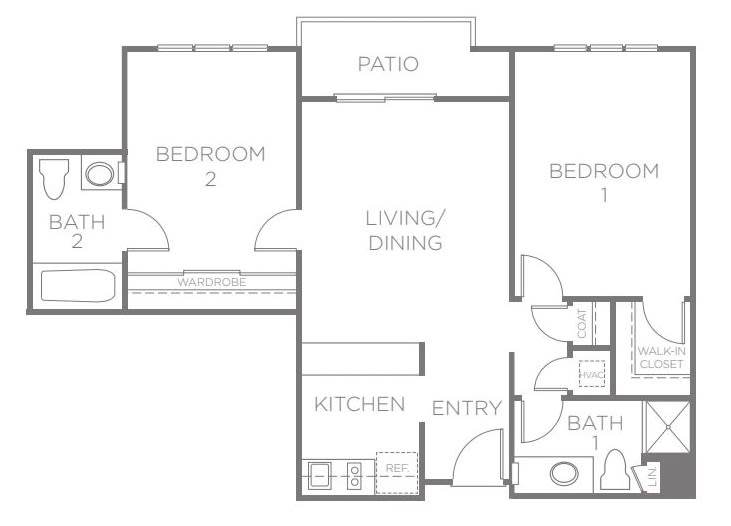
Floor plans
Drake Terrace
Marin County
California
Studio
$4,900
$4,864
$4,145
1 Bedroom
$5,800
$6,318
$4,340
2 Bedrooms
$7,200
$8,589
$5,270
Memory care communities with a similar price nearby
Residents and families describe staff who are consistently caring and responsive.
Across many reviews, people highlight the friendliness and professionalism of caregivers, med techs, and front-desk staff. Families also mention communication and attentiveness to concerns, including when help is needed right away. Multiple reviews add that the facility culture feels warm and respectful toward residents.
differentiator7 reviews mention this
Memory care gets specialized attention
Memory care reviews describe staff who stay patient with changing needs.
Several reviewers mention the memory care setting specifically, including caregivers being patient and skilled and staff seeming aware of what a new resident may need. Others note supportive care through dementia-related challenges, including coordination around emergency and ongoing situations. The community also provides memory-care focused programming and dementia-related support services as part of its care offerings.
common11 reviews mention this
Dining is consistently praised
Food quality and meal choice come up often in reviews.
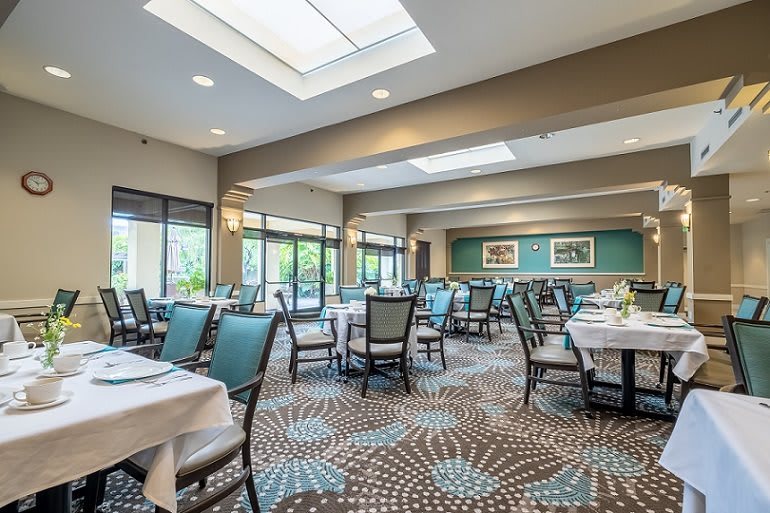
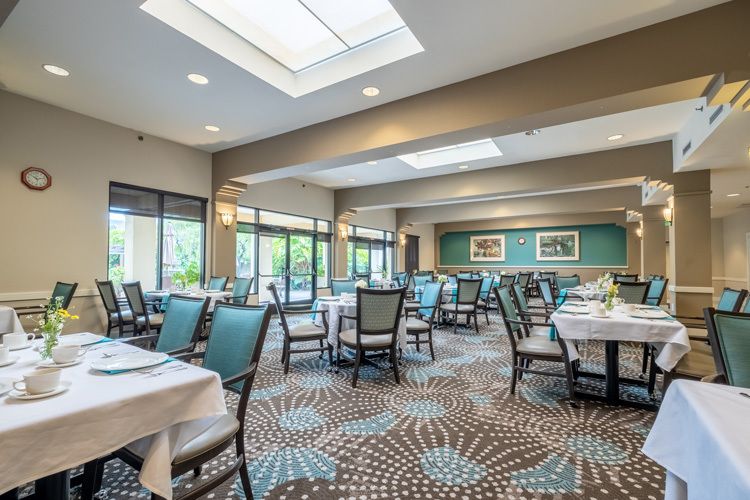
Reviews frequently describe the meals as delicious, good, or flavorful, and several call out variety at each meal. People also mention the dining room having generous hours and alternatives, along with the ability to order from a menu. The community offers restaurant-style dining along with guest meals and options for multiple diets.
common13 reviews mention this
Activities and outings fill the days
Residents have a packed schedule of activities and outings.
Many reviews point to frequent events, exercise classes, entertainment, and game nights, plus day trips and community outings. Several people mention a full daily activities calendar with ongoing options, including excursions and special programming. The community also runs planned day trips, fitness programs, and resident-run and scheduled daily activities.
common3 reviews mention this
Convenient location for visitors
Reviews often mention shopping, theaters, and easy access nearby.
Some reviewers were drawn to the location because it is in a residential area with shopping and theaters close by. Others add that it can be convenient for visits, including access to destinations around town. Nearby options include a movie theater and several dining and pharmacy stops.
caveat2 reviews mention this
Severe dementia may need more
Some reviews warn that higher-support dementia care may not fit.
A couple of reviews describe care concerns for residents with severe dementia, including situations where help was seen as inadequate for outbursts or mobility needs. One review also flags a limitation related to lift options, saying they were not allowed even when needed for safe transfers and bathing. These accounts suggest families with higher care requirements should clarify expectations during intake.
caveat3 reviews mention this
Pricing feels high for some families
Several families say the community is expensive.
Some reviewers explicitly call the community expensive, while one notes value for the cost stood out as a positive. For pricing expectations, the listed range spans from $4,900 to $7,200 depending on unit type, with different comparisons to county and state averages by floorplan. This mix of comments suggests it may be a strong fit for some, but worth validating budget alignment for your specific unit and care needs.
How we summarize
Counts show how many written reviews mention each theme; a review can touch several themes, and only frequently mentioned themes are displayed.
Features
Housing
130 resident community capacity
1-bedroom apartments
2-bedroom apartments
Studio apartments
Types of Care
Assisted Living
Independent Living
Memory Care
Pets
Cats allowed
Dogs allowed
Amenities
Activities off-site
Activities on-site
Air-conditioning
Beautician on-site
Beauty salon
Cable or satellite TV
Computer center
Devotional services off-site
Dining room
Fitness room
Fully furnished
Gaming room
Garden
Ground floor units
Handicap accessible
Housekeeping services
Indoor common areas
Kitchenette
Move-in coordination
Outdoor common areas
Outdoor space
Private bathrooms
Respite or short term stays offered
Restaurant-style dining
Small library
Telephone
Wellness center
Wheelchair accessible showers
Wi-Fi/high-speed internet available
Transportation
Community operated transportation
Transportation arrangement
Transportation arrangement (non-medical)
Transportation to doctors appointments
Care Services
12-16 hour nursing
24-hour call system
24-hour supervision
Activities of daily living assistance
Ambulatory care
Assistance with bathing
Assistance with dressing
Assistance with transfers
Coordination with health care providers
Dementia waiver
Diabetes diet
Hospice waiver
Incontinence care
Meal preparation and service
Medication management
Mental wellness program
Mild cognitive impairment
Special dietary restrictions
Specialized memory care programming
Transportation arrangement (medical)
Transportation to doctors appointments
Dining
Anytime dining
Diabetes diet
Gluten-free
Guest meals
International cuisine
Low / no sodium
Meals provided
No Sugar
Professional chef
Restaurant style dining
Room service
Special dietary restrictions
Special dining programs
Vegan
Vegetarian
Activities
Art classes
Catholic services
Community-sponsored activities
Concierge services
Cooking classes
Day trips and outings
Devotional activities offsite
Fitness programs
Happy hour
Jewish services
Karaoke
Live musical performances
Live well programs
Planned day trips
Resident-run activities
Scheduled daily activities
Stretching classes
Visiting Rabbi
Visiting chaplain or priest
Wine tasting
Videos
Nearby Places of Interest
This part of San Rafael, California offers a convenient and diverse range of amenities for seniors considering the area for living. With several theaters, restaurants, cafes, pharmacies, and physicians within close proximity, residents have easy access to entertainment, dining options, healthcare services, and medication needs. In addition, there are nearby parks for outdoor recreational activities and places of worship for spiritual fulfillment. The area is also well-connected with transportation options such as the Smart Train Station Hamilton for those who may require easy access to public transit. Furthermore, hospitals like Marin General Hospital and Novato Community Hospital are located within a reasonable distance for any medical emergencies or ongoing healthcare needs. Overall, this neighborhood provides a well-rounded environment that can cater to the various needs and interests of seniors looking to settle in the area.
Theaters
Century Theaters (0.2 miles)
Century Larkspur (4 miles)
Physicians
Dr. Helen Paek, provider of Eyexam Of CA (0.3 miles)
Eye Institute of Marin (0.4 miles)
Rita A. Vileisis, MD (0.4 miles)
San Francisco Audiology (0.5 miles)
Edwin Munich, MD (0.6 miles)
One Medical (0.6 miles)
Gayre, Gregg Kaiser Permanente San Rafael Park Medical Offices (1.5 miles)
Pharmacies
CVS Pharmacy (0.4 miles)
Rite Aid (0.4 miles)
Walgreens (0.6 miles)
CVS Pharmacy (1.8 miles)
Walgreens (1.8 miles)
Walgreens (2.1 miles)
Rite Aid (2.4 miles)
Restaurants
BJ's Restaurant & Brewhouse (0.4 miles)
Miracle Mile Cafe (1.6 miles)
Pond Farm Brewing Company (1.8 miles)
Insalata's Restaurant (2.1 miles)
Sol Food Puerto Rican Cuisine (2.2 miles)
Mas Masa (2.7 miles)
Gestalt Haus (2.7 miles)
Places of Worship
Valley Baptist Church (0.6 miles)
Parks
Lagoon Park (0.7 miles)
Sun Valley Park (1.2 miles)
China Camp State Park (2.7 miles)
Peri Park (2.8 miles)
Doc Edgar Park (3 miles)
Victor Jones Park (3.3 miles)
Lucas Valley Park (3.9 miles)
Cafes
Red Whale Coffee (1.4 miles)
M.H.Bread and Butter (2.3 miles)
Starbucks (2.5 miles)
Fairfax Coffee Roastery (2.7 miles)
Split Rock Tap & Wheel (2.7 miles)
Rustic Bakery (4.1 miles)
Equator Coffees & Teas (4.6 miles)
Hospitals
Tamalpais Shambhala Meditation Group (2.1 miles)
Caremeridian (2.9 miles)
Marin General Hospital (3.6 miles)
Novato Community Hospital (6.9 miles)
Chaplain's Office: Novato Community Hospital: Sutter Health Affiliate (7 miles)
Drake Terrace offers a range of housing options that reflect the local real estate market, with monthly costs for its units slightly varying compared to Marin County and the broader California area. For instance, a studio at Drake Terrace is priced at $4,900, which is competitively positioned just above the Marin County average of $4,864 but notably higher than the state average of $4,145. The one-bedroom apartments are offered at $5,800, presenting a more attractive option compared to Marin County's higher rate of $6,318 while remaining above California's average of $4,340. In terms of two-bedroom accommodations, Drake Terrace lists its price at $7,200 - again more favorable than Marin County's steep cost of $8,589 and significantly above California's average of $5,270. Overall, Drake Terrace positions itself as a viable choice in the spectrum of housing costs within both the county and state.
Drake Terrace's comprehensive features are specifically designed to enhance the well-being and quality of life for residents with dementia or Alzheimer's disease. The 24-hour supervision ensures a safe environment where residents receive constant monitoring, reducing anxiety and the risk of wandering. Assistance with activities of daily living, including bathing and dressing, fosters dignity while supporting individual needs. Coordination with healthcare providers guarantees that medical concerns are addressed promptly, and medication management helps prevent complications from missed doses. Incontinence care and meal preparation services cater to essential health requirements, while specialized memory care programming focuses on stimulating cognitive function. Additionally, the mental wellness program supports emotional health, and transportation arrangements for medical appointments ensure continuity of care for residents experiencing mild cognitive impairment or more advanced stages of dementia. Collectively, these features create a nurturing atmosphere conducive to maintaining independence while providing necessary support tailored to each resident's unique circumstances.
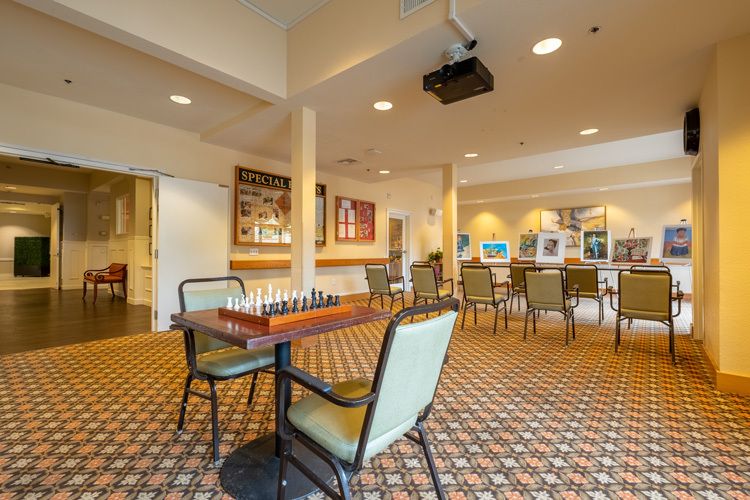
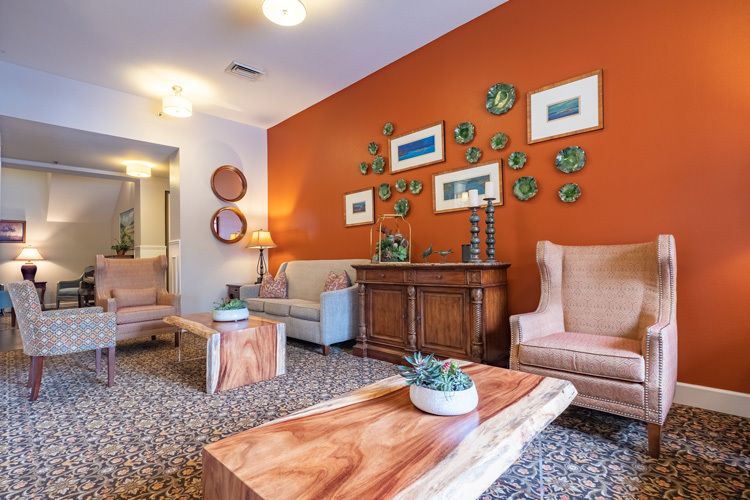
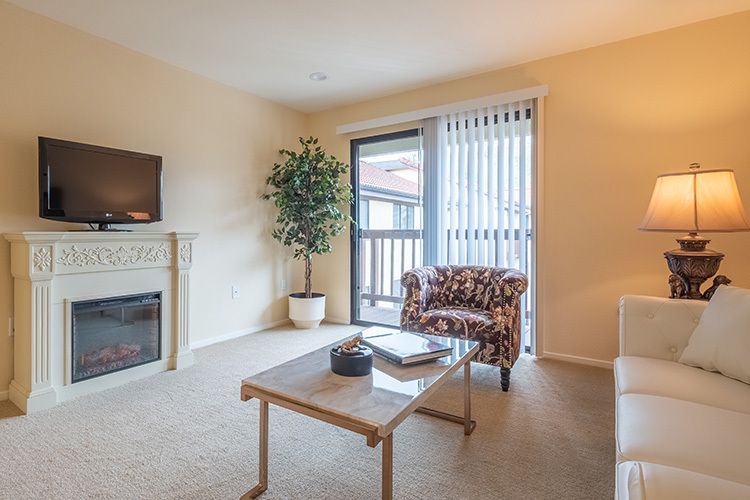
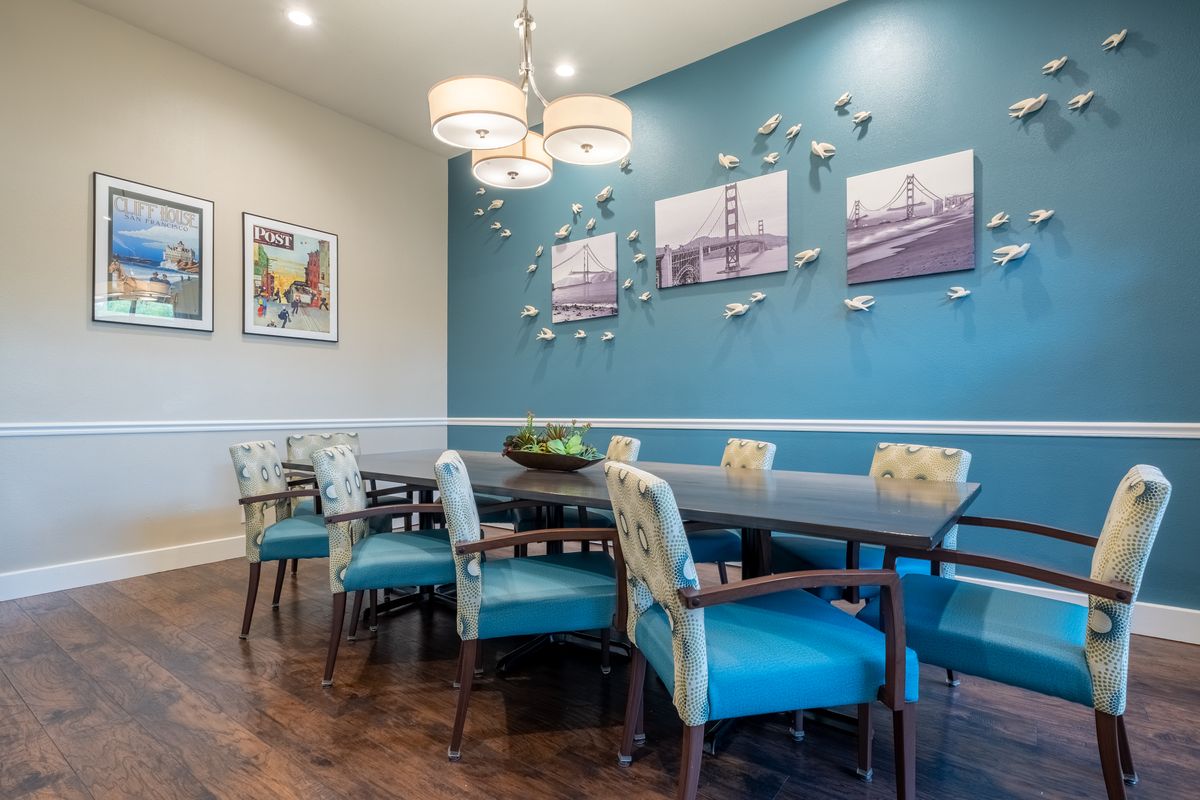
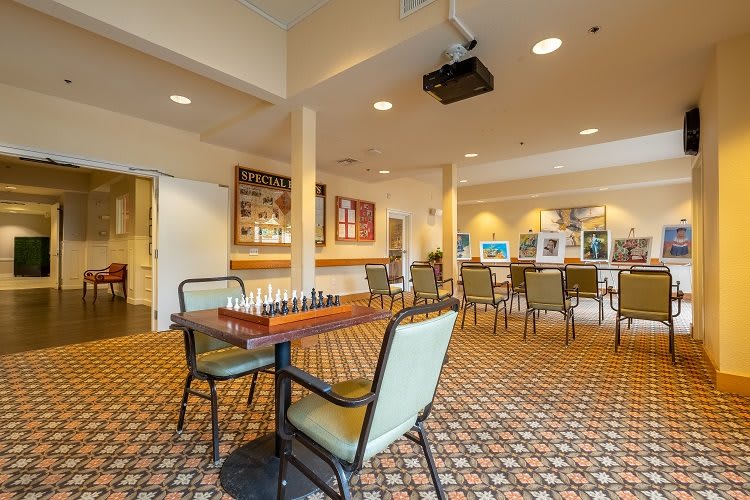
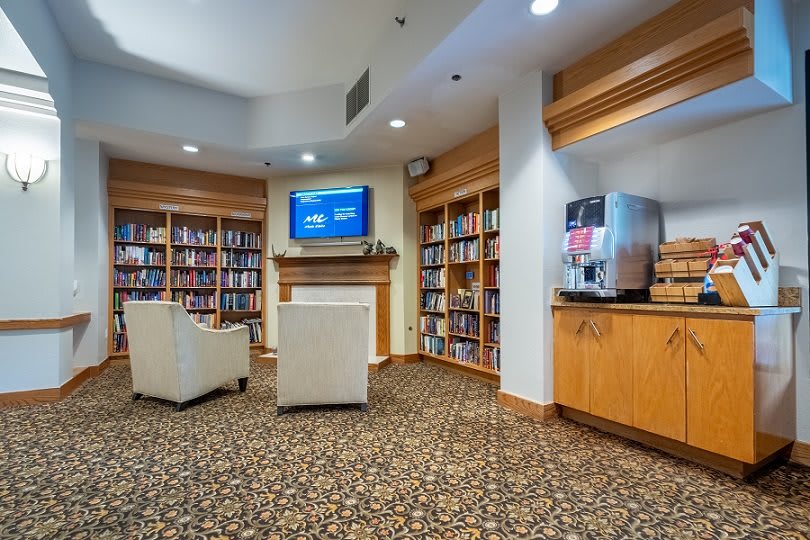
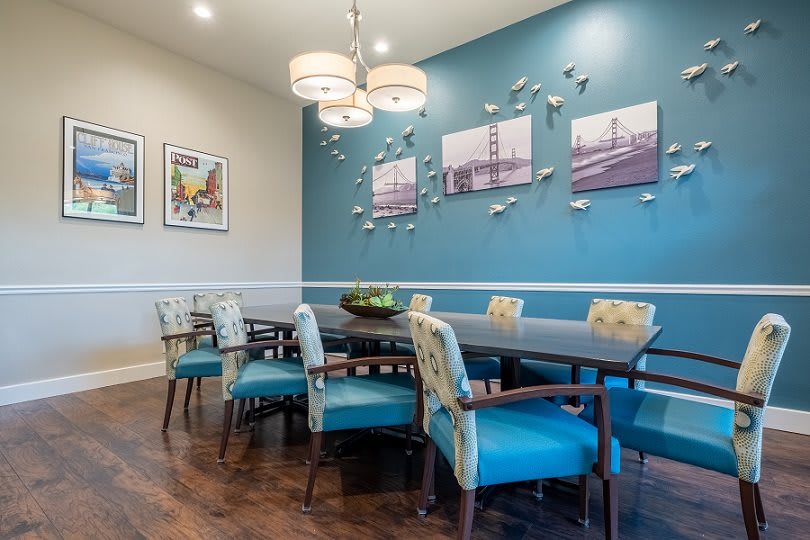
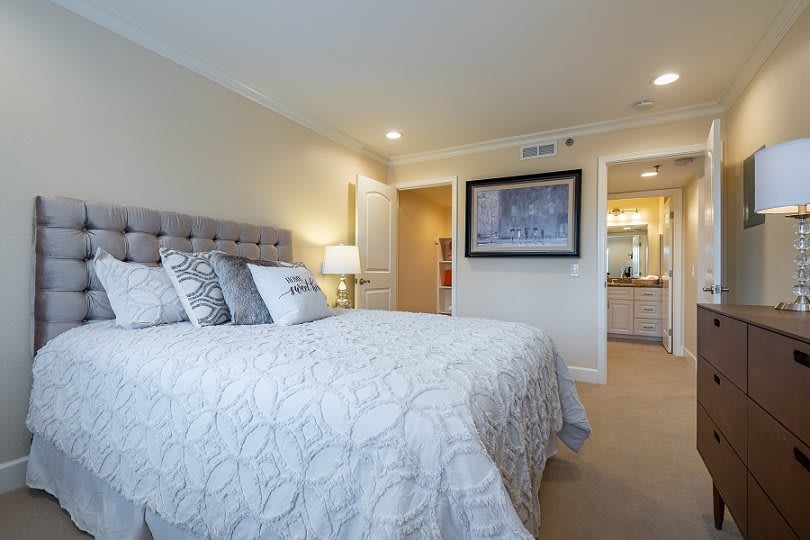
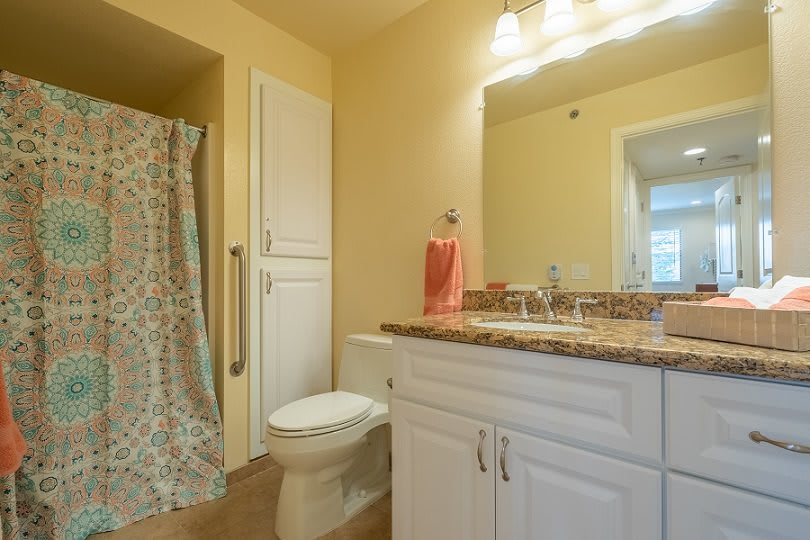
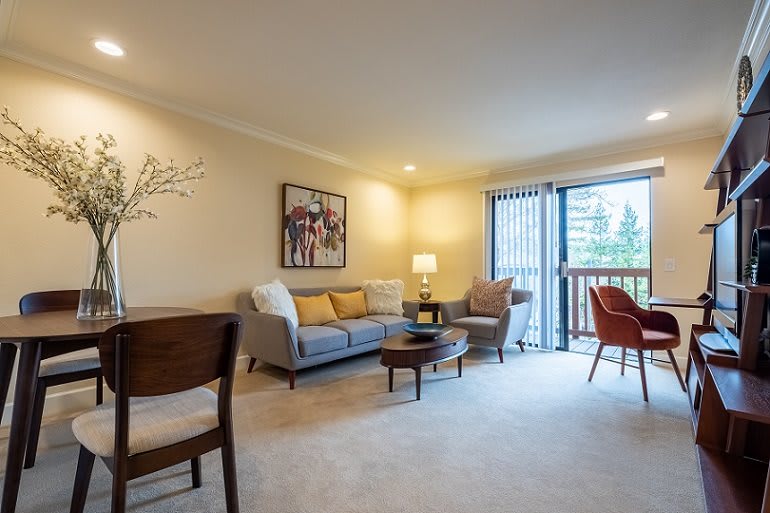
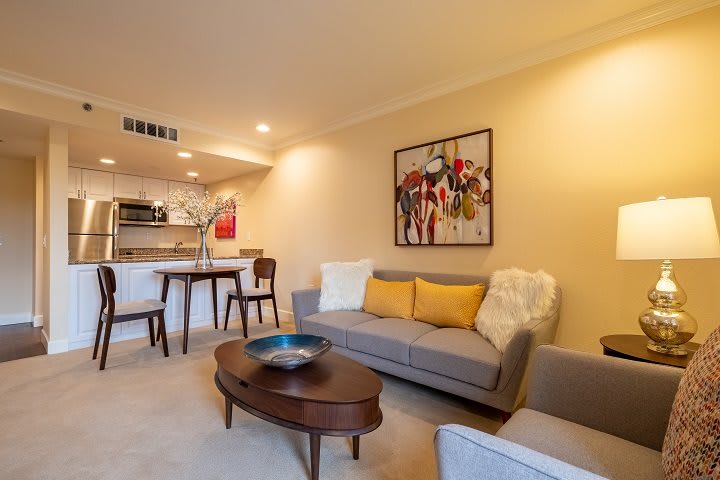
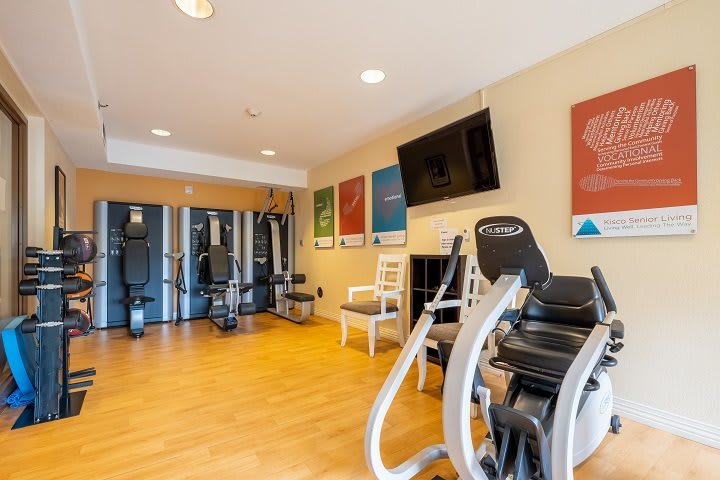
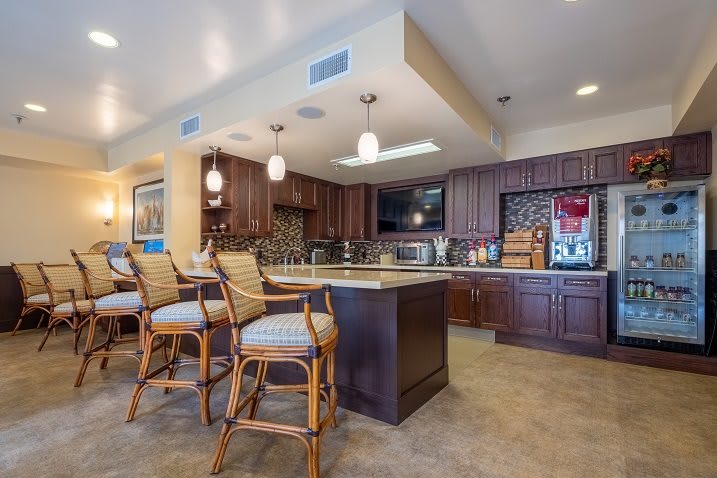
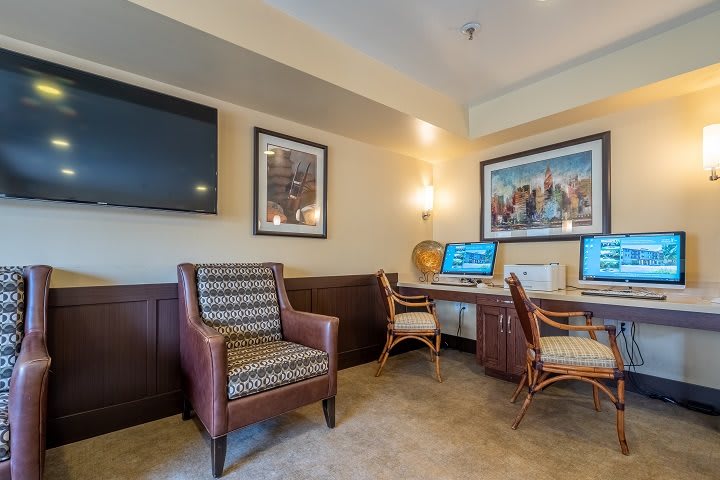
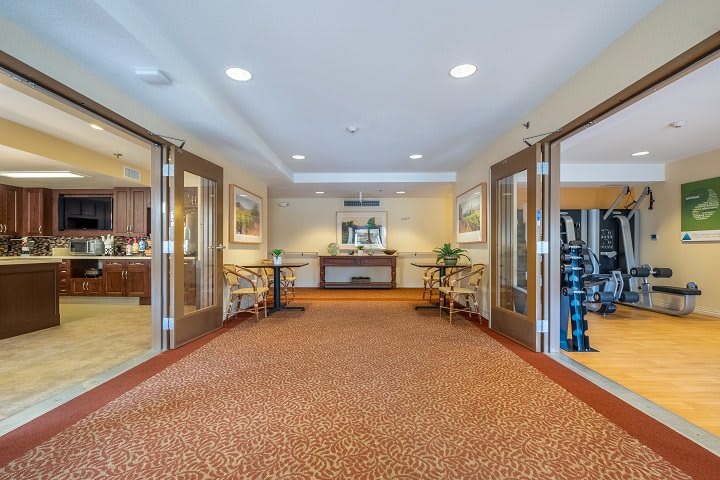
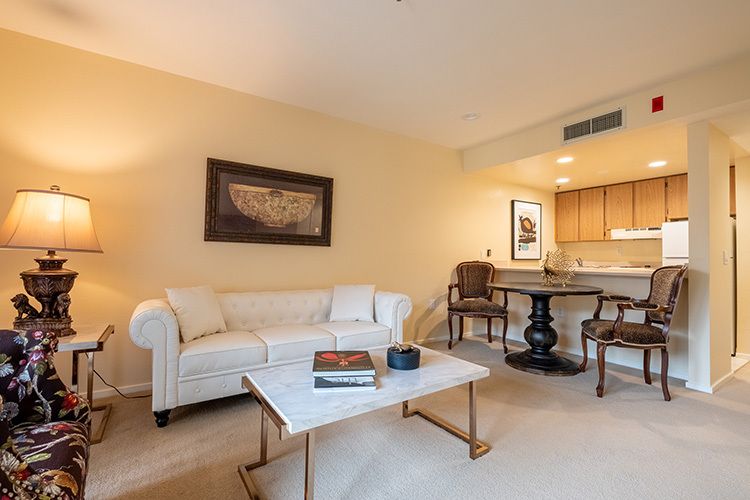
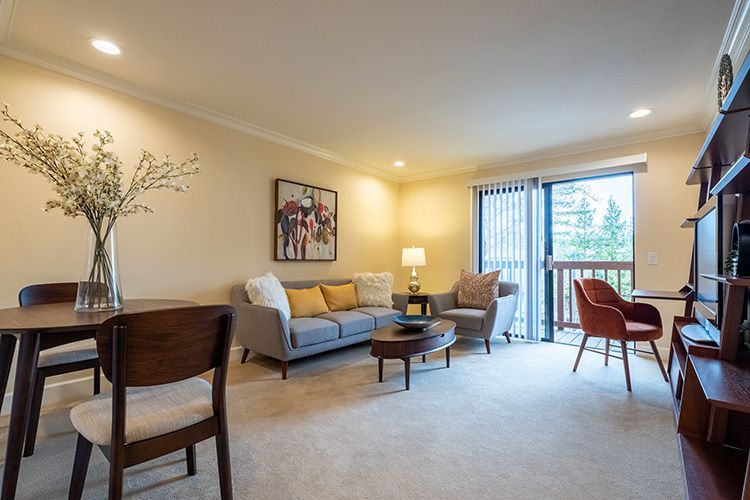
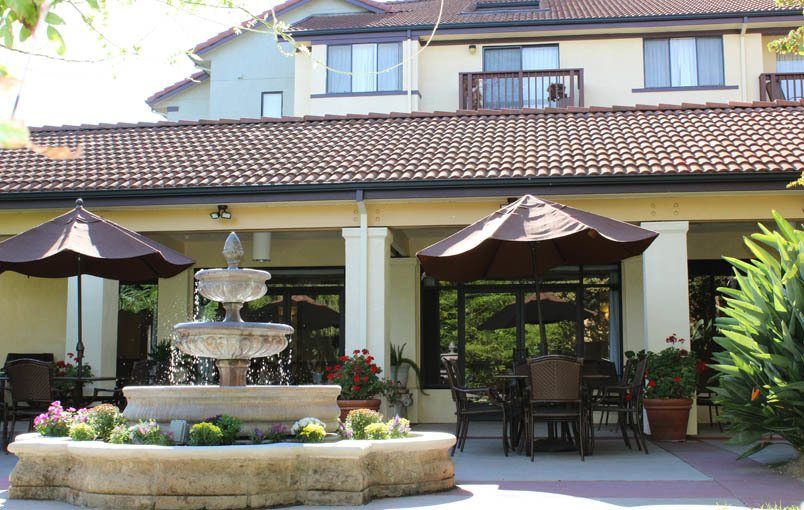
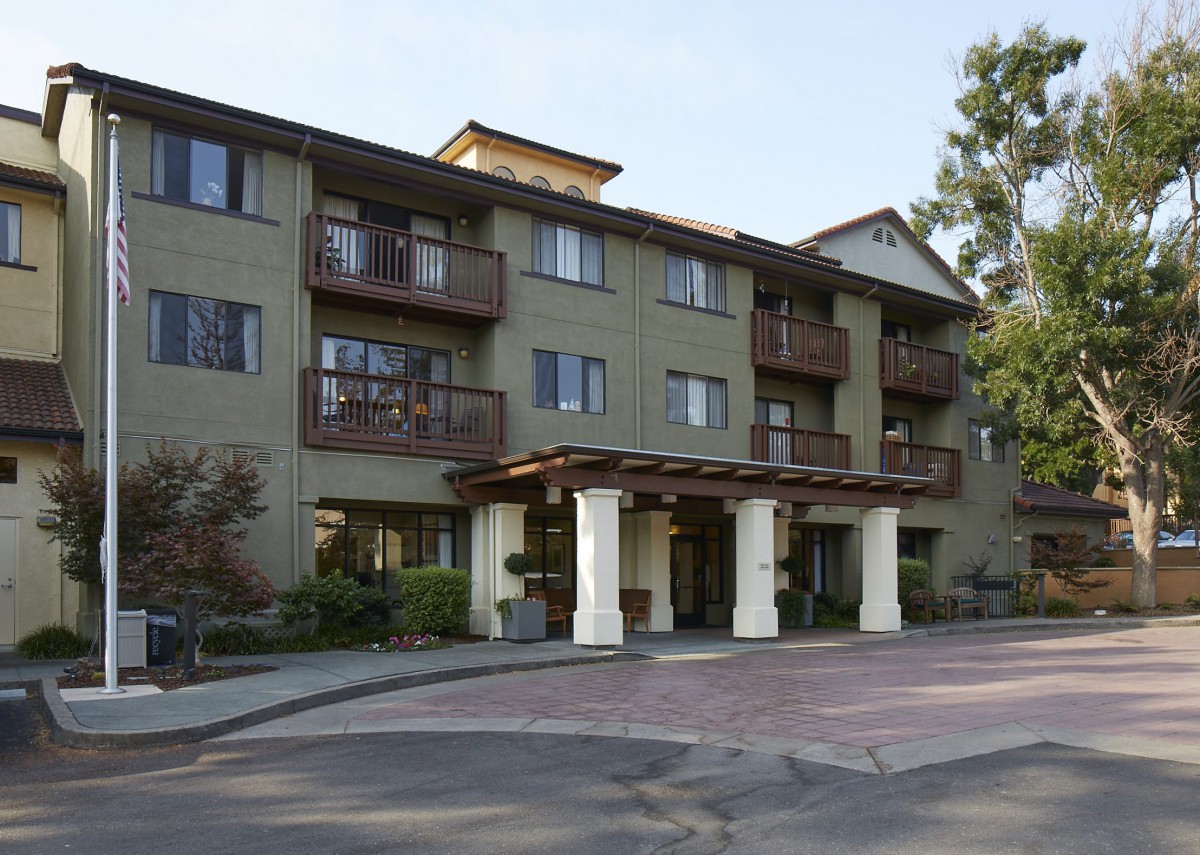
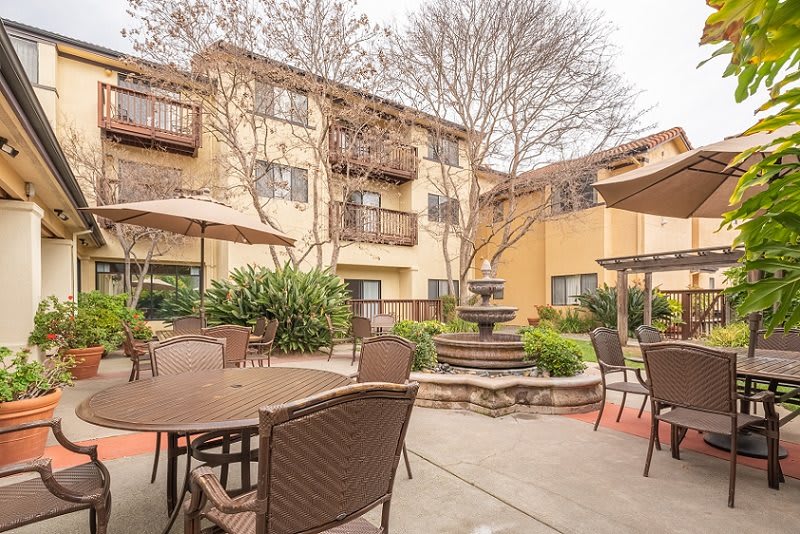
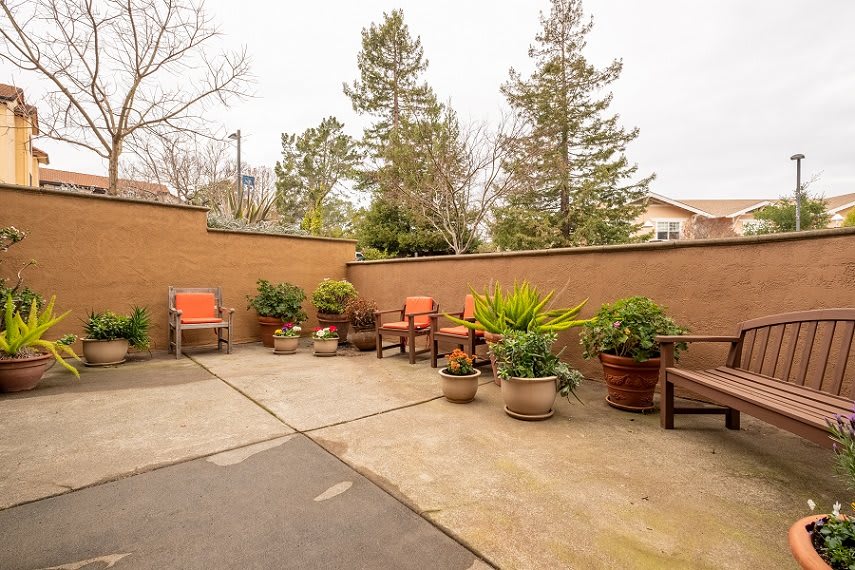
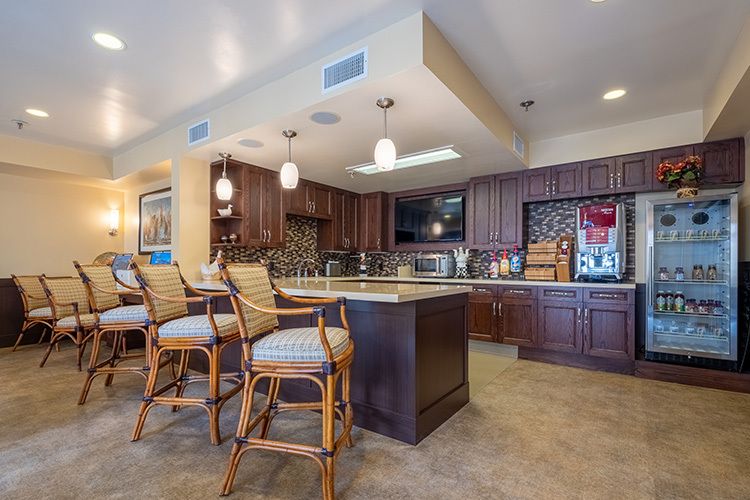
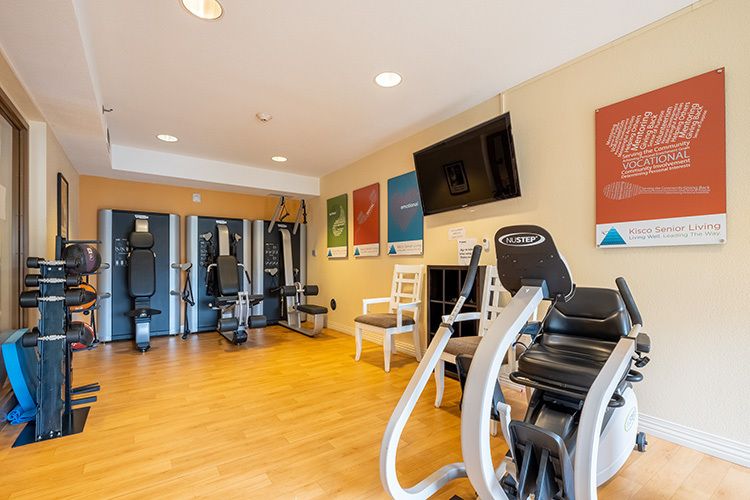
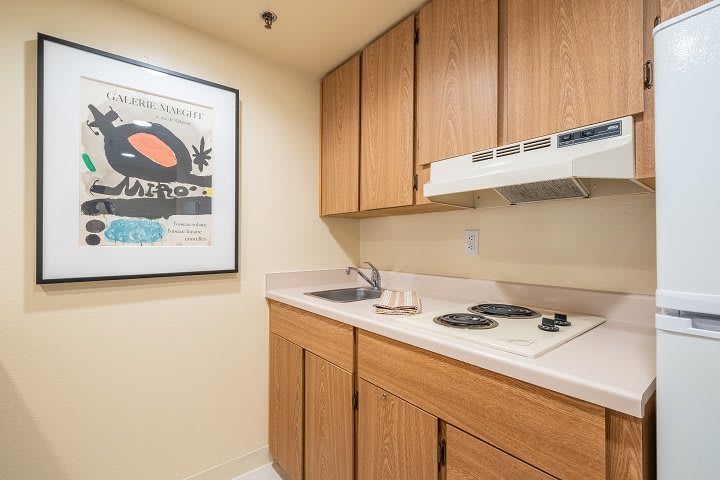
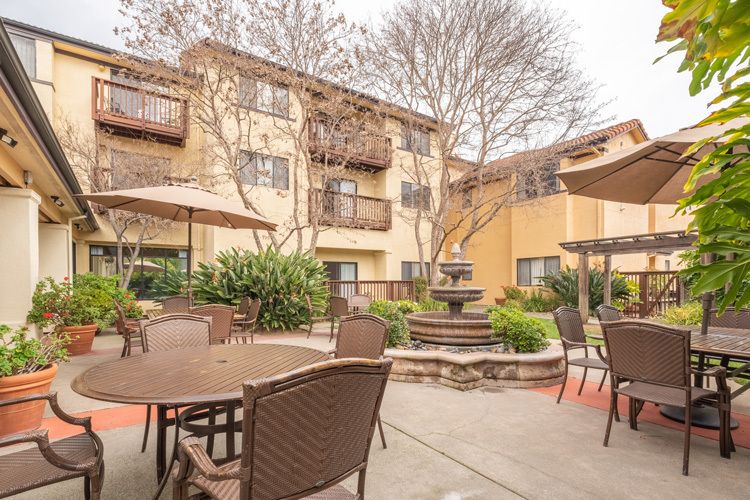
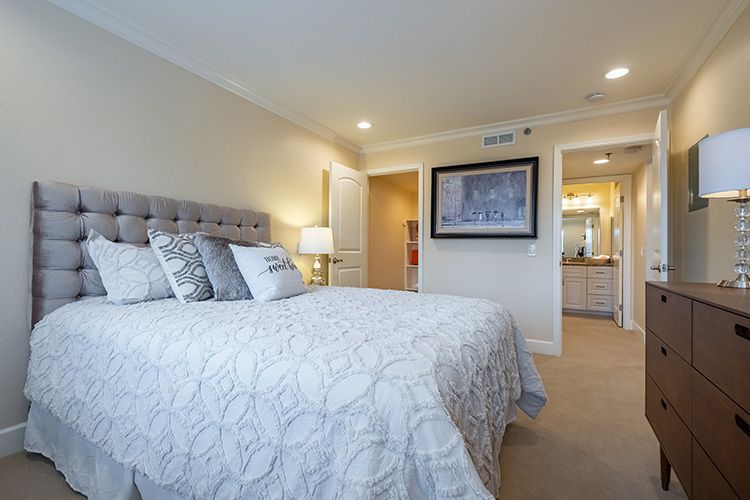
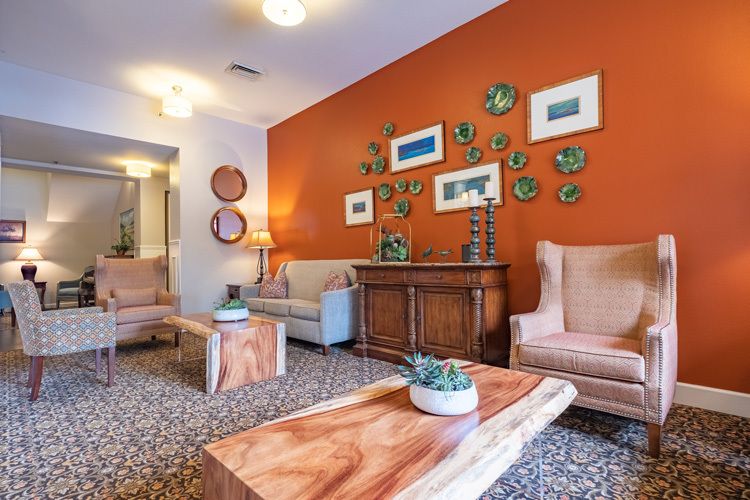
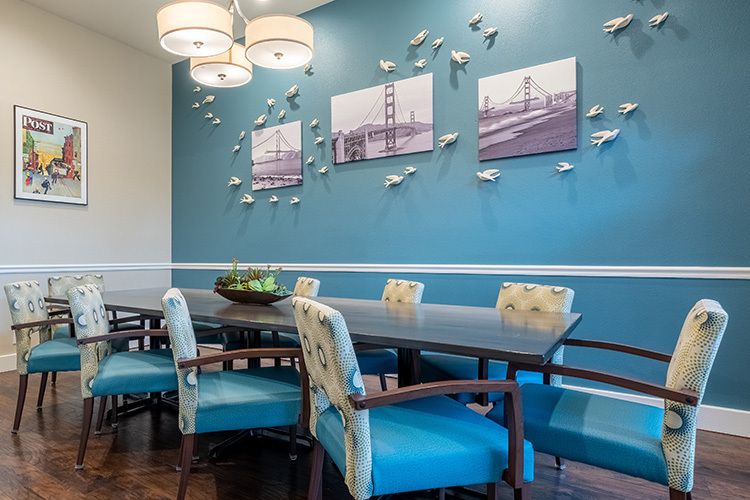
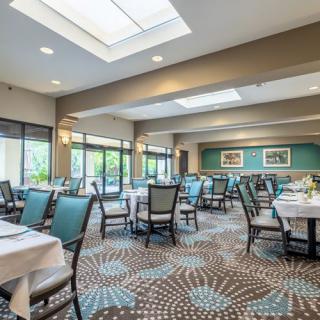
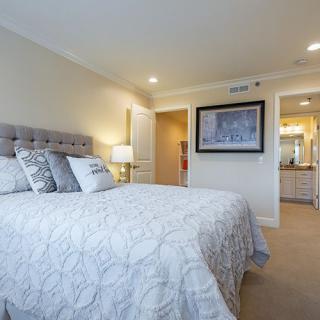
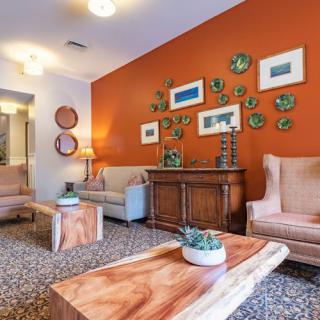
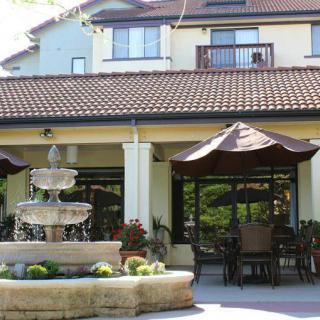
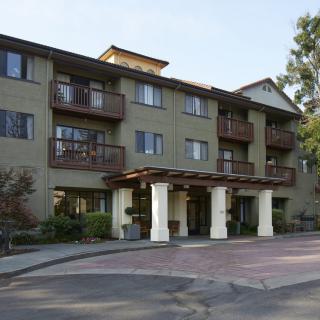
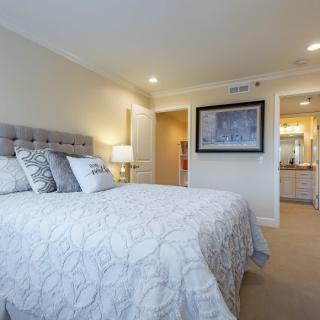
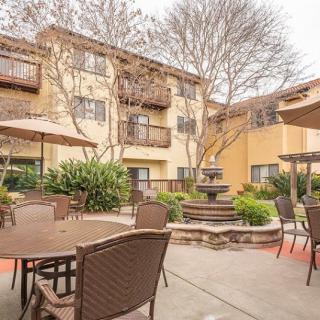
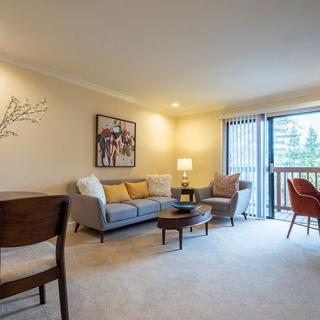
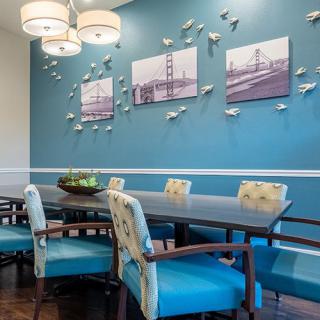
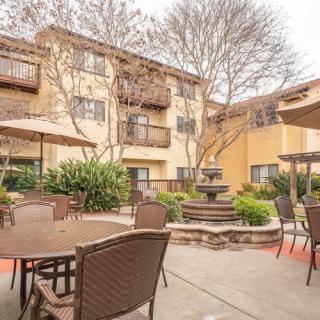
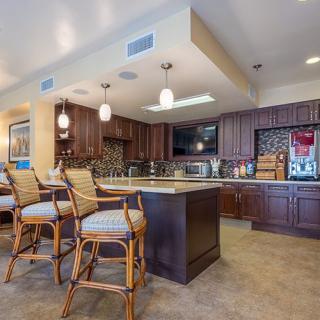
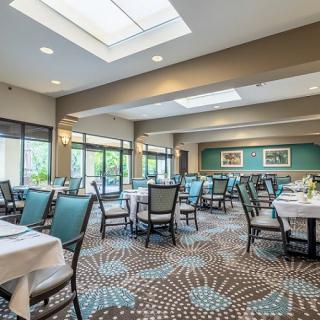
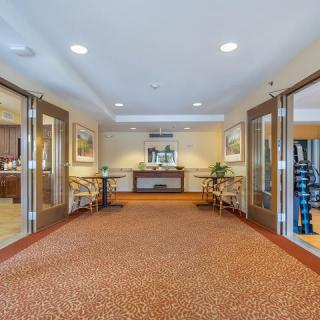
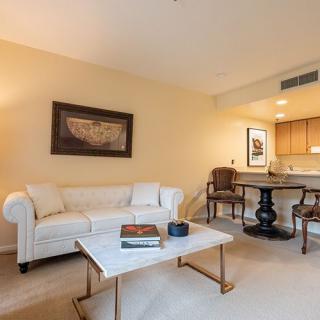
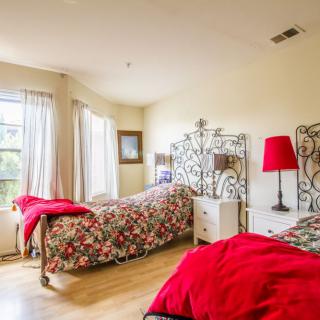
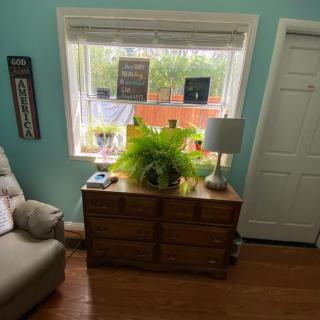
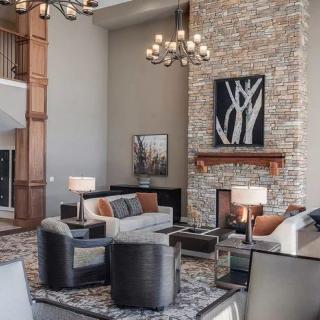
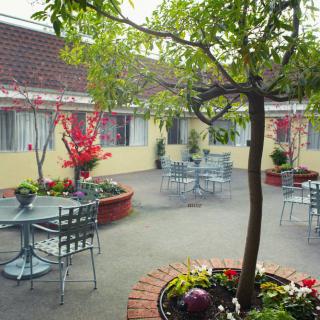
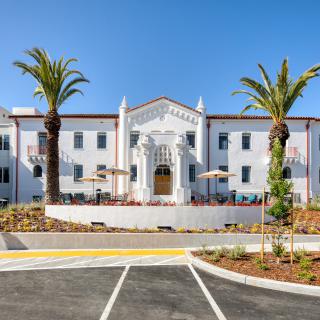
Drake Terrace on seniors.fyi includes 54 photos including images showing floor plan, interior, living room, bedroom, dining, kitchen, bathroom, patio, and more.
Nearby Communities
AlmaVia of San Rafael
San Rafael, CA
4.5 from 55 reviews
$4,195 to $6,895 / month
Friendly, attentive staff and a warm, engaging environment.
L'Chaim House II
San Rafael, CA
4.5 from 2 reviews
$5,279 to $7,410 / month
Homey, inviting atmosphere with attentive staff.
Comforting Hands Forever
San Rafael, CA
2.6 from 5 reviews
Caring staff
Comforting Hands Forever, LLC
San Rafael, CA
3.1 from 8 reviews
$3,800 to $4,500 / month
Compassionate staff, very clean facility, and engaging activities.
Oakmont of San Rafael
San Rafael, CA
4.1 from 29 reviews
$5,495 to $10,995 / month
Luxurious, hotel-like design with state-of-the-art memory care and attentive staff.
123 Home Care
San Rafael, CA
4.6 from 9 reviews
Excellent access to nearby amenities and healthcare.
Villa Marin
San Rafael, CA
4.5 from 56 reviews
Friendly staff, quality dining, engaging activities, and well-kept facilities.
South Marin Health & Wellness Center
Greenbrae, CA
4.1 from 34 reviews
Professional, kind staff in a clean, safe environment with good rehab services.
Elegance at Hamilton Hill
Novato, CA
4.9 from 72 reviews
Memory-care focused with 24-hour supervision, medication management, and a broad suite of amenities and activities (dining, fitness, transportation, beauty salon, garden).
The guide on holistic dementia care outlines the complexity of dementia and stresses the need for individualized caregiver strategies that include medical treatment, psychological support, and environmental adaptations, while emphasizing early detection, various therapeutic options, and caregiver support to enhance quality of life and maintain dignity.
"Memory Care Pathways: A Holistic Guide to Dementia Support" outlines the complexities of dementia and its various types, emphasizing early detection, patient-centered care strategies, caregiver support, and long-term care options while addressing legal and financial considerations to enhance the quality of life for individuals with dementia and their families.
Sundown syndrome, or sundowning, is a phenomenon in dementia patients characterized by increased confusion and agitation during late afternoon and evening, influenced by factors like disrupted circadian rhythms and fatigue. Effective caregiver strategies include establishing routines and managing environmental light while addressing caregiver stress through support services.
Television, Bookshelves, Library, and Coffee Station
Chandelier
Fireplace and Plant
Seating Area
Outdoor
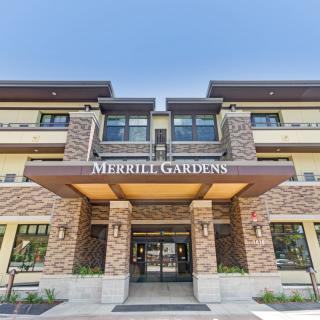
Entrance and Lobby
Patio
Exercise Equipment and Gym
Outdoor Seating
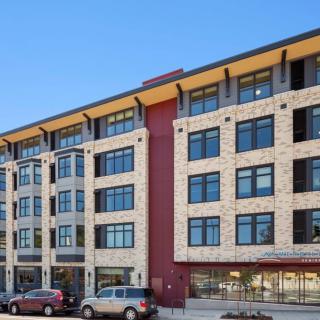
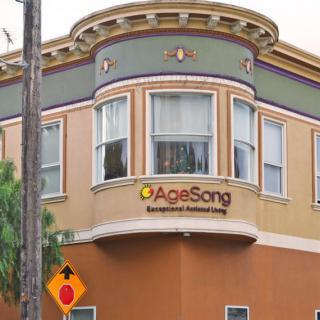
Exterior
Wall Art
Office, Computers, and Workspace
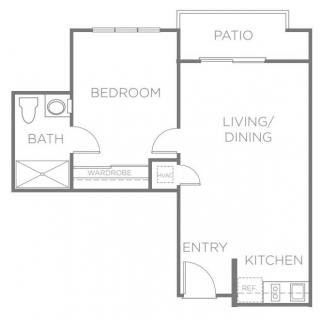
Studio Apartment
Indoor Plants
Courtyard, Apartment Building, and Patio Furniture
Refrigerator
Balcony
Kitchenette
Fountain
Game Room and Recreation
Umbrellas
Living Area
Exercise, Treadmill, Modern Interior, and Workout Room
Home Design
Architectural Drawing
Modern Furniture
Design
Potted Plants
Treadmills and Fitness Room
Cozy Atmosphere
Pendant Lighting
Projector
Get PricingAsk A QuestionSchedule A TourContact Senior Advisor
By clicking submit, you agree to our Partner's Terms of Use. You
also consent to receive calls and texts, which may be autodialed, from our Partner. Your consent is not a condition to
using our Partner's service. Please visit our Partner's Privacy Policy for information about their privacy practices.

 130 resident community capacity
 1-bedroom apartments
 Assisted Living
 Independent Living
 Memory Care
 Cats allowed
 Dogs allowed
 Activities off-site
 Air-conditioning
 Beautician on-site
 Cable or satellite TV
 Computer center
 Devotional services off-site
 Dining room
 Fitness room
 Fully furnished
 Gaming room
 Garden
 Ground floor units
 Handicap accessible
 Housekeeping services
 Indoor common areas
 Kitchenette
 Move-in coordination
 Outdoor common areas
 Private bathrooms
 Respite or short term stays offered
 Restaurant-style dining
 Small library
 Telephone
 Wellness center
 Wheelchair accessible showers
 Wi-Fi/high-speed internet available
 Community operated transportation
 12-16 hour nursing
 24-hour call system
 Ambulatory care
 Assistance with bathing
 Assistance with dressing
 Assistance with transfers
 Diabetes diet
 Hospice waiver
 Incontinence care
 Medication management
 Mental wellness program
 Special dietary restrictions
 Transportation arrangement (medical)
 Art classes
 Catholic services
 Concierge services
 Cooking classes
 Day trips and outings
 Happy hour
 Jewish services
 Karaoke
 Live musical performances
 Wine tasting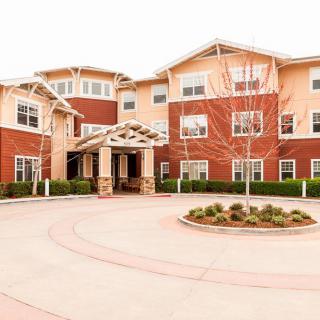
 Friendly, attentive staff and a warm, engaging environment.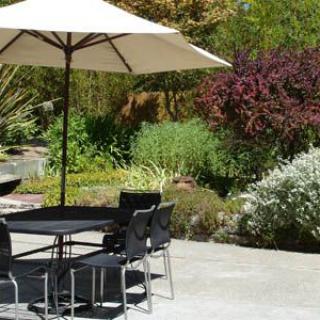
 A Holistic Dementia Care Guide: Effective Strategies for Memory Support
 Memory Care Pathways: A Holistic Guide to Dementia Support
 Comprehending Evening Confusion in Dementia: Causes, Manifestations, and Support