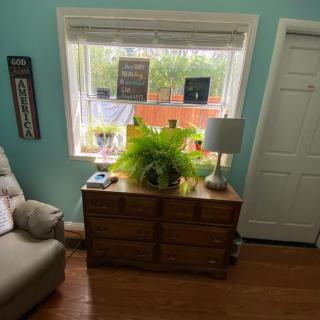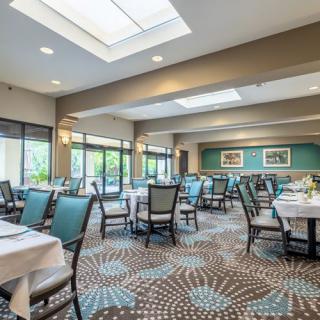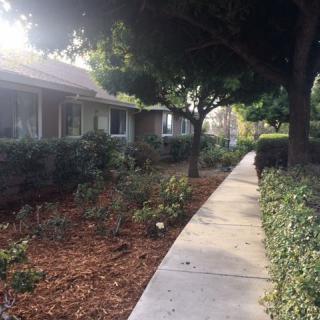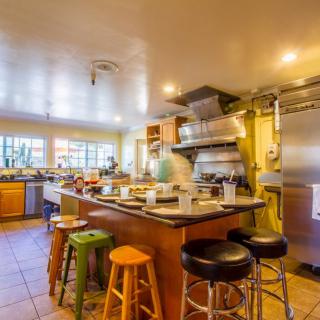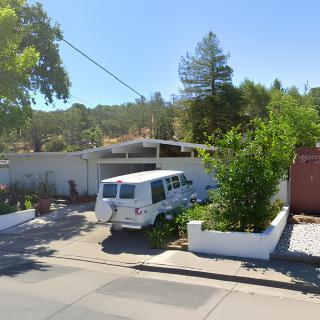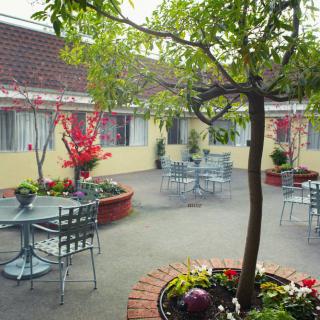
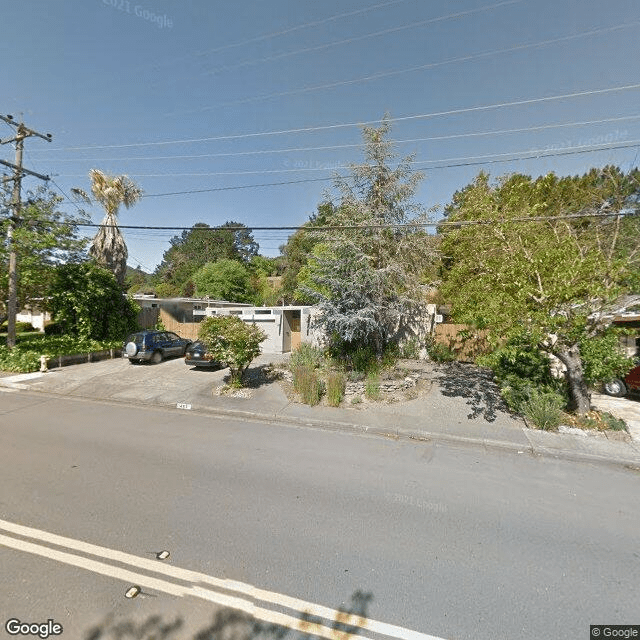
L'Chaim House II in San Rafael, CA

Save
L'Chaim House II L'Chaim House II

L'Chaim House II in San Rafael, CA

463 Nova Albion Way, San Rafael, CA 94903

For more information about senior living options: (844) 490-3973

4.5 from 2 reviews
Assisted Living Board and Care Home Memory Care

L'Chaim House II Costs & Pricing

L'Chaim House II offers a range of accommodation options at competitive prices when compared to both Marin County and the broader context of California. For semi-private rooms, L'Chaim House II's monthly cost is $5,279, which exceeds the county average of $4,362 but is higher than the state average of $3,333. The one-bedroom units are priced at $7,195 - substantially higher than Marin County's average of $6,318 and significantly above California's statewide average of $4,340. In the case of private rooms, L'Chaim House II charges $7,410, again surpassing both Marin County's rate of $4,771 and California's average of $3,939. While these rates reflect a premium for the quality of care and amenities offered at L'Chaim House II, they do indicate that residents can expect to invest more compared to typical costs in the surrounding area.

Floor plansL'Chaim House IIMarin CountyCalifornia
Semi-Private$5,279$4,362$3,333
1 Bedroom$7,195$6,318$4,340
Private$7,410$4,771$3,939

What level of care are you interested in?

Assisted Living

Memory Care

Independent Living

Skilled Nursing Facility

Continuing Care Retirement Community (CCRC)CCRC

Other


Request a tour at L'Chaim House II

    Overall Review of L'Chaim House II

    Pros

    • pro The home was a remarkable find.
    • pro He couldn't have had better care.
    • pro The staff watched him like a hawk to keep him safe.
    • pro The meals were great and the house was always spotless, with bedding and clothes consistently clean.
    • pro The reviewer couldn't recommend this board and care enough.
    • pro The home was the best by far of all the board and care homes they looked at.
    • pro They gave him the best care possible.

    Cons

    • pro The decision to place a loved one in such a home was difficult.
    • pro The home environment may be too cozy and confining.
    • pro The living space could feel restrictive.

    Review

    This community is best suited for seniors who need hands-on supervision in a true home-like setting, rather than a large campus. It excels for residents with substantial safety concerns, such as high fall risk, where vigilant staff can watch closely and respond quickly. The strongest case here is made by examples where care teams kept a resident safe, clean, and well-supported in daily life, with meals that are consistently good and a home environment that minimizes the clinical distance some may feel in bigger facilities. For families prioritizing personalized attention, consistent cleanliness, and meals that feel homestyle rather than institutional, this option stands out.

    Those weighing alternatives should consider whether they want a larger community with more activities, broader medical services, or more formalized rehabilitation programs. If independence, spacious common areas, or a wide range of therapy options are essential, this may not be the right fit. The recent note that there is only one available room underscores the reality that this is a small-form, intimate setting with limited vacancy. For families needing flexible admissions, more predictable wait times, or more expansive amenity offerings, it may be prudent to look at other board-and-care homes or larger assisted-living campuses that can accommodate shifting care needs.

    The most compelling pros are the tangible safety and cleanliness standards delivered by staff who stay close to residents. The care team's attentiveness translates into fewer slips and falls, with staff monitoring closely enough to prevent incidents before they escalate. In addition, the care environment emphasizes spotless housekeeping and consistently clean bedding and clothing, which reinforces a sense of dignity and daily comfort for residents. The meals, described as reliable and well-prepared, contribute significantly to overall well-being, especially for seniors who rely on predictable routines and familiar, comforting food.

    However, the primary con is the limited physical footprint and the resulting cozy, homey atmosphere that can feel confining. For residents who crave more privacy, larger rooms, or a broader array of social and recreational spaces, the small-scale setting may feel restrictive. The sense of being "too cozy" can translate into a perception of confinement, particularly for individuals who need more stimulation, mobility options, or independent routines. Additionally, the facility's recent management transition adds a layer of uncertainty about continuity of care and branding, which can matter to families seeking a consistently clear care model and seamless access to reports and updates.

    Those pros do offset the cons when the goal is safety-first, transitional care in a setting that minimizes institutional stress. For a person with Parkinson's or other conditions requiring close supervision, the ability to keep falls to a minimum weighs heavily against the limited space. The home-like atmosphere, coupled with reliable daily rhythms and high cleanliness standards, reduces the behavioral stress that can accompany larger, more clinical environments. In short, the positives guard against the most significant risks, while the intimate setting ensures residents feel seen, valued, and comfortable in routine tasks and meals.

    Finally, practical steps should guide any decision. Prospective families should visit to assess room size, layout, and whether the footprint truly feels cozy or confining to their loved one. Ask about staff-to-resident ratios, the specific experience with Parkinson's-related needs, and how care plans are communicated to families. Inquire about the implications of the current management name and whether continuity of care is assured as the facility stabilizes under new leadership. If safety, cleanliness, and a home atmosphere are non-negotiables, this community delivers strong value; if space, program breadth, or institutional amenities take precedence, alternatives should be pursued with urgency.

    Features

    Housing

    • 6 resident community capacity 6 resident community capacity

    Types of Care

    • Assisted Living Assisted LivingAssisted living facilities provide crucial support and care for seniors who may need help with daily tasks such as medication management, bathing, and meal preparation. These communities offer a safe and comfortable environment where seniors can maintain their independence while receiving the assistance they need to thrive in their golden years.
    • Board and Care Home Board and Care HomeBoard and care homes provide a smaller, more intimate setting for seniors who require assistance with daily tasks but do not need the level of care offered by a nursing home. They offer personalized care, meals, and social activities in a homelike environment, ensuring that seniors receive individualized attention and support in their golden years.
    • Memory Care Memory CareMemory care is crucial for seniors as it provides specialized support and services for individuals with dementia or Alzheimer's disease. These programs offer a safe and secure environment where residents receive personalized care, cognitive stimulation, and help with daily activities. Memory care helps seniors maintain their independence, quality of life, and dignity while also providing peace of mind for their families.

    Amenities

    • Activities on-site Activities on-siteActivities on-site are important for seniors because they provide opportunities for socialization, mental stimulation, physical activity, and overall well-being. Engaging in activities can help seniors stay active, maintain their independence, and improve their quality of life.
    • Cable or satellite TV Cable or satellite TVCable or satellite TV is important for seniors because it provides entertainment, news, and companionship, helping to combat loneliness and boredom. It also offers a wide range of programming options tailored to different interests and preferences.
    • Devotional services off-site Devotional services off-siteDevotional services off-site are important for seniors as they provide spiritual nourishment, social engagement, and a sense of community outside of the senior living facility. This can enhance overall well-being and help combat feelings of isolation and loneliness often experienced by older adults.
    • Dining room Dining roomDining rooms are important for seniors as they provide a space for socialization, connection, and nutritious meals. They offer opportunities for residents to bond over shared meals, foster a sense of community, and promote healthy eating habits. Dining rooms also ensure that seniors have access to well-balanced meals tailored to their dietary needs and preferences.
    • Fully furnished Fully furnishedFully furnished senior living communities are important for seniors because they provide convenience, comfort, and a hassle-free moving experience. Seniors can easily settle into their new living space without the stress of having to buy and move furniture. This allows them to focus on enjoying their new home and community.
    • Garden GardenGardens are important for seniors as they provide a peaceful and therapeutic environment for relaxation, physical activity, and socialization. Being in nature has been shown to reduce stress, improve mood, and promote overall well-being. Gardens also offer opportunities for seniors to engage in gardening activities, which can improve mobility, flexibility, and cognitive function. Additionally, gardens create a sense of community and connection with others who share a passion for plants and outdoor spaces.
    • Housekeeping services Housekeeping servicesHousekeeping services are important for seniors because they help maintain a clean and safe living environment, promote independence, and reduce the risk of accidents or illnesses. Additionally, having assistance with household chores can alleviate physical strain and allow seniors to focus on other aspects of their well-being.
    • Indoor common areas Indoor common areasIndoor common areas are crucial for seniors as they provide a space for socialization, recreation, and community engagement, promoting overall well-being and reducing feelings of isolation and loneliness.
    • Move-in coordination Move-in coordinationMove-in coordination is important for seniors because it helps ease the transition into their new living environment. It ensures that all logistics, such as packing, organizing movers, and setting up utilities are taken care of, allowing seniors to focus on settling in and adjusting to their new home. Having a smooth move-in process can alleviate stress and anxiety, making the transition smoother and more enjoyable for seniors.
    • Outdoor space Outdoor spaceOutdoor spaces are important for seniors as they provide opportunities for physical activity, social interaction, exposure to natural light and fresh air, and a sense of connection to nature. Having access to outdoor spaces can improve overall well-being and quality of life for older adults living in senior communities.
    • Private PrivatePrivacy is important for seniors as it allows them to maintain their independence, dignity, and sense of control over their own lives. It also gives them the space and freedom to relax, reflect, and engage in activities that bring them joy and fulfillment. Creating private spaces within senior living facilities is crucial for promoting overall well-being and quality of life.
    • Telephone TelephoneTelephones are important for seniors as they provide a lifeline for communication with loved ones, emergency services, and healthcare providers. They offer a sense of security and independence, enabling seniors to stay connected and access assistance when needed.
    • Wi-Fi/high-speed internet available Wi-Fi/high-speed internet availableWi-Fi/high-speed internet is important for seniors to stay connected with loved ones, access online resources, and participate in virtual activities to combat feelings of loneliness and isolation. It also allows them to easily manage healthcare needs, access entertainment, and engage in lifelong learning opportunities.

    Care Services

    • 24-hour supervision 24-hour supervision24-hour supervision is important for seniors to ensure their safety, well-being, and access to immediate assistance in case of emergencies or health issues. This constant support provides peace of mind for both seniors and their loved ones, allowing them to age in place with dignity and security.
    • Activities of daily living assistance Activities of daily living assistanceActivities of daily living assistance are important for seniors because they provide essential support with tasks such as eating, bathing, dressing, and mobility. This assistance helps seniors maintain their independence, dignity, and overall quality of life as they age.
    • Ambulatory care Ambulatory care"Ambulatory care services provide essential medical support and treatment to seniors without requiring hospitalization, allowing them to maintain their independence and quality of life while managing chronic conditions or receiving routine medical care."
    • Assistance with bathing Assistance with bathingAssistance with bathing is crucial for seniors as it helps maintain personal hygiene, prevents infections, and ensures their overall well-being and comfort. It also provides a sense of dignity and independence for seniors who may struggle with this task on their own.
    • Assistance with dressing Assistance with dressingAssistance with dressing is important for seniors because it helps maintain their independence, promotes personal hygiene, prevents accidents and injuries, and improves overall quality of life. This service ensures that seniors can continue to dress comfortably and confidently, despite any physical limitations they may have.
    • Assistance with transfers Assistance with transfersAssistance with transfers is crucial for seniors as it helps prevent falls and injuries, maintains their independence, and ensures they can safely navigate their living environment. It also provides peace of mind for both seniors and their loved ones.
    • Coordination with health care providers Coordination with health care providersCoordination with health care providers is crucial for seniors to ensure proper medical care, medication management, and overall well-being. This collaboration helps prevent overlapping treatments, track progress more effectively, and provide comprehensive support tailored to individual needs.
    • Diabetes diet Diabetes dietA diabetes diet is crucial for seniors as it helps manage blood sugar levels, reduce risks of complications, and improve overall health and well-being. By following a balanced and nutritious diet tailored to their specific needs, seniors can better control their diabetes and enhance their quality of life.
    • Diabetic care Diabetic careDiabetic care is crucial for seniors as they are more susceptible to developing diabetes due to aging and other health conditions. Proper management of diabetes can help prevent complications such as heart disease, vision loss, and nerve damage, improving the overall quality of life for seniors in senior living communities.
    • High acuity care High acuity careHigh acuity care is important for seniors because it provides specialized medical attention and support for individuals with complex medical needs. This level of care ensures that seniors receive the appropriate treatment and assistance to maintain their health and quality of life as they age.
    • Incontinence care Incontinence careIncontinence care is essential for seniors to maintain their dignity, hygiene, and overall quality of life. By addressing incontinence issues promptly and effectively, seniors can enjoy a sense of independence and comfort in their daily activities.
    • Meal preparation and service Meal preparation and serviceMeal preparation and service are crucial for seniors as they may have limited mobility or energy to cook nutritious meals. Having access to healthy and convenient food options can ensure they are getting the proper nutrition needed to maintain their overall health and well-being.
    • Medication management Medication managementMedication management is crucial for seniors to ensure they are taking the right medications at the correct dosages and times. This helps prevent adverse drug interactions, reduces the risk of medication errors, and promotes overall health and well-being. Proactive management also allows for adjustments as needed based on changing health conditions or new prescriptions.
    • Mental wellness program Mental wellness programMental wellness programs are essential for seniors as they promote cognitive stimulation, emotional support, and social engagement. These programs help prevent isolation, depression, and cognitive decline, ultimately enhancing the overall quality of life for older adults.
    • Mild cognitive impairment Mild cognitive impairment"Mild cognitive impairment" is important for seniors because it is an early stage of cognitive decline that can potentially progress to more severe conditions such as dementia. Recognizing and addressing mild cognitive impairment can help seniors receive appropriate care and support to maintain their quality of life and independence for as long as possible.
    • Special dietary restrictions Special dietary restrictionsSpecial dietary restrictions are important for seniors because age-related changes in metabolism and health conditions can make it difficult for their bodies to process certain foods. By following a diet tailored to their specific needs, seniors can maintain their overall health and well-being, manage chronic conditions, and reduce the risk of complications such as malnutrition or food interactions with medications.
    • Specialized memory care programming Specialized memory care programmingSpecialized memory care programming is crucial for seniors with cognitive impairments such as dementia or Alzheimer's disease. These programs provide a safe and supportive environment tailored to the unique needs of individuals with memory loss, helping them maintain their independence, dignity, and quality of life.
    • Transportation arrangement (medical) Transportation arrangement (medical)Transportation arrangements for medical purposes are essential for seniors as they may have difficulty driving themselves to appointments or accessing public transportation. Having reliable and safe transportation options ensures that seniors can receive timely medical care and maintain their health and well-being.
    • Transportation to doctors appointments Transportation to doctors appointmentsTransportation to doctors' appointments is crucial for seniors as it ensures they have access to necessary medical care and support for their health needs. Without reliable transportation, seniors may struggle to attend important appointments, leading to potential delays in treatment and health complications. Providing transportation services helps seniors maintain their overall well-being and quality of life.
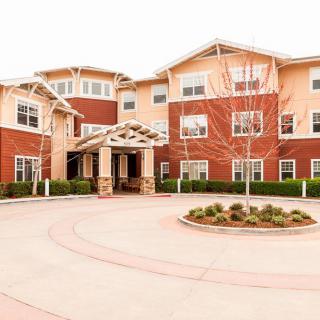
    Dining

    • Diabetes diet Diabetes dietA diabetes diet is crucial for seniors as it helps manage blood sugar levels, reduce risks of complications, and improve overall health and well-being. By following a balanced and nutritious diet tailored to their specific needs, seniors can better control their diabetes and enhance their quality of life.
    • Meals provided Meals provided"Meals provided" are crucial for seniors in assisted living communities as it ensures they have access to nutritious, balanced meals without the stress of meal planning and preparation. This can help promote overall health and well-being for seniors who may have limited mobility or cognitive abilities.
    • Special dietary restrictions Special dietary restrictionsSpecial dietary restrictions are important for seniors because age-related changes in metabolism and health conditions can make it difficult for their bodies to process certain foods. By following a diet tailored to their specific needs, seniors can maintain their overall health and well-being, manage chronic conditions, and reduce the risk of complications such as malnutrition or food interactions with medications.

    Activities

    • Activities on-site Activities on-siteActivities on-site are important for seniors because they provide opportunities for socialization, mental stimulation, physical activity, and overall well-being. Engaging in activities can help seniors stay active, maintain their independence, and improve their quality of life.
    • Community-sponsored activities Community-sponsored activitiesCommunity-sponsored activities are important for seniors as they provide opportunities for social interaction, mental stimulation, and physical activity. These activities can help improve overall well-being, combat loneliness and isolation, and promote a sense of belonging and purpose among older adults.
    • Devotional activities offsite Devotional activities offsiteDevotional activities offsite are important for seniors because they provide social engagement, spiritual growth, and a sense of community outside of their living environment. This can improve overall well-being, mental health, and combat feelings of isolation or loneliness.
    • Scheduled daily activities Scheduled daily activitiesScheduled daily activities are important for seniors because they provide structure, socialization, mental stimulation, and physical activity. Engaging in regular activities can improve overall well-being and quality of life for seniors living in a community setting.

    Description

    L'Chaim House II is a welcoming and thoughtfully designed assisted living community located in the serene city of San Rafael, CA. This exceptional facility offers a range of care options, including board and care home services and specialized memory care, ensuring that residents receive the personalized support they need in a comfortable environment.

    With an array of modern amenities, L'Chaim House II is dedicated to enhancing the quality of life for its residents. The community features fully furnished accommodations with cable or satellite TV, Wi-Fi/high-speed internet access, and private telephone services. Residents can enjoy peaceful moments in beautifully landscaped outdoor spaces or engage with others in inviting indoor common areas. Additional conveniences include regular housekeeping services, move-in coordination assistance, and onsite dining facilities that cater to special dietary needs.

    At L'Chaim House II, a comprehensive suite of care services ensures that every resident's unique requirements are met. From assistance with daily activities such as bathing and dressing to skilled medication management and specialized programming for memory care, the dedicated staff is committed to providing compassionate support around the clock. Residents also benefit from coordinated health care services and customized meal preparation tailored to their dietary restrictions.

    The vibrant community fosters engagement with scheduled daily activities ranging from community-sponsored events to devotional programs offsite. With ample opportunities for socialization and mental wellness programs, residents can maintain an active lifestyle while enjoying connection with others.

    Strategically located near numerous cafes, parks, pharmacies, physicians’ offices, restaurants, theaters, and hospitals, L'Chaim House II provides residents easy access to local amenities. With transportation arrangements available for medical appointments and other outings, families can feel at ease knowing their loved ones are well-cared for in this supportive environment.

    Overall, L'Chaim House II embodies warmth and compassion, making it an ideal choice for seniors seeking both independence and assistance within a thriving community atmosphere.

    Nearby Places of Interest

    Located in San Rafael, California, this part of town offers a variety of amenities and services that cater to senior living needs. With multiple theaters, restaurants, cafes, and pharmacies within close proximity, residents can easily access entertainment options and essential healthcare services. The presence of reputable physicians and hospitals nearby provides peace of mind for seniors needing medical attention. Additionally, numerous parks offer opportunities for outdoor recreation and relaxation. The convenient transportation options, such as the Smart Train Station Hamilton, make it easy for seniors to travel within the area or beyond. Overall, this neighborhood provides a well-rounded environment that may be suitable for those seeking a comfortable and convenient place to call home in their golden years.

    Theaters

    • Century Theaters (0.2 miles)
    • Century Larkspur (4.1 miles)

    Physicians

    • Dr. Helen Paek, provider of Eyexam Of CA (0.3 miles)
    • San Francisco Audiology (0.4 miles)
    • Eye Institute of Marin (0.5 miles)
    • Rita A. Vileisis, MD (0.5 miles)
    • Edwin Munich, MD (0.5 miles)
    • One Medical (0.5 miles)
    • Gayre, Gregg Kaiser Permanente San Rafael Park Medical Offices (1.4 miles)

    Restaurants

    • BJ's Restaurant & Brewhouse (0.3 miles)
    • Miracle Mile Cafe (1.7 miles)
    • Pond Farm Brewing Company (1.8 miles)
    • Insalata's Restaurant (2.1 miles)
    • Sol Food Puerto Rican Cuisine (2.3 miles)
    • Mas Masa (2.5 miles)
    • Gestalt Haus (2.6 miles)

    Pharmacies

    • Rite Aid (0.4 miles)
    • CVS Pharmacy (0.4 miles)
    • Walgreens (0.5 miles)
    • CVS Pharmacy (1.7 miles)
    • Walgreens (1.8 miles)
    • Walgreens (2.3 miles)
    • Rite Aid (2.6 miles)

    Places of Worship

    • Valley Baptist Church (0.8 miles)

    Parks

    • Lagoon Park (0.9 miles)
    • Sun Valley Park (1.2 miles)
    • Peri Park (2.7 miles)
    • China Camp State Park (2.8 miles)
    • Doc Edgar Park (2.9 miles)
    • Victor Jones Park (3.5 miles)
    • Lucas Valley Park (3.7 miles)

    Cafes

    • Red Whale Coffee (1.3 miles)
    • M.H.Bread and Butter (2.2 miles)
    • Fairfax Coffee Roastery (2.5 miles)
    • Split Rock Tap & Wheel (2.6 miles)
    • Starbucks (2.6 miles)
    • Rustic Bakery (4.2 miles)
    • Equator Coffees & Teas (4.7 miles)

    Hospitals

    • Tamalpais Shambhala Meditation Group (2.3 miles)
    • Caremeridian (2.7 miles)
    • Marin General Hospital (3.7 miles)
    • Novato Community Hospital (6.9 miles)
    • Chaplain's Office: Novato Community Hospital: Sutter Health Affiliate (6.9 miles)

    Transportation

    • Smart Train Station Hamilton (4 miles)

    Frequently Asked Questions

    How much does it cost to live at L'Chaim House II in San Rafael, CA?
    Where is L'Chaim House II?
    Does L'Chaim House II provide care for residents with dementia or Alzheimer's disease?

    Nearby Communities

    • AlmaVia of San Rafael

      AlmaVia of San Rafael

      San Rafael, CA

      4.5 from 55 reviews
      $4,195 to $6,895 / month

      pro Friendly, attentive staff and a warm, engaging environment.

    • Drake Terrace

      Drake Terrace

      San Rafael, CA

      4.7 from 69 reviews
      $4,900 to $7,200 / month

      pro Caring, communicative staff in a clean, activity-rich community.

    • Villa Marin

      Villa Marin

      San Rafael, CA

      4.5 from 53 reviews
       

      pro Friendly staff, quality dining, engaging activities, and well-kept facilities.

    • Comforting Hands Forever

      Comforting Hands Forever

      San Rafael, CA

      2.6 from 5 reviews
       

      pro Caring staff

    • Comforting Hands Forever,  LLC

      Comforting Hands Forever, LLC

      San Rafael, CA

      3.1 from 8 reviews
      $3,800 to $4,500 / month

      pro Compassionate staff, very clean facility, and engaging activities.

    • Nazareth House

      Nazareth House

      San Rafael, CA

      4.5 from 10 reviews
      $3,200 to $4,600 / month

      pro Caring staff; on-site chapel; comfortable rooms.

    • South Marin Health & Wellness Center

      South Marin Health & Wellness Center

      Greenbrae, CA

      4 from 25 reviews
       

      pro Professional, kind staff in a clean, safe environment with good rehab services.

    • Elegance at Hamilton Hill

      Elegance at Hamilton Hill

      Novato, CA


      pro Memory-care focused with 24-hour supervision, medication management, and a broad suite of amenities and activities (dining, fitness, transportation, beauty salon, garden).

    • Villas at Hamilton Senior Apartments

      Villas at Hamilton Senior Apartments

      Novato, CA

      3 from 2 reviews
      $2,900 to $4,300 / month

      pro Excellent access to local amenities and healthcare nearby.

    Related Resources

    • dementia stagesUnderstanding Dementia Through Its Seven Stages: A Comprehensive Look at Progression and Expectations

      Dementia encompasses a range of cognitive impairments characterized by types such as Alzheimer's and vascular dementia, and follows a seven-stage progression model known as the Global Deterioration Scale (GDS), highlighting varying symptoms and decline timelines. Early detection allows for lifestyle adjustments to potentially slow progression, while caregivers need support and resources to manage the challenges involved in caring for affected individuals.

    • how to prevent memory loss in old ageSafeguarding Your Memory Through the Golden Years: Eight Ways to Preserve Cognitive Health

      The article presents eight strategies for preserving cognitive health and memory in older adults, emphasizing a nutrient-rich diet, regular exercise, intellectually stimulating activities, adequate sleep, social connections, stress management techniques, limiting harmful substances, and regular medical checkups to mitigate age-related memory decline.

    • activities of daily livingComprehensive Insights into Activities of Daily Living (ADLs) and Their Assessment

      Activities of Daily Living (ADLs) are fundamental tasks vital for an individual's independence, particularly in older adults over 85, and include functions like bathing and dressing; assessing ADLs alongside Instrumental Activities of Daily Living (IADLs) helps determine the level of required assistance due to age-related health challenges. Tailored support plans, involving family and community resources, are essential for maintaining dignity and autonomy in assisted living environments.


    Get Pricing Ask A Question Schedule A Tour Contact Senior Advisor