112 East Broadway, San Gabriel, CA 91776
For more information about senior living options: (866) 208-4318
Broadway Healthcare Center Costs & Pricing
Broadway Healthcare Center offers competitive pricing for its private rooms at $4,100 per month, which positions it slightly below the average cost within Los Angeles County at $4,197. In comparison to the broader state average of California, which stands at $3,939 for similar accommodations, Broadway's rates reflect a balance of quality and value that may appeal to families seeking reliable care in a desirable location. This pricing strategy not only underscores the center's commitment to providing top-notch services but also highlights its strategic positioning within the regional market for healthcare facilities.
| Floor plans | Broadway Healthcare Center | Los Angeles County | California |
|---|---|---|---|
| Private | $4,100 | $4,197 | $3,939 |
Skilled Nursing Facilities with a similar price nearby
-
from -$180 / mo

Sakura Gardens of Los Angeles
$3,920 to $4,535 / month7.9 miles away -
from -$450 / mo

Beverly Hills Carmel Retirement Hotel North
$3,650 to $6,250 / month16.4 miles away -
from +$730 / mo

Elmcrest Care Center
$4,830 / month4.0 miles away -
from -$307 / mo

Rowntree Gardens
$3,793 to $6,296 / month22.6 miles away -
from +$310 / mo

St. Elizabeth Healthcare and Rehabilitation Center
$4,410 to $5,400 / month16.7 miles away
Overall Review of Broadway Healthcare Center
Pros
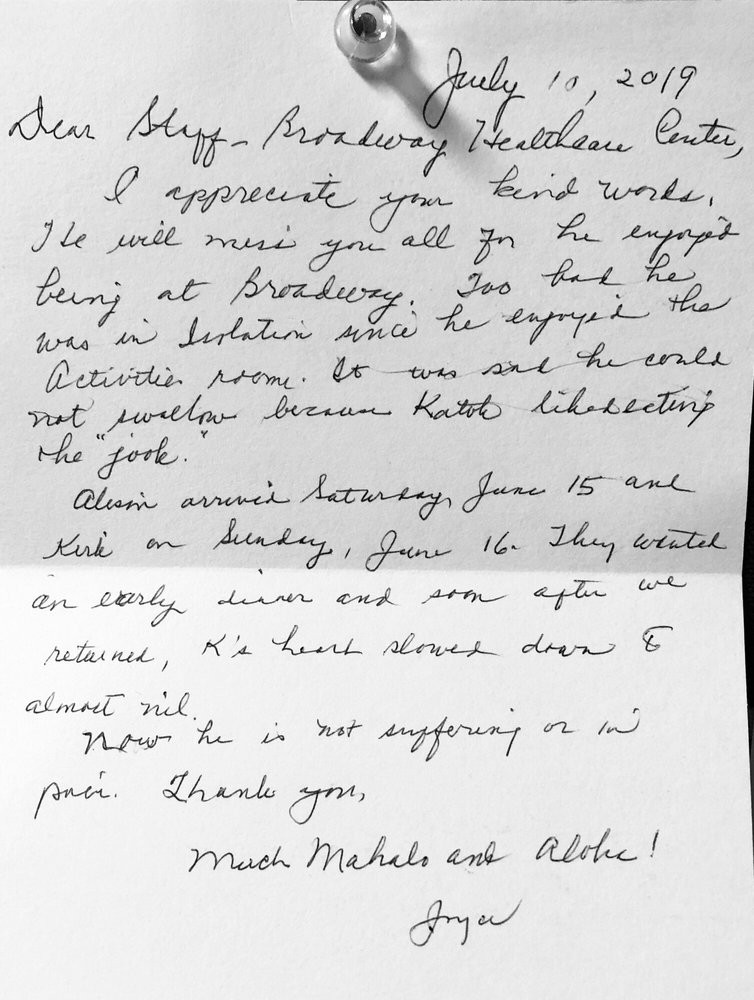
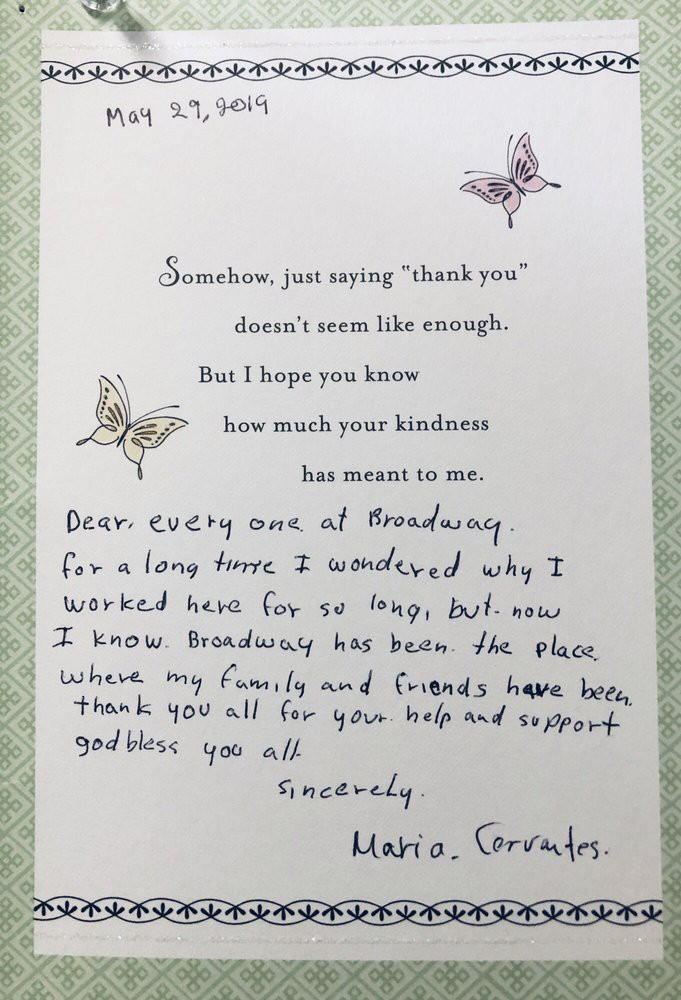
 The staff were accessible, caring, knowledgeable, and friendly.
- The staff made her 7-week stay easier, and she was pleased with their care.
- The entire team made the patient feel safe, supported, and truly cared for from arrival.
- Every aspect of the care was handled with professionalism and compassion.
- The nurses were always attentive, and the care staff regularly checked in to ensure her comfort and needs were met.
- Demi, Yesenia, and the entire nursing staff were incredible.
- French and Berenice provided motivating, expert physical therapy that helped her walk again.
- Broadway Health Center is a place where people genuinely care.
- The Mandarin-Chinese speakers on staff were helpful for the mom who did not speak English well.
Cons
 They could have paid more attention to her mother's lungs when she couldn't breathe; she felt like drowning.
- They should have advised limiting fluids to prevent edema and acted promptly when symptoms recurred.
- The facility was described as the worst they had encountered and they warned others not to send loved ones there.
- The staff were accused of not feeding the grandfather and tying him to his bed, with family unable to see him.
- The administration sometimes did not answer weekend calls, causing frustration and language barriers.
- The food was criticized for being high in carbohydrates and sweets, worsening the mother's diabetes.
Review
Broadway Healthcare Center in San Gabriel is best suited for families seeking solid post-acute rehabilitation and dependable daily care in a mid-market setting. The center consistently delivers accessible, caring nursing attention and a rehab program that emphasizes practical recovery milestones. A multilingual staff, including Mandarin speakers, helps bridge language gaps and keeps families engaged in the care plan. The environment prioritizes function over flash, with clean facilities and private or semi-private rooms that support privacy during recovery. For loved ones who need 24/7 nursing oversight alongside steady physical therapy to regain walking independence and daily living skills, Broadway presents a reliable, action-oriented option.
Those weighing alternatives should consider what happens when the emphasis shifts from rehab momentum to longer-term, high-intensity medical oversight or more upscale amenities. Some reviewers raised concerns about gaps in responsiveness and crisis management, particularly around urgent symptoms or weekend communication. Families who require constant physician presence, a highly medicalized setting, or a more luxurious residence with extensive on-site services may find other options offer a closer match. Similarly, for relatives who prioritize a seamless, zero-friction discharge process and 24/7 administrative accessibility, exploring facilities with stronger after-hours coverage could be prudent.
The strongest positives center on the care team's dedication and rehab depth. Staff are described as accessible, knowledgeable, and genuinely caring, with nurses and aides who make residents feel safe and attended to. The PT/OT program stands out, with therapists who push for progress and tailor routines to individual goals, helping many patients walk again and regain confidence after surgery or illness. Family members consistently note that the nursing and care teams listen, adjust plans promptly, and coordinate transitions, whether returning home with home health services or arranging follow-up appointments. The multilingual staffing and cultural sensitivity further reduce friction for families navigating medical systems.
Yet, several reviews underscore meaningful concerns that cannot be dismissed. There are accounts of perceived lapses in attentiveness and safety, including questions about how symptoms were monitored and when urgent actions were taken. Specific critiques cite missed opportunities to address respiratory discomfort or edema, and others note disconnects between families and administration during weekends or after-hours. Instances of inappropriate meal planning affecting chronic conditions (notably diabetes and fluid management) alongside reports of strained discharge planning illustrate real risks when expectations hinge on consistent communication and proactive problem-solving. While not universal, these experiences underscore that care quality can vary by shift, staff mix, and leadership presence at any given time.
In balancing these dynamics, Broadway’s rehab strength and responsive, compassionate culture remain compelling advantages for many families. For those prioritizing tangible recovery progress, meaningful staff relationships, and coordinated transitions home, the pros often outweigh the cons. The facility’s practical rooms, cleanliness, and the capacity to tailor dietary accommodations add to a sense of security during a vulnerable period. The risk profile shifts toward requiring vigilance around medical oversight and communication, particularly for residents with complex or unstable conditions or for families who cannot sustain close monitoring of care decisions over weekends.
When considering a placement here, families should insist on clear, documented care plans and designate a point person who can track progress, especially around PT/OT goals, medication management, and discharge timelines. Request language support specifics and confirm who will manage after-hospital transitions, including home health arrangement and equipment needs. Schedule a comprehensive pre-admission tour with the administrator to assess responsiveness and ask about weekend coverage firsthand. If possible, arrange a short-term or trial stay to observe how the team handles evolving health needs, communication gaps, and routine adjustments. If a facility must deliver unwavering medical oversight, or if high-end amenities and consistently robust weekend administration are non-negotiable, exploring additional options will likely yield a better fit. Broadway remains a capable, empathetic choice for rehab-focused care with strong staff engagement, worth pursuing for families prioritizing progress and hands-on support, while approaching with a clear plan to mitigate the noted gaps in communication and medical vigilance.
 59 resident community capacity
 Skilled Nursing Facility
 Air-conditioning
 Beauty salon
 Cable or satellite TV
 Computer center
 Dining room
 Fitness room
 Fully furnished
 Gaming room
 Garden
 Housekeeping services
 Kitchenette
 Move-in coordination
 Outdoor space
 Private bathrooms
 Restaurant-style dining
 Small library
 Telephone
 Wellness center
 Wi-Fi/high-speed internet available
 Burbank-Glendale-Pasadena (16 miles away)
 Community operated transportation
 12-16 hour nursing
 24-hour call system
 Activities of daily living assistance
 Assistance with bathing
 Assistance with dressing
 Assistance with transfers
 Diabetes diet
 Medication management
 Mental wellness program
 Special dietary restrictions
 Concierge services
 Planned day trips







 Fecal Incontinence in Older Adults: A Comprehensive Guide
 Recognizing the Journey: Understanding and Navigating Anticipatory Grief
 Encouraging Participation in Adult Day Care: A Guide to Supporting a Hesitant Parent