For more information about senior living options: (866) 208-4318
4.2 from 49 reviews
5 stars
32
4 stars
8
3 stars
2
2 stars
2
1 stars
5
Overall Review of Arcadia Gardens Retirement Hotel
differentiator8 reviews mention this
Restaurant-style dining is a hit
Restaurant-style dining and good food stand out most in reviews.
Multiple residents and families describe the meals positively, including a dining room they found attractive and food they said was delicious. Several reviews also highlight that dining feels more like a restaurant than a cafeteria, with choices and attention to preferences. The menu experience comes up more than once, including mention of samples and a daily menu format during visits. Overall, dining is one of the most consistent reasons people speak well about the day-to-day experience.
differentiator6 reviews mention this
Memory Lane activities feel personal
Memory care activities come through as thoughtful and engaging.
Residents in Memory Lane are described as having engaging activities, with one reviewer specifically calling out a petting zoo brought for memory care residents. Others mention special events and a lively vibe tied to the activities program. A separate review also points to a broader activity calendar, including events like Bingo and group entertainment. Taken together, the reviews paint Memory Lane programming as a key part of how families experience care day to day.
common6 reviews mention this
Caregivers show strong compassion
Families describe caregivers as compassionate and respectful in memory care.
Several reviews focus on Memory Care, saying staff treated loved ones with kindness, respect, and compassion from the beginning. Families also describe communication and support during difficult transitions, including after moves tied to health decline. A review specifically credits staff with making residents feel comfortable and at ease. Overall, compassion and respect are recurring themes tied to memory care experiences.
caveat7 reviews mention this
Some families report slow responses
A recurring concern is delayed help after incidents or unanswered requests.
A cluster of negative reviews describes breakdowns around staff response, including a fall where someone was reportedly on the floor for hours before assistance arrived. Other reviews express frustration with front-desk or employee attitudes, and some describe residents’ needs not being addressed as expected. There are also complaints about delays related to refunds or paperwork follow-through. While many reviews are positive about care, these recurring issues are cited strongly enough to be a notable caution.
How we summarize
Counts show how many written reviews mention each theme; a review can touch several themes, and only frequently mentioned themes are displayed.
Features
Housing
200 resident community capacity
Studio apartments
Types of Care
Assisted Living
Hospice Agency
Independent Living
Memory Care
Respite Care
Skilled Nursing Facility
Amenities
Air-conditioning
Beautician on-site
Beauty salon
Cable or satellite TV
Cafe
Computer center
Dining room
Fitness room
Full kitchen
Fully furnished
Gaming room
Garden
General store
Guasts at mealtime
Guest parking
Housekeeping services
Kitchenette
Laundry
Move-in coordination
Outdoor space
Overnight guests
Private bathrooms
Private cleaning services
Resident parking
Restaurant-style dining
Security gate
Small library
Spa
Swimming pool
Telephone
VA Benefits Consultation
Wellness center
Wi-Fi/high-speed internet available
Transportation
Burbank-Glendale-Pasadena (18 miles away)
Long Beach (Daugherty) (22 miles away)
Los Angeles International (24 miles away)
Community operated transportation
Transportation & parking
Transportation arrangement
Transportation arrangement (non-medical)
Transportation to doctors appointments
Care Services
12-16 hour nursing
24-hour call system
24-hour supervision
Activities of daily living assistance
Assistance with bathing
Assistance with dressing
Assistance with transfers
Diabetes diet
Hospice care
Meal preparation and service
Medication management
Mental wellness program
Mild cognitive impairment
Physical therapy
Special dietary restrictions
Specialized memory care programming
Dining
Diabetes diet
Special dietary restrictions
Activities
Activities off-site
Arts and crafts
Book club
Community-sponsored activities
Concierge services
Cooking club
Educational speakers / life long learning
Fitness programs
Games
Gardening club
Live musical performances
Planned day trips
Religious services
Resident-run activities
Scheduled daily activities
Stories
Tai Chi
Wii bowling
Yoga / chair yoga
Languages Spoken
English
Nearby Places of Interest
Pharmacies
CVS Pharmacy (0.1 miles)
CVS Pharmacy (1 miles)
CVS Pharmacy (1.5 miles)
CVS Pharmacy (1.8 miles)
Albertsons Pharmacy (2.1 miles)
Rite Aid (2.2 miles)
CVS Pharmacy (2.8 miles)
Restaurants
KIYO Arcadia (0.2 miles)
Johnny Rockets Santa Anita Mall (0.9 miles)
Din Tai Fung (0.9 miles)
McDonald's (1 miles)
Donut King (1 miles)
626 Night Market (1.2 miles)
Taco Bell (1.6 miles)
Physicians
Doheny Eye Center (0.3 miles)
Santa Anita Medical Plaza (1.2 miles)
Healthcare Partners Medical Group (2.3 miles)
Theaters
0206 Amc Bar Santa Ani (1 miles)
Hospitals
Methodist Hospital of Southern California (1.2 miles)
Hope (4.8 miles)
City Of Hope (4.9 miles)
Huntington Memorial Hospital Nicu (5.6 miles)
Kaiser Permanente Baldwin Park Medical Center (5.6 miles)
Prado Center (7.7 miles)
Beverly Hospital (7.8 miles)
Places of Worship
Arcadia Chinese Baptist Church (1.3 miles)
Saint Rita's Catholic Church (3.1 miles)
First Evangelical Church Arcadia (3.2 miles)
San Marino Community Church Nursery School (3.5 miles)
Arcadia Gardens Retirement Hotel's comprehensive features are designed to enhance the quality of life for residents with dementia or Alzheimer's disease. The 24-hour supervision ensures a safe environment where residents receive immediate assistance when needed, promoting their comfort and security. Activities of daily living support empowers residents to maintain independence while receiving guidance with tasks such as bathing and dressing, which can be challenging due to cognitive decline. Meal preparation and service are tailored to meet both nutritional needs and personal preferences, encouraging healthy eating habits. Medication management helps ensure that residents take their medications correctly and on time, minimizing health risks. Engaging in a mental wellness program fosters cognitive stimulation and emotional well-being, while physical therapy aids in maintaining mobility and overall physical health. Specialized memory care programming focuses on techniques that resonate with each individual's unique cognitive ability, fostering meaningful interaction and enhancing their daily experience, ultimately creating an environment conducive to dignity and respect for those facing memory challenges.
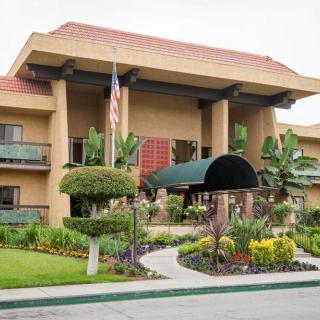
Arcadia Gardens Retirement Hotel on seniors.fyi includes 23 photos including images showing landscaping, garden, swimming pool, outdoor, outdoors, building, trees, patio furniture, and more.
Nearby Communities
Arcadia Gardens Retirement
Arcadia, CA
4.1 from 40 reviews
$2,600 to $4,800 / month
Attractive amenities (pool and garden) with engaging activities.
Arcadia Health Care Center
Arcadia, CA
4.6 from 122 reviews
Caring staff and CNAs with a clean, pleasant environment.
The Arcadian
Arcadia, CA
2.9 from 17 reviews
$1,700 to $3,500 / month
Friendly staff and a clean, home-like atmosphere.
Arcadia Retirement Village
Arcadia, CA
3.7 from 68 reviews
$1,600 to $4,500 / month
Friendly staff and well-maintained, spacious apartments with restaurant-style dining.
FirstLight Home Care of Pasadena
Arcadia, CA
4.9 from 73 reviews
Highly responsive with strong communication and professionalism, capable of handling urgent requests.
Rose Valley Arcadia
Arcadia, CA
5 from 1 review
Small, intimate setting with comprehensive care (24-hour supervision, ADLs, medication management), on-site dining, housekeeping, and outdoor spaces.
San Marino Manor
San Gabriel, CA
4.1 from 21 reviews
$5,250 to $5,400 / month
Broad care options (memory care & skilled nursing) with extensive amenities and activities.
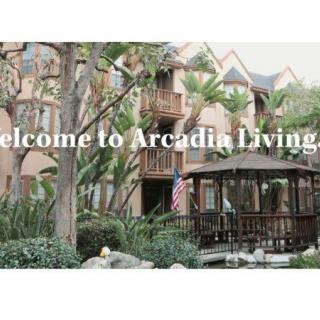
Arcadia Living
Arcadia, CA
4.1 from 23 reviews
$2,998 to $4,598 / month
Convenient Arcadia location with excellent family communication and highly praised dining.
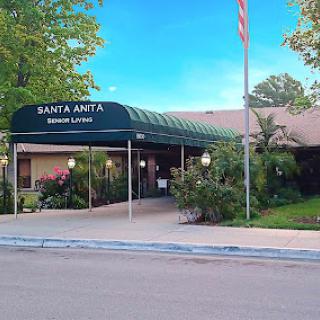
Santa Anita Retirement Center
Temple City, CA
4.3 from 54 reviews
$2,800 to $3,500 / month
Friendly staff, clean, cozy atmosphere, inclusive pricing, and a quiet location near a park.
The article highlights eight indicators that a loved one with dementia may require specialized memory care, emphasizing the emotional and logistical challenges families encounter in this decision. It discusses signs such as difficulties with daily tasks, safety concerns, and caregiver burnout, suggesting that memory care facilities can provide the necessary support and structured environments for those experiencing cognitive decline.
Dementia, primarily caused by Alzheimer's disease but also linked to other conditions, leads to cognitive decline impacting memory and daily functioning, with individuals experiencing varied awareness of their impairments. Despite memory loss, emotional connections persist, enabling responses to familiar stimuli, highlighting the need for caregivers to provide compassionate support that recognizes both limitations and retained emotional depth.
The article presents five subtle indicators of dementia, such as memory lapses and mood swings, to help families assess cognitive decline in loved ones. It emphasizes early detection, open communication, and seeking professional help while providing practical support steps.
Get PricingAsk A QuestionSchedule A TourContact Senior Advisor
By clicking submit, you agree to our Partner's Terms of Use. You
also consent to receive calls and texts, which may be autodialed, from our Partner. Your consent is not a condition to
using our Partner's service. Please visit our Partner's Privacy Policy for information about their privacy practices.





 200 resident community capacity
 Studio apartments
 Assisted Living
 Hospice Agency
 Independent Living
 Memory Care
 Respite Care
 Skilled Nursing Facility
 Air-conditioning
 Beautician on-site
 Cable or satellite TV
 Cafe
Cafe Computer center
 Dining room
 Fitness room
 Full kitchen
 Fully furnished
 Gaming room
 Garden
 General store
 Guest parking
 Housekeeping services
 Laundry
 Move-in coordination
 Outdoor space
 Overnight guests
 Private bathrooms
 Restaurant-style dining
 Security gate
 Small library
 Spa
Spa Swimming pool
 Telephone
 VA Benefits Consultation
 Wi-Fi/high-speed internet available
 Burbank-Glendale-Pasadena (18 miles away)
 Community operated transportation
 12-16 hour nursing
 24-hour call system
 Activities of daily living assistance
 Assistance with bathing
 Assistance with dressing
 Assistance with transfers
 Diabetes diet
 Medication management
 Mental wellness program
 Physical therapy
 Special dietary restrictions
 Arts and crafts
 Book club
 Concierge services
 Cooking club
 Educational speakers / life long learning
 Games
Games Live musical performances
 Planned day trips
 Religious services
 Wii bowling
 English
 Attractive amenities (pool and garden) with engaging activities.
 8 Important Indicators That Memory Care May Be Necessary
 Delving into the Inner World of Dementia: Insights into Thoughts and Awareness
 Five Subtle Dementia Indicators to Observe: An In-Depth Guide to Understanding “Does My Mom Have Dementia?”


