For more information about senior living options: (866) 208-4318
3.6 from 68 reviews
5 stars
39
4 stars
4
3 stars
3
2 stars
2
1 stars
20
Overall Review of San Francisco Health Care
differentiator11 reviews mention this
Physical therapy drives results
Physical therapy is the part residents most often describe as helping them improve.
Several residents and family members highlight physical therapy as a major reason they felt progress during rehab, including recovery after stroke and improvements with mobility and strength. Reviews also describe frequent therapy availability and consistent therapist support, with some people specifically praising communication and follow-through on rehabilitation plans. A smaller set of comments take the opposite view, saying therapy was limited or attention from the nursing staff was insufficient.
common20 reviews mention this
Staff kindness is a frequent theme
Residents and families frequently describe staff as kind, attentive, and supportive.
Many reviews praise the people working at the facility, describing nurses, CNAs, therapists, and social workers as responsive, caring, and professional. Some comments add that the team helped with complex needs and made it easier to manage daily care, including encouragement during rehab and support with discharge planning. Even among critical reviews, the most severe complaints tend to focus on specific service breakdowns rather than arguing that staff never show up or care at all.
caveat14 reviews mention this
Cleanliness and maintenance are mixed
Cleanliness and upkeep are inconsistent, with both praise and serious complaints.
Some residents and families say the building is clean and rooms are well maintained. Others describe strong negative experiences, including bad odors, visible pests, torn linens and curtains, and rooms feeling dirty or neglected. A review also mentions the building being old enough that renovation is needed, which helps explain why some people see a less polished environment.
caveat9 reviews mention this
Call response and medication feel uneven
Several residents and families report delays or gaps in nursing response and medication follow-through.
Multiple critical reviews describe situations where help was slow to arrive after a call button request, or where nurses were difficult to reach. Some families also describe medication concerns, including delays and the need to escalate to get the right treatment. Other reviews are more reassuring about prompt care, which suggests experiences can vary widely depending on timing and circumstance.
How we summarize
Counts show how many written reviews mention each theme; a review can touch several themes, and only frequently mentioned themes are displayed.
Features
Housing
168 resident community capacity
Types of Care
Skilled Nursing Facility
Amenities
Air-conditioning
Beauty salon
Cable or satellite TV
Computer center
Dining room
Fitness room
Fully furnished
Gaming room
Garden
Housekeeping services
Kitchenette
Move-in coordination
Outdoor space
Private bathrooms
Restaurant-style dining
Small library
Telephone
Wellness center
Wi-Fi/high-speed internet available
Transportation
San Francisco International (11 miles away)
Metropolitan Oakland International (13 miles away)
Community operated transportation
Transportation arrangement
Transportation arrangement (non-medical)
Transportation to doctors appointments
Care Services
12-16 hour nursing
24-hour call system
24-hour supervision
Activities of daily living assistance
Assistance with bathing
Assistance with dressing
Assistance with transfers
Diabetes diet
Meal preparation and service
Medication management
Mental wellness program
Special dietary restrictions
Dining
Diabetes diet
Special dietary restrictions
Activities
Community-sponsored activities
Concierge services
Fitness programs
Planned day trips
Resident-run activities
Scheduled daily activities
Nearby Places of Interest
Cafes
The Mill (0.2 miles)
Sightglass Coffee (0.3 miles)
Cafe Réveille (0.6 miles)
Jane The Bakery (0.7 miles)
SPRO Coffee Lab (1.1 miles)
Le Marais Bakery (1.1 miles)
Four Barrel Coffee (1.2 miles)
Parks
The Panhandle (0.4 miles)
Duboce Park (0.5 miles)
Alta Plaza Park (1 miles)
Mission Dolores Park (1.3 miles)
Lafayette Park (1.3 miles)
Municipal Pier (1.6 miles)
Presidio of San Francisco (1.7 miles)
Theaters
Alamo Square (0.4 miles)
AMC Kabuki 8 (0.8 miles)
Alamo Drafthouse New Mission (1.8 miles)
AMC Metreon 16 (2.1 miles)
Pharmacies
Walgreens (0.5 miles)
Kaiser Permanente Main Pharmacy (0.6 miles)
CVS Pharmacy (0.6 miles)
Walgreens (0.9 miles)
Walgreens (0.9 miles)
Walgreens (1 miles)
Walgreens (1 miles)
Restaurants
Salt & Straw (0.8 miles)
Hi Tops (0.9 miles)
A Mano (0.9 miles)
Arsicault Bakery (1.1 miles)
Good Good Culture Club (1.4 miles)
SF Eagle (1.5 miles)
House Of Prime Rib42 (1.6 miles)
Physicians
One Medical (1 miles)
Noe Valley Pediatrics (1.8 miles)
Hospitals
Laguna Honda Hospital & Rehabilitation Center (2.2 miles)
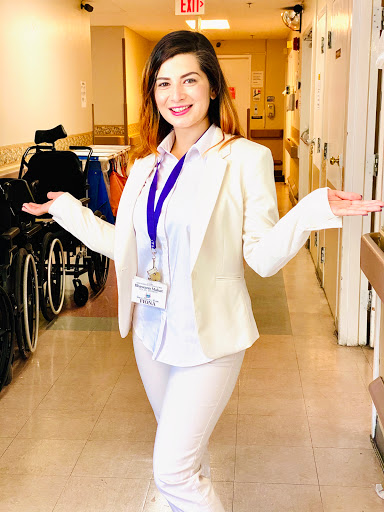
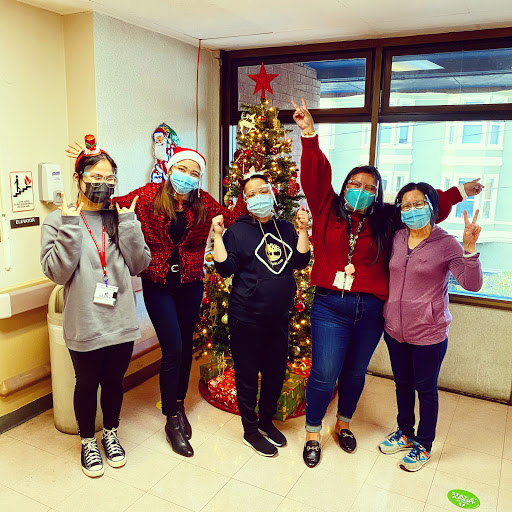
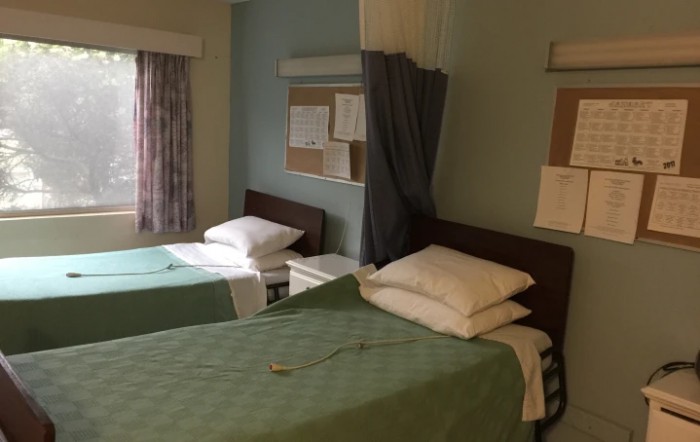
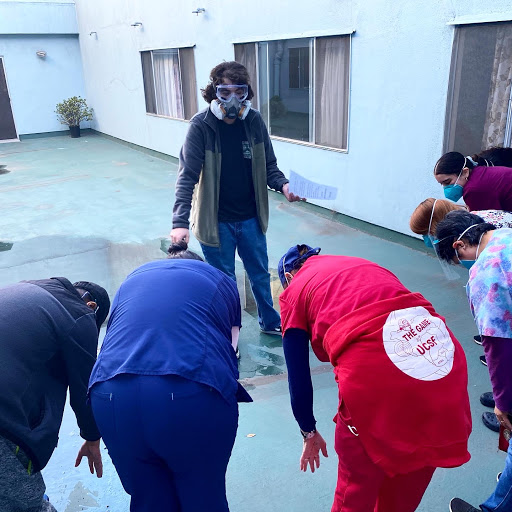
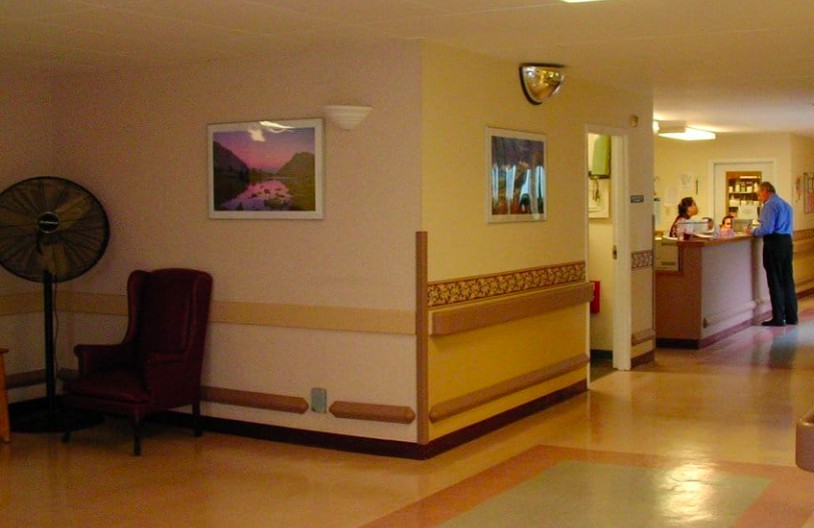
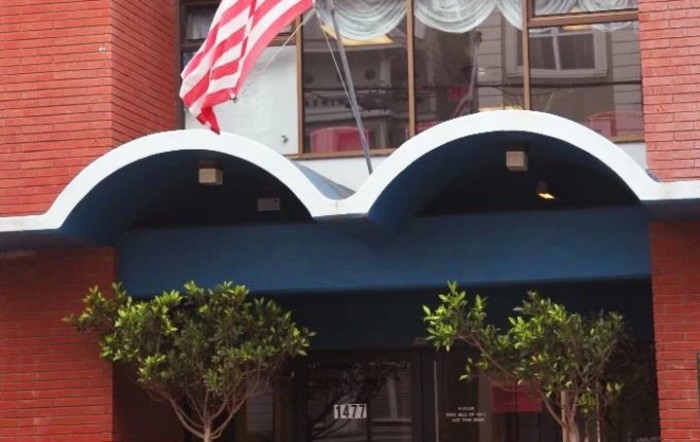
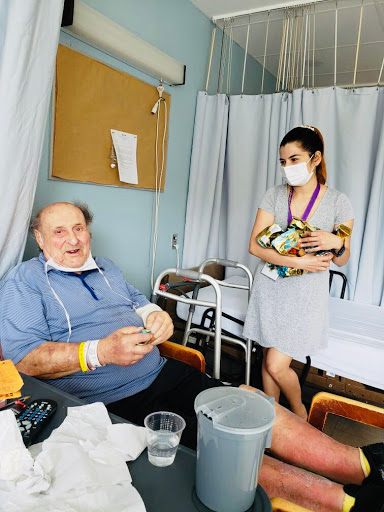
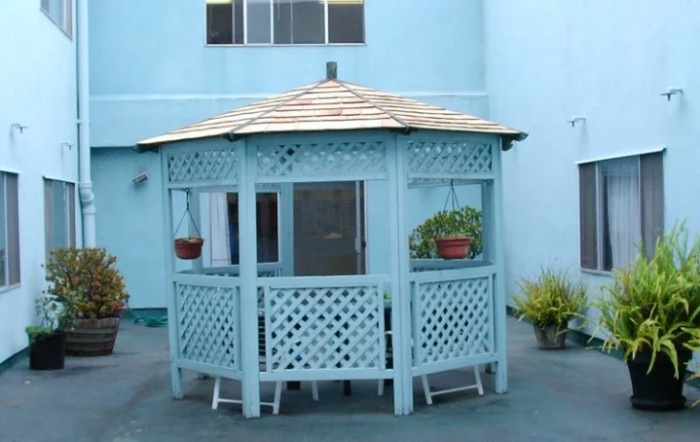
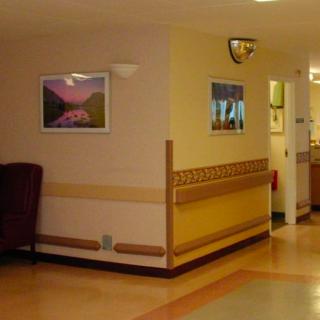
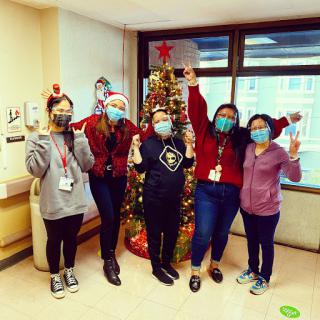
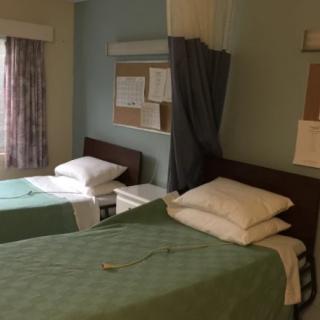
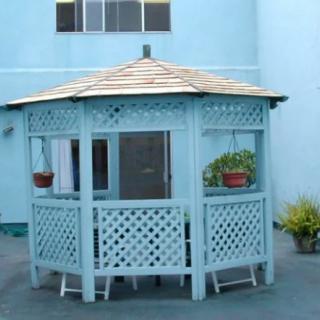
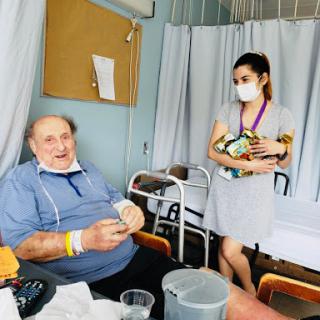
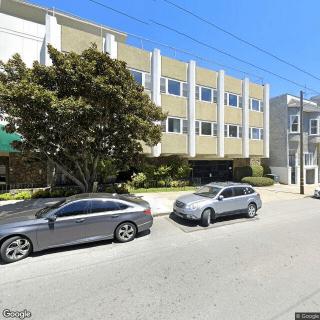
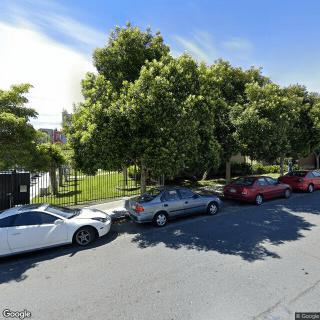
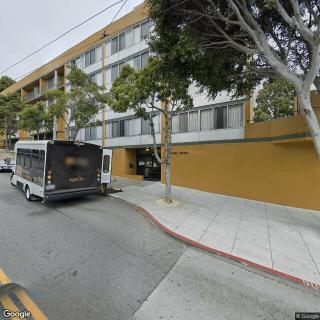
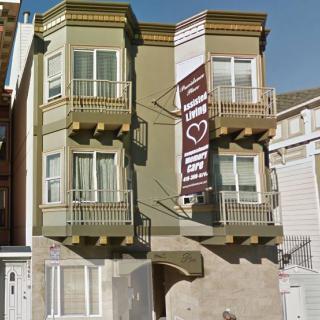
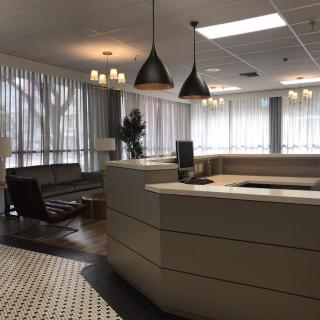
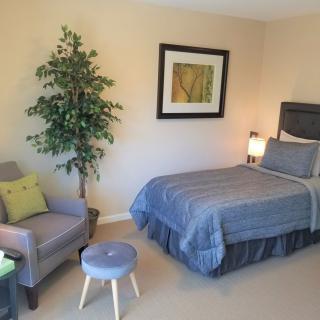
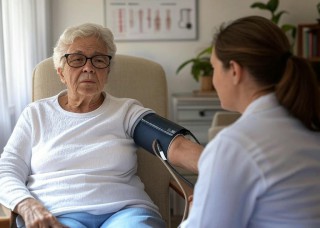
San Francisco Health Care on seniors.fyi includes 12 photos including images showing interior, healthcare, outdoor, windows, nurse, decor, hallway, wall art, and more.
Nearby Communities
Mercy Terrace Apartments
San Francisco, CA
3.7 from 7 reviews
Prime urban location with extensive nearby amenities.
Care And Care Residence I
San Francisco, CA
4.1 from 17 reviews
Intimate 14-bed community with comprehensive care.
ameriCARE - San Francisco, CA
San Francisco, CA
4.9 from 19 reviews
Excellent access to parks, dining, pharmacies, and healthcare.
Victorian Manor
San Francisco, CA
3.4 from 18 reviews
$4,500 to $6,000 / month
Attentive staff, engaging activities, and larger resident rooms.
Laurel Gardens Apartments
San Francisco, CA
5 from 1 review
Excellent access to healthcare, dining, parks, and other amenities for independent living.
El Bethel Arms Apartments
San Francisco, CA
5 from 3 reviews
Prime San Francisco location with extensive nearby amenities (cafes, parks, restaurants, pharmacies, theaters, medical services).
Providence Place
San Francisco, CA
4.4 from 46 reviews
$7,600 to $15,200 / month
Attentive staff with personalized care, excellent meals, and a warm, homelike atmosphere with engaging activities.
Pacific Heights Transitional Care Center
San Francisco, CA
4.7 from 128 reviews
Professional, attentive staff delivering personalized care and strong rehabilitation support.
Ivy Park At Cathedral Hill
San Francisco, CA
4.1 from 49 reviews
Beautiful, clean facility with friendly staff, diverse activities, and a convenient SF location.
The guide details ten essential responsibilities of senior caregivers, including personal care, mobility assistance, medication management, and emotional support, while emphasizing the importance of safety, nutrition, and maintaining a safe living environment to enhance seniors' quality of life and independence.
The article highlights nine memory-boosting activities for seniors that enhance cognitive health and social interaction, including puzzles, trivia quizzes, and storytelling, while emphasizing the importance of adapting these activities to individual preferences to maximize enjoyment and engagement. Consistent mental engagement is linked to improved cognitive function and emotional well-being in older adults.
Medicare provides limited coverage for skilled nursing home care, covering full benefits for the first 20 days and partial benefits up to 100 days under certain conditions, after which families must explore alternative funding options like Medicaid or long-term care insurance to manage potentially high costs. Proactive planning is essential to navigate the complexities of financing ongoing care once Medicare coverage ends.
Get PricingAsk A QuestionSchedule A TourContact Senior Advisor
By clicking submit, you agree to our Partner's Terms of Use. You
also consent to receive calls and texts, which may be autodialed, from our Partner. Your consent is not a condition to
using our Partner's service. Please visit our Partner's Privacy Policy for information about their privacy practices.



 168 resident community capacity
 Skilled Nursing Facility
 Air-conditioning
 Beauty salon
 Cable or satellite TV
 Computer center
 Dining room
 Fitness room
 Fully furnished
 Gaming room
 Garden
 Housekeeping services
 Kitchenette
 Move-in coordination
 Outdoor space
 Private bathrooms
 Restaurant-style dining
 Small library
 Telephone
 Wellness center
 Wi-Fi/high-speed internet available
 San Francisco International (11 miles away)
 Community operated transportation
 12-16 hour nursing
 24-hour call system
 Activities of daily living assistance
 Assistance with bathing
 Assistance with dressing
 Assistance with transfers
 Diabetes diet
 Medication management
 Mental wellness program
 Special dietary restrictions
 Concierge services
 Planned day trips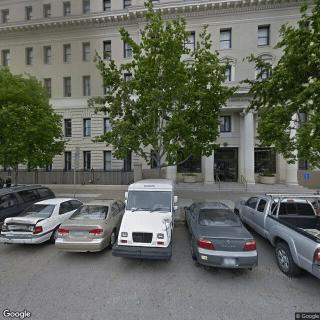
 Prime urban location with extensive nearby amenities.
 Ten Vital Duties of a Senior Caregiver: A Comprehensive Guide
 9 Stimulating Memory Activities for Seniors: Puzzles, Cards, and Much More
 Managing Nursing Home Expenses After Medicare Coverage Ends