

1444 McAllister Street, San Francisco, CA 94115
For more information about senior living options: (866) 208-4318
Victorian Manor Costs & Pricing
At Victorian Manor, the monthly costs for resident accommodations reflect a blend of quality and value when compared to both San Francisco County and the wider California market. For a semi-private room, residents will find that the rate of $4,500 is notably higher than the county average of $3,979 but remains competitive against California's overall average of $3,333. Meanwhile, those seeking a studio will encounter a monthly fee of $6,000; while this aligns closely with San Francisco County's higher average of $7,708, it significantly surpasses California's statewide average of $4,145. Ultimately, Victorian Manor offers attractive options tailored to different budget needs while maintaining its commitment to providing exceptional care and services.
| Floor plans | Victorian Manor | San Francisco County | California |
|---|---|---|---|
| Semi-Private | $4,500 | $3,979 | $3,333 |
| Studio | $6,000 | $7,708 | $4,145 |
Memory care communities with a similar price nearby
-
from +$500 / mo

Blessing Home
$5,000 to $6,000 / month20.4 miles away -
from -$500 / mo

Golden Age Of Channing Way
$4,000 to $5,000 / month10.6 miles away -
About the same
Lafayette Gardens
$4,500 to $5,000 / month19.1 miles away -
from -$525 / mo

Merrill Gardens at Lafayette
$3,975 to $8,995 / month19.3 miles away -
from +$600 / mo

Aegis of Moraga
$5,100 to $6,150 / month17.1 miles away
Overall Review of Victorian Manor
Pros
 The staff are super attentive and genuinely care about the residents’ quality of life.
- They are heaven-sent, showing care beyond a job and bringing blessings to families.
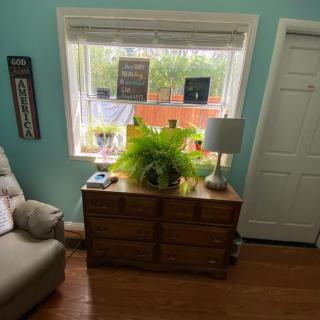
- The resident rooms are larger than those at other facilities, offering a more comfortable environment.
- The food is great, and dietary needs are accommodated over the years.
- The activities program is wonderful and engaging for residents.
- The staff show amazing understanding and patience with residents.
Cons
 The living atmosphere was horrible.
- Residents were left in wheelchairs in the hall and not cared for properly.
- There were too many patients for the available staff, leading to neglect.
- They didn’t give people enough time to eat, and food was discarded if not eaten quickly.
- Meals were greasy, processed, and lacked fresh vegetables; desserts were often canned.
- The facility looked institutional and not welcoming, with worn furnishings.
- The facility was dirty and the staff appeared unprofessional.
- Residents were scalded with hot water and suffered UTIs, indicating safety issues.
Review
Victorian Manor in San Francisco is best suited for families that place a premium on visible, caring staff and a lively activities program, and for residents who benefit from a substantial, homey-feel setting rather than a sleek, modern campus. This community can work well for seniors who value consistent companionship, patient dementia care, and meals that can be adapted to changing dietary needs. It is not the right fit for those who demand impeccable cleanliness, modern interiors, or a spotless clinical environment as a baseline expectation, nor for families that cannot tolerate noticeable gaps in staffing or supervision.
The positives are real for the right client. Multiple families report super attentive staff and a sense that the team cares about quality of life, with administrative and caregiving staff whom they describe as genuinely committed. Long-tenured resident families highlight unusually large resident rooms for the city, meals that can be tailored to evolving diets, and an active programs calendar that includes exercise, drawing, and holiday entertainment. In dementia care scenarios, staff patience and understanding are repeatedly cited, suggesting a capacity for compassionate, person-centered support when the atmosphere aligns with these values. For families who can lean into consistent staff relationships and a robust activities schedule, these advantages can translate into meaningful daily life for their loved ones.
The drawbacks, however, are not trivial. A sizable portion of reviews centers on serious care and facility concerns: inconsistent staffing leads to neglect, with anecdotes of residents left in wheelchairs in hallways and insufficient time allotted for meals, sometimes accompanied by a troubling lack of fresh produce in menus. Odors, worn furnishings, and a look and feel that resembles an older, converted nursing home contribute to an institutional impression that many find unwelcoming. Tours can feel underprepared, and questions about levels of care are met with vagueness. Several families report safety and hygiene issues, such as a resident being scalded or ongoing urinary infections, which underscores the risk that staffing gaps can create in daily oversight. The overall atmosphere in some reviews is that the facility is dated and not particularly homey, with limited emphasis on upgrades or cosmetic improvements.
These competing forces, strong, compassionate caregiving and a warm, engaging activities program on the one hand, versus inconsistencies in staffing, cleanliness concerns, and an institutional ambiance on the other, shape the bottom line. Where the care team consistently shows up with patience, attentiveness, and genuine concern, the advantages can markedly offset the negatives: residents feel seen, dietary needs are respected, and engagement opportunities help preserve dignity and social connectedness. Conversely, when staffing shortfalls translate into delays, rushed meals, or lapses in cleanliness and supervision, the same strengths can be erased, leaving families wondering whether the environment matches the level of care promised.
For families weighing alternatives, the decision hinges on nonnegotiables. If a clean, modern, visually inviting setting with transparent care levels and strong clinical oversight is nonnegotiable, Victoria Manor may fall short. If, however, the priority is a facility where staff attitude and programmatic engagement are consistently highlighted and the family is prepared to actively monitor care, advocate, and participate in the resident’s daily life, Victorian Manor offers tangible value, for certain residents and families. Parking challenges on weekends and the occasional perception of waning upkeep are small but real considerations for those planning transportation logistics or seeking a bright, turnkey environment.
In the final analysis, Victorian Manor is not a one-size-fits-all choice. It rewards families willing to invest in staff relationships and to lean into a robust activities schedule, with the understanding that cleanliness and modern aesthetics may lag behind, and that care consistency is the engine that determines outcomes. Prospective families should insist on meeting direct care staff, reviewing current menus, and obtaining a candid tour focused on resident flow, safety checks, and actual care ratios. If these measures align with expectations, the community can deliver meaningful quality of life; if not, it is prudent to explore alternatives with stronger housekeeping standards, clearer care-level definitions, and a more contemporary environment.
 124 resident community capacity
 Studio apartments
 Assisted Living
 Hospice Agency
 Memory Care
 Respite Care
 Activities on-site
 Air-conditioning
 Beautician on-site
 Cable or satellite TV
 Computer center
 Devotional services off-site
 Dining room
 Fitness room
 Fully furnished
 Gaming room
 Garden
 Housekeeping services
 Indoor common areas
 Kitchenette
 Laundry
 Move-in coordination
 Outdoor space
 Party space
 Pet friendly
 Private bathrooms
 Restaurant-style dining
 Small library
 Telephone
 Wellness center
 Wi-Fi/high-speed internet available
 San Francisco International (12 miles away)
 Community operated transportation
 12-16 hour nursing
 24-hour call system
 Ambulatory care
 Assistance with bathing
 Assistance with dressing
 Assistance with transfers
 Diabetes diet
 Diabetic care
 Incontinence care
 Medication management
 Mental wellness program
 Special dietary restrictions
 Art classes
 Book club
 Concierge services
 Cooking classes
 Day trips and outings
 Educational speakers / life long learning
 Games
Games Happy hour
 Live dance or theater performances
 Live musical performances
 Cantonese







 Nourishing the Mind: Essential Dietary Approaches for Dementia
 Understanding Dementia Behaviors: Practical Insights and Strategies for Caregivers
 When Dementia Sparks Anger and Aggression: Understanding the Connection and Ways to Cope