
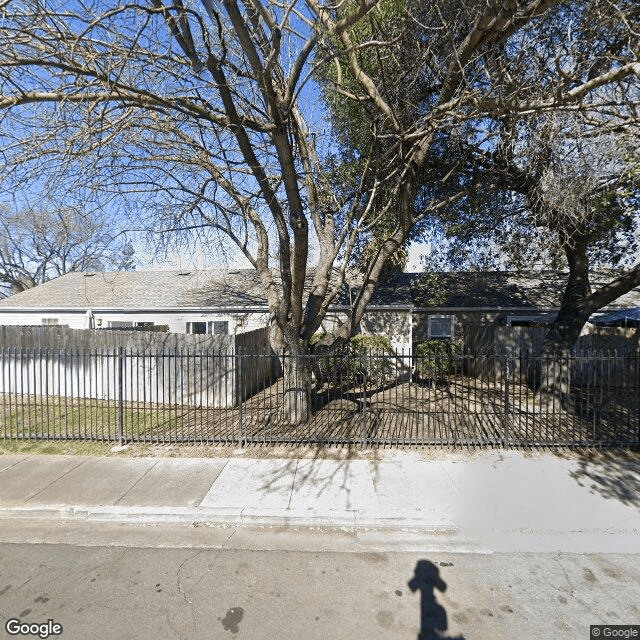
1825 El Monte Ave, Sacramento, CA 95815
To contact a resident: (916) 925-5673
For more information about senior living options: (866) 208-4318
Overall Review of Forrest Palms Senior Ctr Apartments
Pros
 The community is described as an active place to live for seniors.
- Everyone participates in the activities, indicating a strong sense of community.
- A longtime resident has lived there for nearly 23 years, reflecting long-term attachment.
Cons
 The apartments are completely roach-infested.
- Management does nothing.
- The Health Department hasn't cracked down on them.
- Under new management, residents don't even go to the community room.
- It's not a safe and healthy environment.
- This place has changed for the worse.
- The place has declined.
- There is too much gossip and favoritism.
- The place isn't nice.
Review
For Forrest Palms Senior Center Apartments in Sacramento, the clearly defined target is seniors who value an established, neighborhood feel and can tolerate meaningful service and environment gaps. The current narrative, however, makes that fit less than ideal for most people who expect pest control, proactive management, and a consistently safe, clean setting. The reviews depict a community that once offered an active social life but is now struggling under new leadership, with residents noting a drastic drop in participation, vacant common spaces, and a sense that the building is not being maintained to a senior-living standard. In practical terms, this is a community that may still carry historical appeal for long-time residents or those who have a tolerance for navigating ongoing management issues, but it is not a reliable match for someone counting on steady oversight and a consistently healthy environment.
Those who may want to consider alternatives are families and seniors who prioritize pest-free living, predictable management, and transparent operations. If a clean, well-maintained apartment with prompt maintenance responses and a disciplined approach to safety and health are non-negotiable, this community warrants a hard look elsewhere. Prospective residents who rely on on-site programming and an actively engaged community room to sustain social ties should view the current reality with skepticism; the lack of participation signals either dwindling programming or disengaged leadership, which undermines the purpose of choosing an independent or early-assisted living setting. In short, anyone needing reliable, proactive on-site management and a consistently vibrant social calendar should be evaluating other Sacramento options before making a commitment.
The positives, though buried under the broader concerns, point to a historical strength that savvy newcomers could leverage if the environment improves. One long-tenured resident notes almost 23 years of residence, underscoring that Forrest Palms once offered stability, social connectedness, and a sense of belonging that can be hard to find in other senior buildings. That continuity matters because it hints at potential peer networks and a built-in social fabric. An additional, albeit limited, data point is the presence of a 5-star rating among the overall score, suggesting that at least one reviewer found value in the community despite the current criticisms. Taken together, the past credibility and the possibility of rekindling a communal life indicate that the space could still appeal to residents who come in with a ready-made local network and a willingness to engage despite leadership shortcomings.
Yet the core cons weigh more heavily than the potential upsides. The most damning issue is a pervasive roach infestation, paired with management that many residents describe as indifferent or ineffective. Evidence of ongoing pest problems raises legitimate health and comfort concerns for seniors, particularly those with mobility issues or compromised immune systems. Add to that a perception of neglect or lack of accountability from on-site leadership, and the risk profile shifts decisively toward dissatisfaction and potential safety compromises. The decline under new management, accompanied by tense social dynamics, gossip, favoritism, and a not-nice atmosphere, further erodes trust in the community’s ability to deliver a respectful, supportive living environment. When common areas feel hollow and activities dwindle, the social value of a senior housing choice collapses from asset to liability.
Considering the balance of pros and cons, the favorable elements do not meaningfully offset the dominant negatives for most families. A stable, long-tenured social network and the historical activity level offer potential, but those benefits are hollow when faced with persistent pests and a management culture described as disengaged. The opportunity to re-create a thriving community hinges on decisive leadership, strong pest management, and transparent operations, areas that are currently problematic. For a prospective resident who can compartmentalize risk, rely on external supports, and actively advocate for improvements, there may still be a path to a livable situation. For anyone seeking predictable service, clean surroundings, and a consistently comfortable daily routine, this is a setting to approach with caution or to bypass in favor of alternatives.
Practical next steps for families evaluating Forrest Palms should be concrete and disciplined. Schedule multiple in-person tours with questions focused on pest control history, recent remediation efforts, and maintenance response times. Ask for copies of service orders and pest-control contracts, and request to speak with current residents about how quickly problems are addressed and whether safety concerns are followed up with tangible action. Probe the on-site management structure: who is responsible, how decisions are communicated, what accountability mechanisms exist, and whether turnover has been high. Compare the social calendar and programming to those of comparable communities, paying attention to whether residents feel energized or if the activities have dwindled to a hollow shell. Finally, weigh the option of a trial period or a shorter lease if available, and keep a clear list of non-negotiables, pest control, management responsiveness, and a respectful living environment, and hold the community to those standards before committing.
 Skilled Nursing Facility
 Sacramento International (9 miles away)




 Comprehensive Guide to Qualifying for Home Health Care Services
 Powerful Realities of Elder Abuse and the Most Effective Ways to Report It
 Ten Vital Duties of a Senior Caregiver: A Comprehensive Guide