
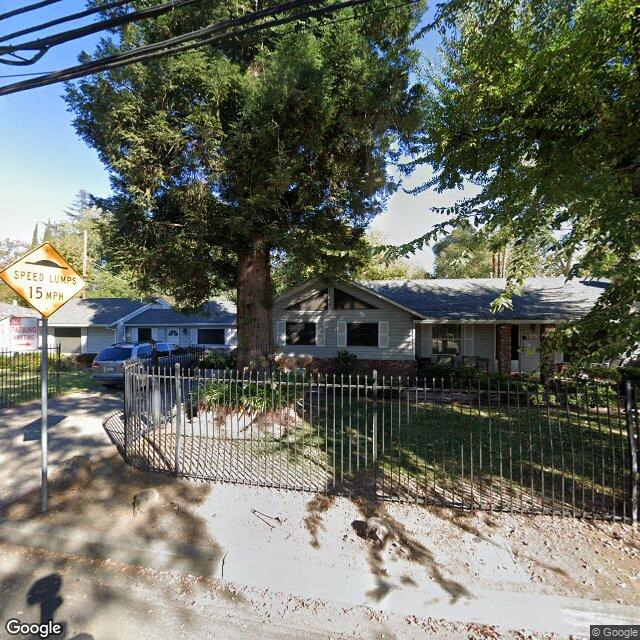
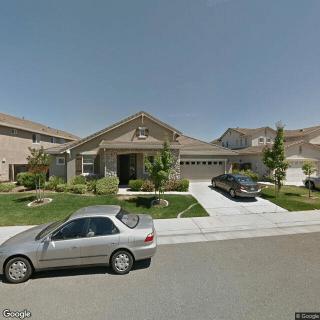
2052 Canterbury Road, Sacramento, CA 95815
To contact a resident: (916) 565-1203
For more information about senior living options: (866) 208-4318
Canterbury House Costs & Pricing
Canterbury House offers a competitive monthly rate of $3,700 for private rooms, which is slightly above the average cost in Sacramento County at $3,686 but below the broader California state average of $3,939. This positioning reflects Canterbury House's commitment to providing quality care while remaining mindful of affordability in comparison to regional and statewide pricing trends. The slight premium over county rates may be indicative of enhanced services or amenities that contribute to an overall positive living experience for residents.
| Floor plans | Canterbury House | Sacramento County | California |
|---|---|---|---|
| Private | $3,700 | $3,686 | $3,939 |
Senior living communities with a similar price nearby
-
from -$700 / mo
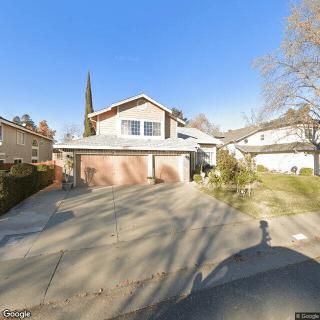
Afable Care Home
$3,000 to $3,500 / month9.7 miles away -
from +$300 / mo
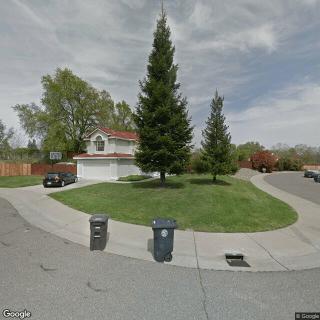
Sungarden Villa II
$4,000 / month12.2 miles away -
from -$200 / mo
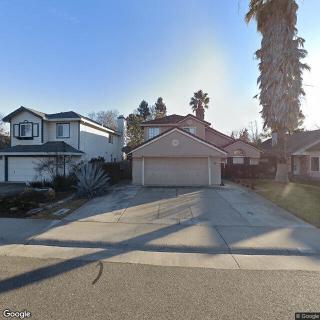
Tabitha Home Care
$3,500 to $4,000 / month13.0 miles away -
from +$450 / mo
Ferrari
$4,150 to $5,500 / month19.3 miles away -
from -$700 / mo
Love & Care for Elder
$3,000 to $4,500 / month10.0 miles away
Overall Review of Canterbury House
Cons
 The reviewers note that the community serves residents frozen foods and that little attention is paid to residents.
- The tour showed three residents on the couch wrapped in blankets watching TV, implying neglect.
- The community seemed depressing.
- Caregivers come on different days, and a younger person works on weekends, indicating a lack of continuity in care.
- There appears to be no continuity with this community.
Review
Canterbury House in Sacramento is best suited for residents who do not require intensive, consistently hands-on care and for families that can supplement attention and social engagement from outside the community. The atmosphere described in the visit stories is quiet and subdued, with a sense that daily life lacks energy or purposeful activity. For seniors who are largely independent or who rely mainly on occasional assistance, this setting may cover the basics. However, for anyone expecting a warm, engaging, and reliably attentive environment, Canterbury House falls short. This is not a strong match for residents who need steady caregiving, frequent meaningful interaction, or an uplifting daily rhythm.
The most salient drawbacks revolve around care quality and daily life as observed by visitors. Residents were described as being served frozen foods, with little visible attention from staff. On the tour, multiple residents were found on a couch under blankets, passively watching TV, which conveys a discouraging level of stimulation and human connection. The caregiving model is unstable: different aides come on different days, and weekend staffing skews younger, introducing noticeable gaps in familiarity and continuity. In short, the care plan appears inconsistent and reactive rather than proactive, leaving families with questions about what happens when needs change or when a resident requires timely assistance.
There are effectively no meaningful positives highlighted in the available feedback. The absence of clear, redeeming strengths means there is no offset to the core issues described. With meals, engagement, and staffing all falling below expectations, Canterbury House does not present compensating value. The overall impression is of a facility that feels under-resourced and under-staffed from the perspective of families seeking comfort, dignity, and a dependable daily routine for a loved one. That void of proactive attention is the most troubling signal for anyone evaluating long-term placement.
For families seriously considering Canterbury House, the evaluation should center on verifiable, concrete assurances. Demand an in-person observation during mid-day activity and request direct access to the administrator to discuss care planning, staffing schedules, and contingency coverage. Seek a current menu, sample meals, and a glimpse of how dining is organized, critical to assessing whether nutritional quality and choice are actually addressed. Ask about caregiver-to-resident ratios, how staff assignments are managed across shifts, and what practices exist to preserve continuity when staff members rotate. Insist on an evidence-based approach to personalized care plans, regular resident assessments, and clear channels for addressing concerns. Without demonstrated stability, warmth, and responsiveness, the appeal rapidly diminishes.
When weighing Canterbury House against viable alternatives, prioritize staffing consistency, on-site engagement, and the degree of personal attention residents receive. Look for facilities with a stable care team assigned to the same residents, predictable schedules, and proactive designers of daily activities that encourage social interaction and purposeful movement. The physical environment should invite residents to participate, not simply exist; common areas ought to spark conversation, and staff should be present and engaged rather than distant. For families, the critical test is whether the community can deliver reliable attention and a humane, engaging daily experience reliably, not only sporadically.
Bottom line: Canterbury House is unlikely to satisfy families who require dependable, attentive care and a stimulating living environment. It is reasonable to consider only if other factors, such as very tight budget constraints or a preference for a minimal-engagement setting, defy more suitable options. For those prioritizing safety, consistency, and companionship, the search should continue elsewhere. A prudent approach is to compare multiple communities that demonstrate steady staffing, better meal programs, and a more inviting atmosphere, ensuring the chosen home supports dignity, routine, and genuine resident connection.
 Board and Care Home
 Bath tubs
 Private
 Sacramento International (10 miles away)
 Diabetic care
 High acuity care
 Medication management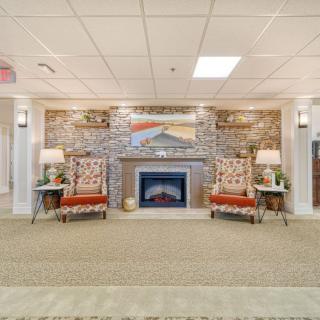
 Helpful, friendly staff; active, clean community with engaging activities and good meals.



 Navigating the Tax Landscape of Caregiving: Credits, Deductions, and Beyond
 Highly Beneficial Low-Impact Exercises for Senior Living Residents
 Is In-Home Healthcare Tax Deductible? Your Comprehensive Guide