The Woodlake offers a range of accommodation options at competitive pricing compared to both Sacramento County and the broader California market. For instance, their studio apartments are priced at $4,175 per month, which is slightly above the county's average of $3,865 but aligns closely with the state average of $4,145. Semi-private rooms at The Woodlake are priced significantly higher at $5,455, juxtaposed against much lower averages of $3,106 in the county and $3,333 statewide. One-bedroom units similarly reflect this trend, costing $5,465 while county and state averages sit at $3,758 and $4,340 respectively. Finally, for those seeking more space, The Woodlake's two-bedroom option is listed at $6,920 - a notable premium over both Sacramento County's average of $4,303 and California's average of $5,270. Overall, while The Woodlake presents higher costs than local and state competitors across most room types, it emphasizes quality living that may justify the investment for prospective residents.
Floor plans
The Woodlake
Sacramento County
California
Studio
$4,175
$3,865
$4,145
Semi-Private
$5,455
$3,106
$3,333
1 Bedroom
$5,465
$3,758
$4,340
2 Bedrooms
$6,920
$4,303
$5,270
Memory care communities with a similar price nearby
Residents and families repeatedly describe a team that is kind, responsive, and easy to work with.
Across multiple reviews, residents’ families say the staff is friendly, helpful, and quick to respond to requests. Several reviewers also mention feeling reassured because communication is consistent and the team treats loved ones with consideration. A few reviews point out slower administration or breakdowns in follow-through, but even those comments still describe moments of strong personal support.
common14 reviews mention this
Dining quality stands out
Dining is frequently praised, with residents and families describing meals as notably good.
Many reviewers highlight meal quality, including praise for the chef and meals that feel better than what they expected. Several also describe restaurant-style dining, along with variety like special brunch events. There are also a couple of negative food-related mentions, including concerns about mediocrity and an incident involving spoiled food, so dining satisfaction isn’t universal.
common13 reviews mention this
Activities help residents stay engaged
Reviews repeatedly mention engaging activities and a steady daily schedule.
Residents and families often say the community keeps people involved, with activities ranging from fitness and arts to outings and holiday events. Multiple reviews describe residents looking forward to the schedule and forming friendships through shared programming. While some reviews focus more on care and logistics, the overall tone across many comments is that there’s usually something happening.
caveat3 reviews mention this
Memory care staffing is inconsistent
Some families say memory care has staffing and supervision gaps.
A few reviews express concern that memory care supervision isn’t strong enough and that there aren’t enough staff for residents. Others go further and say the memory care program doesn’t feel adequately staffed or trained for dementia care needs. At the same time, multiple reviews describe memory care residents as well cared for and engaged, which suggests experiences may vary.
caveat3 reviews mention this
Costs and refund timelines raise concerns
Pricing and administrative follow-through are common points of frustration.
Several reviews mention concerns about cost and affordability, including rate increases and overall expense compared with other options. Separately, at least one reviewer describes a deposit refund request with delays and no meaningful updates within the promised timeframe. These issues can affect trust for some families even when reviews are otherwise positive about care and day-to-day interaction.
How we summarize
Counts show how many written reviews mention each theme; a review can touch several themes, and only frequently mentioned themes are displayed.
Features
Housing
144 resident community capacity
Types of Care
Assisted Living
Independent Living
Memory Care
Pets
Cats allowed
Dogs allowed
Amenities
Activities off-site
Activities on-site
Air-conditioning
Beautician on-site
Beauty salon
Cable or satellite TV
Computer center
Devotional services off-site
Devotional services on-site
Dining room
Fitness room
Fully furnished
Gaming room
Garden
Ground floor units
Handicap accessible
Housekeeping services
Indoor common areas
Kitchenette
Move-in coordination
Outdoor common areas
Outdoor space
Private bathrooms
Respite or short term stays offered
Restaurant-style dining
Small library
Spa
Telephone
Wellness center
Wheelchair accessible showers
Wi-Fi/high-speed internet available
Transportation
Sacramento International (10 miles away)
Community operated transportation
Transportation arrangement
Transportation arrangement (non-medical)
Transportation to doctors appointments
Care Services
12-16 hour nursing
24-hour call system
24-hour supervision
Activities of daily living assistance
Ambulatory care
Assistance with bathing
Assistance with dressing
Assistance with transfers
Coordination with health care providers
Dementia waiver
Diabetes diet
Hospice waiver
Incontinence care
Meal preparation and service
Medication management
Mental wellness program
Mild cognitive impairment
Special dietary restrictions
Specialized memory care programming
Transportation arrangement (medical)
Transportation to doctors appointments
Dining
Anytime dining
Diabetes diet
Gluten-free
Guest meals
International cuisine
Kosher
Low / no sodium
Meals provided
No Sugar
Organic
Professional chef
Restaurant style dining
Room service
Special dietary restrictions
Special dining programs
Vegan
Vegetarian
Activities
Art classes
Catholic services
Community-sponsored activities
Concierge services
Cooking classes
Devotional activities offsite
Devotional activities on-site
Educational speakers / life long learning
Fitness programs
Jewish services
Live well programs
Mormon/LDS services
Other religious services
Planned day trips
Resident-run activities
Scheduled daily activities
Visiting chaplain or priest
Videos
Nearby Places of Interest
This part of Sacramento, California offers a variety of healthcare options, including physicians specializing in ear, nose, and throat conditions, eye care, skin surgery, and sleep solutions. There are several pharmacies conveniently located within a few miles for easy access to medications. The area also features beautiful parks like Sutter's Landing and McKinley Park, perfect for leisurely walks or picnics. In terms of dining options, there is a diverse selection of restaurants serving various cuisines, as well as cozy cafes for enjoying a cup of coffee. Nearby places of worship like St Francis of Assisi cater to spiritual needs, while transportation options such as Amtrak make it convenient to travel. Additionally, there is a hospital nearby for any medical emergencies and an entertainment venue like Regal Natomas Marketplace for movie enthusiasts. Overall, this neighborhood provides a blend of healthcare services, recreation opportunities, dining choices, and cultural amenities that could make it a suitable location for senior living in Sacramento.
Physicians
Tak Andrew J MD (0.4 miles)
Sacramento Ear Nose & Throat (0.4 miles)
Sacramento Eye Consultants (1 miles)
Eye Designs Optometry - Arden (1.6 miles)
Laser & Skin Surgery Center of Northern California (2 miles)
McIlraith Thomas B MD Mercy General Hospital (2 miles)
The Woodlake offers a range of accommodation options at competitive pricing compared to both Sacramento County and the broader California market. For instance, their studio apartments are priced at $4,175 per month, which is slightly above the county's average of $3,865 but aligns closely with the state average of $4,145. Semi-private rooms at The Woodlake are priced significantly higher at $5,455, juxtaposed against much lower averages of $3,106 in the county and $3,333 statewide. One-bedroom units similarly reflect this trend, costing $5,465 while county and state averages sit at $3,758 and $4,340 respectively. Finally, for those seeking more space, The Woodlake's two-bedroom option is listed at $6,920 - a notable premium over both Sacramento County's average of $4,303 and California's average of $5,270. Overall, while The Woodlake presents higher costs than local and state competitors across most room types, it emphasizes quality living that may justify the investment for prospective residents.
The Woodlake's comprehensive features are designed to support residents with dementia or Alzheimer's disease in multiple facets of their daily lives, enhancing both safety and quality of care. With 24-hour supervision, residents receive constant monitoring, which helps prevent wandering and ensures immediate assistance in emergencies. The provision of assistance with activities of daily living--such as bathing, dressing, and transfers--promotes independence while ensuring personal hygiene and comfort are maintained. Coordination with healthcare providers allows for tailored medical interventions that are crucial for individuals managing chronic conditions alongside cognitive decline. The dementia waiver facilitates access to specialized care programs that cater specifically to the nuances of memory loss, while incontinence care addresses dignity and comfort during challenging times. Meal preparation and service ensure balanced nutrition is consistently provided, contributing to overall health while medication management safeguards against errors that can arise from forgetfulness. Additionally, a mental wellness program focuses on the emotional needs of residents, bolstering psychological resilience amidst cognitive challenges. For those experiencing mild cognitive impairment, specialized memory care programming offers structured activities that engage the mind and promote social interaction. Lastly, transportation arrangement for medical appointments alleviates stress for families and residents alike by providing reliable access to necessary healthcare services.
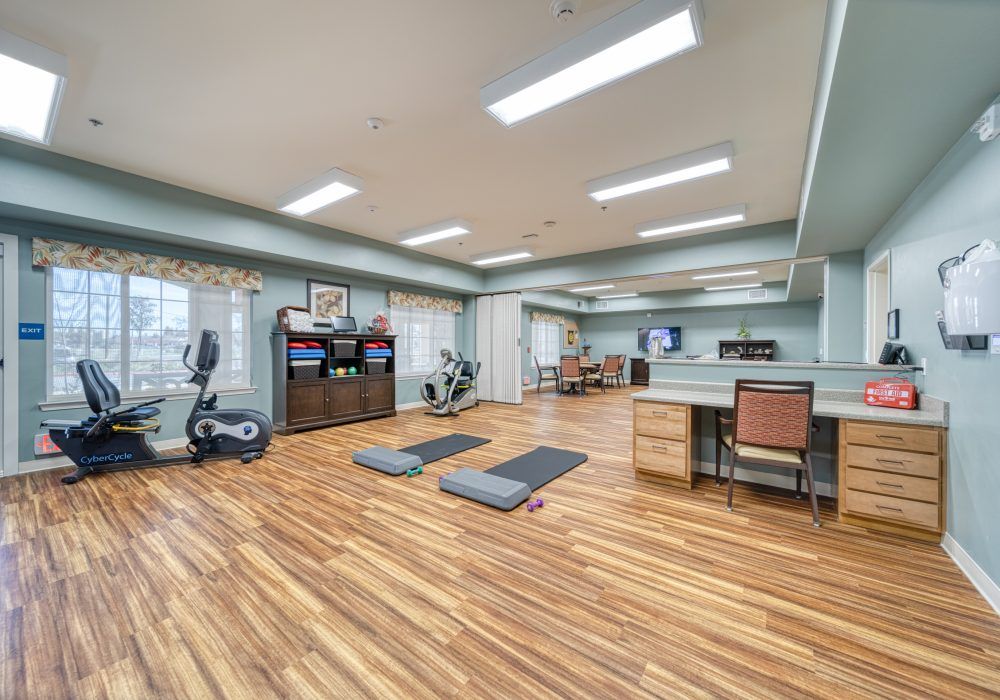
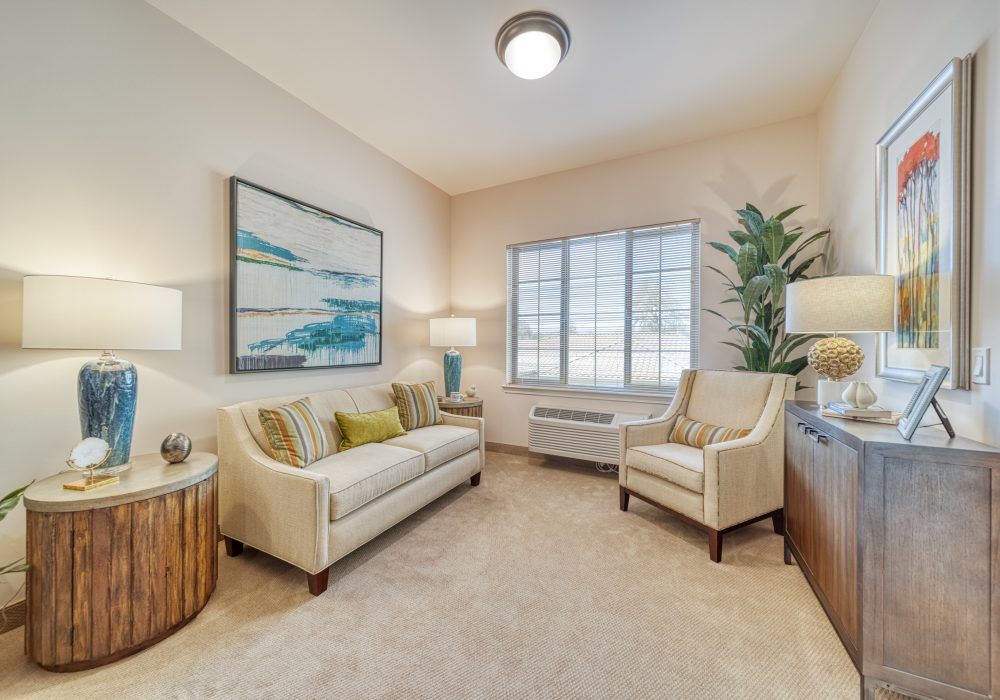
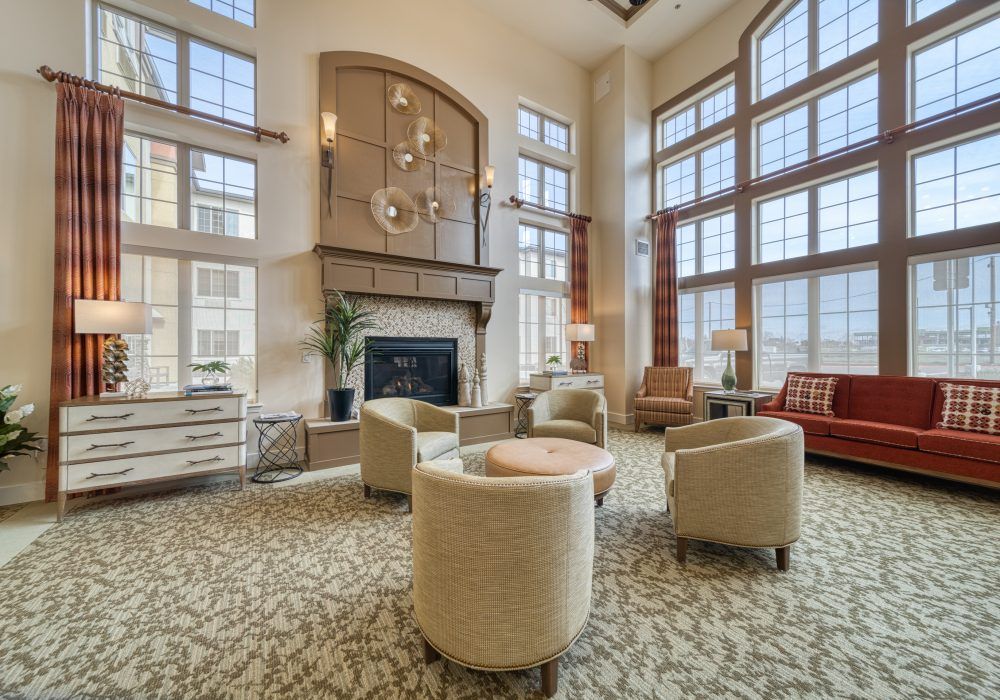
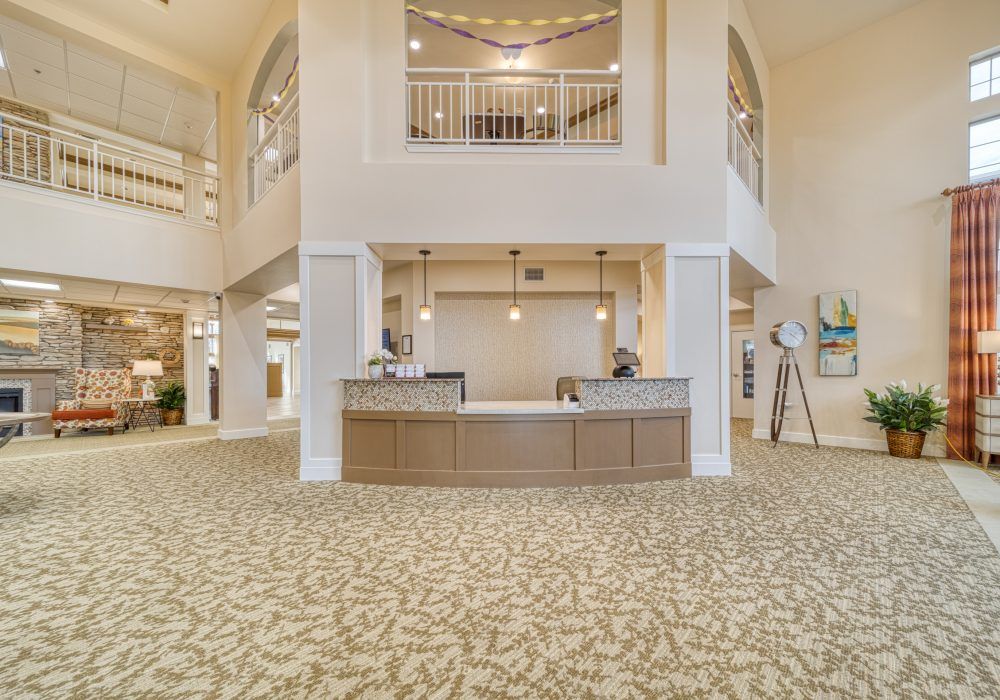
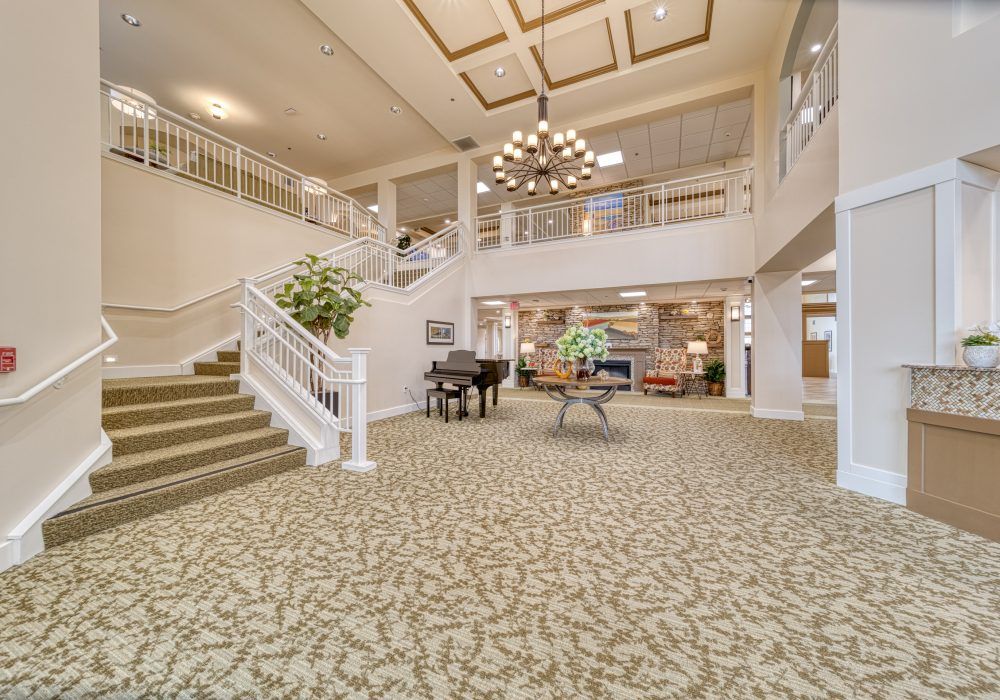
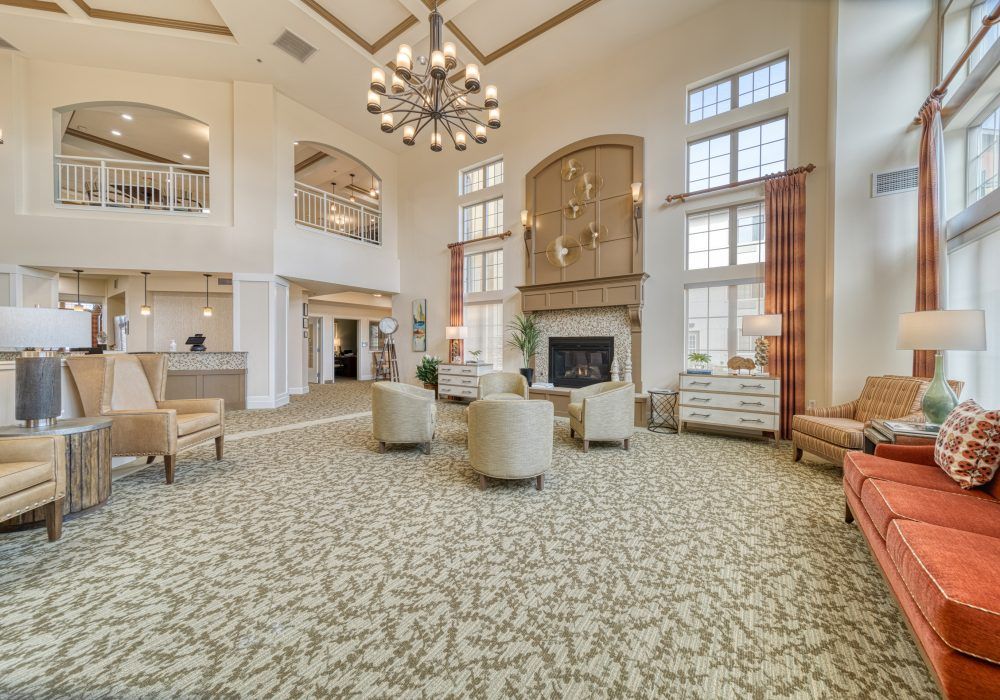
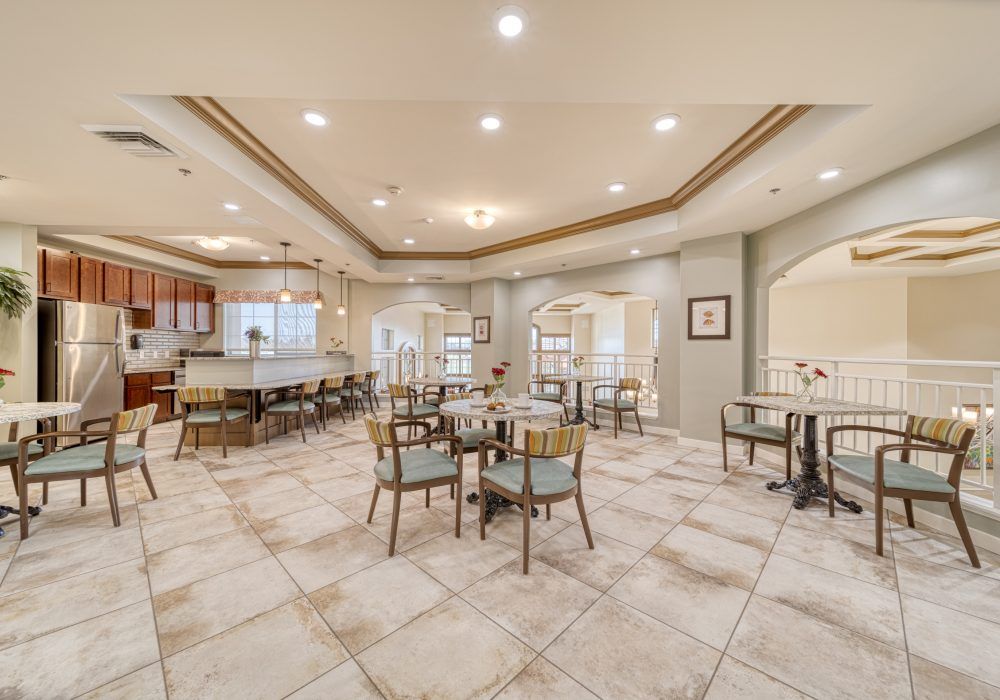
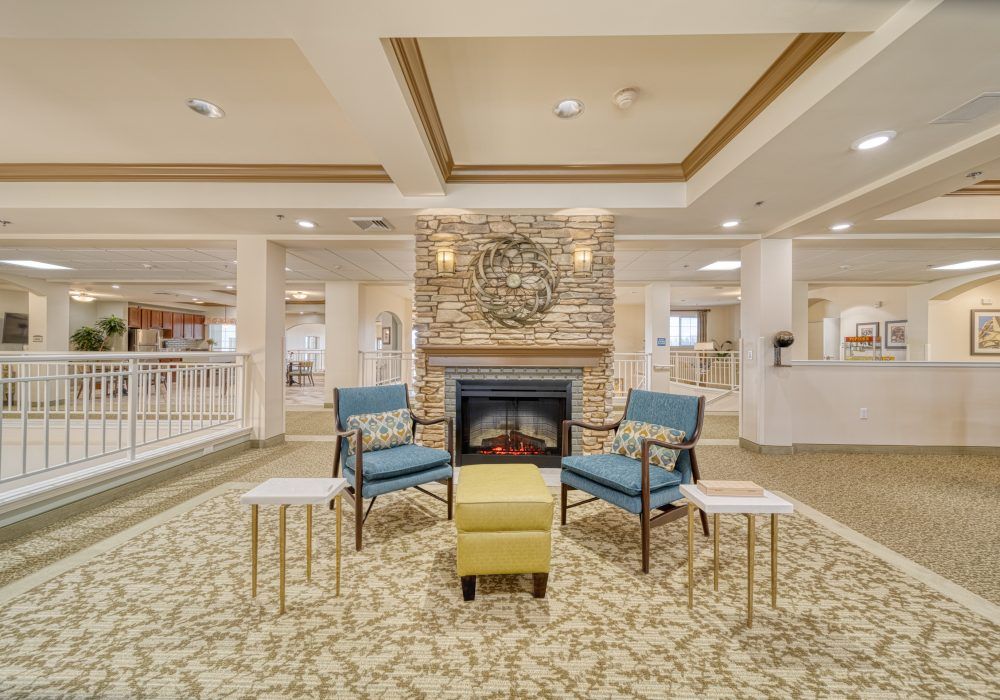
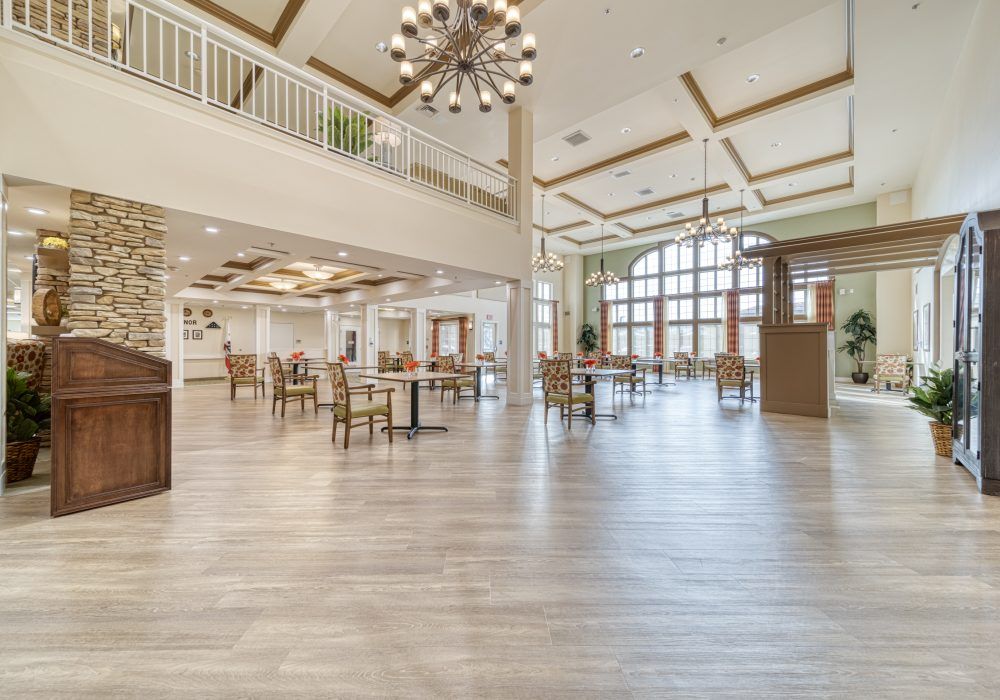
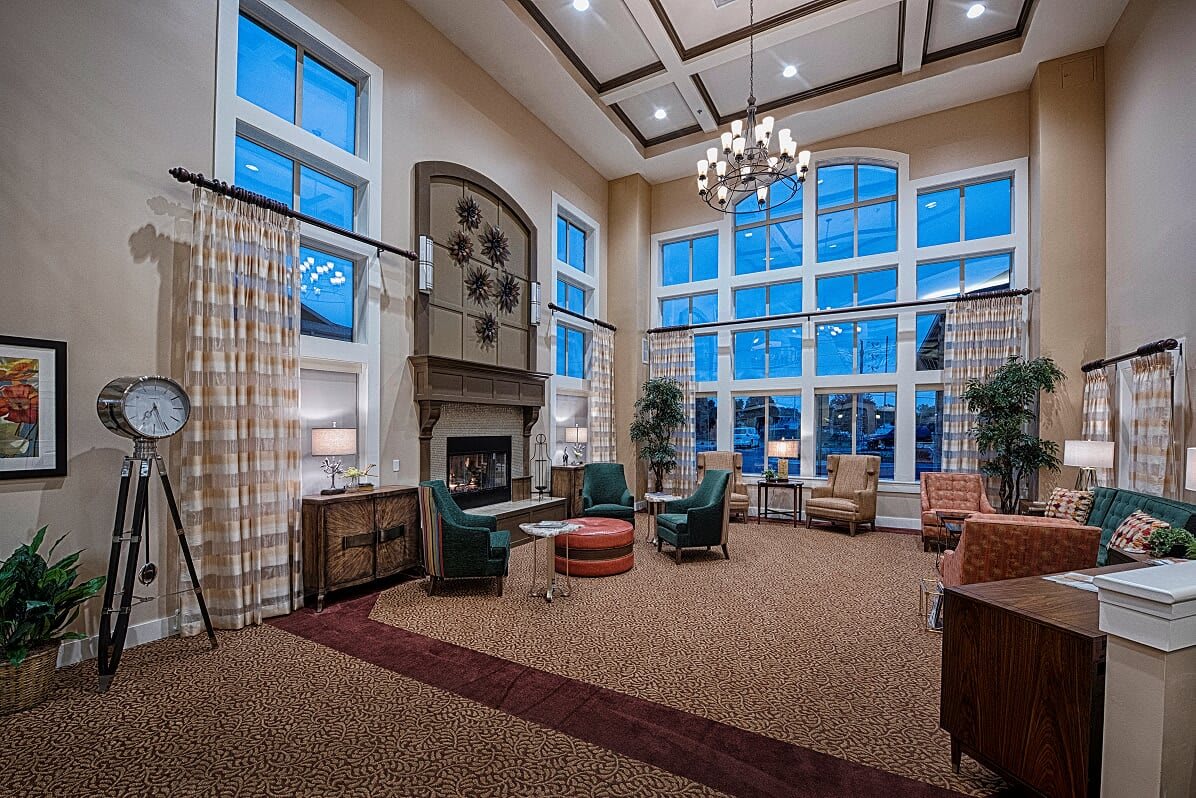
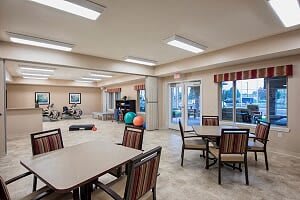
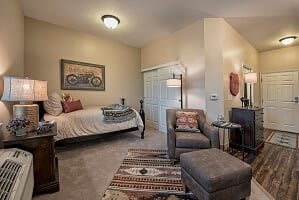
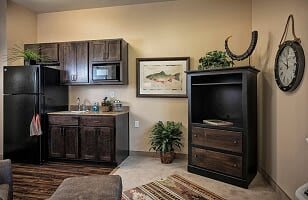
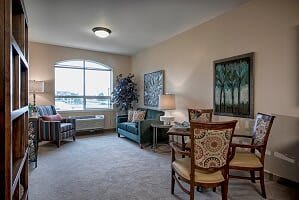
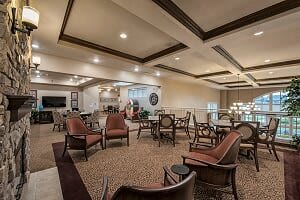
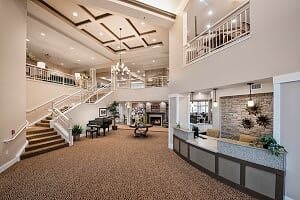
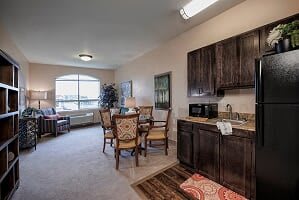
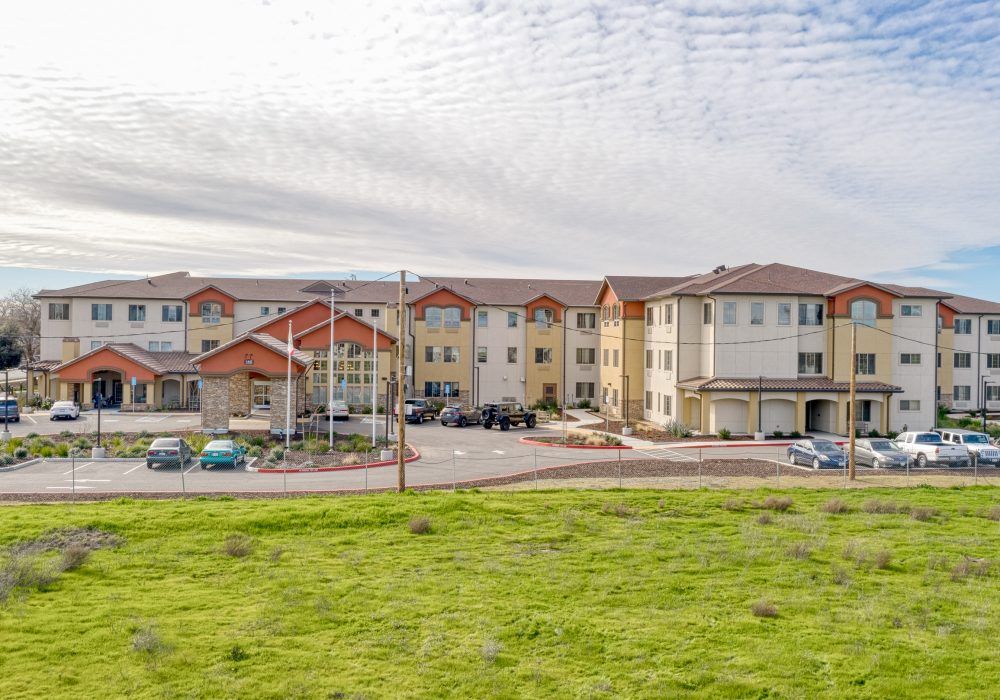
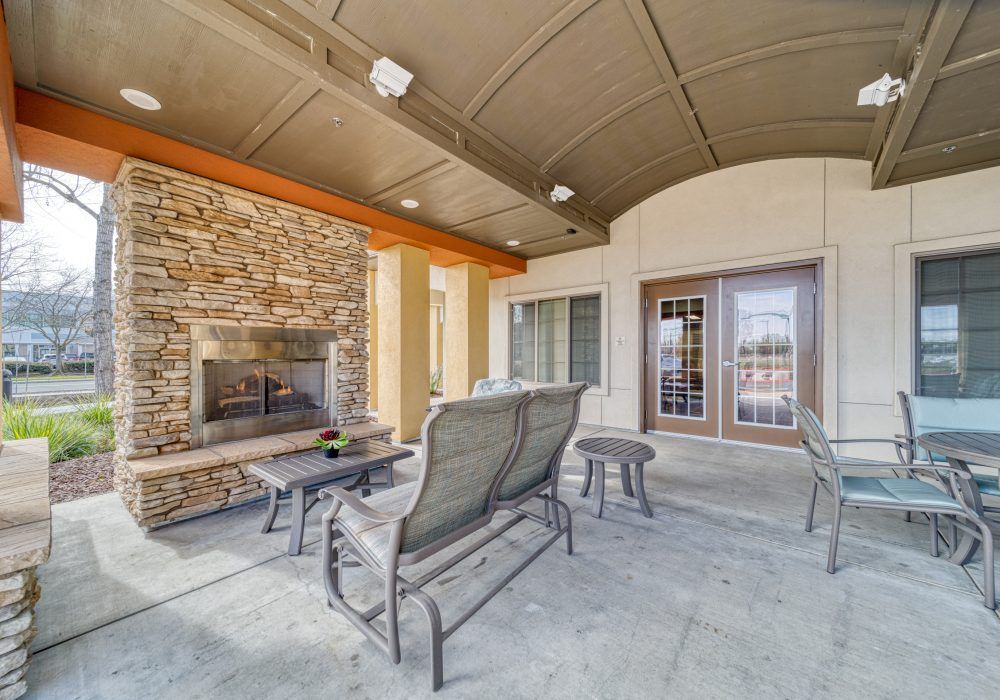
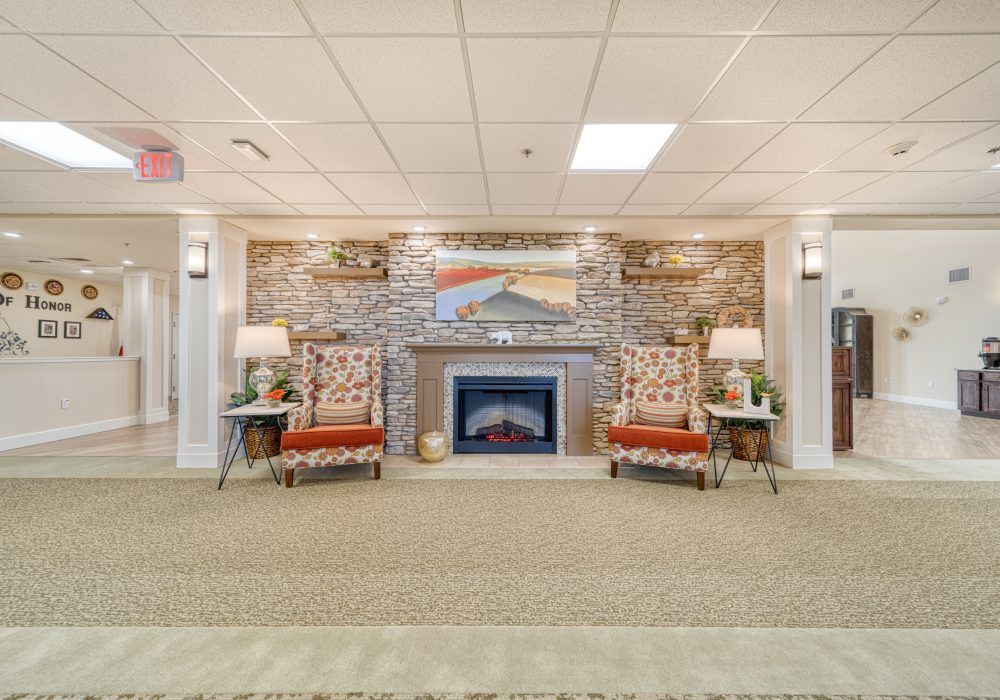
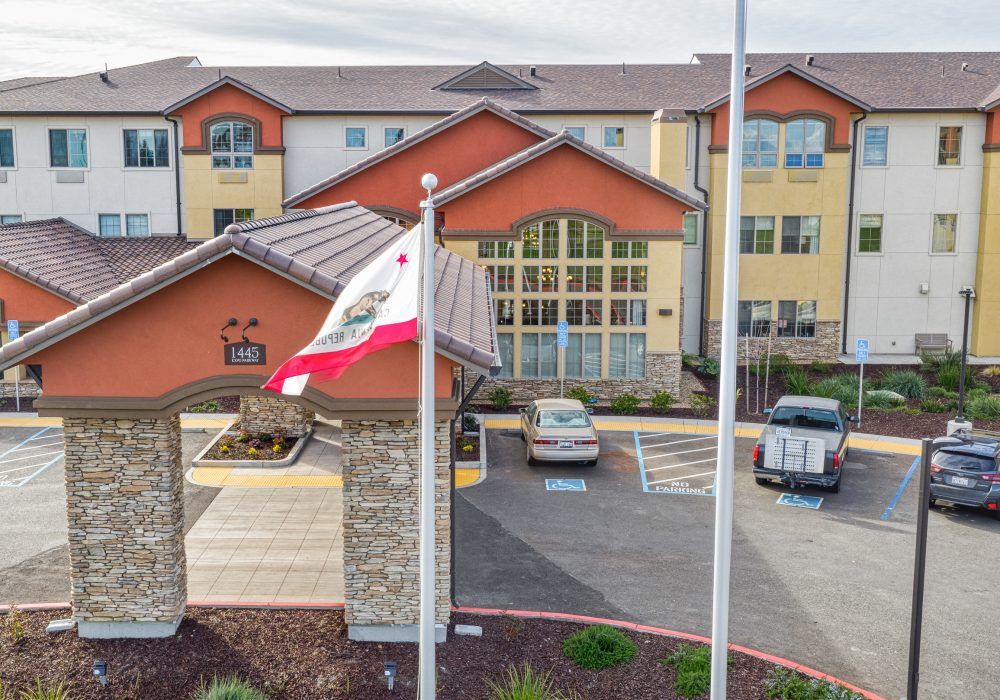
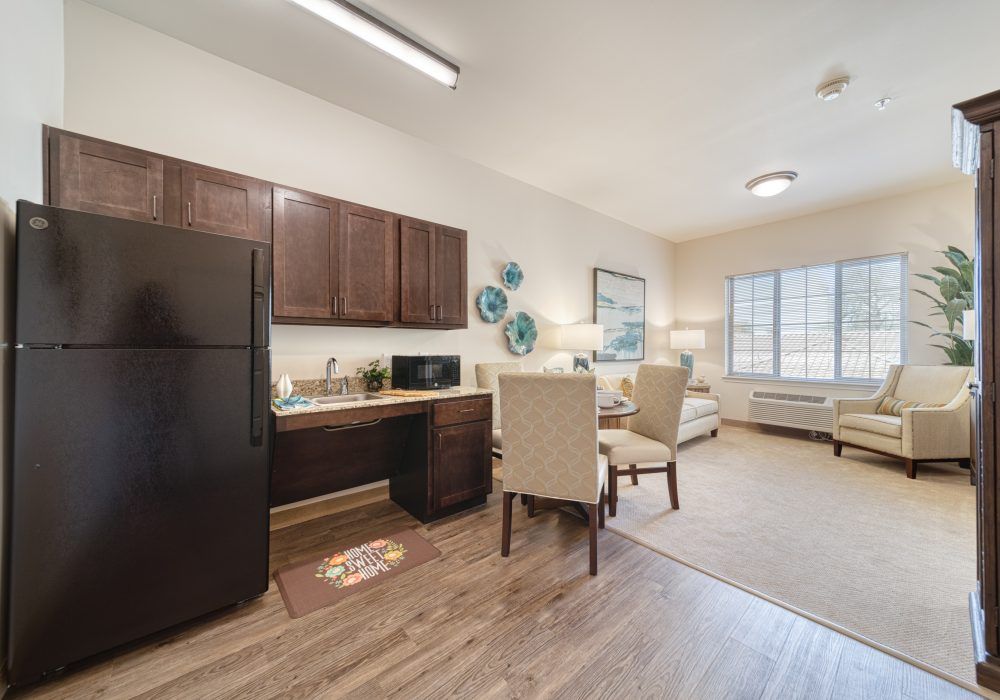
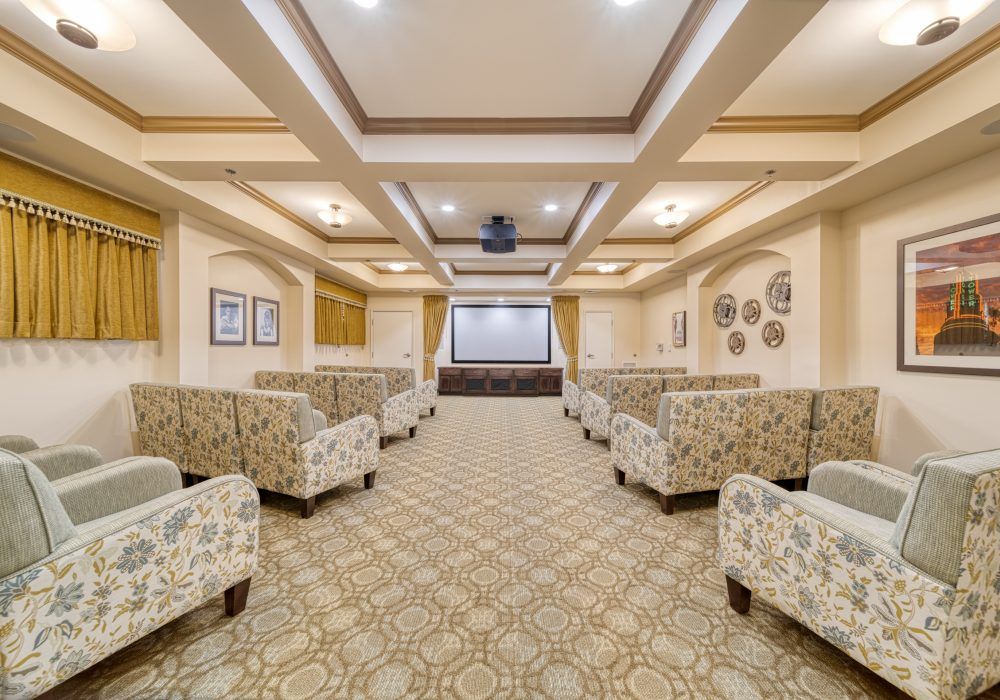
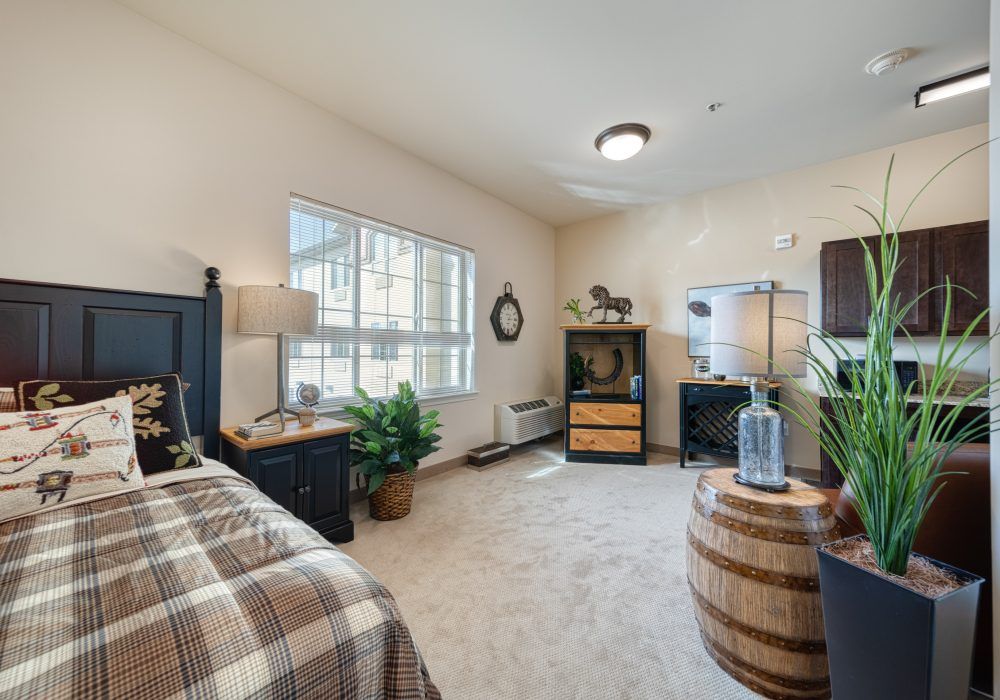
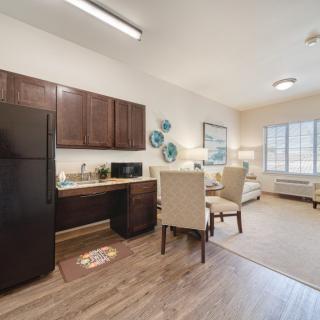
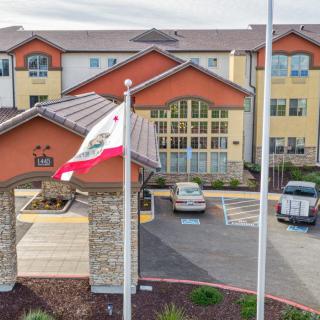
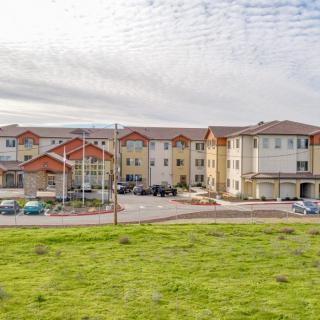
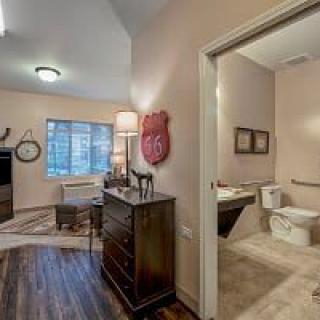
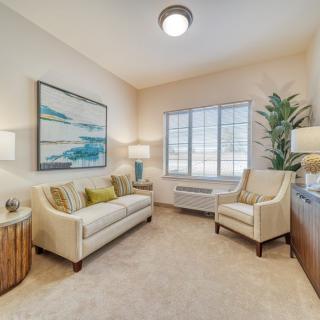
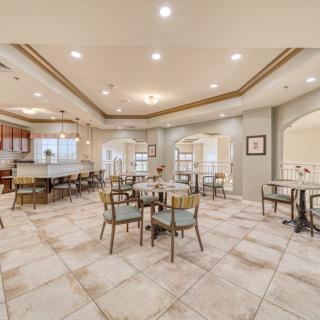
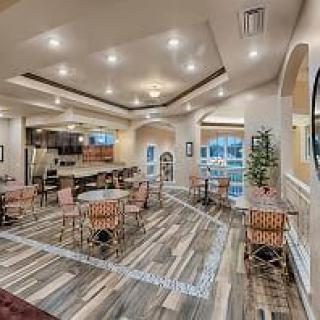
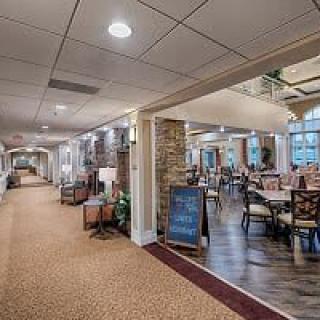
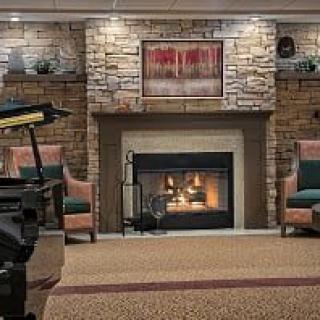
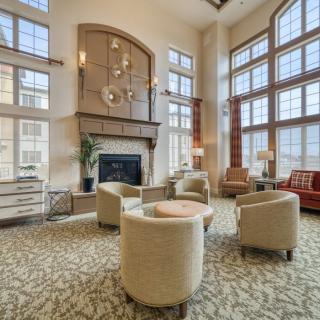
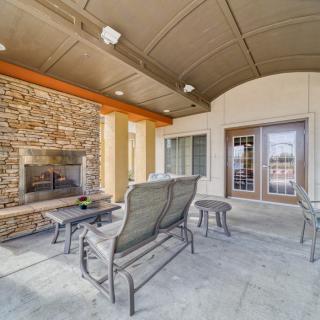
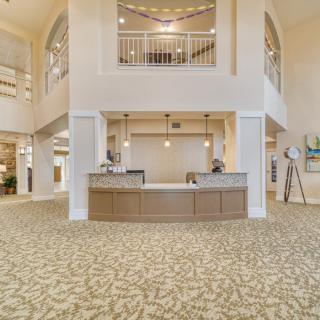
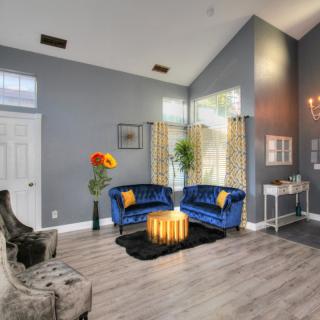
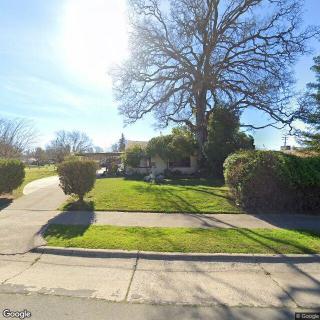
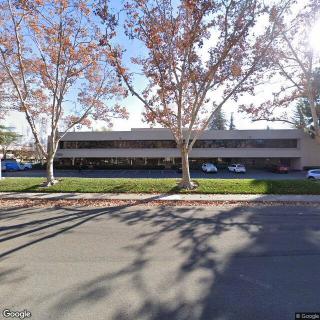
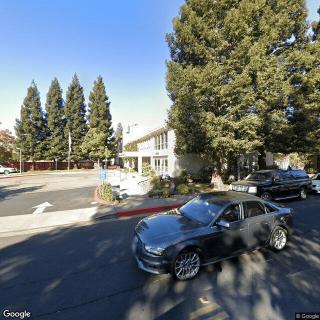
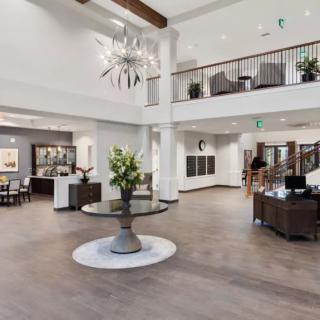
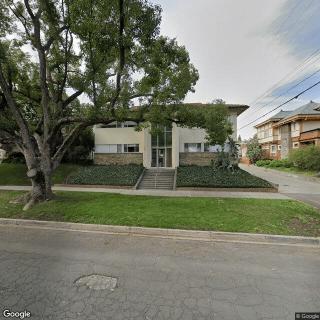
The Woodlake on seniors.fyi includes 34 photos including images showing interior, decor, dining, living room, windows, chandelier, fireplace, artwork, and more.
Nearby Communities
Canterbury House
Sacramento, CA
1 from 1 review
$3,700 / month
Caregivers are present on different days, providing ongoing support.
Woodlake Guest Home
Sacramento, CA
$891 / month
Affordable semi-private option with personalized care.
Forrest Palms Senior Ctr Apartments
Sacramento, CA
2 from 4 reviews
Vibrant location with convenient nearby amenities and healthcare access.
Stewart's Guest Home
Sacramento, CA
Easy access to healthcare, dining, and parks nearby.
Better Living Home Care
Sacramento, CA
4.8 from 17 reviews
Friendly staff in a clean, beautiful facility with spacious private rooms.
Carescope, LLC - Sacramento
Sacramento, CA
3.8 from 11 reviews
Compassionate, professional in-home care with strong family communication.
Mercy McMahon Terrace
Sacramento, CA
4.6 from 23 reviews
$3,650 to $4,900 / month
Quality care with friendly staff and engaging activities.
Oakmont Of East Sacramento
Sacramento, CA
4.3 from 97 reviews
$3,995 to $8,795 / month
Friendly, attentive staff in a clean, well-maintained environment with engaging activities and bright, spacious rooms.
Ivy Ridge Retirement Home
Sacramento, CA
3.8 from 23 reviews
$1,800 to $2,500 / month
Cozy, home-like environment with attentive staff and affordable pricing.
Dementia affects memory and cognitive function in older adults, presenting challenges for caregivers due to behavioral changes such as confusion and mood swings. Compassionate, person-centered care that considers individual history and preferences, along with effective communication and environmental modifications, is essential for supporting both patients and their caregivers.
Dementia leads to cognitive impairment and can cause emotional and behavioral changes, including aggression that arises from frustration, confusion, or fear. Effective coping strategies for caregivers include understanding dementia's nature, recognizing triggers, using empathetic communication, and employing non-pharmacological interventions like music and art therapy.
Dementia causes cognitive decline and challenging behaviors that caregivers must manage, necessitating an understanding of the neurological basis of these issues. Effective strategies and self-care for caregivers can enhance support for those with dementia and improve their daily lives.
Get PricingAsk A QuestionSchedule A TourContact Senior Advisor
By clicking submit, you agree to our Partner's Terms of Use. You
also consent to receive calls and texts, which may be autodialed, from our Partner. Your consent is not a condition to
using our Partner's service. Please visit our Partner's Privacy Policy for information about their privacy practices.


 144 resident community capacity
 Assisted Living
 Independent Living
 Memory Care
 Cats allowed
 Dogs allowed
 Activities off-site
 Air-conditioning
 Beautician on-site
 Cable or satellite TV
 Computer center
 Devotional services off-site
 Dining room
 Fitness room
 Fully furnished
 Gaming room
 Garden
 Ground floor units
 Handicap accessible
 Housekeeping services
 Indoor common areas
 Kitchenette
 Move-in coordination
 Outdoor common areas
 Private bathrooms
 Respite or short term stays offered
 Restaurant-style dining
 Small library
 Spa
Spa Telephone
 Wheelchair accessible showers
 Wi-Fi/high-speed internet available
 Sacramento International (10 miles away)
 Community operated transportation
 12-16 hour nursing
 24-hour call system
 Ambulatory care
 Assistance with bathing
 Assistance with dressing
 Assistance with transfers
 Diabetes diet
 Hospice waiver
 Incontinence care
 Medication management
 Mental wellness program
 Special dietary restrictions
 Transportation arrangement (medical)
 Art classes
 Catholic services
 Concierge services
 Cooking classes
 Educational speakers / life long learning
 Jewish services
 Planned day trips
 Caregivers are present on different days, providing ongoing support.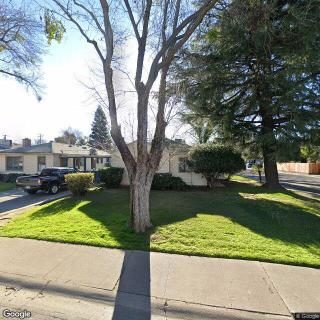

 Understanding Dementia Behaviors: Practical Insights and Strategies for Caregivers
 When Dementia Sparks Anger and Aggression: Understanding the Connection and Ways to Cope
 Dementia Behaviors: In-Depth Understanding and Effective Coping Strategies