
1810 North Fair Oaks Avenue, Pasadena, CA 91103
For more information about senior living options: (866) 208-4318
Overall Review of Saint Vincent Healthcare
Pros
 The facility is clean and all staff were very attentive to residents.
- Alexa, the nurse on duty, was professional and knowledgeable.
- The place is very well organized.
- There is always someone available to talk to residents.
- The staff does a lot for their patients.
- The patient’s medications and dietary intake are being monitored.
- Afternoon exercises with music, walking, and dancing around the hallway were enjoyable.
- Overall, the facility is pleasing.
Cons
 There was no follow-up contact after the father was admitted.
 - A staff member spoke unprofessionally and did not clearly provide her name.
- Staff incorrectly stated that the sister was the conservator, conflicting with the daughter's POA.
- They were told to call back on Monday to "sort" it out, delaying resolution.
- Overall, the family questioned whether the care could be trusted due to unprofessional handling.
Review
Saint Vincent Healthcare in Pasadena is best suited for families seeking a dementia-focused, highly structured environment where residents benefit from steady medical oversight, routine, and rich social programming. The community presents as well organized and activity-driven, with a clear emphasis on monitoring medications and dietary needs, and it features an outdoor courtyard for sun and fresh air. For families facing memory-care decisions, the combination of staff accessibility, multiple in-house medical professionals, and regular activities, such as supervised exercise, music, and hallway engagement, creates a predictable, safety-first living arrangement. This is not a generic assisted-living option; it is positioned for residents whose daily stability, consistent supervision, and engagement in meaningful routines matter most.
That said, certain realities of care make alternatives worth considering for specific situations. The strongest caveat rests with families whose loved one is not primarily managing memory challenges, or who require a highly seamless, hands-off intake and ongoing communication experience. One common thread in the mixed feedback is that administrative and transfer communications can falter, leaving out-of-state families feeling uncertain about how a patient was being oriented upon arrival. For these families, facilities with more transparent, proactive outreach and a clearly assigned care coordinator may offer greater peace of mind from first contact onward. In short, Saint Vincent may feel like a perfect fit for memory-care needs, but it is not the best match for those who prize flawless, immediate, single-point communications.
The most persuasive pro is the evident operational strength: cleanliness, attentiveness, and a broad medical footprint. Reviewers repeatedly note a clean environment and staff who are consistently attentive to residents’ day-to-day needs. The presence of multiple doctors who visit for different specialties, podiatry, psychiatry, and others, along with vigilant medication and dietary monitoring, creates a comprehensive safety net for a population that often requires close medical oversight. The social dimension also stands out: organized activities, music-inspired movement, and opportunities to enjoy outdoor space help maintain mood and engagement. A dedicated nurse, praised for professionalism and knowledge, exemplifies the level of bedside competence that families weigh heavily when choosing memory-focused care. These strengths can translate into tangible reductions in crisis events and hospital transfers, provided the care team remains cohesive and communicative day-to-day.
Yet the cons highlighted in the reviews are nontrivial and deserve emphasis. The most glaring weakness is inconsistent communication, especially during transitions and when the primary caregiver is off-site or the POA/guardian arrangements are not clearly aligned with staff. In one instance, a hospital transfer lacked timely updates to the family; misidentification of conservator versus POA caused friction and eroded trust. Such episodes are magnified for families separated by distance and can color the overall perception of safety and reliability. A professional, respectful front-door policy on family contact, with a designated liaison and a pre-admission briefing that aligns POA, guardianship, and conservatorship roles, would materially improve confidence and reduce avoidable stress.
These dynamics suggest a practical decision framework. For families convinced that memory-care needs will dominate, Saint Vincent’s strengths, organization, medical oversight, staff accessibility, and an engaging activity program, offer a compelling value proposition. The facility’s ability to coordinate different specialists and integrate daily living with meaningful enrichment can offset the potential friction in communication if a clear plan is in place before admission. Prospective residents should insist on a named care manager, a written communications protocol, and documented roles for POA or conservatorship so that questions and updates flow smoothly. If those guardrails are in place, the risk of the negative transfer experiences diminishes considerably.
For those evaluating broader options, consider whether a non-memory-focused community or a setting with even more robust family liaison processes would better align with individual needs. If the resident’s primary requirements include greater independence, fewer restrictions, or a more streamlined intake-and-update cadence, a facility with a stronger emphasis on convivencia with the family network may be preferable. Saint Vincent’s best-fit profile is clear: a memory-care–oriented environment with reliable clinical oversight, structured activity, and a supportive social atmosphere, where the main decision hinge is whether the family can tolerate occasional gaps in administrative communication and commits to establishing a rigorous pre-admission protocol.
In sum, Saint Vincent Healthcare is a practical, capable choice for families prioritizing memory-care structure and medical oversight in a well-kept, activity-rich setting. It excels where daily routines, staff engagement, and multidisciplinary care converge to keep residents engaged and safe. The caveat is a need for diligence around communication and governance, ensuring a designated point of contact, explicit POA alignment, and proactive updates, especially for families far away. If these conditions can be met, Saint Vincent delivers a compelling blend of practical care and quality-of-life opportunities that make it worth choosing over alternatives whose strengths lie in different priorities.
 78 resident community capacity
 Skilled Nursing Facility
 Air-conditioning
 Beauty salon
 Cable or satellite TV
 Computer center
 Dining room
 Fitness room
 Fully furnished
 Gaming room
 Garden
 Housekeeping services
 Kitchenette
 Move-in coordination
 Outdoor space
 Private bathrooms
 Restaurant-style dining
 Small library
 Telephone
 Wellness center
 Wi-Fi/high-speed internet available
 Burbank-Glendale-Pasadena (12 miles away)
 Community operated transportation
 12-16 hour nursing
 24-hour call system
 Activities of daily living assistance
 Assistance with bathing
 Assistance with dressing
 Assistance with transfers
 Diabetes diet
 Medication management
 Mental wellness program
 Special dietary restrictions
 Concierge services
 Planned day trips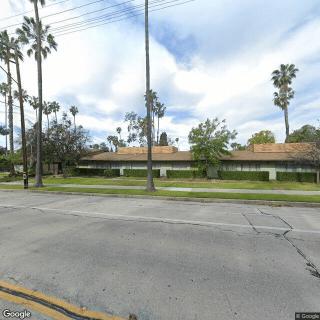




 A Detailed Exploration of Living Wills and Advance Directives
 Comprehensive Guide to Medicare Coverage for Hospice Care
 Caring for Those Who Care: Recognizing, Understanding, and Overcoming Caregiver Burnout