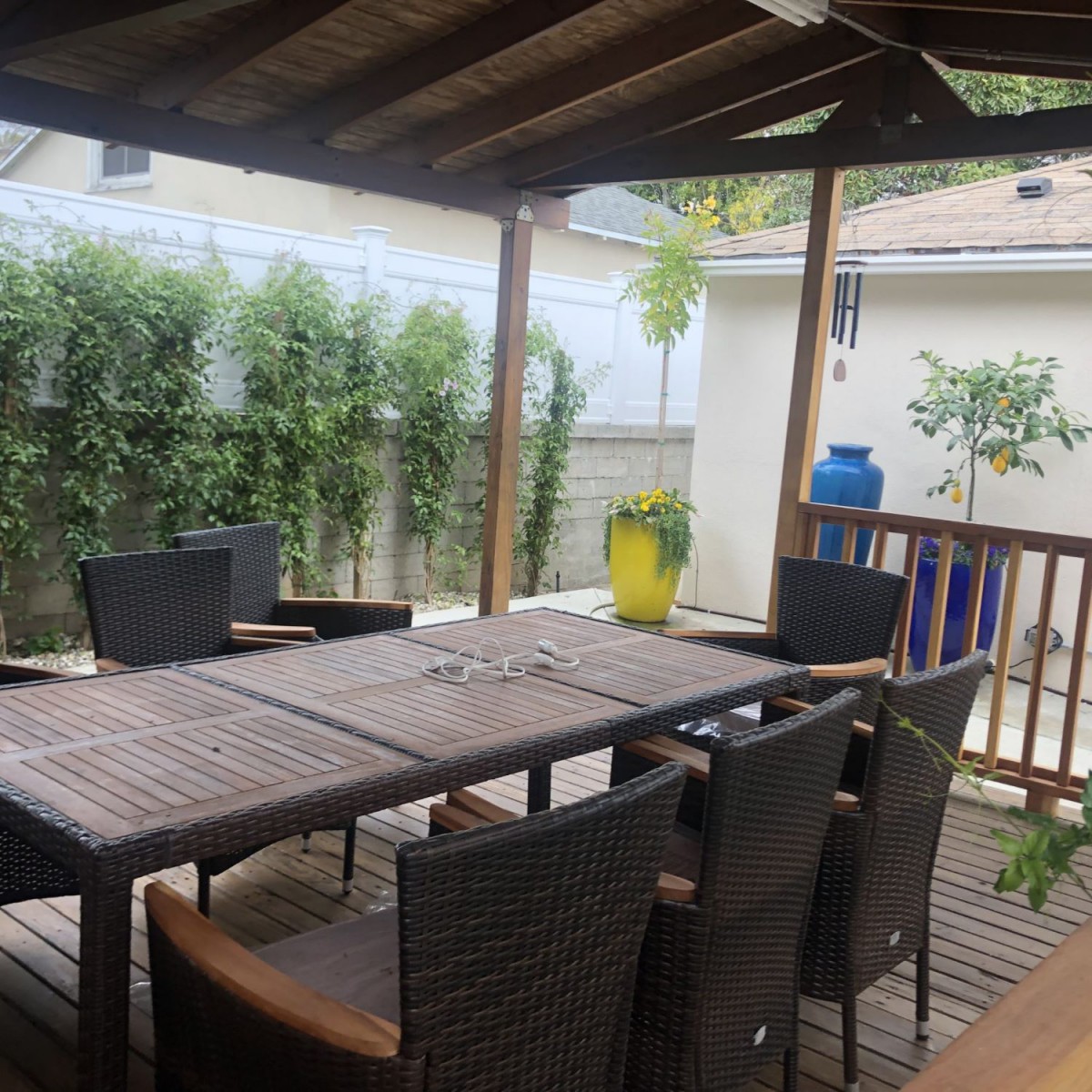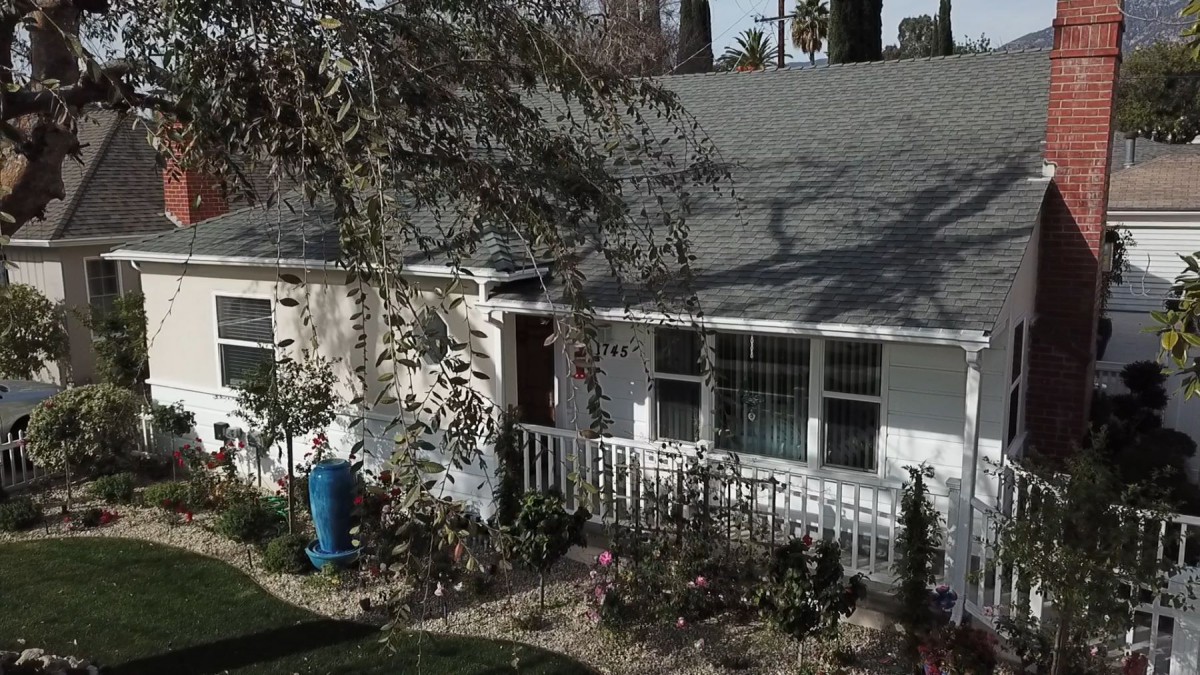
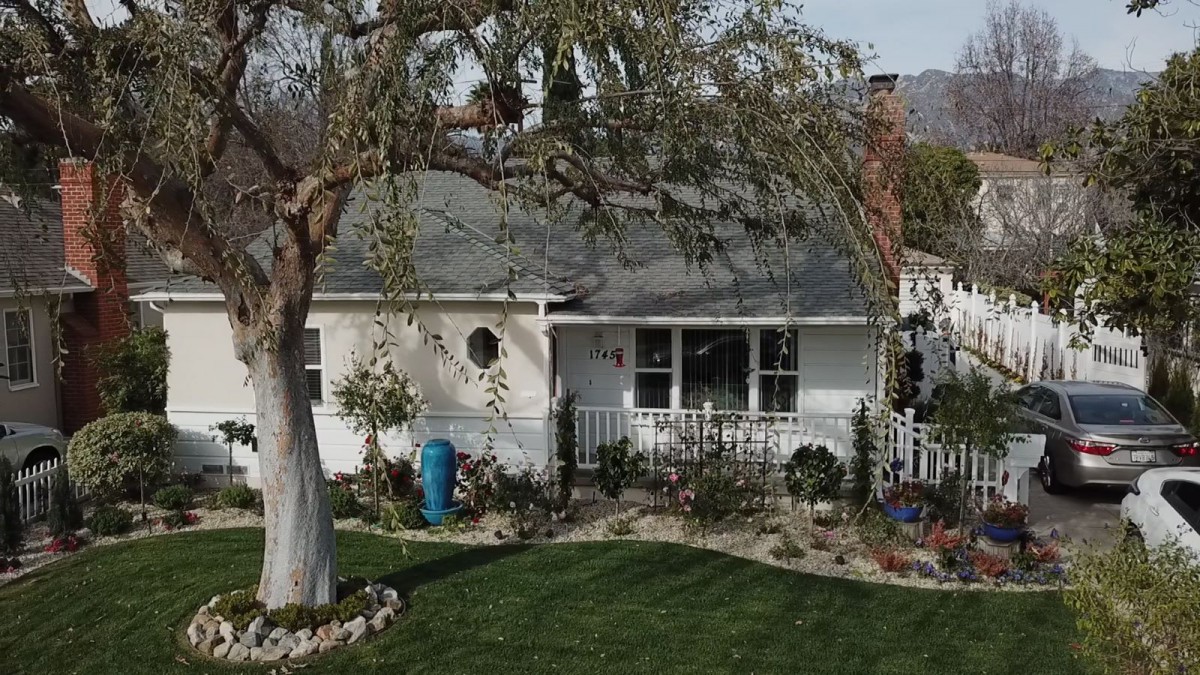
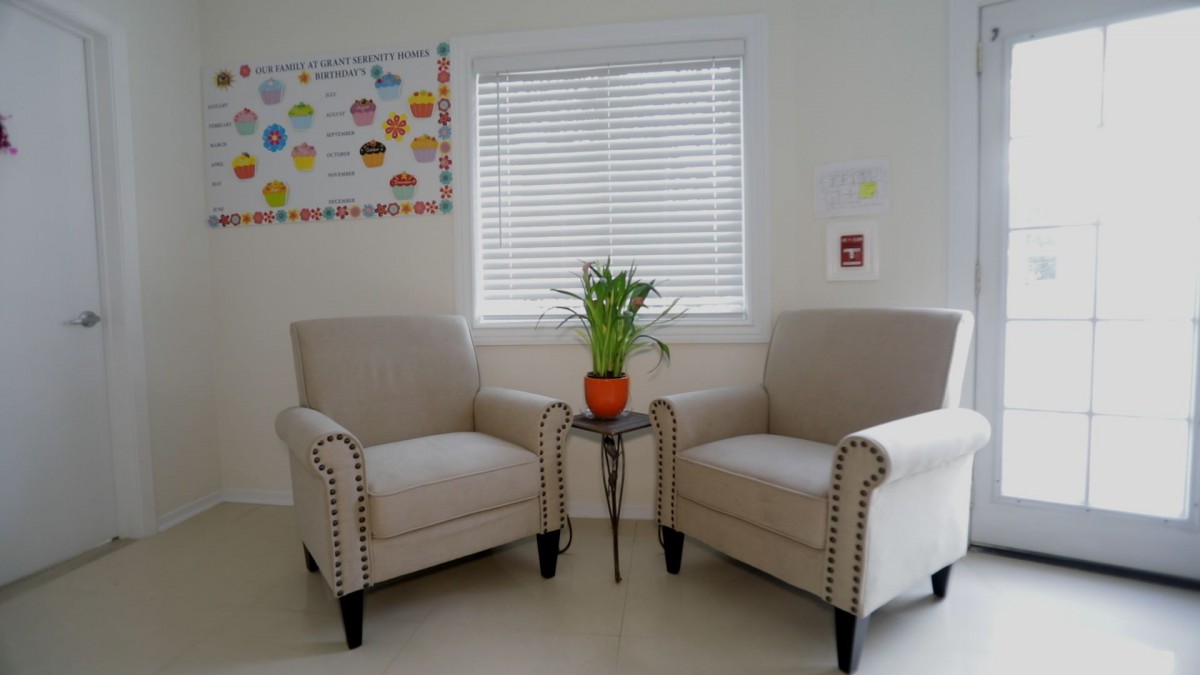
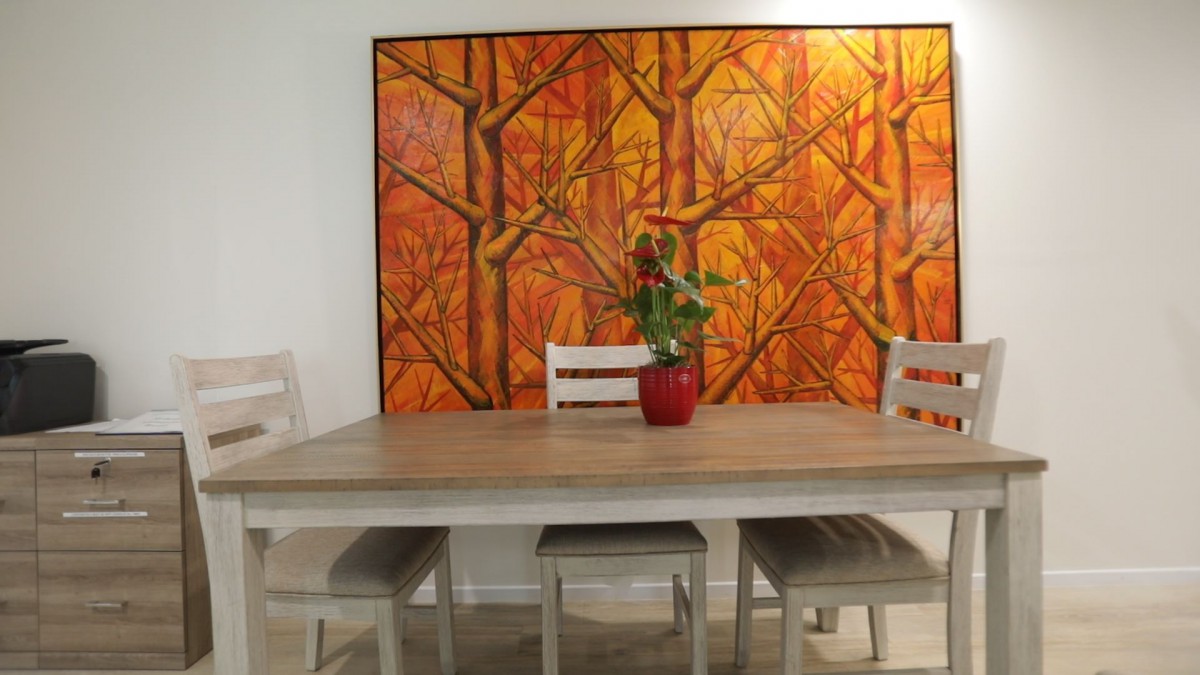
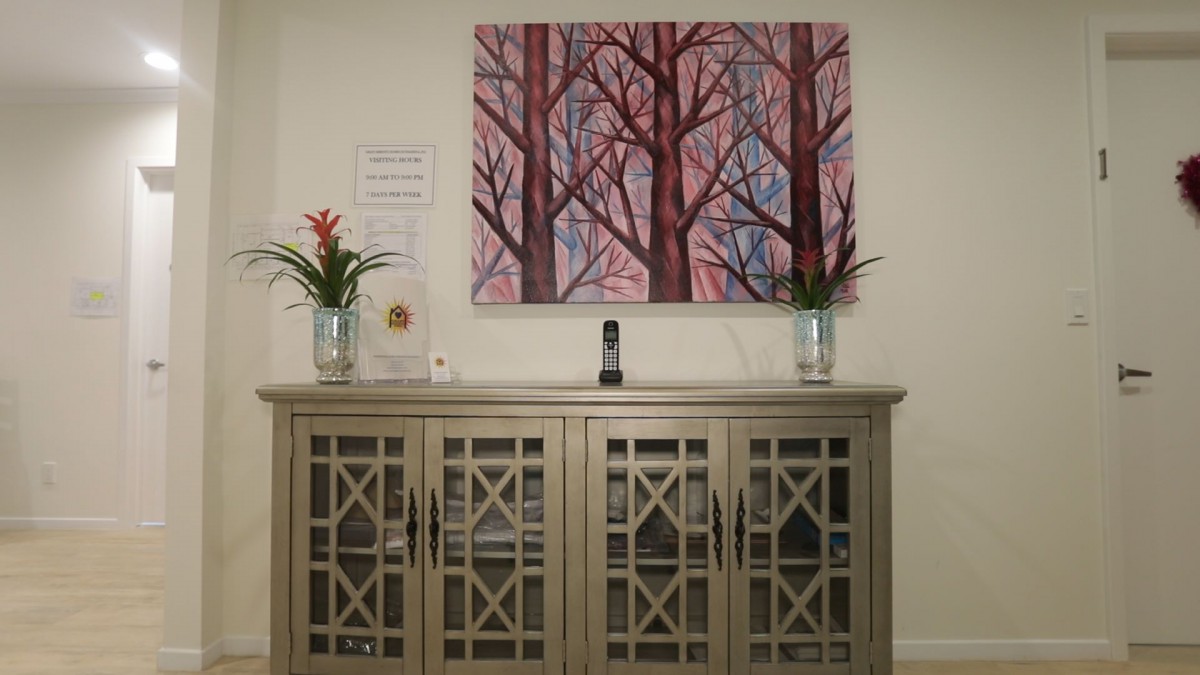


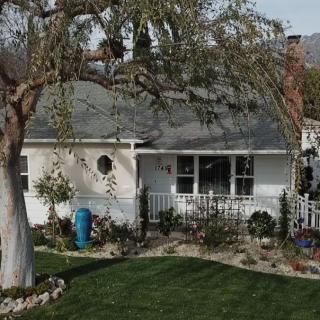
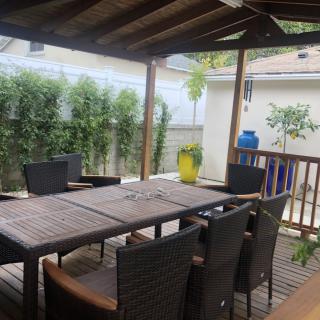

1745 Wagner Street, Pasadena, CA 91106
For more information about senior living options: (866) 208-4318
Grant Serenity Homes Of Pasadena Costs & Pricing
Grant Serenity Homes of Pasadena offers a distinctive pricing structure for its residential care services, positioning itself at the higher end of the spectrum compared to both Los Angeles County and the broader state of California. For semi-private accommodations, residents can expect to pay $5,000 per month, significantly exceeding the county average of $3,349 and the state average of $3,333. Similarly, the rates for private rooms at Grant Serenity are set at $6,000 monthly, which also surpasses local and state costs - $4,197 in Los Angeles County and $3,939 across California. This premium pricing may reflect the home's commitment to providing specialized care and enhanced amenities that cater to the needs of its residents.
| Floor plans | Grant Serenity Homes Of Pasadena | Los Angeles County | California |
|---|---|---|---|
| Semi-Private | $5,000 | $3,349 | $3,333 |
| Private | $6,000 | $4,197 | $3,939 |
Assisted Living communities with a similar price nearby
-
from -$500 / mo
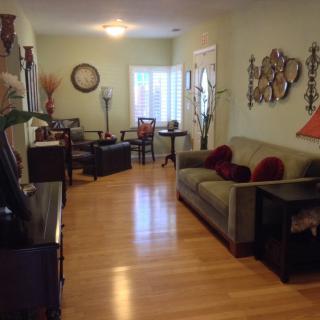
Ardenville Home Care I
$4,500 / month13.8 miles away -
from -$500 / mo
Heritage Senior Home Care
$4,500 to $4,800 / month18.7 miles away -
About the same

Just Like Home
$5,000 / month16.7 miles away -
from +$700 / mo
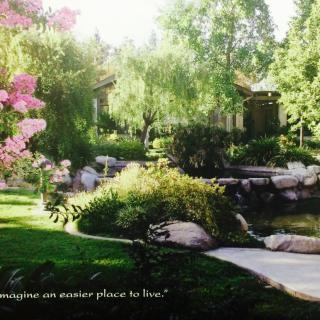
Mt. San Antonio Gardens
$5,700 to $8,550 / month22.1 miles away -
from -$500 / mo

Evening Grace Residential Facility For Elderly
$4,500 to $5,500 / month24.0 miles away
Overall Review of Grant Serenity Homes Of Pasadena
Pros
 The owner cares a lot about residents' happiness.
- The staff are friendly and treat residents well.
- The move-in process was handled excellently.
- The small staff-to-resident ratio reassures that residents will be well cared for.
- The facility is clean, and the staff are happy and inviting.
- The facilities are lovely with nice staff.
Cons
 They state the facility is not trained to handle the behaviors of able-bodied seniors with advanced Alzheimer's.
- They allege that the approach to challenging behaviors is to medicate until residents are bedridden or unconscious.
- They report that their father died a little over seven weeks after transfer, due to inappropriately prescribed medications.
- They claim these medications were prescribed by St. Vincent Hospice, which was recommended by Grant Serenity.
Review
Grant Serenity Homes of Pasadena is best suited for families seeking a small, home-like board-and-care setting in Pasadena where the owner’s commitment to resident happiness shapes everyday life. It works well for seniors who crave personal attention, a calm, non-institutional atmosphere, and a straightforward care routine. This community shines for residents with mild to moderate needs who benefit from a warm, welcoming staff and a smooth transition process into care. It is less ideal for residents with advanced dementia or significant behavioral challenges that require strong clinical oversight, specialized memory care, or aggressive intervention strategies.
The strongest points center on genuine care and a personable staff. Families consistently notice that the owner prioritizes happiness and that staff treat residents with kindness and warmth. The move-in experience stands out as well, staff calm anxieties, guide families through logistics, and make the transition feel manageable rather than chaotic. The setting remains clean and inviting, and the staff’s approach during visits conveys reliability and friendliness. In practical terms, these elements translate into meaningful daily reassurance for families who want their loved ones to feel secure and valued.
Yet the most consequential concerns cluster around the capacity to manage complex behaviors and medical needs. The reviews describe a facility that is not equipped to handle advanced Alzheimer’s or high-risk dementia behaviors, with a troubling note about medications being deployed in ways that led to severe decline and death in a related location. That accounts for a real red flag: the care model leans on a small team and limited behavioral resources, which may fall short for residents requiring vigilant clinical oversight or sophisticated dementia management. Even if day-to-day life feels calm, the risk profile for heavy behavioral issues cannot be dismissed.
These strengths can offset some risks for a carefully selected subset of residents. For seniors whose needs are moderate and who do not require intensive memory-care programming, the intimate size and tight-knit staff can yield attentive, responsive care. The owner’s visible investment in resident happiness, combined with a clean environment and reliable onboarding, provide a confidence premium that larger facilities sometimes struggle to match. When a family prioritizes emotional well-being, personal attention, and a home-like atmosphere over clinical heft, this community can deliver meaningful quality-of-life gains.
However, those considering alternatives should weigh the trade-offs carefully. If the loved one has advanced dementia, pervasive behavioral problems, or requires regular, supervised medical interventions, a larger assisted living with dedicated memory-care services or an established medical-directed program likely offers safer, more appropriate care. Prospective residents should also scrutinize staff-to-resident ratios and ask for concrete plans on medication management, behavioral strategies, and routine medical oversight. Transparency around who administers medications, how behaviors are managed, and what contingencies exist if a resident’s needs escalate is essential.
In sum, Grant Serenity Homes of Pasadena presents a compelling option for families seeking a warm, person-centered environment with strong interpersonal warmth and a straightforward care model. It excels at emotional support, smooth transitions, and maintaining a clean, welcoming setting. The trade-off is clear: this is not a fit for residents with advanced dementia or demanding medical and behavioral complexities. Families ready to prioritize daily kindness, a home-like vibe, and careful staff attention will find real value here, while those needing robust clinical structure, memory-care specialization, or aggressive behavioral management should pursue alternatives and use this community as a provisional, reconnaissance choice only after rigorous diligence.
 6 resident community capacity
 Assisted Living
 Board and Care Home
 Dogs allowed
 Activities on-site
 Air-conditioning
 Bath tubs
 Beautician on-site
 Cable or satellite TV
 Devotional services off-site
 Dining room
 Fireplaces
 Fully furnished
 Garden
 Housekeeping services
 Indoor common areas
 Move-in coordination
 Outdoor common areas
 Private
 Respite or short term stays offered
 Telephone
 Wheelchair accessible showers
 Wi-Fi/high-speed internet available
 Burbank-Glendale-Pasadena (14 miles away)
 24-hour supervision
 Assistance with bathing
 Assistance with dressing
 Assistance with transfers
 Diabetes diet
 Diabetic care
 High acuity care
 Incontinence care
 Meal preparation and service
 Medication management
 Special dietary restrictions
 Transportation arrangement (medical)
 Transportation to doctors appointments
 Art classes
 Cooking classes
 Live dance or theater performances
 Live musical performances
 Live well programs
 Visiting Rabbi
 Visiting chaplain or priest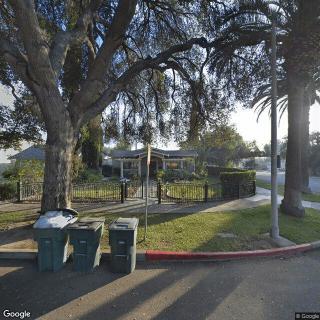





 Funding and Affording Assisted Living: A Thorough Overview
 Assisted Living Expenses and Long-Term Care Insurance: A Comprehensive Exploration
 Securing Financial Support for Assisted Living: A Comprehensive Overview