
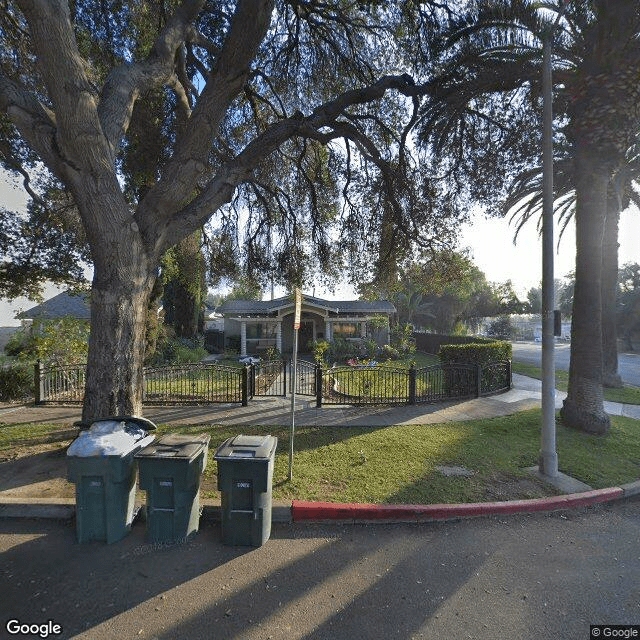
1812 Monte Vista Street, Pasadena, CA 91107
For more information about senior living options: (866) 208-4318
Montevista Garden Costs & Pricing
Montevista Garden offers a range of living options with costs that reflect its premium services and amenities. For semi-private rooms, residents can expect to pay $5,000 per month, which is notably higher than the Los Angeles County average of $3,349 and the state average of $3,333. Private rooms at Montevista Garden are priced at $5,500, also surpassing both the county's average of $4,197 and California's average of $3,939. Additionally, one-bedroom accommodations range from $5,500 to $8,000 monthly, positioning them well above the local averages of $4,603 in Los Angeles County and $4,340 statewide. While Montevista Garden's pricing may be elevated compared to regional benchmarks, this reflects its commitment to providing exceptional care and enriched living experiences for its residents.
| Floor plans | Montevista Garden | Los Angeles County | California |
|---|---|---|---|
| Semi-Private | $5,000 | $3,349 | $3,333 |
| Private | $5,500 | $4,197 | $3,939 |
| 1 Bedroom | $5,500 to $8,000 | $4,603 | $4,340 |
Memory care communities with a similar price nearby
-
About the same
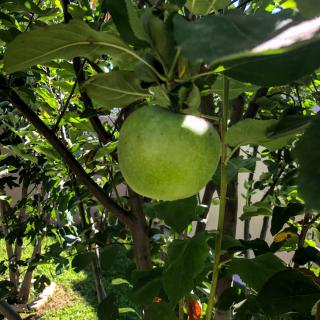
Sweet Home Senior Living #1
$5,000 to $7,500 / month18.1 miles away -
from -$500 / mo
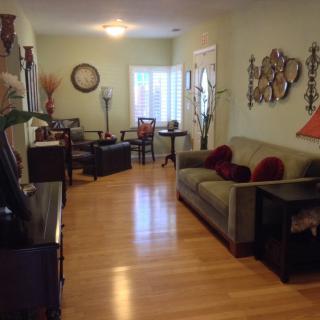
Ardenville Home Care I
$4,500 / month13.8 miles away -
from -$500 / mo
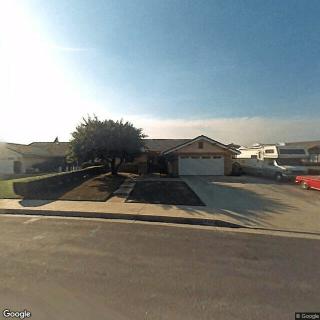
Heritage Senior Home Care
$4,500 to $4,800 / month18.6 miles away -
from +$700 / mo
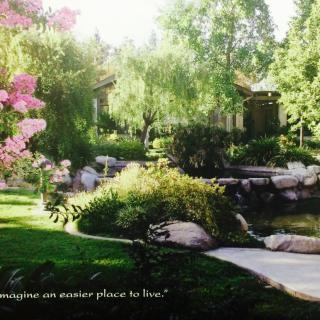
Mt. San Antonio Gardens
$5,700 to $8,550 / month22.0 miles away -
About the same
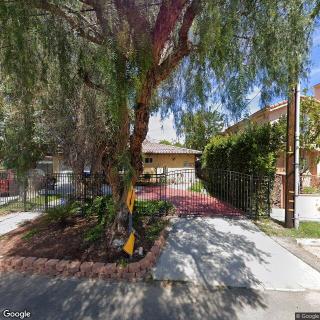
Virginia House
$5,000 to $5,500 / month24.7 miles away
Overall Review of Montevista Garden
Pros
 Laura and her staff are truly amazing.
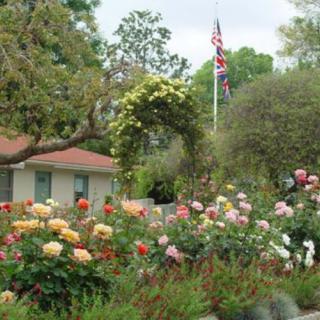
- The country house is full of life and features gentle dogs that help bond with the residents.
- The staff's feedback is nothing short of amazing, with regular text updates on residents' health and nursing visits, and medication optimization.
- The food is outstanding and suits a variety of dietary needs and backgrounds.
- The facility is highly recommended due to an outstanding first-hand experience.
Cons
 It is not suitable for Mom.
Review
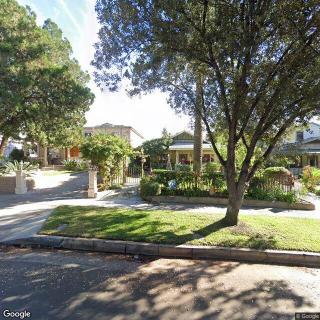
Montevista Garden in Pasadena is best suited for seniors who want an intimate, home-like assisted-living experience backed by hands-on caregiving and clear, frequent communication. The community reads as a country house that feels alive, with gentle dogs that help residents bond with staff and neighbors. Families that prioritize warmth, personal attention, and a calm, predictable pace will find the most value here. The care team, led by Laura, appears to deliver regular health updates, nursing visits, and thoughtful medication adjustments, all coordinated so relatives can trust that changes are handled without constant, anxious legwork. Food is a standout, crafted to accommodate a broad range of backgrounds and dietary needs, reinforcing the sense of everyday normalcy and attentive service.
Yet Montevista Garden is not configured for those chasing a bustling, resort-like atmosphere or heavy, high-acuity medical environments. A reviewer’s note points to strength in end-of-life comfort, which signals a pace and level of engagement that may feel too quiet for a loved one seeking ongoing independence, vigorous social programming, or expansive on-site amenities. Prospective residents should weigh whether the intimate setting aligns with the loved one’s personality and preferred daily rhythm, and whether the facility’s level of clinical oversight matches current medical needs without pushing into a more clinical model than desired.
On the upside, the practical advantages land with clarity. The strongest asset is reliable communication: staff provide regular health feedback and nursing visits that keep families informed and engaged without becoming intrusive. Medication optimization is another clear win, reducing confusion and potential errors while giving families confidence that adjustments are being thoughtfully considered. The dining program deserves emphasis as well, chef-prepared meals that respect cultural diversity and dietary restrictions help residents feel seen and nourished rather than merely fed. The home-like atmosphere, reinforced by the dogs and small-scale setting, creates daily opportunities for social connection and emotional steadiness that can be pivotal for mood and overall well-being.
There are legitimate caveats to consider. The trade-off for intimacy is a more limited menu of formal activities and a narrower range of amenities than larger campuses offer. For seniors who crave a robust calendar of outings, varied clubs, or specialized programming (including dementia-focused tracks or high-energy group activities), Montevista Garden may disappoint. The small team and single-location nature can constrain scheduling flexibility and access to niche services, and families should verify that the level of clinical oversight aligns with any evolving needs that might require more aggressive monitoring or therapeutic interventions than the home-like model typically provides.
Despite these constraints, the balance of benefits makes Montevista Garden a compelling pick for the right match. When a loved one values dependable caregiving, honest, ongoing updates, and a comforting, low-stress environment over glittering amenities, the advantages become compelling. The setting naturally fosters meaningful connections, between residents, staff, and families, without sacrificing the professionalism of care coordination or the customization of meals. In essence, Montevista Garden serves those who prize dignity, warmth, and steady oversight in a residence that feels like a well-loved home rather than a busy campus.
For families weighing the decision, the practical steps are clear. Schedule a visit with a checklist focused on staff interactions and consistency of communication, examine a sample care plan and dining menu, and request to meet the nursing team to understand escalation pathways and response times. Inquire about memory care options and the availability of structured activities or optional programs to gauge how the pace would suit the loved one’s energy and interests. Talk to current residents or families about daily routines and decision-making processes, and observe how the environment supports comfort and autonomy. If the priority is a secure, affectionate, medically attentive home with room to breathe, Montevista Garden deserves serious consideration; if the goal centers on high-energy programming and expansive amenities, alternatives with broader offerings may be the better fit.
 6 resident community capacity
 Assisted Living
 Board and Care Home
 Memory Care
 Cats allowed
 Dogs allowed
 Activities off-site
 Air-conditioning
 Beautician on-site
 Cable or satellite TV
 Devotional services off-site
 Dining room
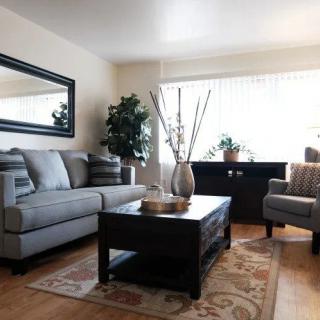
 Fully furnished
 Garden
 Housekeeping services
 Indoor common areas
 Move-in coordination
 Outdoor common areas
 Private
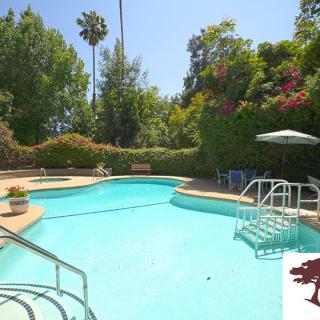
 Swimming pool / hot tub
 Telephone
 Wheelchair accessible showers
 Wi-Fi/high-speed internet available
 Burbank-Glendale-Pasadena (14 miles away)
 24-hour supervision
 Ambulatory care
 Assistance with bathing
 Assistance with dressing
 Assistance with transfers
 Diabetes diet
 Diabetic care
 High acuity care
 Incontinence care
 Meal preparation and service
 Medication management
 Special dietary restrictions
 Transportation arrangement (medical)
 Transportation to doctors appointments
 Art classes
 Brain fitness
 Cooking classes
 Day trips and outings
 Karaoke
 Live dance or theater performances
 Live musical performances
 Live well programs
 Wine tasting


 Dementia Behaviors: In-Depth Understanding and Effective Coping Strategies
 5 Early Indicators of Dementia and What You Can Do
 8 Important Indicators That Memory Care May Be Necessary