
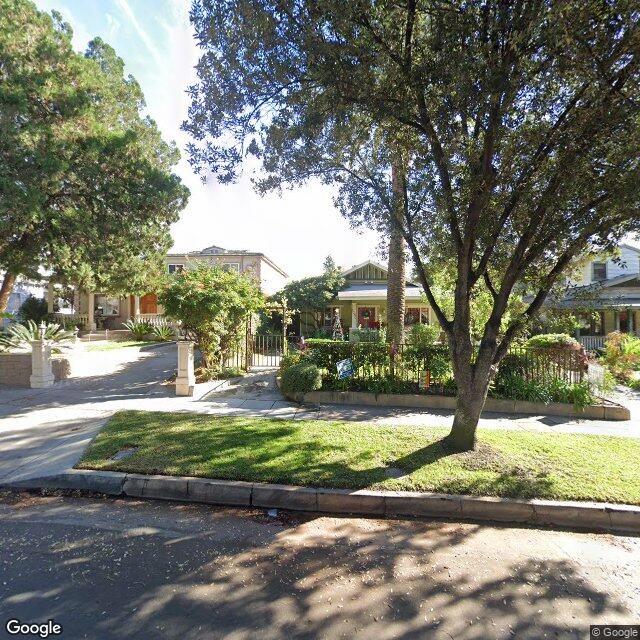
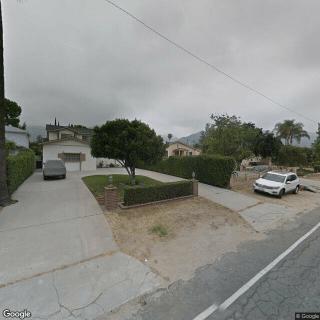
1260 N. Sierra Bonita Ave., Pasadena, CA 91104
To contact a resident: (626) 794-2105
For more information about senior living options: (866) 208-4318
Con Cariño Elder Care Inc Costs & Pricing
Con Cariño Elder Care Inc offers competitive pricing for its services in comparison to both Los Angeles County and the broader state of California. For a semi-private room, Con Cariño charges $4,000 per month, which is notably higher than the county average of $3,349 and slightly above the state average of $3,333. In terms of private rooms, the monthly rate is set at $5,000; this also exceeds both the county's average of $4,197 and California's state average of $3,939. While Con Cariño's rates are elevated relative to local and state benchmarks, they may reflect the quality of care and services provided by the facility.
| Floor plans | Con Cariño Elder Care Inc | Los Angeles County | California |
|---|---|---|---|
| Semi-Private | $4,000 | $3,349 | $3,333 |
| Private | $5,000 | $4,197 | $3,939 |
Senior living communities with a similar price nearby
-
About the same

Cadence Brea
$3,995 to $5,500 / month21.8 miles away -
from -$700 / mo

Bella Manor II
$3,300 to $4,290 / month24.0 miles away -
About the same
Palomino Residential Care
$4,000 to $6,000 / month8.5 miles away -
About the same
Loving Care Facility for the Elderly
$4,000 to $5,975 / month22.2 miles away -
from -$500 / mo
Comfort Keepers Home Care
$3,500 to $6,500 / month20.5 miles away
Overall Review of Con Cariño Elder Care Inc
Pros
 Con Carino is an amazing board and care home.
- The staff at Con Carino are an extension of the residents' family.
- The owner provides expert advice that supports the care at Con Carino.
- Residents loved the staff, the food, the care, the security, and the sense of community at Con Carino.
- Con Carino is a more personalized home with a small, close-knit setting.
- Getting a space at Con Carino feels like winning the lottery.
- Con Carino is a true advocate for the elderly.
Cons
 A middle-aged woman who identified herself as the owner showed the reviewer the facility for their mom, but something did not seem right.
- She did not know the names of the residents.
- There are 10 citations for risk to the health, safety, or personal rights of clients at Con Carino.
- Her other home, The Cottage in the back, also has 9 violations.
- The reviewer questions whether anyone would want their parent there.
Review
Con Carino Elder Care Inc in Pasadena is best suited for families seeking a truly intimate, home-like elder-care option where residents are known by name and care feels personal rather than procedural. The six-resident front home and the smaller back cottage create a private, neighborhood-style setting in which staff develop long-term, meaningful relationships with both residents and families. This model delivers the comfort of a family-operated environment, with hands-on attention from a small team and an owner who advocates relentlessly for residents. It works best for seniors who require help with daily activities, have a history of stroke recovery or dementia-related needs, and want dependable access to caregivers and decision-makers. For families prioritizing personalized attention over facility size or flashy amenities, this is a compelling match.
Alternatives should be considered by those who place a premium on formal oversight and broad-scale resources. Larger assisted-living communities with established memory-care programs, stronger licensing records, and more structured staffing may be preferable for risk-averse families or those with complex care coordination needs. The reviews include a troubling caution: one account questions whether staff consistently knows residents and raises concerns about regulatory compliance, citing multiple citations and violations tied to the property. The Cottage in the back reportedly carries its own set of issues. Prospective families should verify current licensing status, review recent inspection results, and demand clear corrective-action plans before making a commitment.
The strongest positives center on intimate, attentive care. Staff are described as knowledgeable and caring, with years of hands-on experience supporting both parents’ needs, including post-stroke care and dementia-related challenges. The ownership’s proactive involvement and the staff’s perceived devotion translate into a level of consistency that larger facilities often struggle to deliver. Residents sleep in private rooms yet eat together at a dining table and share living spaces, preserving dignity while preserving social routines. In a setting this small, the chance for tailored routines, rapid response to changes in condition, and a sense of belonging can outweigh the lack of extensive on-site amenities.
Nevertheless, the red flags must be weighed seriously. The critical review hinges on a perception that the owner did not demonstrate familiarity with residents’ names, raising concerns about day-to-day person-centered attention. More importantly, the claimed ten citations for health, safety, or personal-rights risks on the state licensing site require independent verification. The report that The Cottage back home has nine violations adds another layer of caution. These issues are not automatically disqualifying, but they demand thorough due diligence: obtain current license status, pull the latest inspection reports, ask how corrective actions were implemented, and understand how oversight is managed on site. Without transparent, up-to-date compliance, the warmth of care runs the risk of masking safety gaps.
To move forward with confidence, engage in a structured due-diligence process. Schedule an in-person tour focused on daily routines, staff-to-resident ratios, turnover, and how emergency needs are handled. Meet the owner and key caregivers to assess communication dynamics and responsiveness. Request the most recent licensing inspection results and any active corrective-action plans, and probe dementia- and stroke-care capabilities, including medication management and emergency backup protocols. If possible, speak with current families or residents to gauge consistency of care and satisfaction. Confirm wait-list status and estimated start dates, recognizing that demand here is high and securing a space may require timing clarity and decisiveness.
In the end, Con Carino can be an excellent fit for families who prize a truly intimate, compassionate environment and a strong sense of community, with direct access to the people delivering care. The passion of the staff and the advocacy orientation of the owner are meaningful advantages when compared with larger, more impersonal facilities. Yet regulatory questions demand upfront validation; if current licensing and inspection records align with safety standards, the positives can far outweigh the risks. For families prioritizing formal oversight or seeking more robust regulatory assurances, exploring other options in parallel, while conducting a careful, evidence-based evaluation of Con Carino, will ensure the best, most informed choice.
 Board and Care Home
 Private
 Burbank-Glendale-Pasadena (14 miles away)
 Diabetic care

 Exploring Nonmedical Home Care: Understanding Services, Costs, and Financial Approaches
 Engaging Brain Games and Innovative Apps to Keep Senior Minds Active
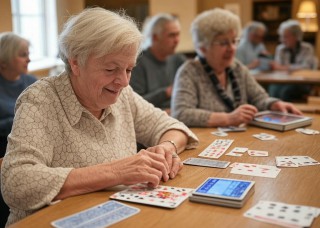 Effective Strategies for Keeping Seniors' Minds Active: A Deep Dive into Brain Games and Apps