
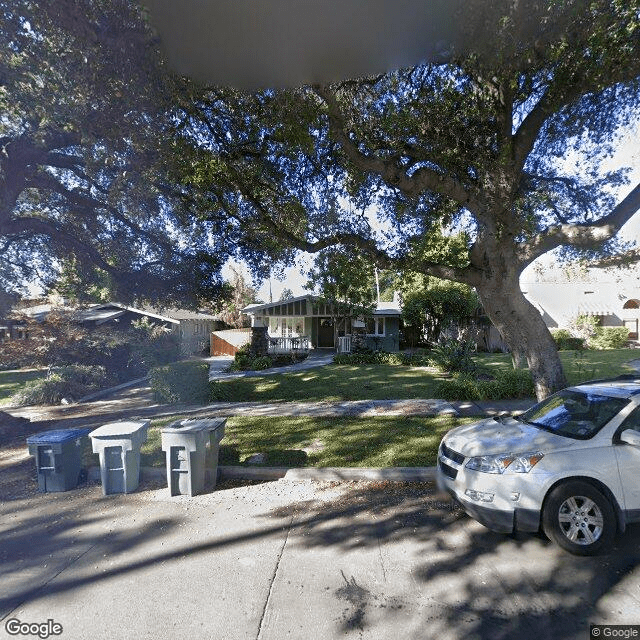
1309 North Michigan Drive, Pasadena, CA 91104
To contact a resident: (323) 868-9653
For more information about senior living options: (866) 208-4318
Ray of Hope Home Costs & Pricing
Ray of Hope Home offers monthly costs that are notably higher than both Los Angeles County and the broader California averages. For a semi-private room, residents can expect to pay $4,500, which exceeds the county average of $3,349 and the state average of $3,333. Similarly, the cost for a private room at Ray of Hope Home is $5,000, surpassing the county's $4,197 and California's $3,939. While these rates are elevated compared to other options in the area, they may reflect enhanced services or specialized care that Ray of Hope Home provides, catering to individuals seeking a supportive environment.
| Floor plans | Ray of Hope Home | Los Angeles County | California |
|---|---|---|---|
| Semi-Private | $4,500 | $3,349 | $3,333 |
| Private | $5,000 | $4,197 | $3,939 |
Senior living communities with a similar price nearby
-
from -$505 / mo

Cadence Brea
$3,995 to $5,500 / month22.1 miles away -
from -$500 / mo
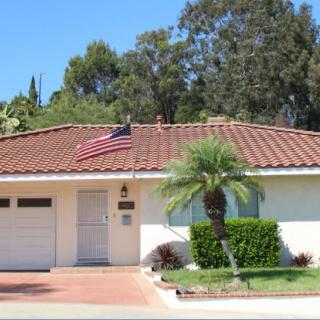
Palomino Residential Care
$4,000 to $6,000 / month8.5 miles away -
from -$500 / mo
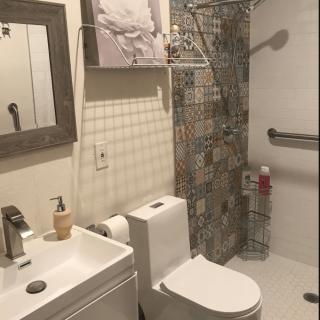
Loving Care Facility for the Elderly
$4,000 to $5,975 / month22.4 miles away -
from +$500 / mo

Sweet Home Senior Living #1
$5,000 to $7,500 / month17.3 miles away -
About the same
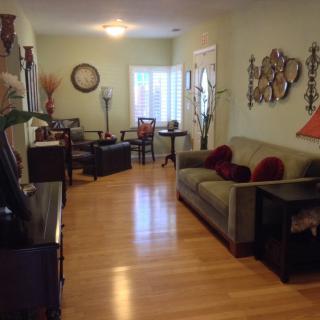
Ardenville Home Care I
$4,500 / month12.9 miles away
Overall Review of Ray of Hope Home
Pros
 The attendants are kind and compassionate, supporting residents through challenging times.
- The staff answer concerns promptly and make the last months of a loved one's life more comfortable.
- Ray of Hope is described as a dedicated group of people who care for elderly relatives in a highly satisfactory manner.
- The home feels like a real home, making residents feel they live there.
- The staff are exceptionally caring and well-trained, with approachable, down-to-earth management.
- The owner is available when needed, showing responsiveness and involvement.
- The facility has awake staff at night, ensuring continuous care.
- Families note the environment includes personal touches and engaging activities that enhance well-being.
- The location is convenient, allowing easy visits and a sense of accessibility.
Cons
 The reviewer notes a financial issue: the extra month's payment was never refunded and no explanation was provided.
- The reviewer states the owner showed little warmth and spoke mainly about cleanliness rather than care.
- The reviewer describes the owner as lacking knowledge or compassion despite presenting confidently.
- The reviewer recounts multiple medication mistakes and high staff turnover, which led to leaving.
- The reviewer recalls the owner yelling at them about the diabetic status, demonstrating a lack of sensitivity.
Review
Ray of Hope Home in Pasadena is best suited for families seeking a small, home-like assisted living where seniors receive intimate, round-the-clock attention. It tends to attract those who want a non-institutional environment, dedicated caregiving, and daily life that centers on personal interactions, not dashboards and protocols. The setting appeals particularly to families navigating end-of-life or advanced care needs, where a nurturing atmosphere, consistent companionship, and responsive staff can make a meaningful difference. The presence of awake staff at night is a notable plus, offering reassurance for loved ones who worry about late-night changes in condition. For seniors who value homeliness, accessible staff, and social engagement over formal medical routines, this is often a natural fit.
However, this option may not suit every situation. Families seeking strict medical supervision, robust clinical programming, or a facility with a long track record of centralized, corporate governance may want to consider alternatives. Some reviewers flagged the owner’s leadership as a potential mismatch for those needing steady, fully professionalized administration. Others emphasize the importance of transparent billing and timely explanations when refunds are due; those who require highly structured memory care or a guaranteed medication-management system may find the environment too informal. In short, Ray of Hope works brilliantly for personalized, compassionate care, but commitment to continuity and financial clarity should be weighed against personal priorities.
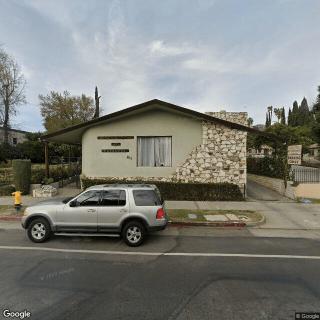
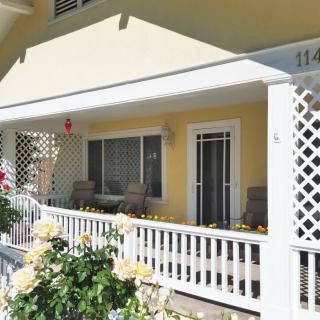
On the positive side, the core strength lies in a caring, hands-on staff. Attendants are described as kind, compassionate, and engaged with residents during some of life’s most challenging moments, turning the final chapters into more comfortable, dignified experiences. Families speak of fresh-air time, social activities, and small touches, favorite Trader Joe’s items on the menu, pedicures, birthdays, and holiday gatherings, that make residents feel truly at home. The owner and management are accessible, and the home-like layout, with front and back porches and intimate common spaces, fosters easy, frequent contact with loved ones. Food quality and daily routines are consistently cited as credible advantages in the eyes of many families.
Yet the picture is not without rough edges. The most persistent concerns center on financial handling and communication: one notable refund dispute after a loved one’s passing leaves lingering questions about policy and responsiveness. A separate critique points to limited warmth or warmth misalignment from the owner during tours, suggesting a mismatch between expectations and the actual leadership style. Another note warns of medication-management mistakes and higher staff turnover in some periods, which can unsettle families that rely on steady oversight. These instances illuminate a pattern that can disrupt trust, especially for families seeking seamless administrative clarity and ongoing clinical reliability.
When weighed against the positives, Ray of Hope often delivers a compelling value for families prioritizing a homey setting, personal attention, and visible staff dedication. The caring culture and near-constant availability of staff at night are meaningful safeguards for residents needing reassurance and companionship. The small-scale atmosphere can offset certain clinical gaps with proactive, personalized care. Still, the main concerns, financial opacity, occasional med issues, and personnel turnover, are not trivial; they can erode confidence for those with complex medical needs or strict budgeting constraints. The decision hinges on whether the comfort of a family-like environment supersedes the desire for turnkey clinical precision and unambiguous billing.
For practical decision-making, prospective families should plan a thorough visit, ask pointed questions about night staffing, medication protocols, and how refunds are handled, and speak with current residents or families about consistency in caregiving. It is advisable to verify the contract details, any ancillary costs, and the exact care services provided. If a highly structured care program or rigorous financial transparency is paramount, alternatives, larger providers with formalized governance or facilities with dedicated memory-care wings, may be wiser. If Ray of Hope aligns with the value of intimate attention, warmth, and a home atmosphere, approach with clear expectations and a documented engagement to ensure the fit remains sound.
 Board and Care Home
 Activities off-site
 Beautician on-site
 Devotional services off-site
 Indoor common areas
 Outdoor common areas
 Private
 Respite or short term stays offered
 Wheelchair accessible showers
 Burbank-Glendale-Pasadena (13 miles away)
 Ambulatory care
 Diabetic care
 High acuity care
 Incontinence care
 Medication management
 Meals provided
 Christian services




 Comprehensive Guide to Medicare Coverage for Hospice Care
 Caring for Those Who Care: Recognizing, Understanding, and Overcoming Caregiver Burnout
 Caregiver Exhaustion: Recognizing the Signs and Restoring Your Well-Being