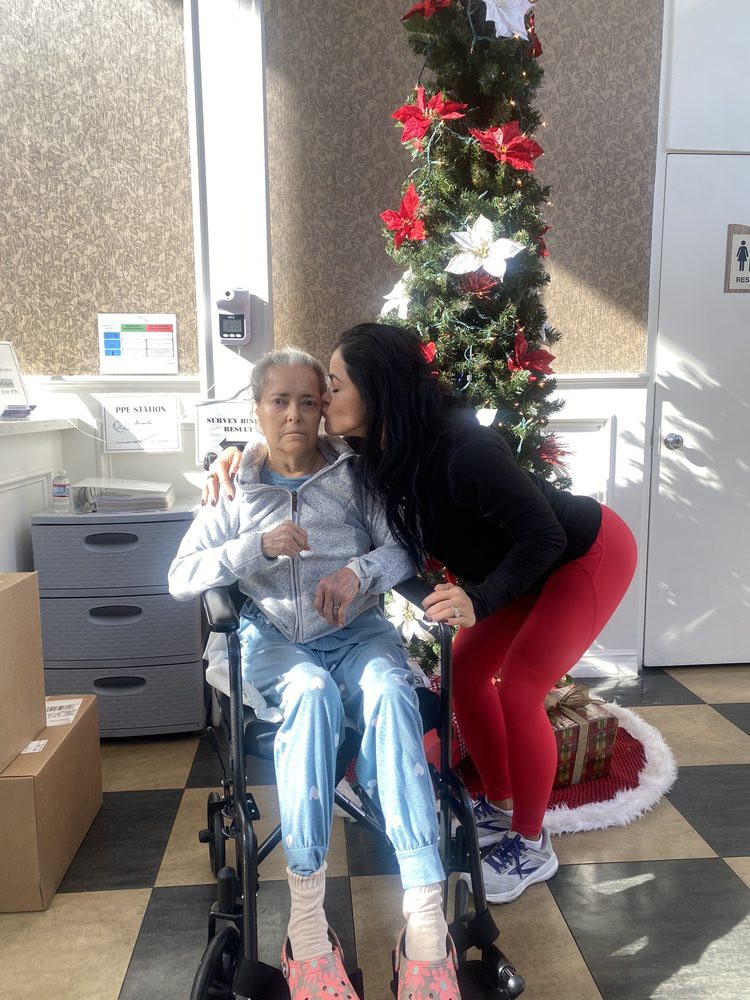
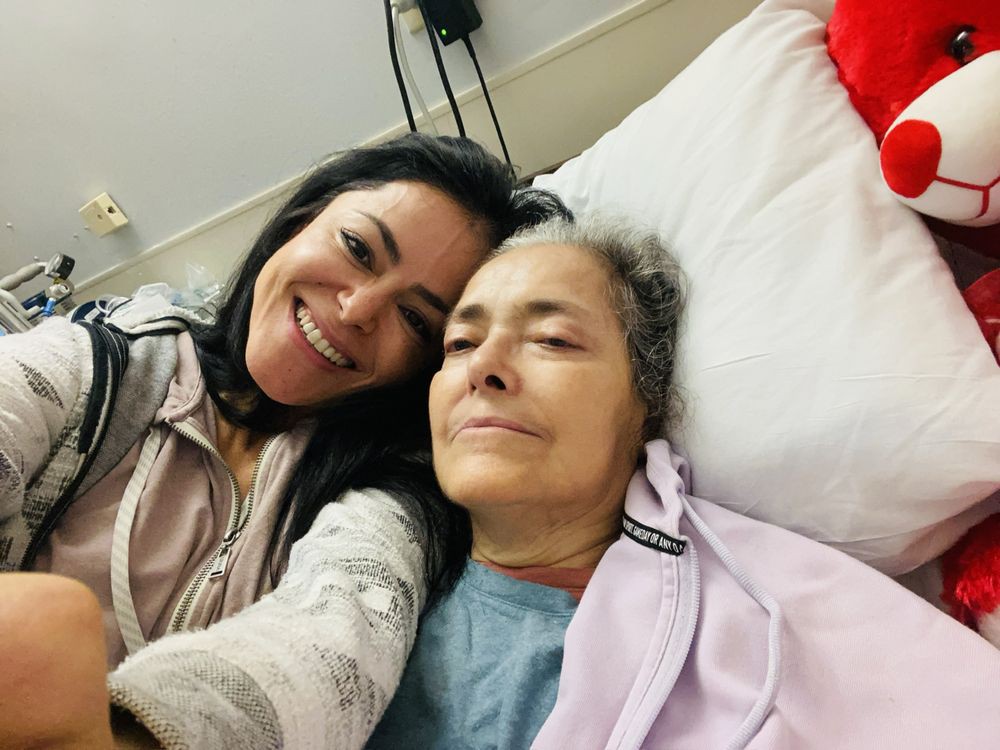
Residents and families repeatedly describe staff who are kind, attentive, and supportive.
A large share of reviewers emphasize that the staff treats residents with compassion and respect, and that they take time to answer questions. Multiple reviews mention being kept informed, medications handled on time, and nurses or CNAs noticing needs quickly. Several residents also highlight encouragement during therapy and recovery, not just basic care. A few negative reviews contradict this, describing situations where communication, follow-through, or responsiveness fell short.
common18 reviews mention this
Cleanliness and a safe feel
Many reviewers point to cleanliness and a maintained, safe-feeling facility.
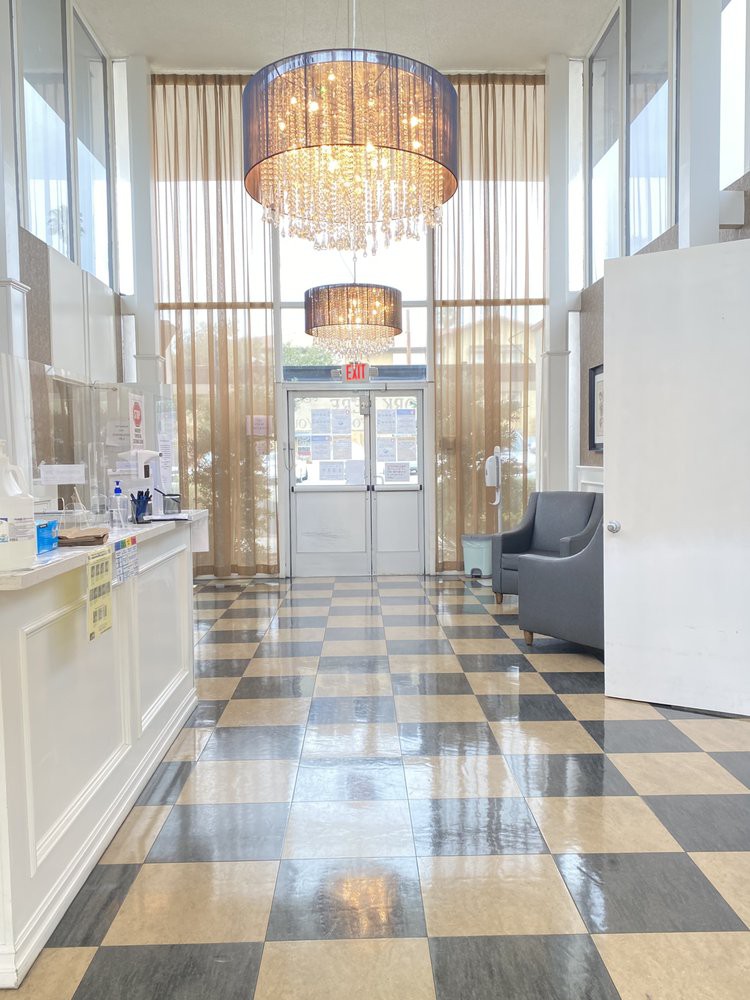
Cleanliness comes up often, with reviewers describing the facility as clean, bright, organized, and sometimes even “fresh.” Some also mention safety details like a nursing call button in resident bathrooms. Alongside the positives, several critical reviews mention odors, noise, or a lack of cleanliness, including claims of being filthy or run down. That mix suggests cleanliness is a key expectation with experiences that vary by stay and reviewer.
differentiator12 reviews mention this
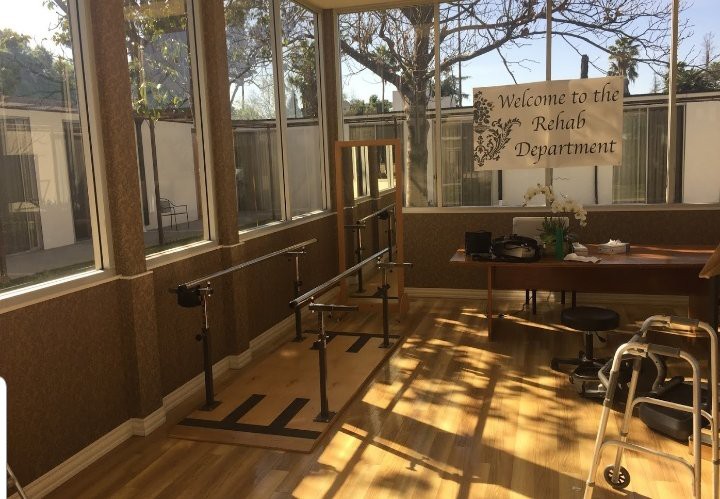
Rehab and therapy support
Rehab and therapy efforts are a frequent focus of positive experiences.
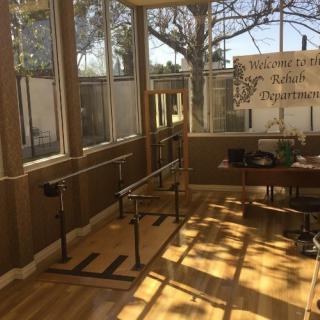
Many reviewers describe physical therapy and occupational therapy as pushing progress forward, with therapists working hard on exercises and giving clear guidance. Several specifically call out encouraging direction during sessions and improved mobility or confidence after rehab. A couple reviewers express concerns about therapy effectiveness or the length of sessions, noting slower-than-expected progress. Overall, therapy quality and follow-through are a major reason people recommend (or hesitate) about Brighton.
differentiator5 reviews mention this
Around-the-clock call support
Residents describe rapid, continuous support with emergency call access.
Some reviewers stress that staff are available “24/7,” asking what they can do to improve comfort. Another mentions a nursing call button in the resident bathroom, reinforcing the idea of accessible help. Even with that, a few critical reviews complain about delays getting help or being ignored when requests were made. Together, residents’ accounts suggest emergency access is central, but responsiveness isn’t consistent across every experience.
caveat6 reviews mention this
Communication and care consistency concerns
Some reviewers raise concerns about communication and consistent care.
A handful of reviews describe moments where families felt left without clear answers, including questions about incidents or whether medication and basic needs were addressed. Others report needing to push for essentials like bathing or doctor follow-up. There are also accounts of delays in response to requests and worries about follow-through during nights or transitions. While many reviewers are pleased with communication, these complaints show that clarity and reliability can be a weak point for some families.
How we summarize
Counts show how many written reviews mention each theme; a review can touch several themes, and only frequently mentioned themes are displayed.
Features
Housing
99 resident community capacity
Types of Care
Skilled Nursing Facility
Amenities
Air-conditioning
Beauty salon
Cable or satellite TV
Computer center
Dining room
Fitness room
Fully furnished
Gaming room
Garden
Housekeeping services
Kitchenette
Move-in coordination
Outdoor space
Private bathrooms
Restaurant-style dining
Small library
Telephone
Wellness center
Wi-Fi/high-speed internet available
Transportation
Burbank-Glendale-Pasadena (12 miles away)
Los Angeles International (22 miles away)
Long Beach (Daugherty) (25 miles away)
Community operated transportation
Transportation arrangement
Transportation arrangement (non-medical)
Transportation to doctors appointments
Care Services
12-16 hour nursing
24-hour call system
24-hour supervision
Activities of daily living assistance
Assistance with bathing
Assistance with dressing
Assistance with transfers
Diabetes diet
Meal preparation and service
Medication management
Mental wellness program
Special dietary restrictions
Dining
Diabetes diet
Special dietary restrictions
Activities
Community-sponsored activities
Concierge services
Fitness programs
Planned day trips
Resident-run activities
Scheduled daily activities
Nearby Places of Interest
Pharmacies
CVS Pharmacy (1.4 miles)
CVS Pharmacy (1.6 miles)
Rite Aid (1.8 miles)
Rite Aid (2.5 miles)
Walgreens (2.8 miles)
CVS Pharmacy (3 miles)
CVS Pharmacy (3.5 miles)
Restaurants
McDonald's (1.6 miles)
Urth Caffé-Pasadena (2.3 miles)
Chick-Fil-A (3 miles)
McDonald's (3.5 miles)
McDonald's (3.9 miles)
Popeyes Louisiana Kitchen (4.7 miles)
In-N-Out Burger (4.8 miles)
Cafes
Lavender & Honey Espresso Bar (1.7 miles)
Panera Bread (4.5 miles)
Charlie's Coffee House (4.7 miles)
Starbucks (4.9 miles)
Bopomofo Cafe (5.6 miles)
Panera Bread (6.2 miles)
Proof Bakery (7.6 miles)
Parks
Hahamongna Watershed Park (1.8 miles)
Brookside Park (2 miles)
Lacy Park (4.3 miles)
Garfield Park (4.3 miles)
Arroyo Seco Park (4.4 miles)
Alhambra Park (5.6 miles)
Cleland Ave Bicentennial Park (5.7 miles)
Hospitals
Huntington Memorial Hospital Nicu (2.9 miles)
Glendale Adventist Medical Center (4.9 miles)
Medical 2 unit (5 miles)
Methodist Hospital of Southern California (6.9 miles)
Usc-Norris Cancer Hospital (8.6 miles)
Places of Worship
San Marino Community Church Nursery School (4.7 miles)
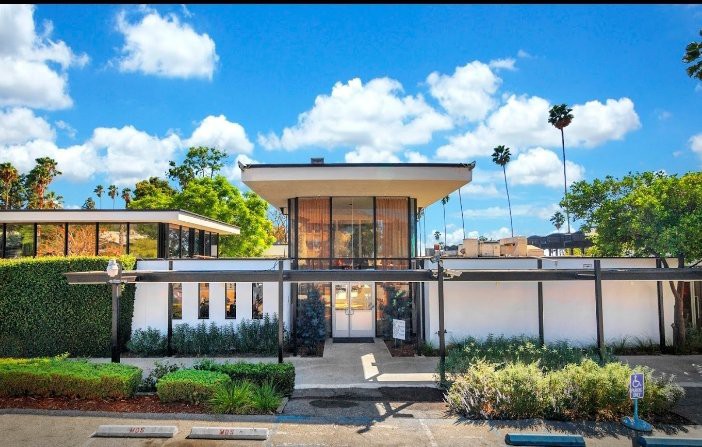
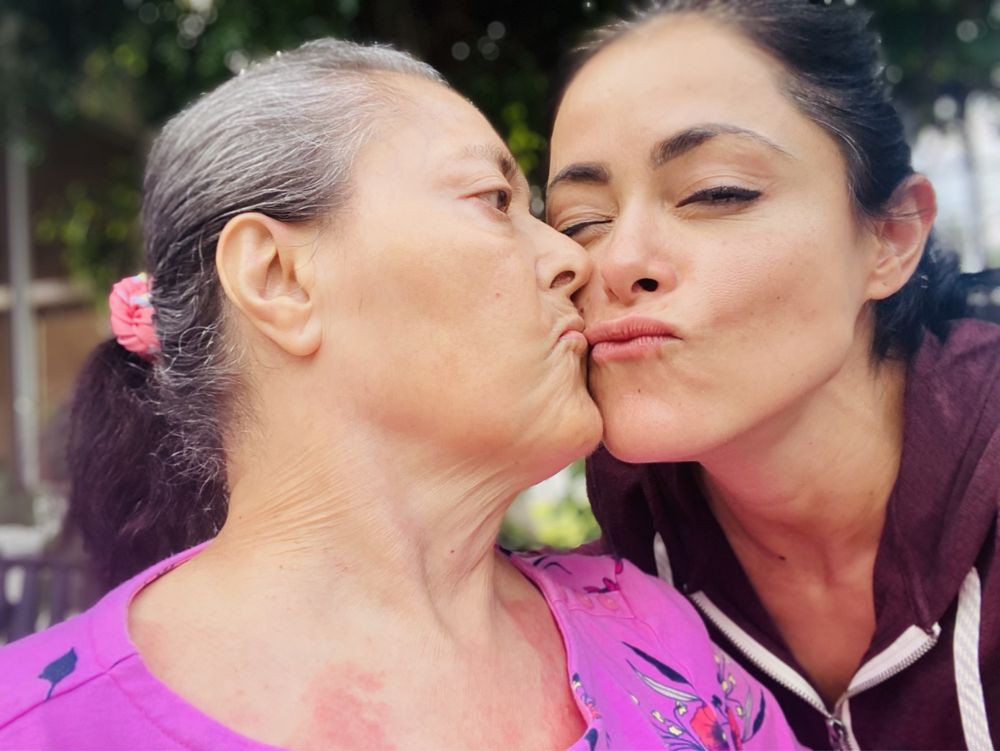
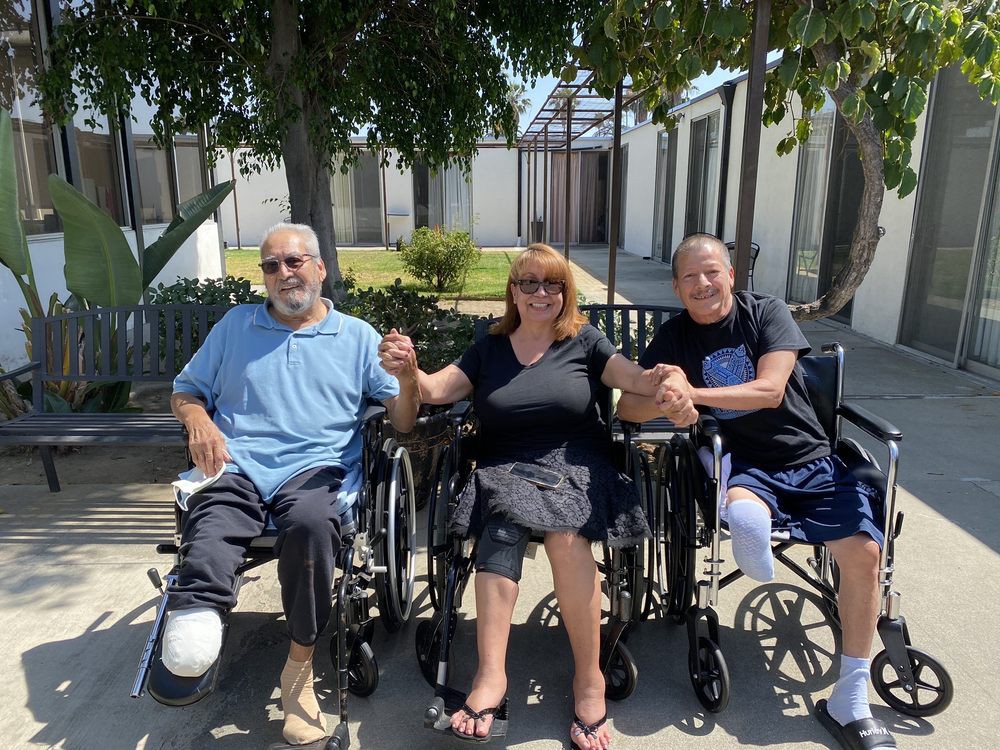
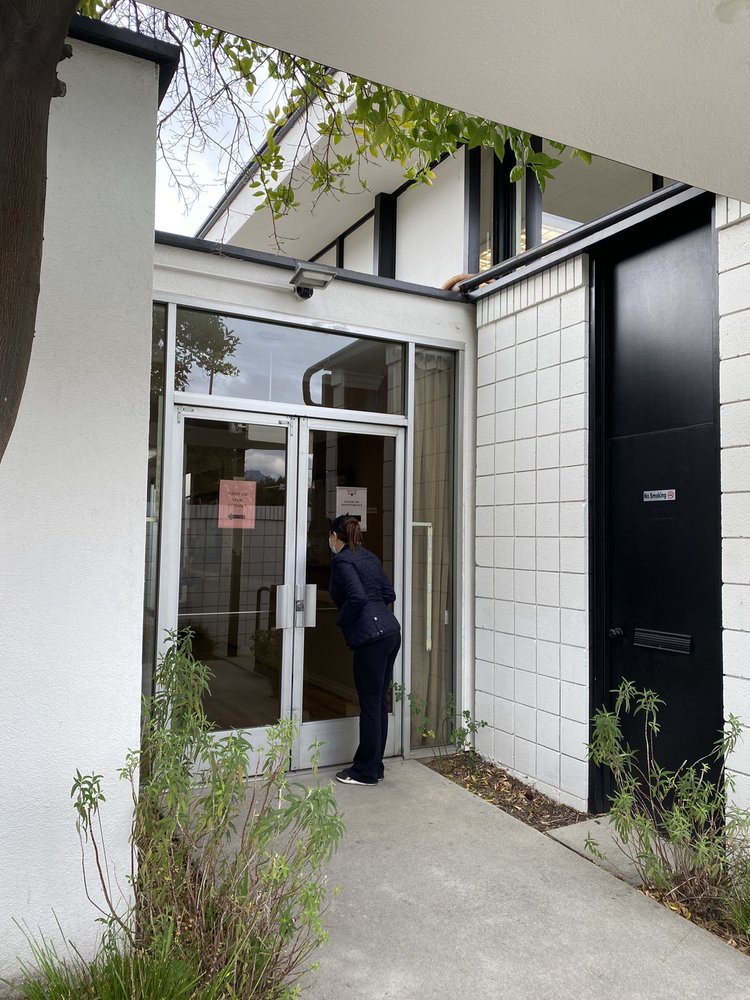
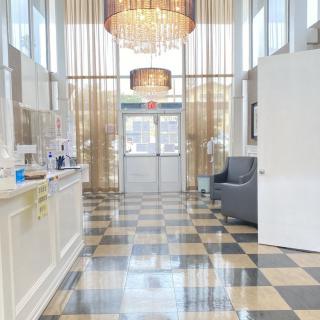
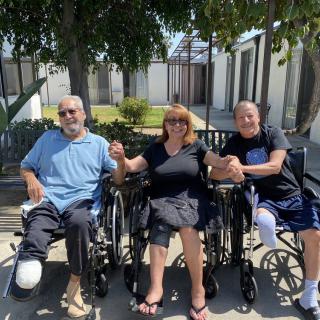
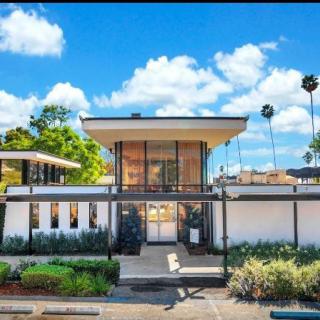
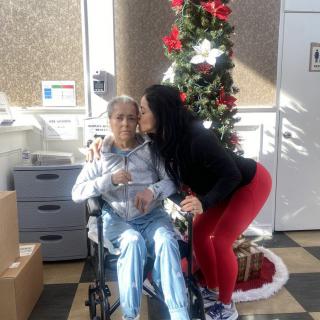
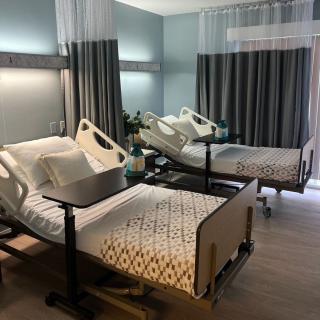
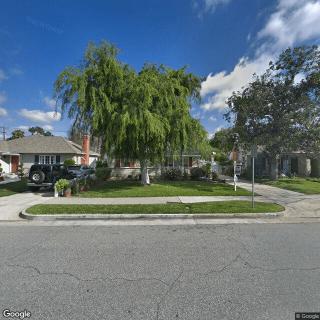
Brighton Care Center on seniors.fyi includes 9 photos including images showing outdoors, wheelchair, outdoor, modern architecture, tree, interior, lobby, chandelier, and more.
Nearby Communities
Saint Vincent Healthcare
Pasadena, CA
4 from 8 reviews
Well-organized, personalized care with engaging activities.
Pasadena Villa Senior Living
Pasadena, CA
4.3 from 12 reviews
Caring staff and a warm, family-like atmosphere.
Rose Garden Healthcare Center
Pasadena, CA
4.2 from 62 reviews
Extensive amenities and around-the-clock care
Pasa Alta West
Pasadena, CA
3.7 from 6 reviews
24/7 supervision with activities of daily living assistance and coordinated healthcare; convenient location near amenities and hospitals.
Bella Vista
Pasadena, CA
3.4 from 7 reviews
Well-maintained, bright facility with generous communal spaces, active programs, and restaurant-style dining.
Camellia Gardens Care Center
Pasadena, CA
4.8 from 66 reviews
Extensive on-site amenities and 24/7 care support for an active, social lifestyle
Grant Serenity Homes Of Pasadena
Pasadena, CA
3.5 from 4 reviews
$5,000 to $6,000 / month
Calm, personalized move-in support with attentive staff and a clean, welcoming environment.
The Terraces At Park Marino
Pasadena, CA
4.6 from 84 reviews
$3,300 to $6,420 / month
Warm, welcoming community with friendly, accommodating staff, engaging activities, and high-quality dining.
Huntington Post Acute
Pasadena, CA
24/7 nursing support with medication management plus engaging amenities and activities.
Geriatric care managers create personalized care plans for older adults, addressing their medical, social, financial, and psychological needs while coordinating services and advocating for their well-being. They help families navigate caregiving challenges but may be hindered by high costs and a shortage of qualified professionals.
The article highlights the importance of empathy and open communication when comforting someone who is grieving, noting that grief is unique to each individual and emphasizing the need for sincere expressions of condolence, active listening, and ongoing support. It also addresses cultural differences in mourning practices and encourages tailored approaches to provide effective comfort.
Home health care aides provide vital medical and non-medical support to individuals at home, assisting with daily living activities and promoting emotional well-being, while the demand for these services increases due to an aging population. Families benefit from in-home care's flexibility and cost-effectiveness but face challenges like scheduling consistency and caregiver turnover.
Exercise Equipment, Rehabilitation, and Physical Therapy
Tree
Wheelchair
Modern Architecture
Residential Building
Additional Photos
Get PricingAsk A QuestionSchedule A TourContact Senior Advisor
By clicking submit, you agree to our Partner's Terms of Use. You
also consent to receive calls and texts, which may be autodialed, from our Partner. Your consent is not a condition to
using our Partner's service. Please visit our Partner's Privacy Policy for information about their privacy practices.

 99 resident community capacity
 Skilled Nursing Facility
 Air-conditioning
 Beauty salon
 Cable or satellite TV
 Computer center
 Dining room
 Fitness room
 Fully furnished
 Gaming room
 Garden
 Housekeeping services
 Kitchenette
 Move-in coordination
 Outdoor space
 Private bathrooms
 Restaurant-style dining
 Small library
 Telephone
 Wellness center
 Wi-Fi/high-speed internet available
 Burbank-Glendale-Pasadena (12 miles away)
 Community operated transportation
 12-16 hour nursing
 24-hour call system
 Activities of daily living assistance
 Assistance with bathing
 Assistance with dressing
 Assistance with transfers
 Diabetes diet
 Medication management
 Mental wellness program
 Special dietary restrictions
 Concierge services
 Planned day trips
 Well-organized, personalized care with engaging activities.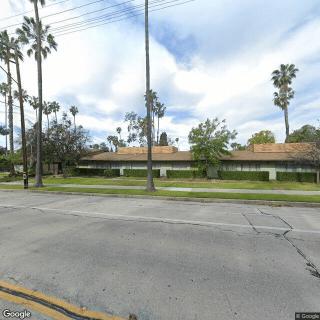


 Is a Geriatric Care Manager the Right Choice for Your Family?
 Compassionate Conversations: How to Comfort Someone Who Is Grieving
 Home Health Care Aides: Understanding Their Role and Supporting Your Family