
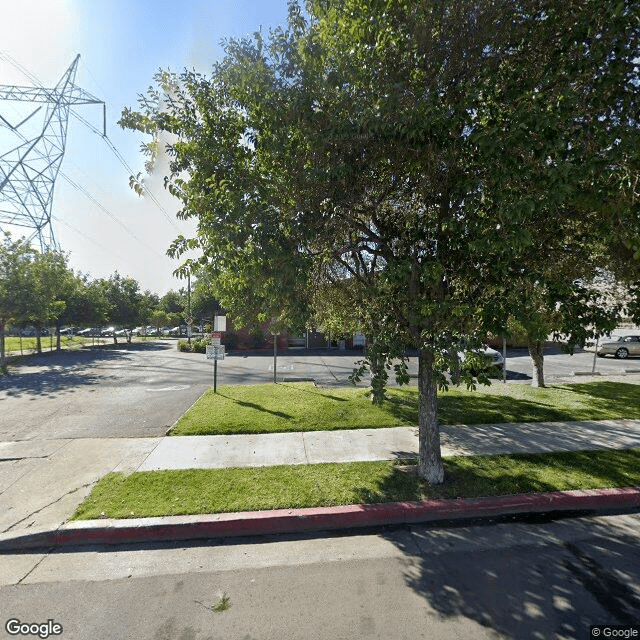
11810 Saticoy St, North Hollywood, CA 91605
To contact a resident: (818) 759-5594
For more information about senior living options: (866) 208-4318
Overall Review of All Saints Convalescent Ctr
Pros
 The staff are doing an excellent job caring for the daughter.
- The facility is wonderful and very clean.
- The staff are wonderful and extremely caring.
- The clinic is very good.
- The staff are absolutely amazing.
- His care was amazing and the staff became like family to him and his family.
Cons
 The service was very bad and described as the worst thing that could have happened to her and her daughter, leaving the daughter with severe brain damage.
- Nurses and staff are accused of not doing their jobs, management ignores comments, and kids are neglected, with reports stating the kids are okay when they are not.
- One reviewer stated that one star is too much for the facility.
- The staff were rough with a mother, causing bruises and weight loss, and the family felt the staff disliked when the family stayed.
- The facility is described as unfit, with no patient care, no urgency, constant delays, and caregivers lacking compassion and empathy.
- The reviewer advises others not to take their child there, claiming the care is poor.
- The social worker is described as unresponsive and lazy, hindering transfers and not available to assist.
Review
All Saints Convalescent Center in North Hollywood is best suited for families that must supervise complex medical care and demand aggressive, hands-on oversight. This is not a setting for passive reliance on the routine promise of care; it is a facility where outcomes hinge on vigilant family involvement, rapid escalation when concerns arise, and a care team that can be pressed to respond promptly. For patients with tracheostomies, feeding tubes, significant cognitive or physical impairments, or specialized rehab needs, this center may deliver the medical supervision that is essential only when families are prepared to monitor daily care, review reports, and advocate consistently.
Alternatives should be seriously considered for families seeking consistently reliable daily care, transparent communication, and a calmer care environment. If the expectation is steady staffing, predictable response times, and a track record of compassionate, crisis-responsive nursing and therapy, other nearby rehab and convalescent facilities may offer more dependable support. Pediatric and brain-injury rehab, in particular, often requires highly coordinated teams and proactive discharge planning, and there are centers that render clearer accountability and smoother transitions back toward home or closer to family.
The documented positives at All Saints, cleanliness, occasional attentive staff, and moments of genuine care, do matter and should not be dismissed. Several reviewers note compassionate CNAs, caring interactions, and genuine efforts from some team members, along with a facility that presents as well-kept and orderly at times. Yet these strengths do not consistently translate into reliable, safe, 24/7 care. The strongest takeaway is that what works well for one resident can unravel for another if staffing is thin, supervision is inconsistent, or urgent needs are not met with immediacy and empathy.
The most troubling and recurrent concerns cluster around safety and responsiveness. Repeated accounts describe rough handling, weight loss, missed changes for incontinence, and delayed attention during crises. There are claims of understaffing and other systemic pressures that leave frontline caregivers overwhelmed, with families feeling left to fill in gaps. A pervasive sense of miscommunication, dismissiveness toward family input, and questions about integrity and accountability further erode trust. Taken together, these reports signal real risk when medical stability and emotional well-being depend on consistently high-caliber, timely care.
Families can offset some risk by demanding a rigorous, documented care plan and by creating strong oversight rituals. Before admitting or renewing, require a clear, written approach to daily care, including nurse-to-patient ratios for critical shifts, explicit protocols for crisis response, and strict surveillance of medications and treatments. Establish regular, scheduled updates from the charge nurse or unit manager, and insist on direct access to a social worker, physician, and therapy team when questions arise. Consider periodic, unannounced visits to verify routines, and keep a ready plan to transfer to a higher-performing facility if safety or responsiveness deteriorates. This is the kind of environment where advocacy is not optional; it is essential to protect vulnerable loved ones.
In the end, All Saints Convalescent Center demands an engaged, proactive family and a willingness to navigate imperfect care with discipline and discernment. For families that can sustain vigilant oversight and demand accountability, it may still fulfill essential medical supervision and occasional moments of quality care. For those who require consistently dependable staffing, transparent communication, and a uniformly compassionate culture, exploring stronger options is prudent. The question becomes whether advocacy enough will sustain a loved one through ongoing risk, or whether a transfer to a facility with steadier workflows and clearer handoffs is the safer, smarter choice.
 Skilled Nursing Facility
 Burbank-Glendale-Pasadena (2 miles away)




 Top Cars for Senior Drivers and Essential Safety Innovations
 A Closer Look at Private Pay Home Care
 Comprehensive Approaches for Arthritis: A Detailed Guide to Symptoms, Causes, and Care