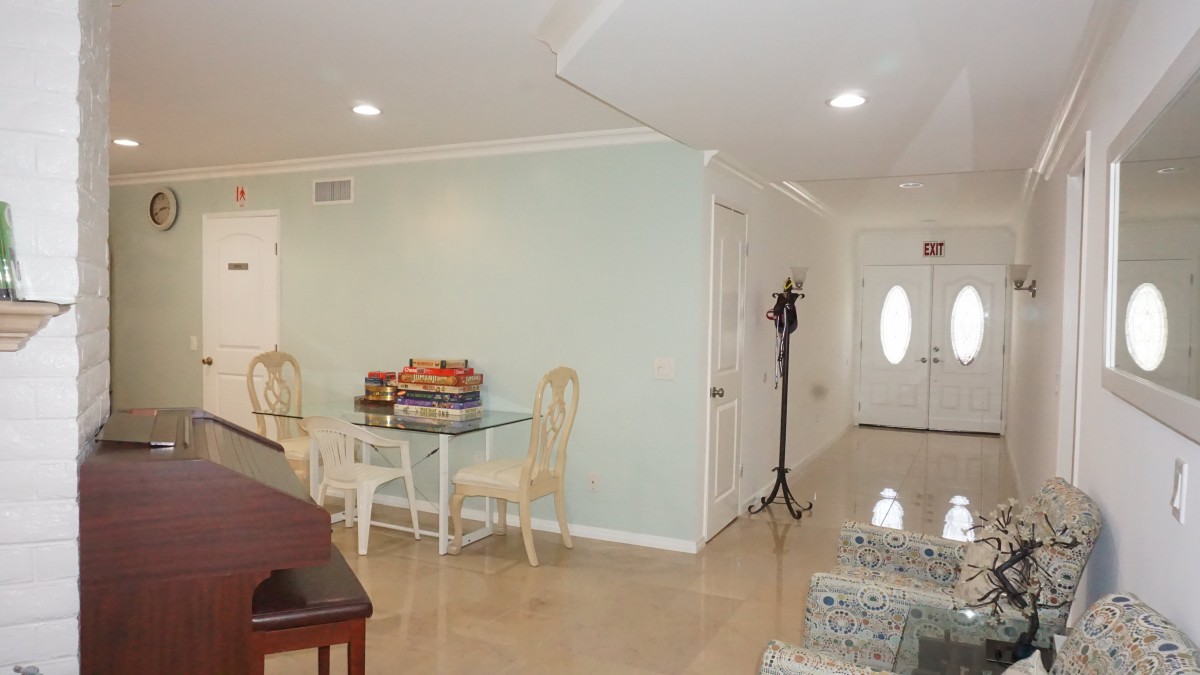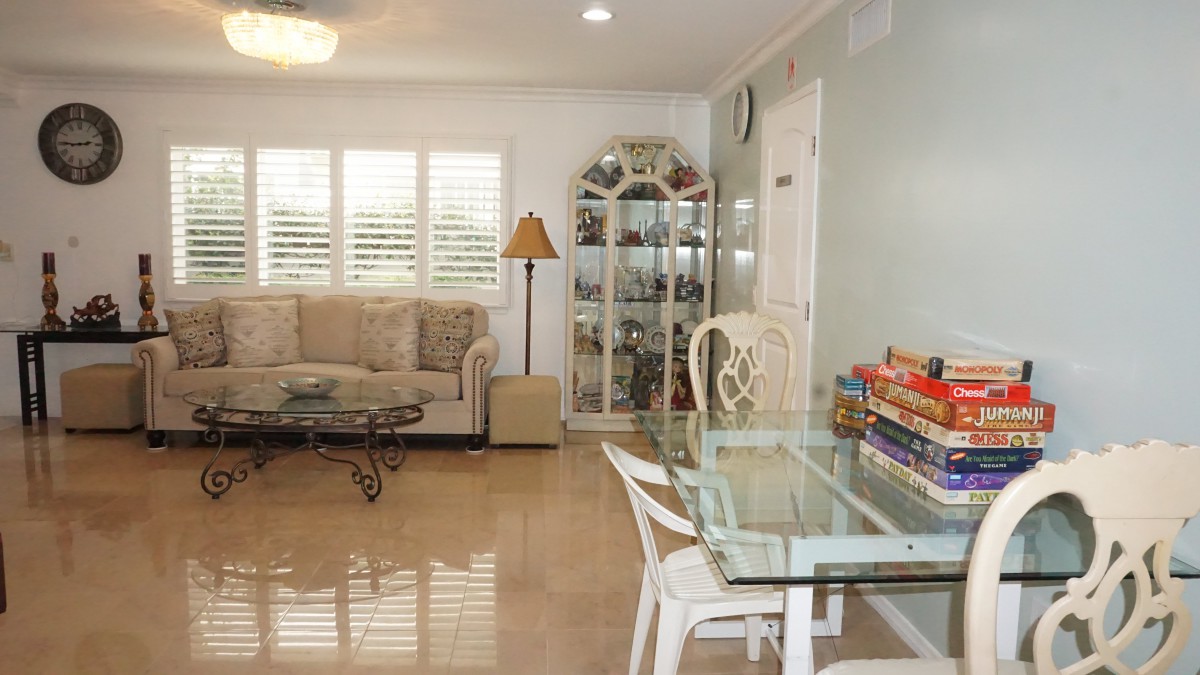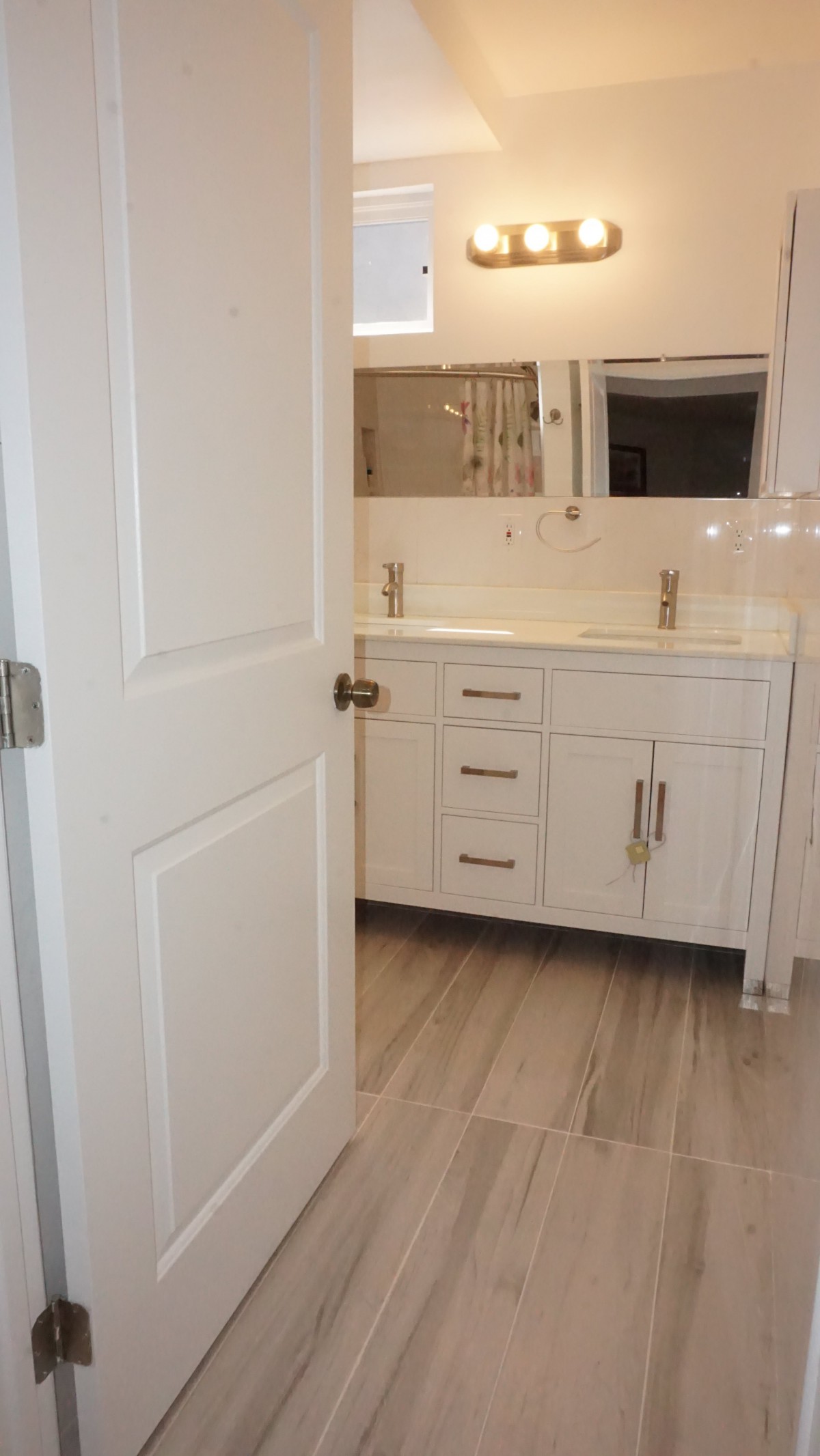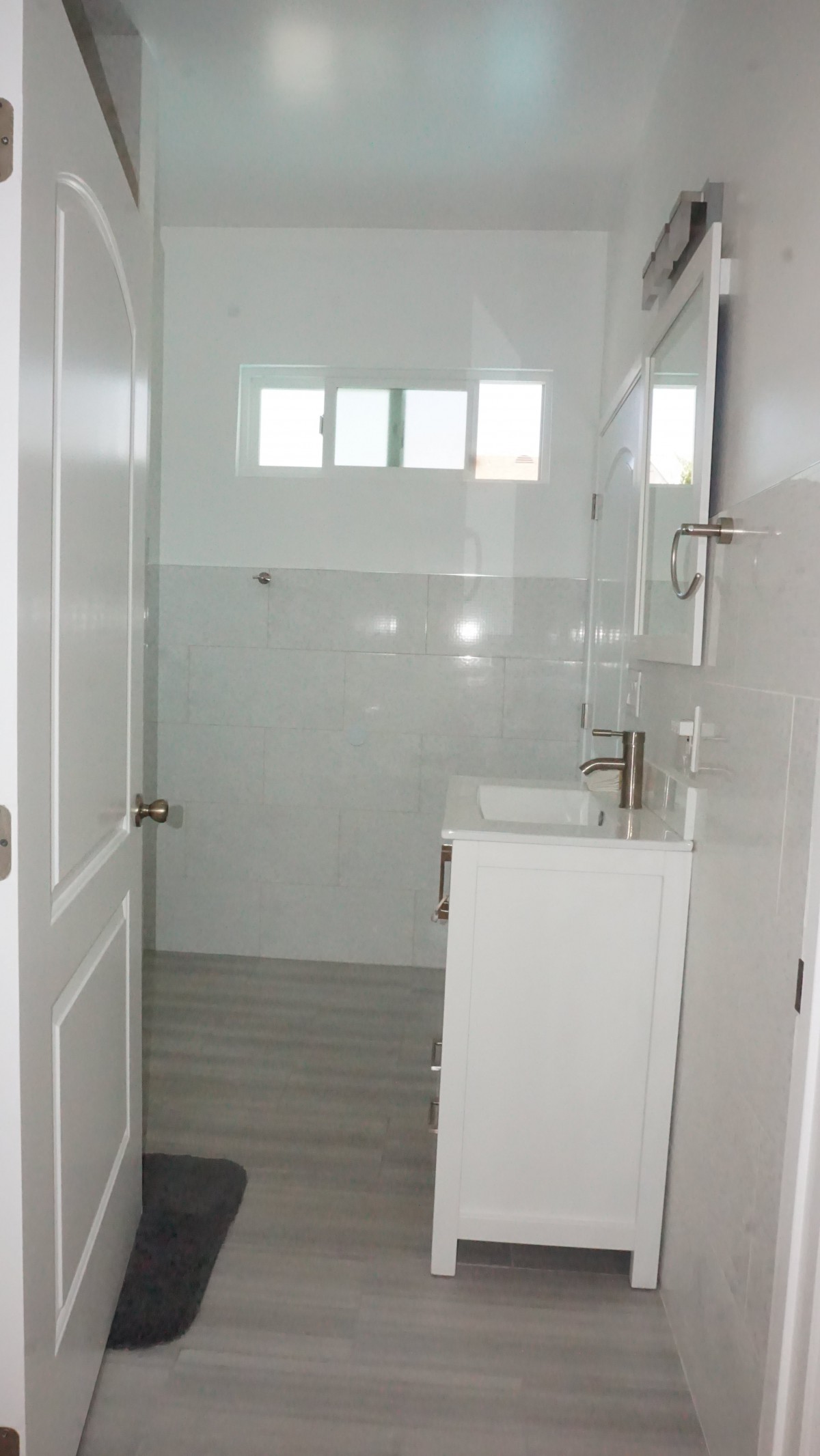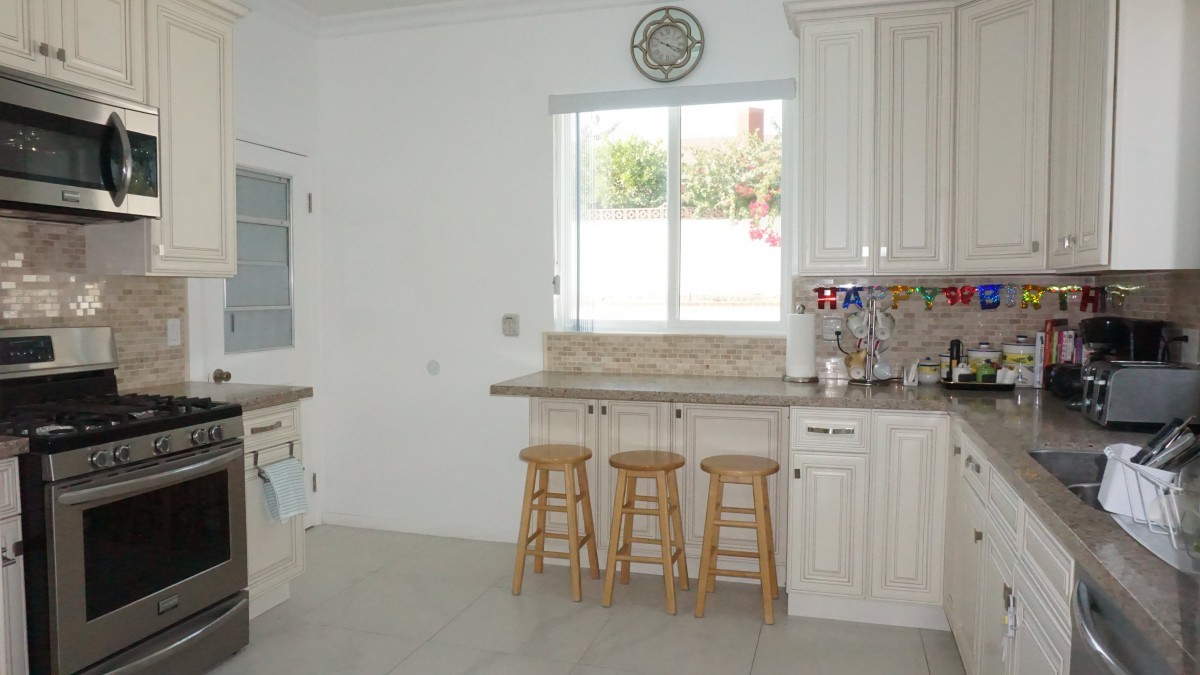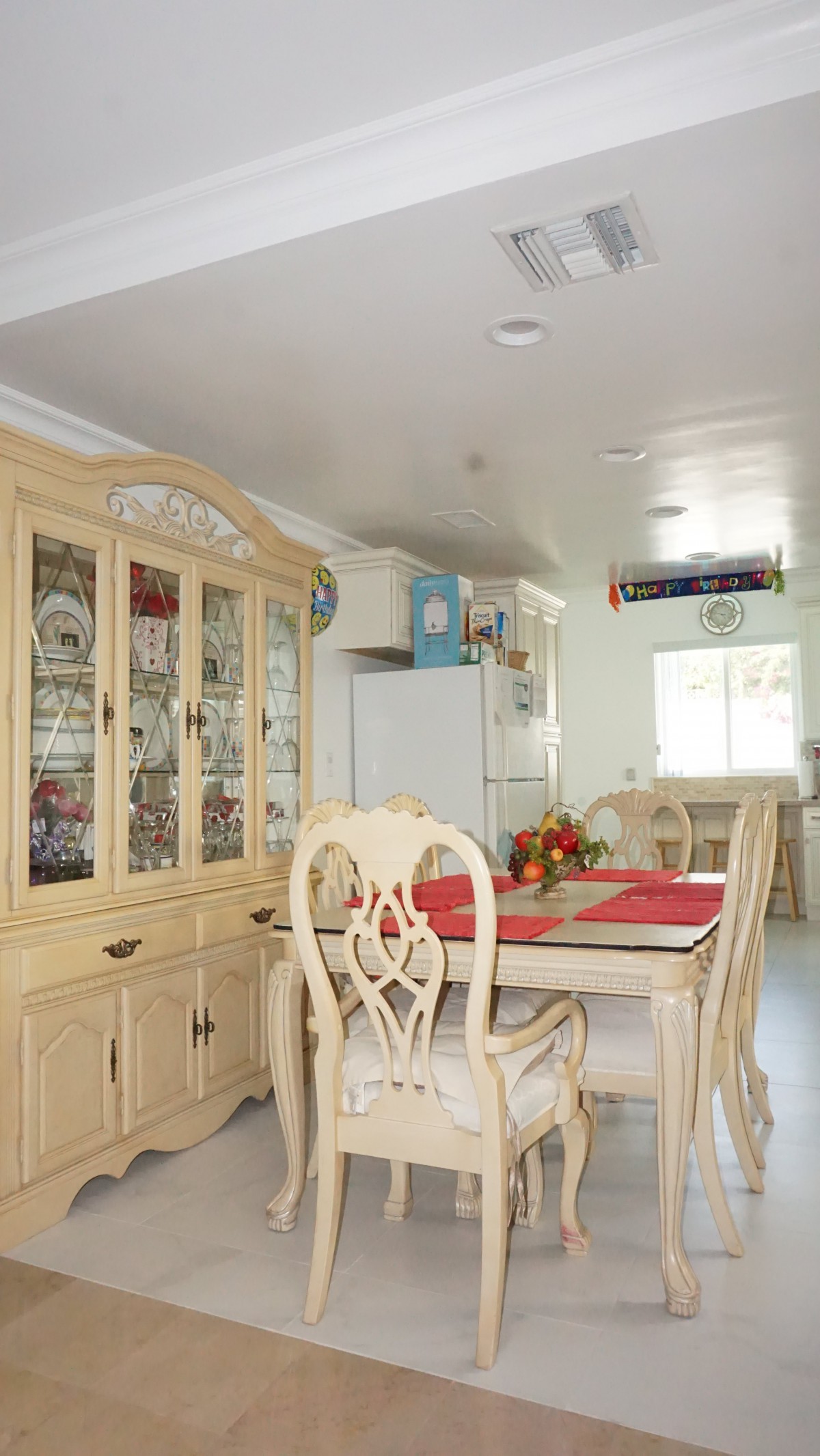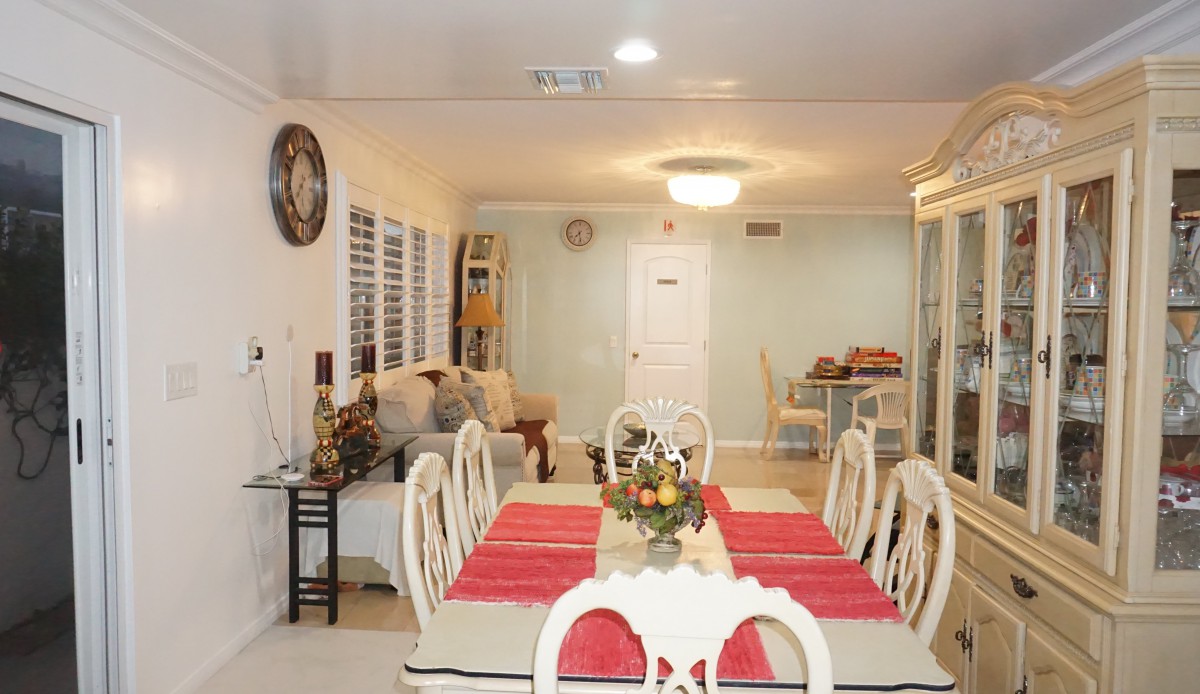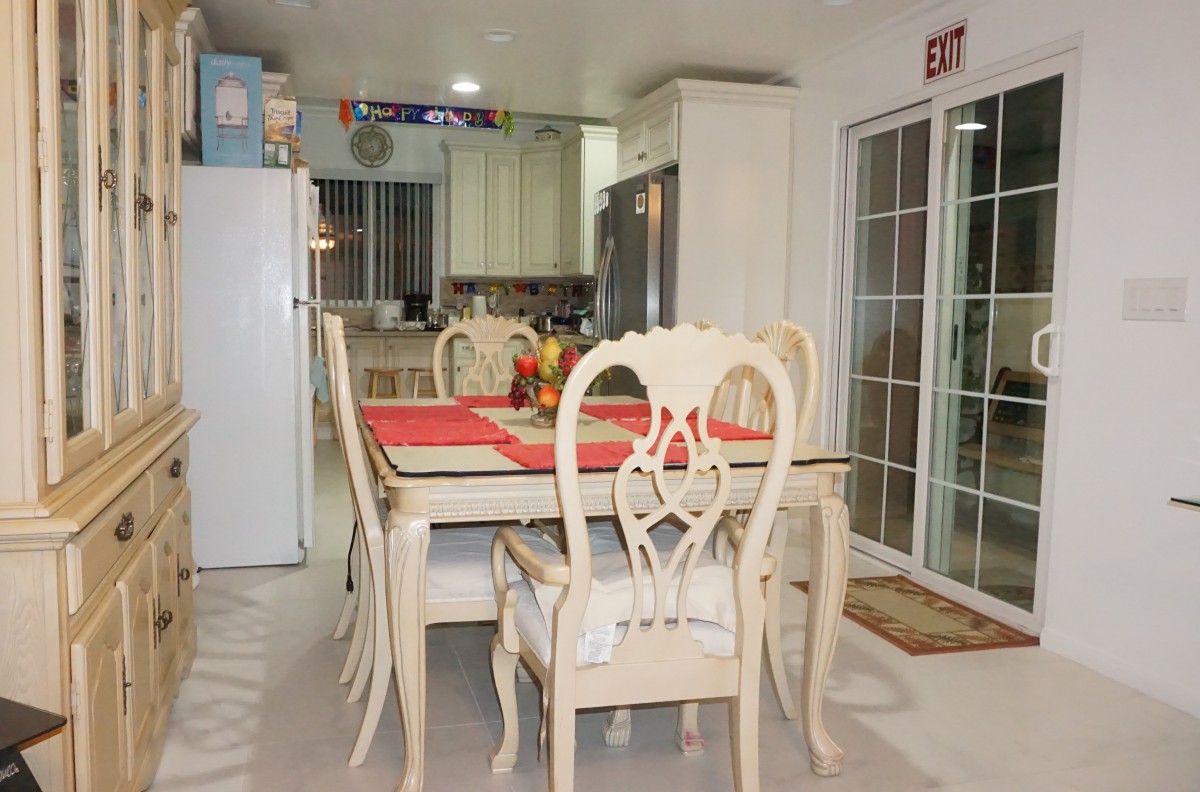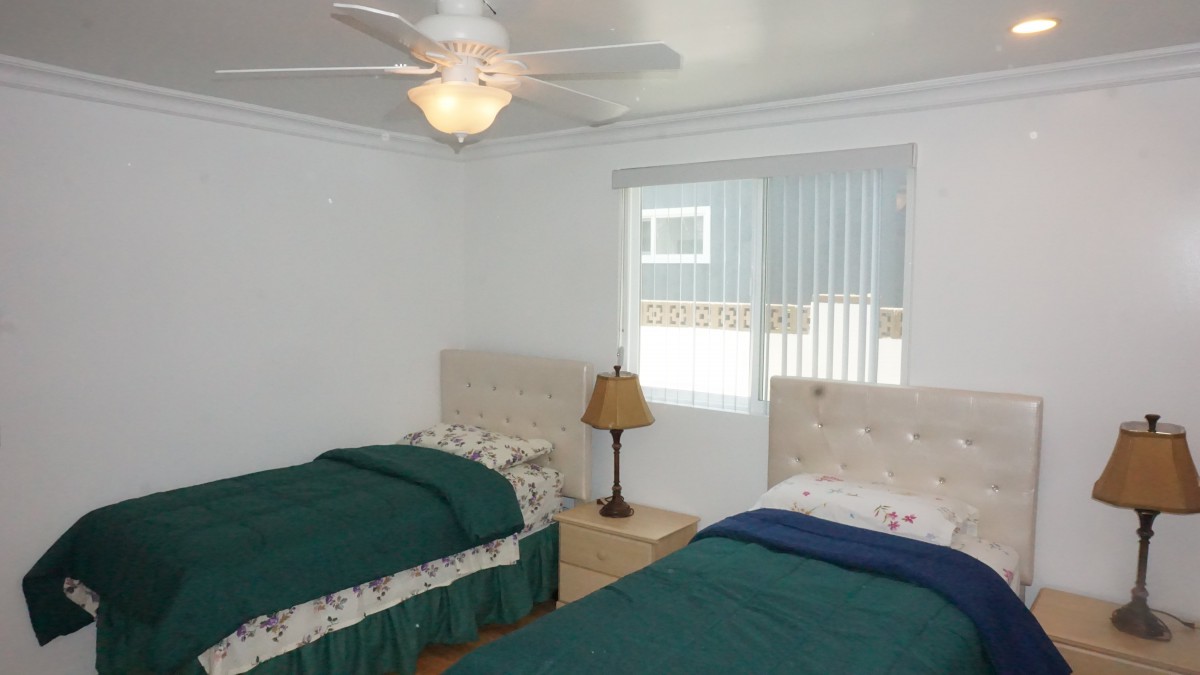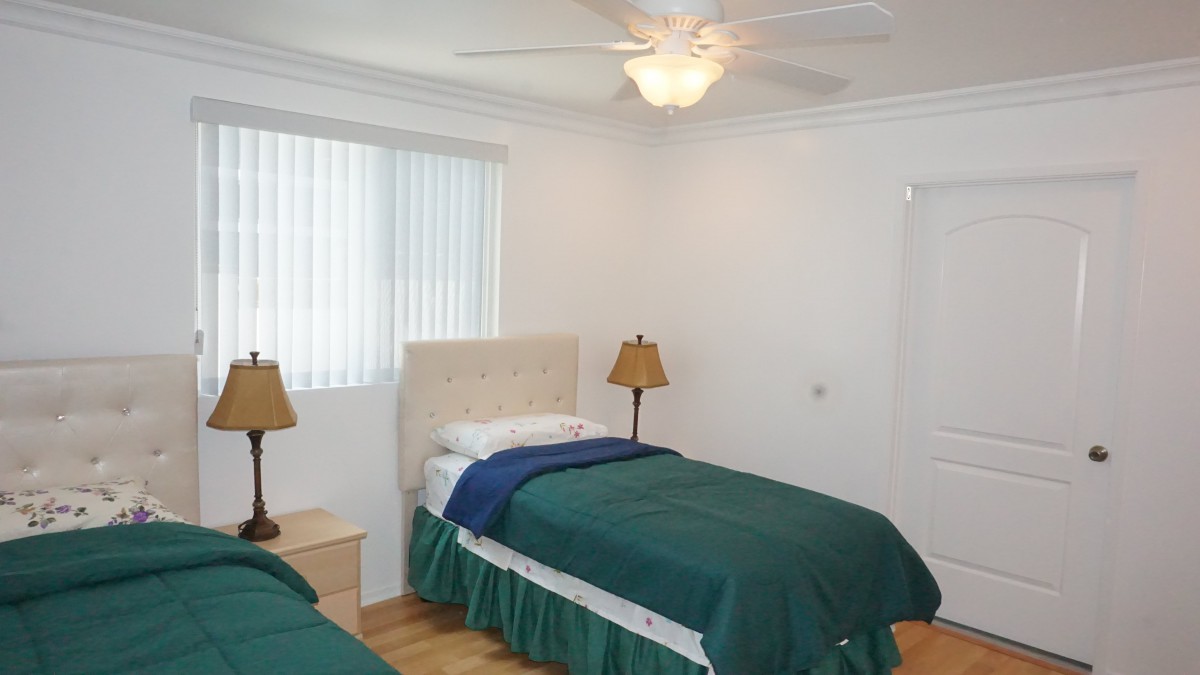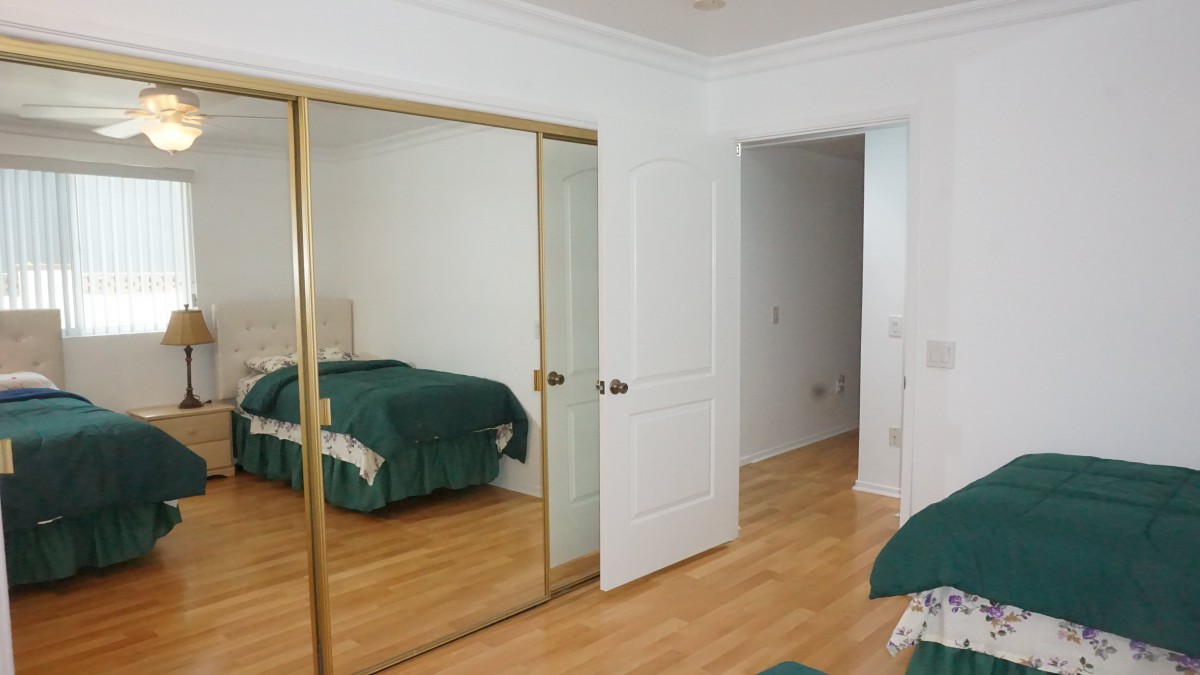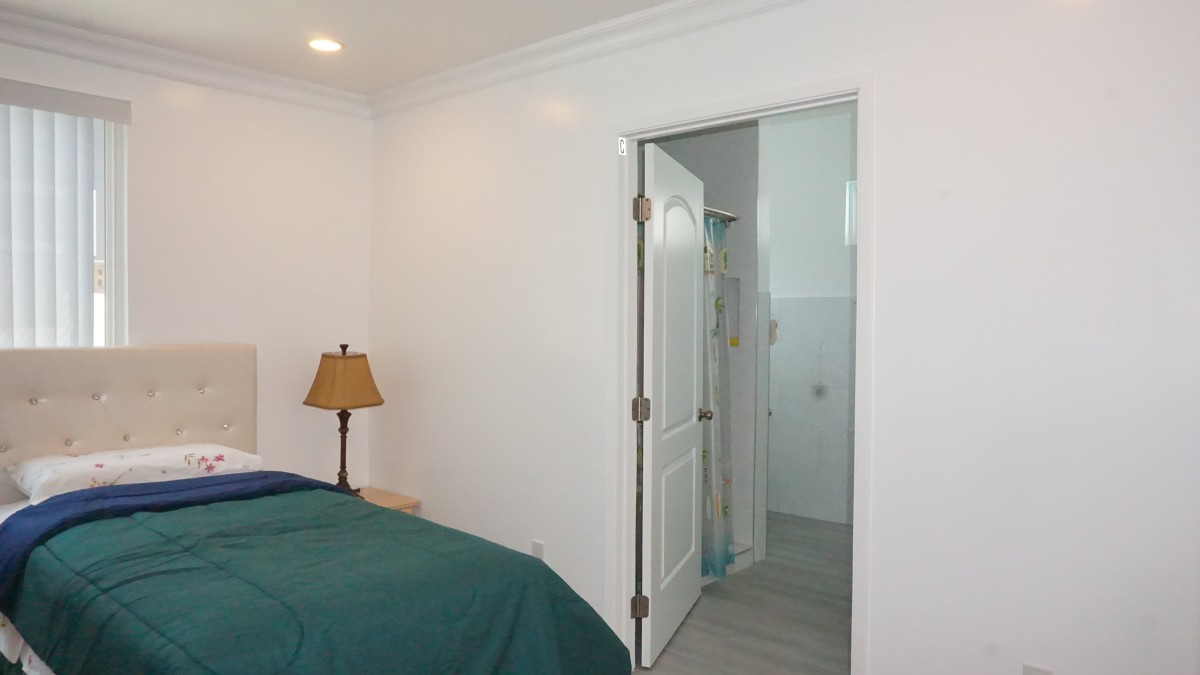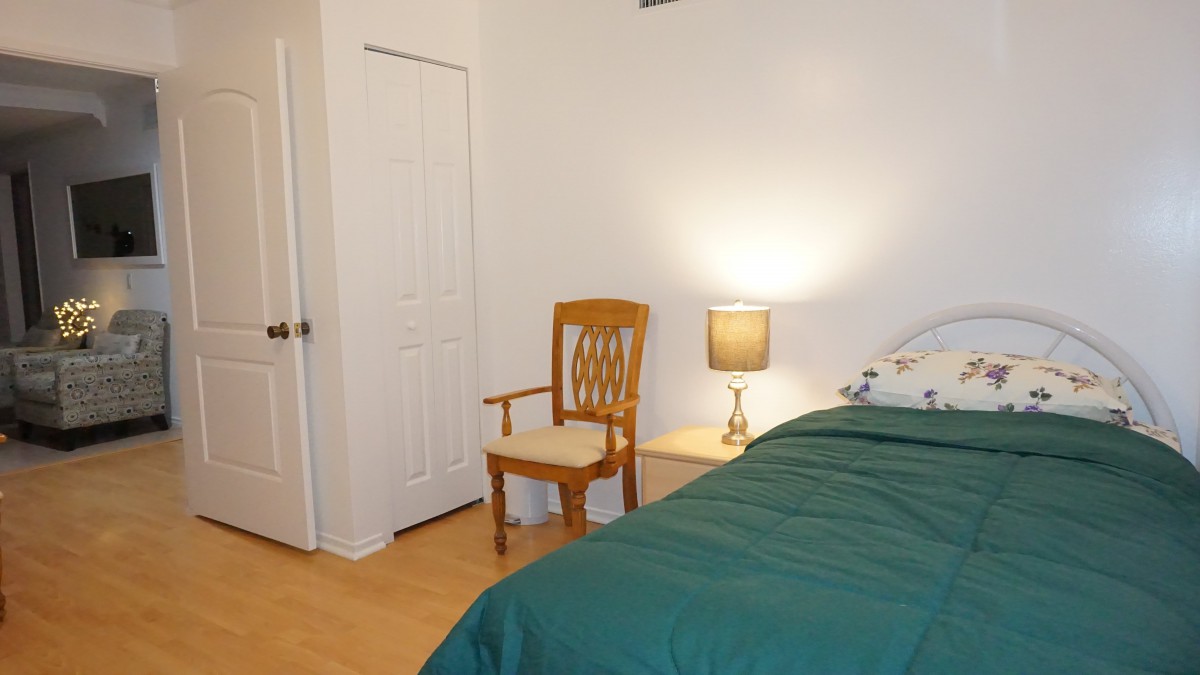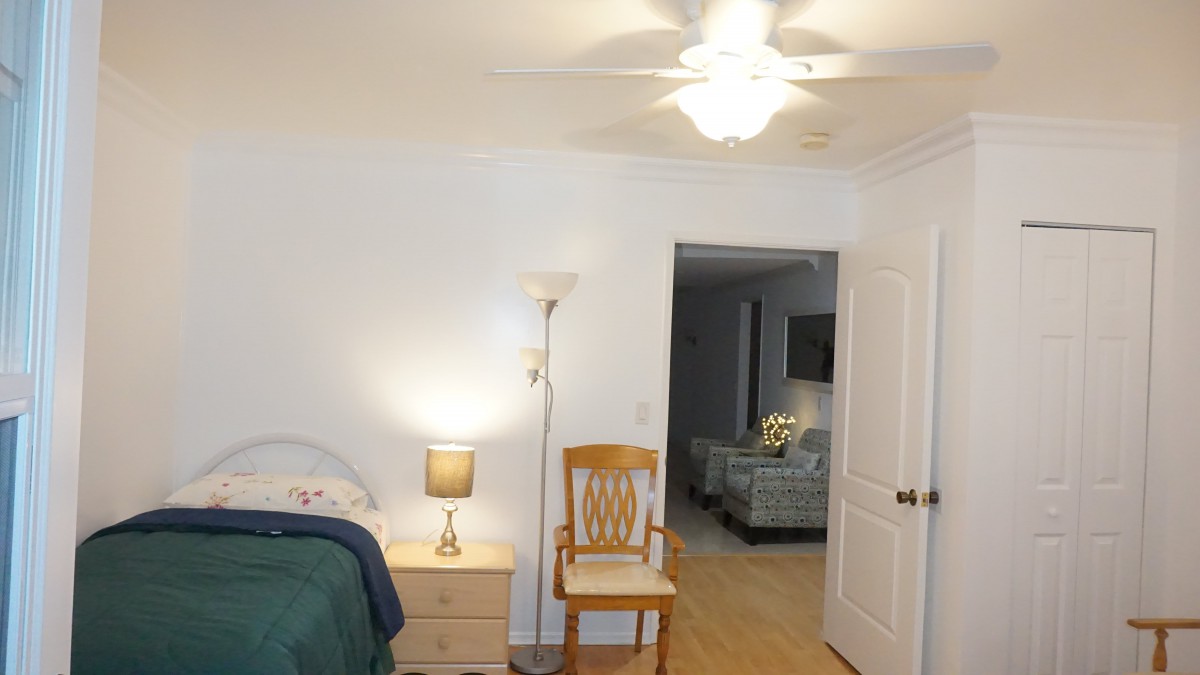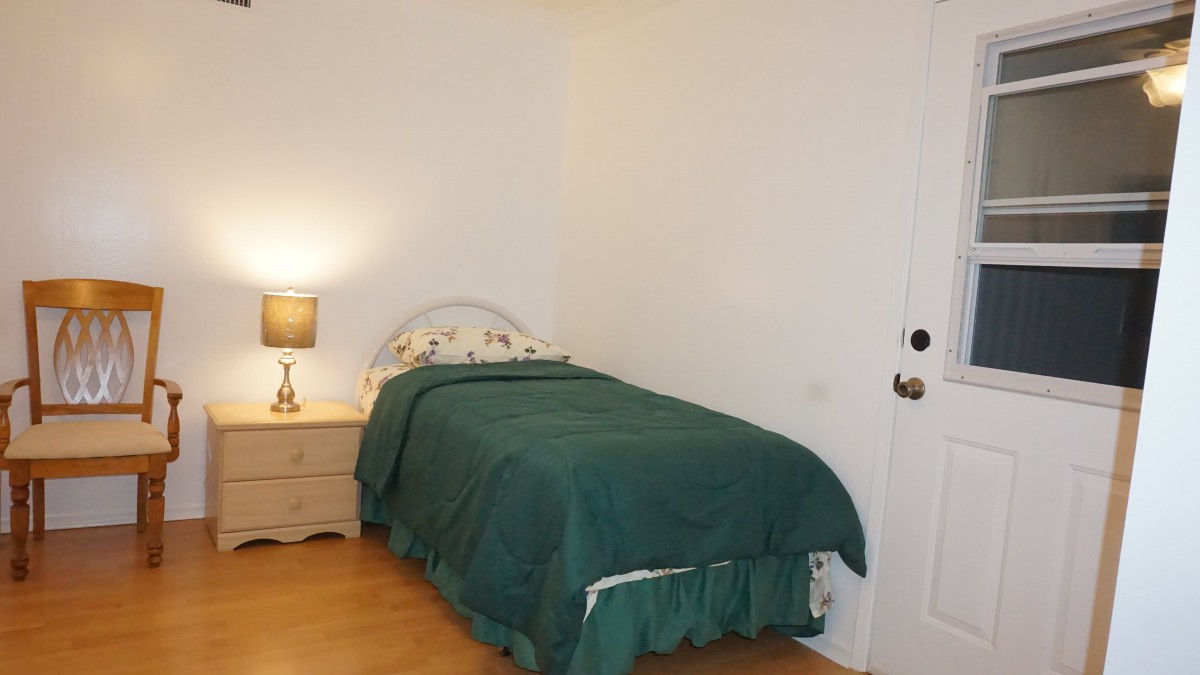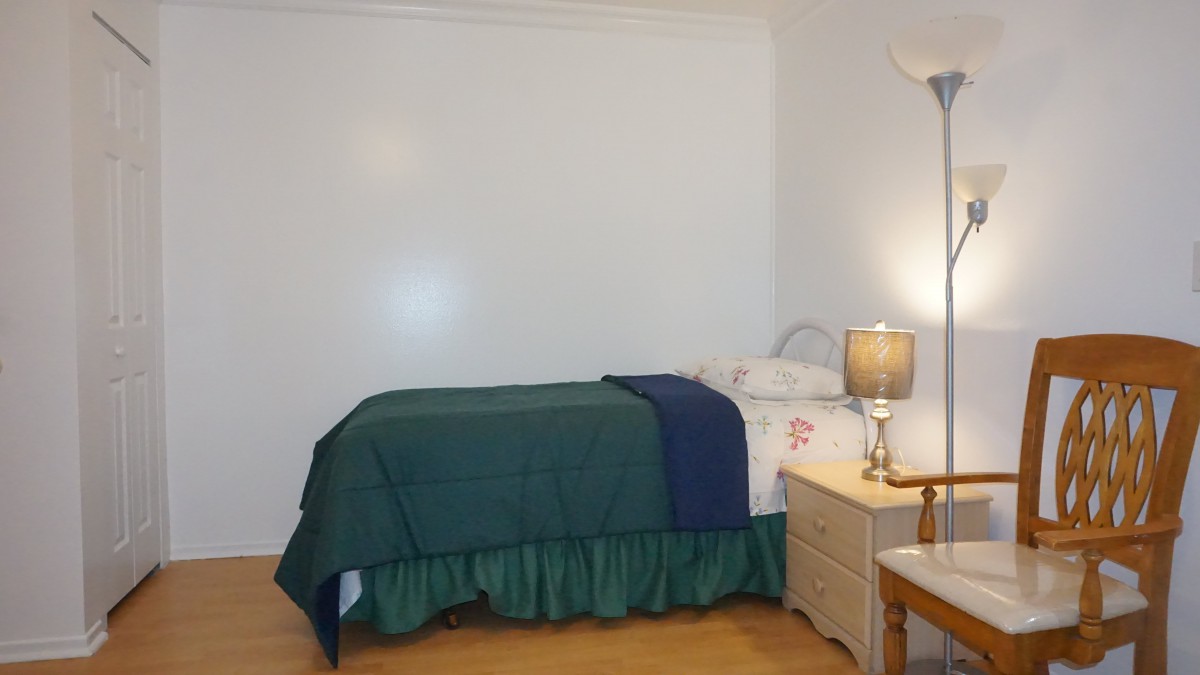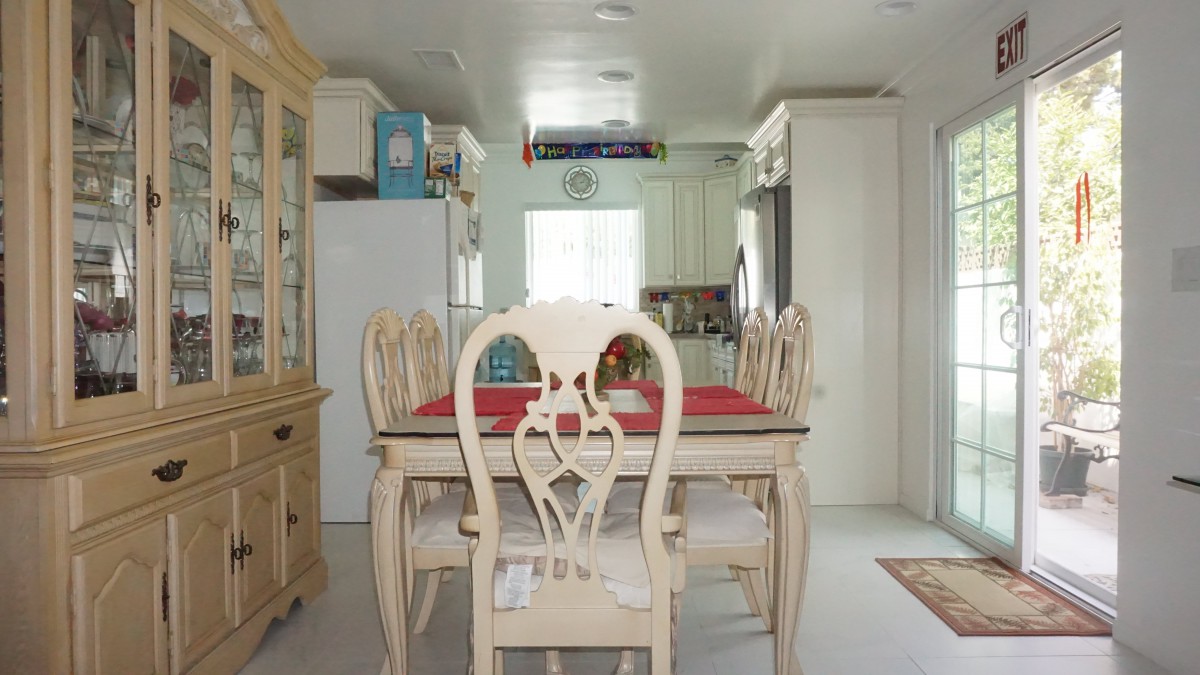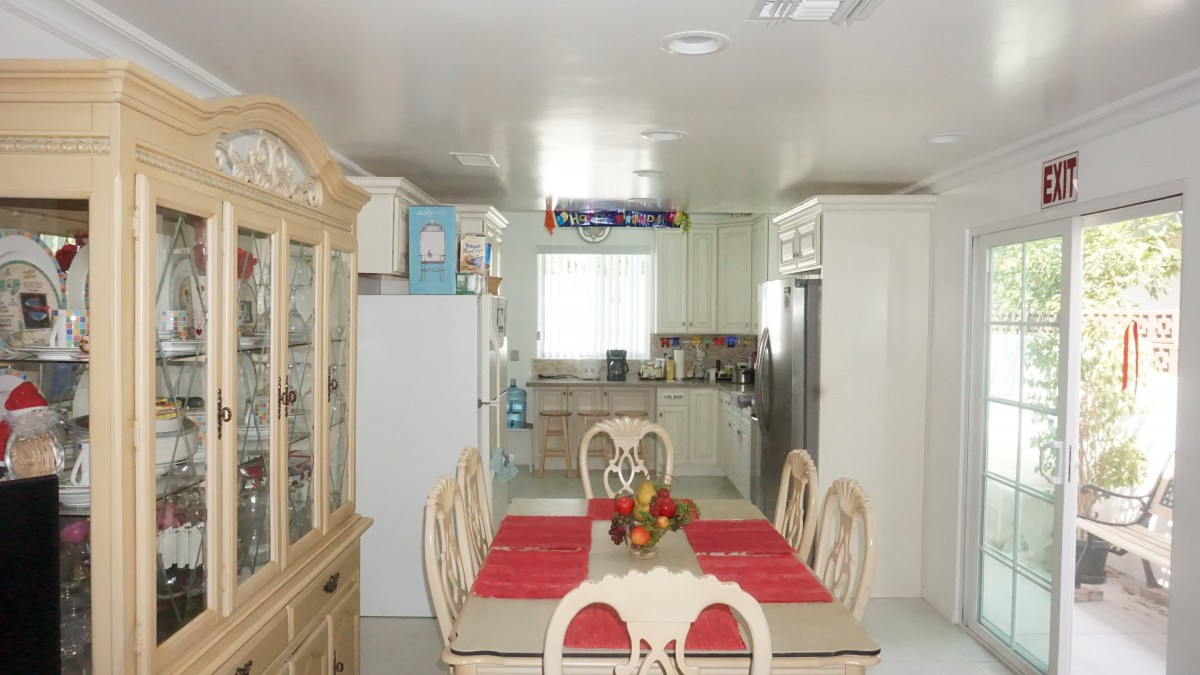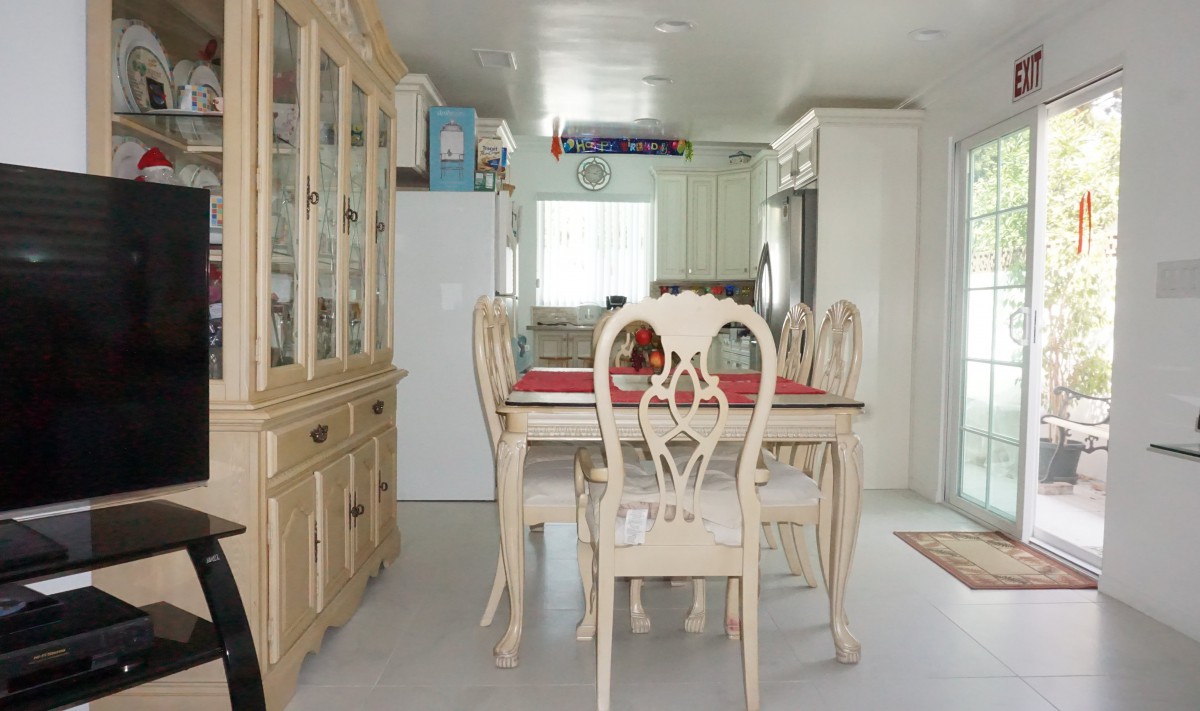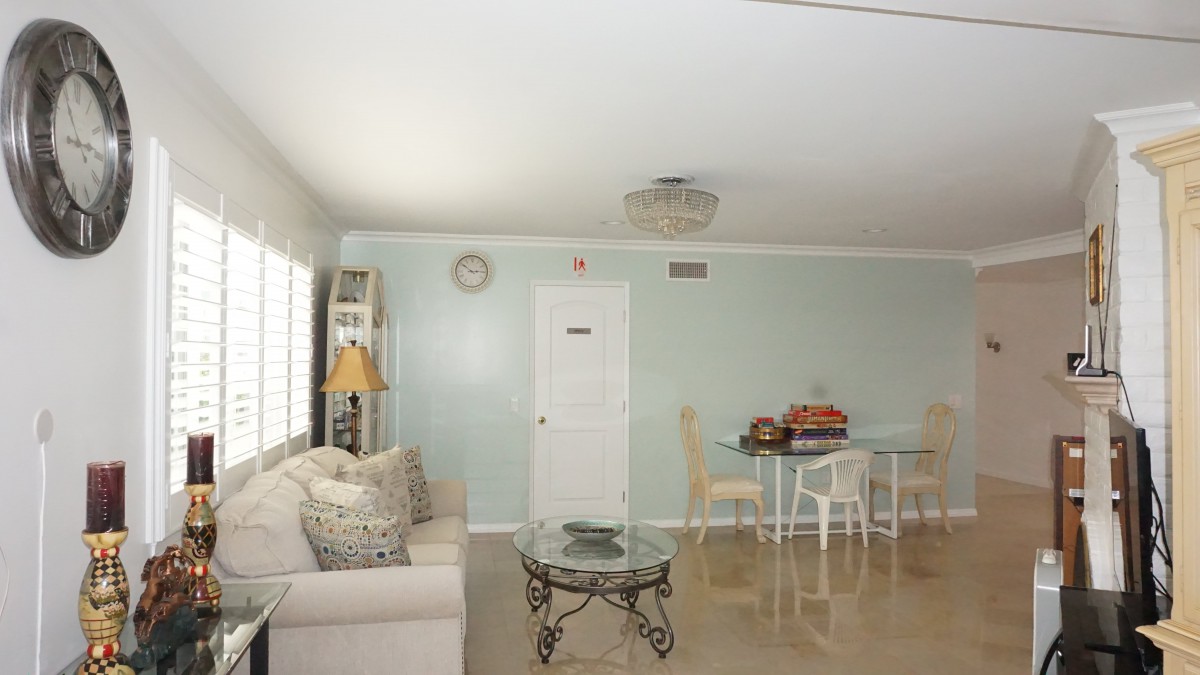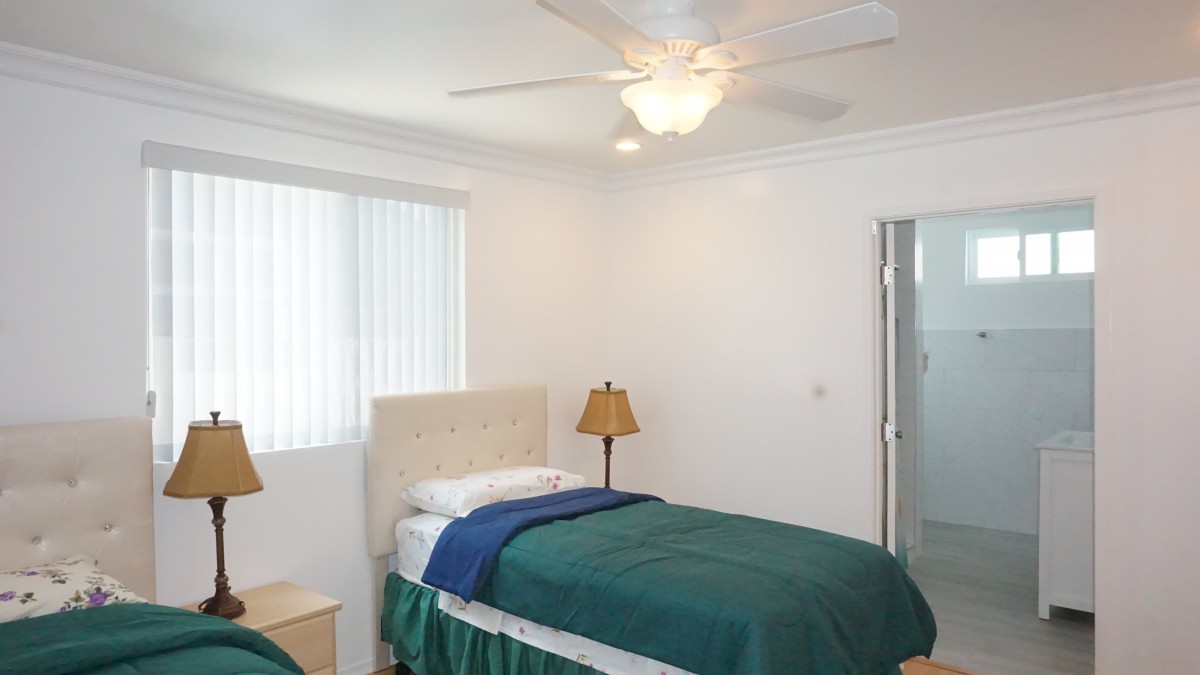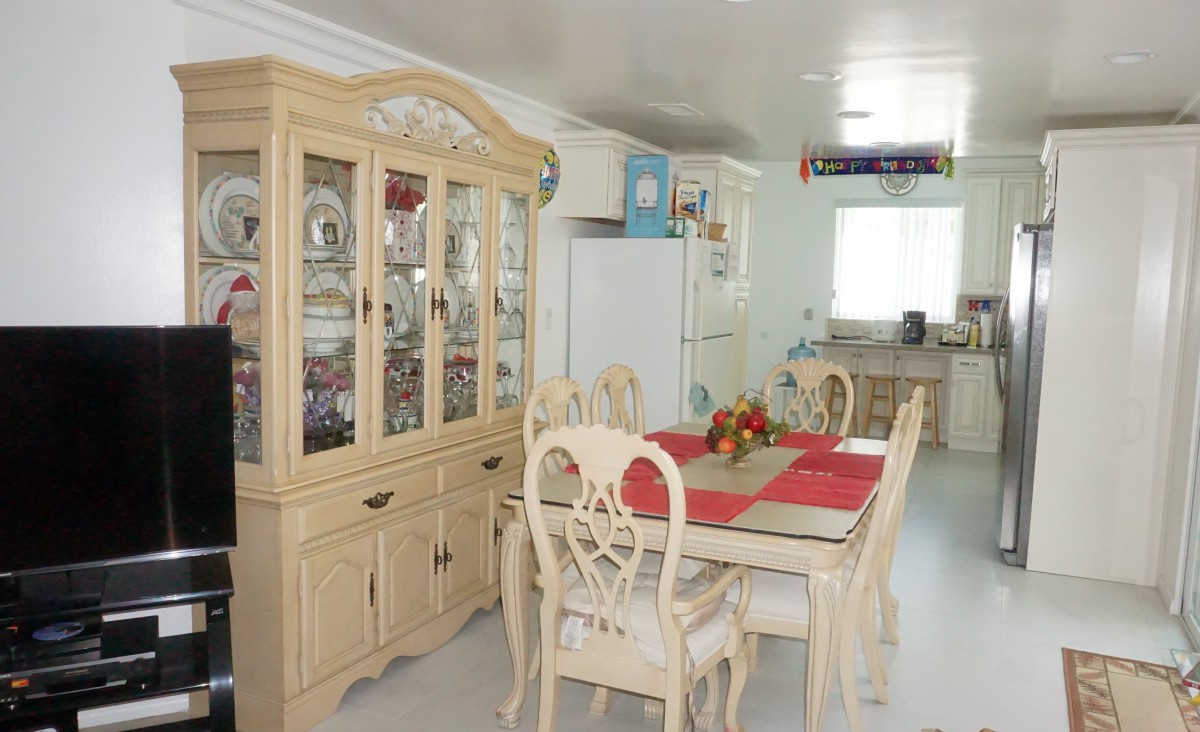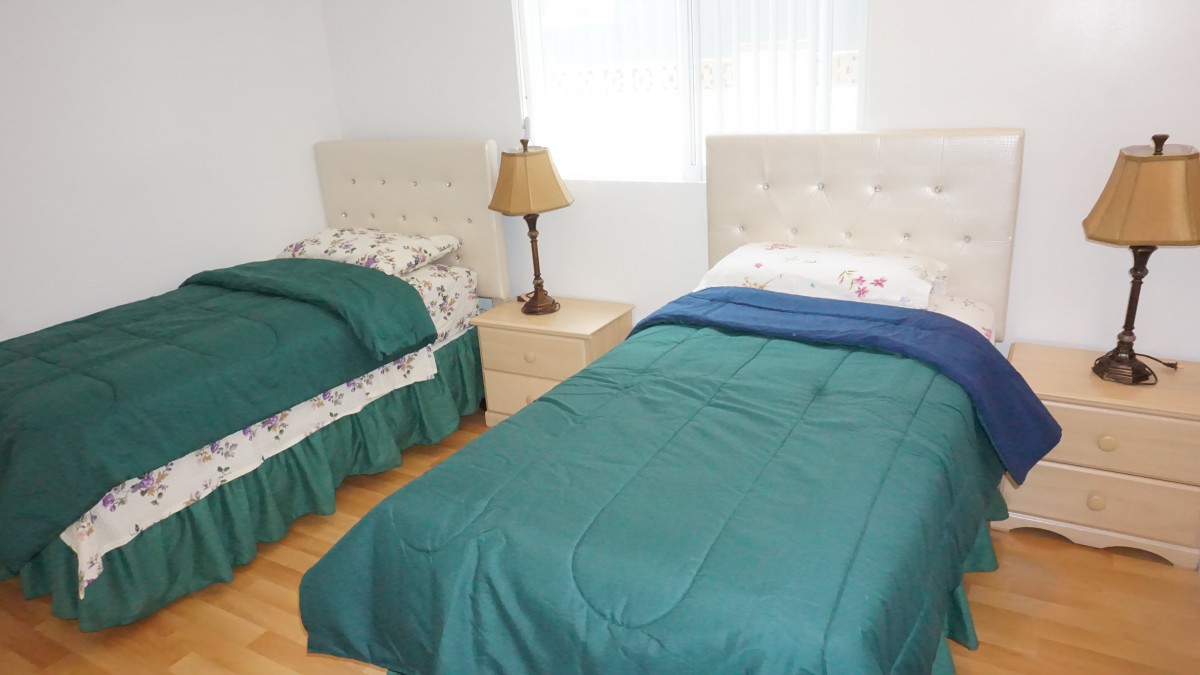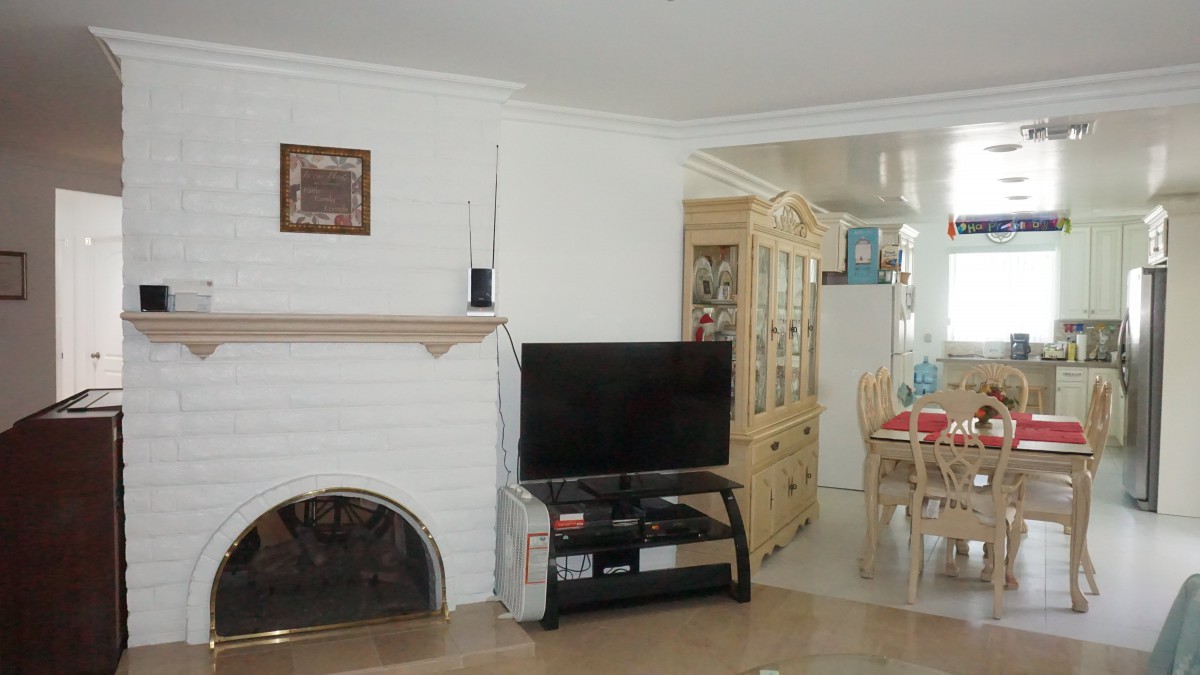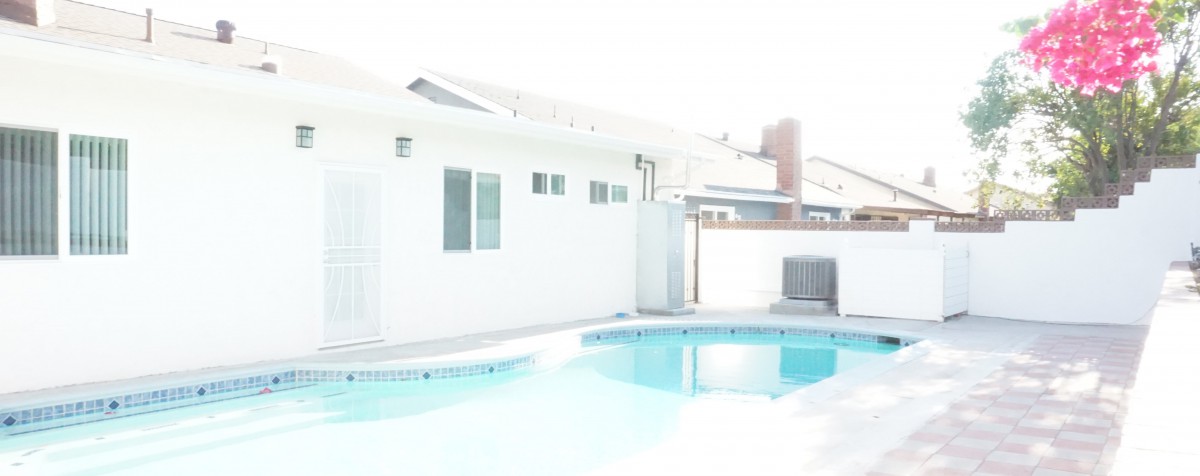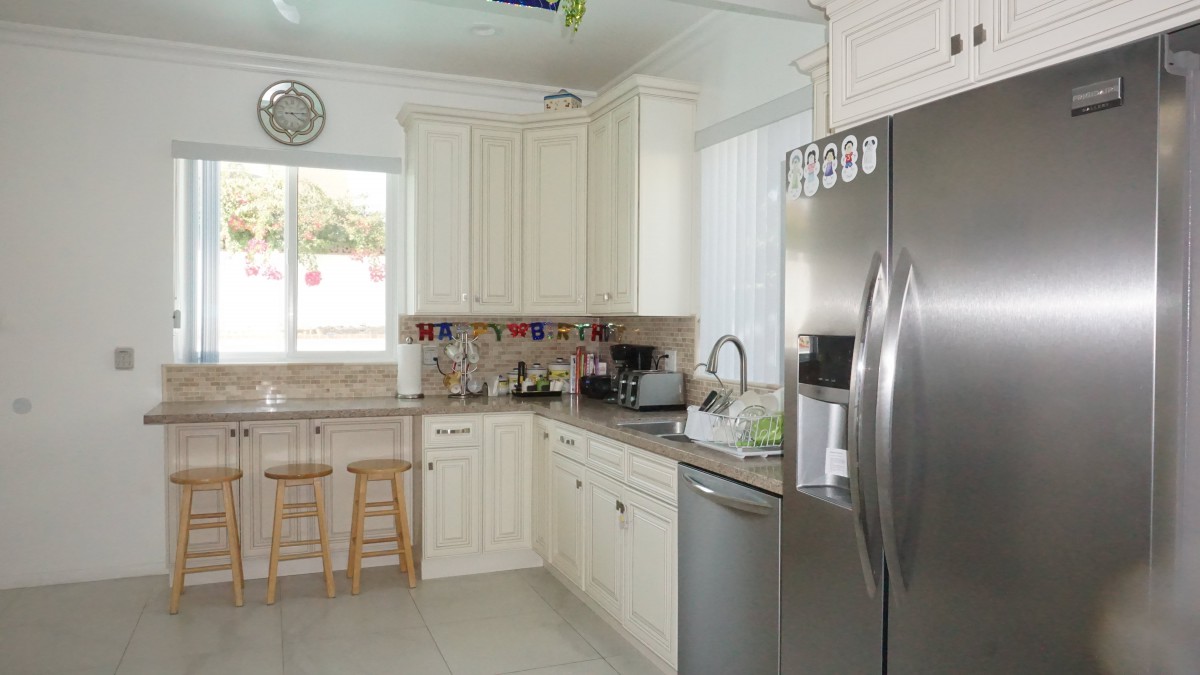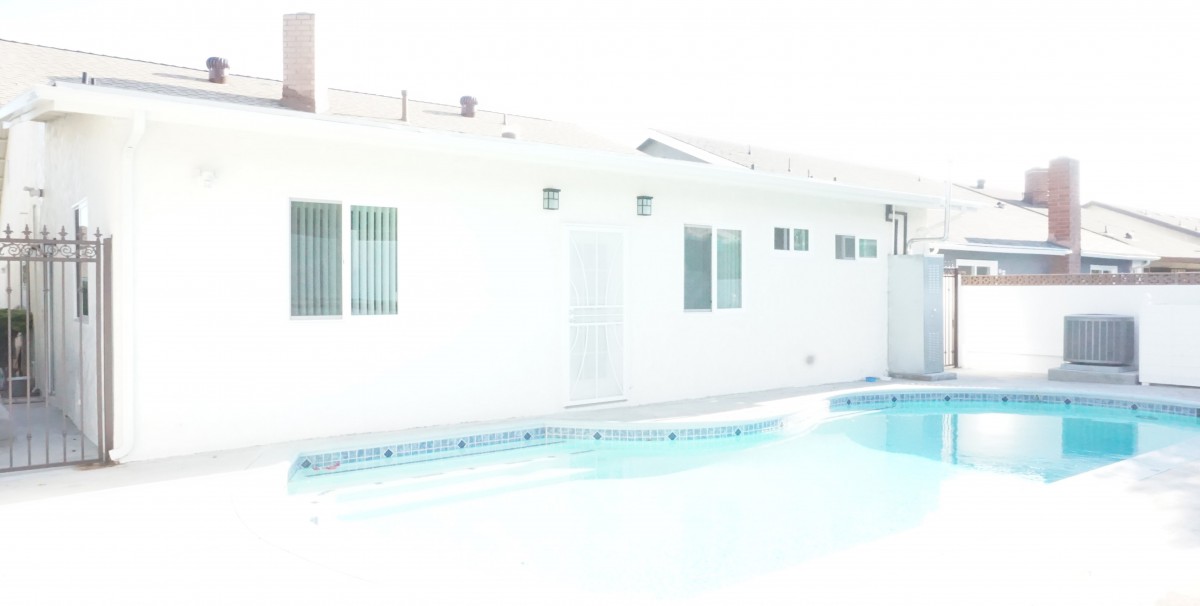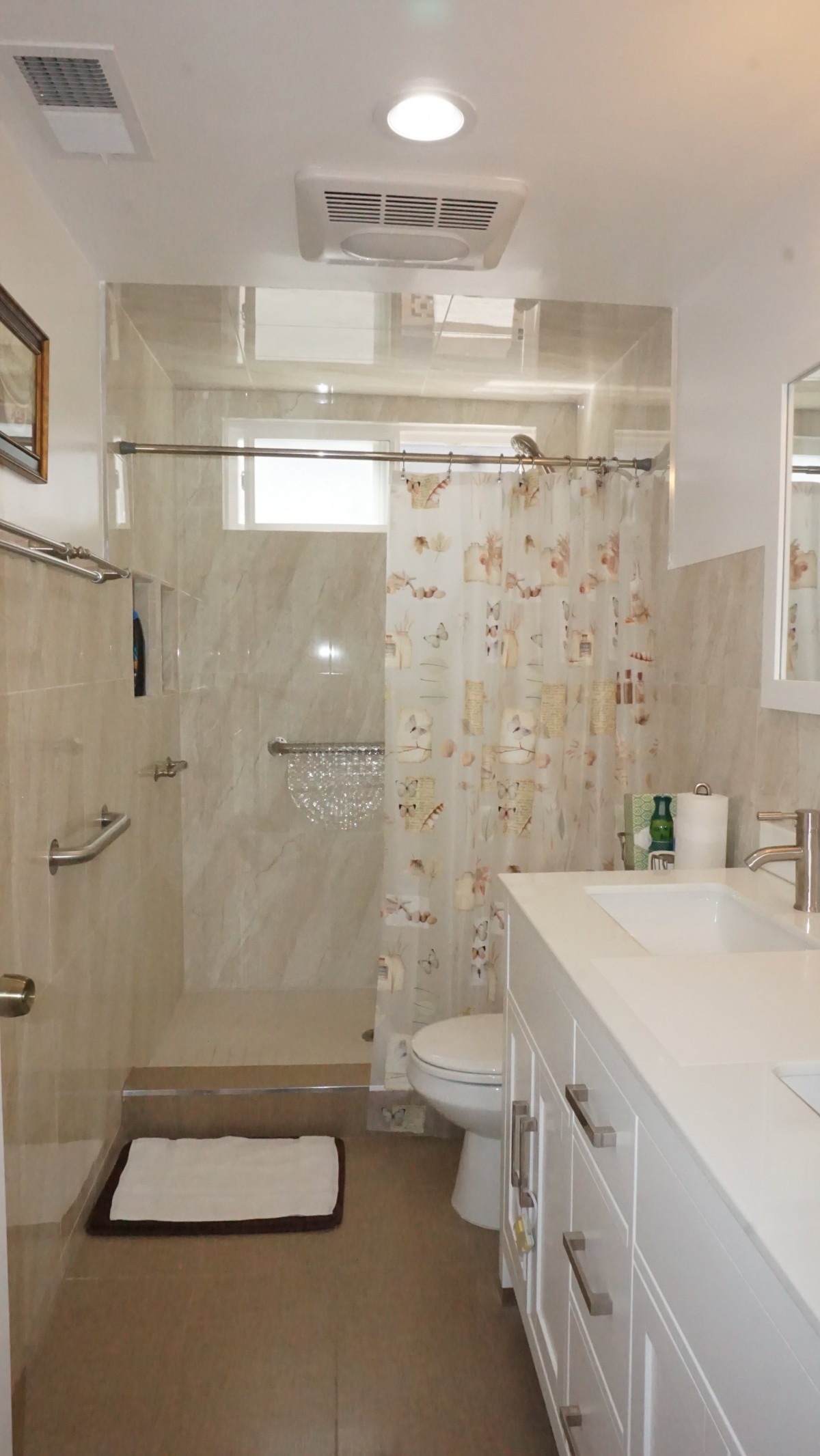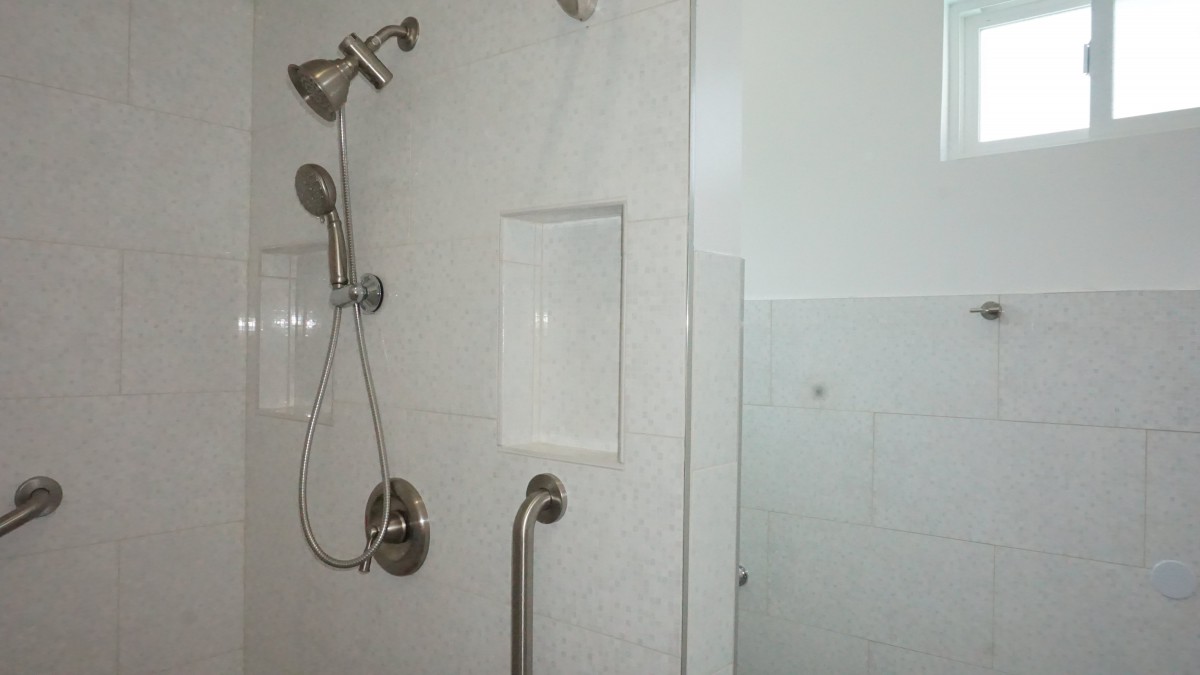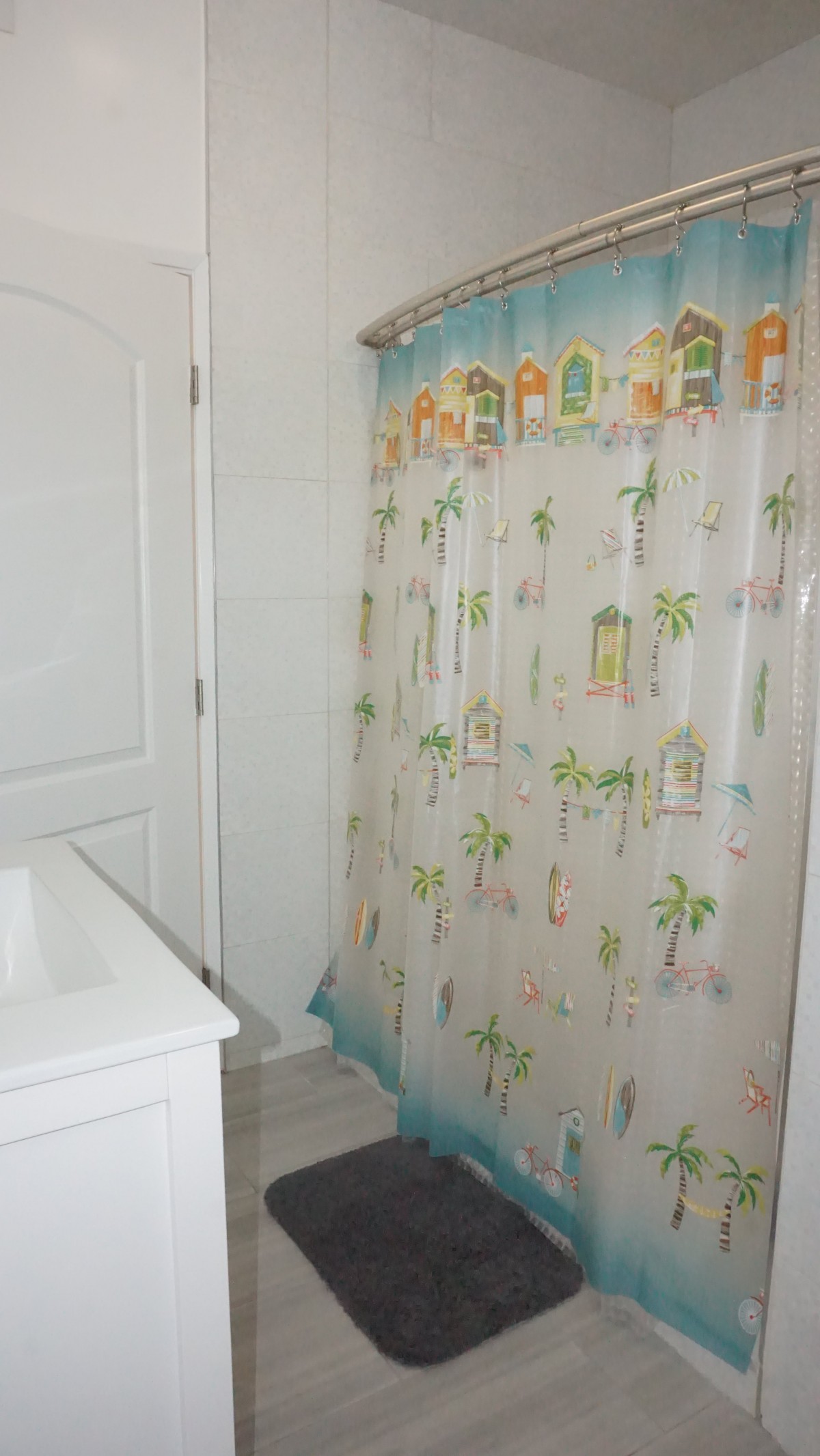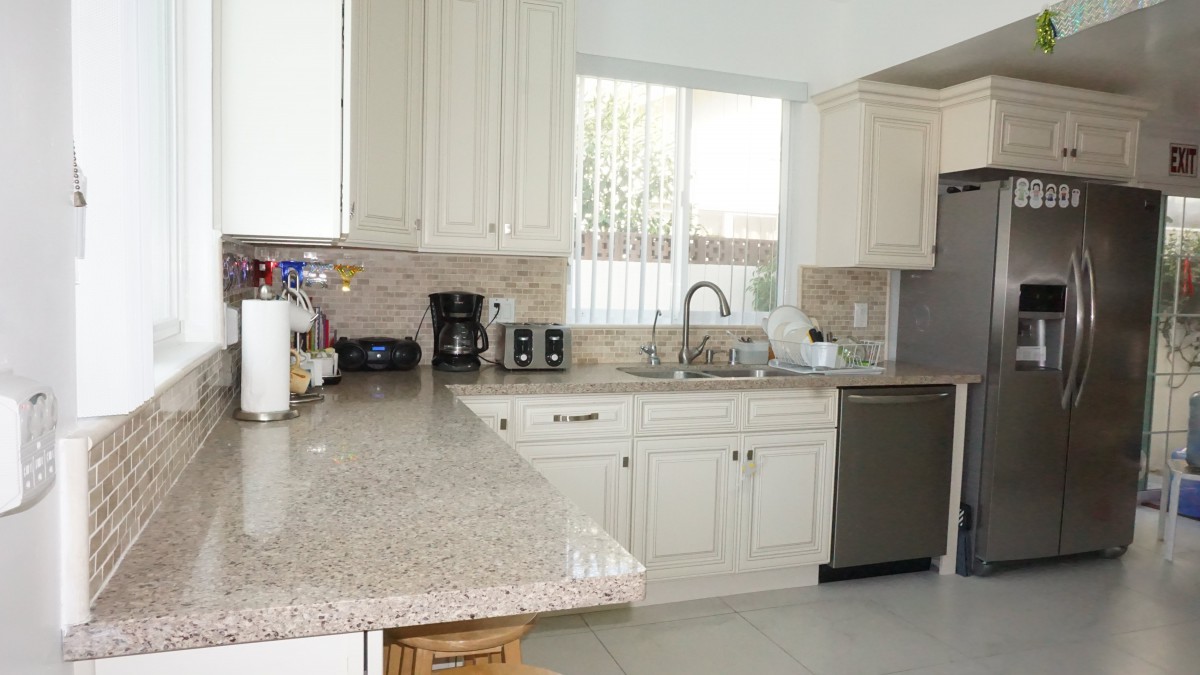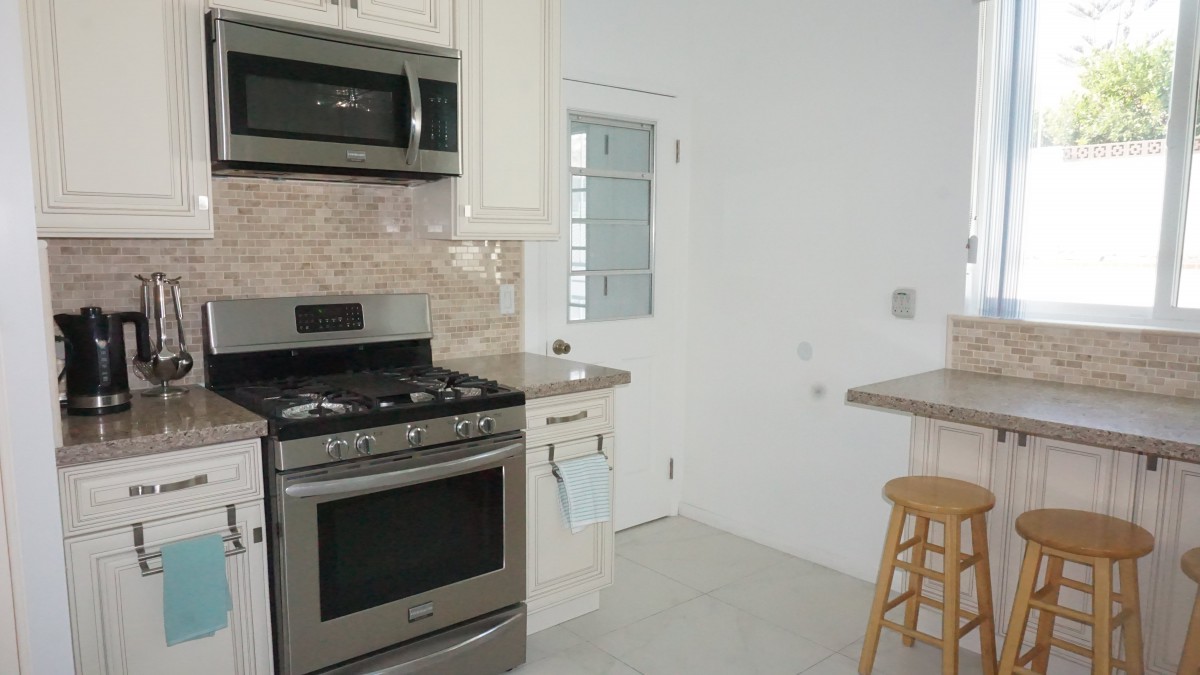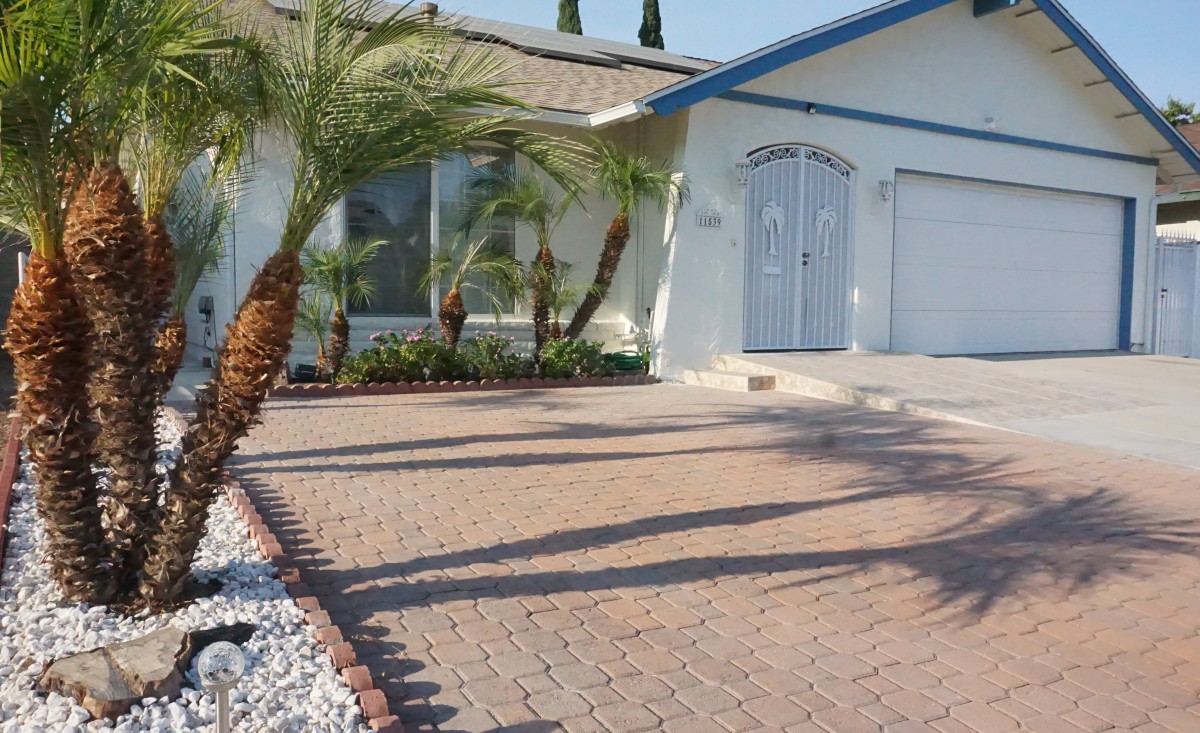
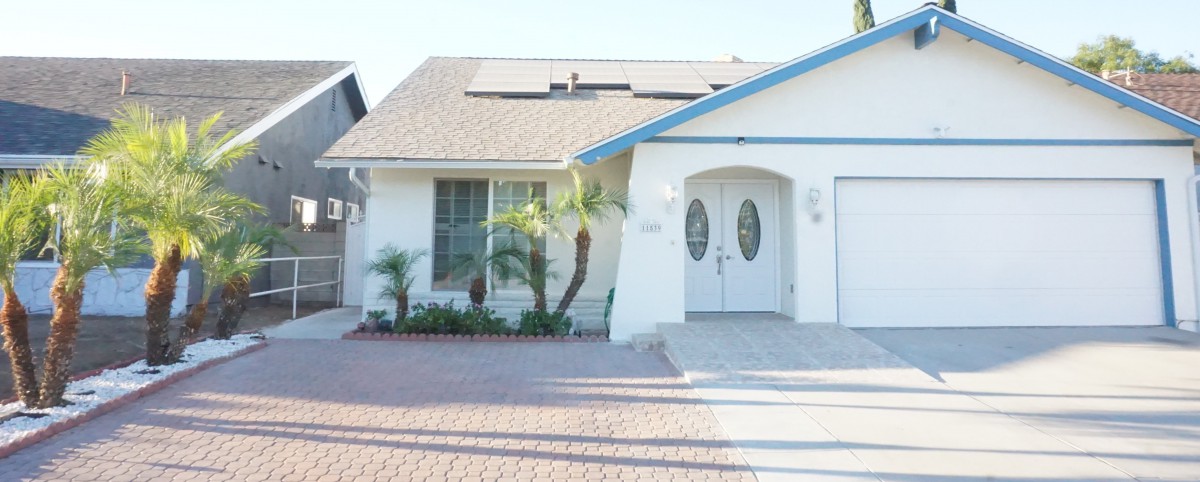
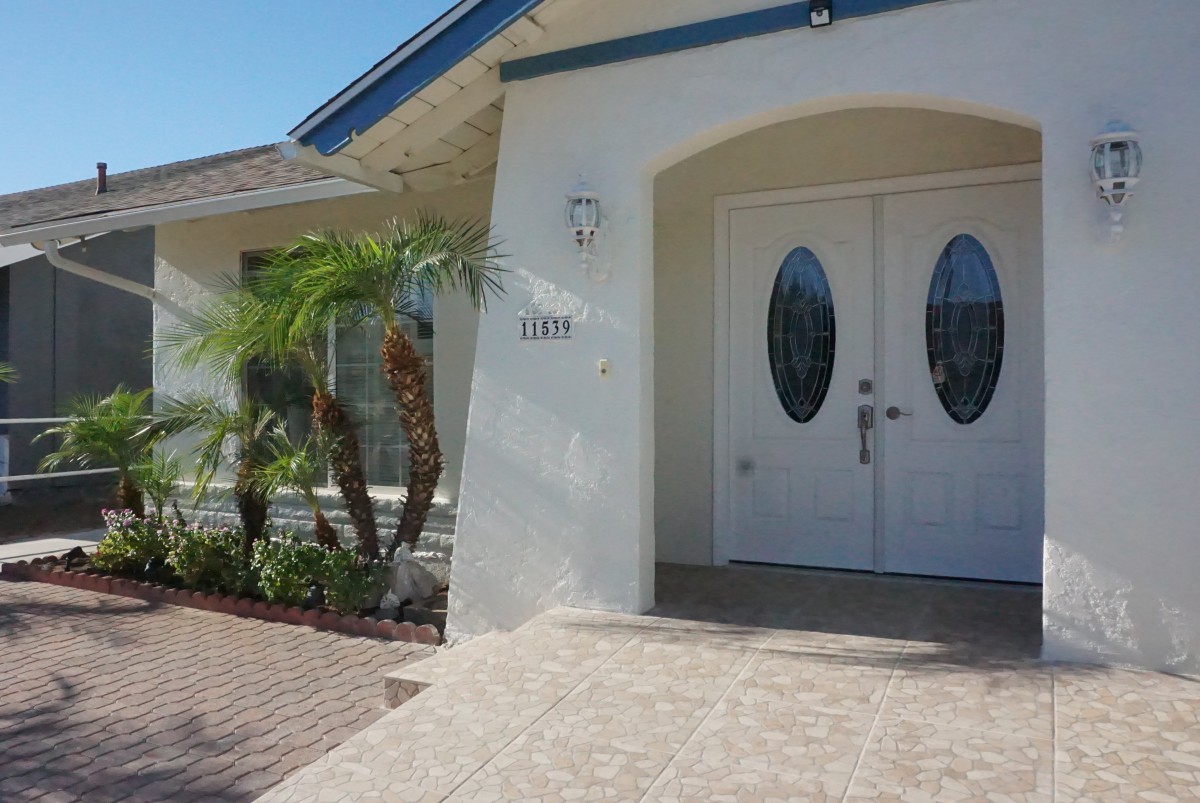
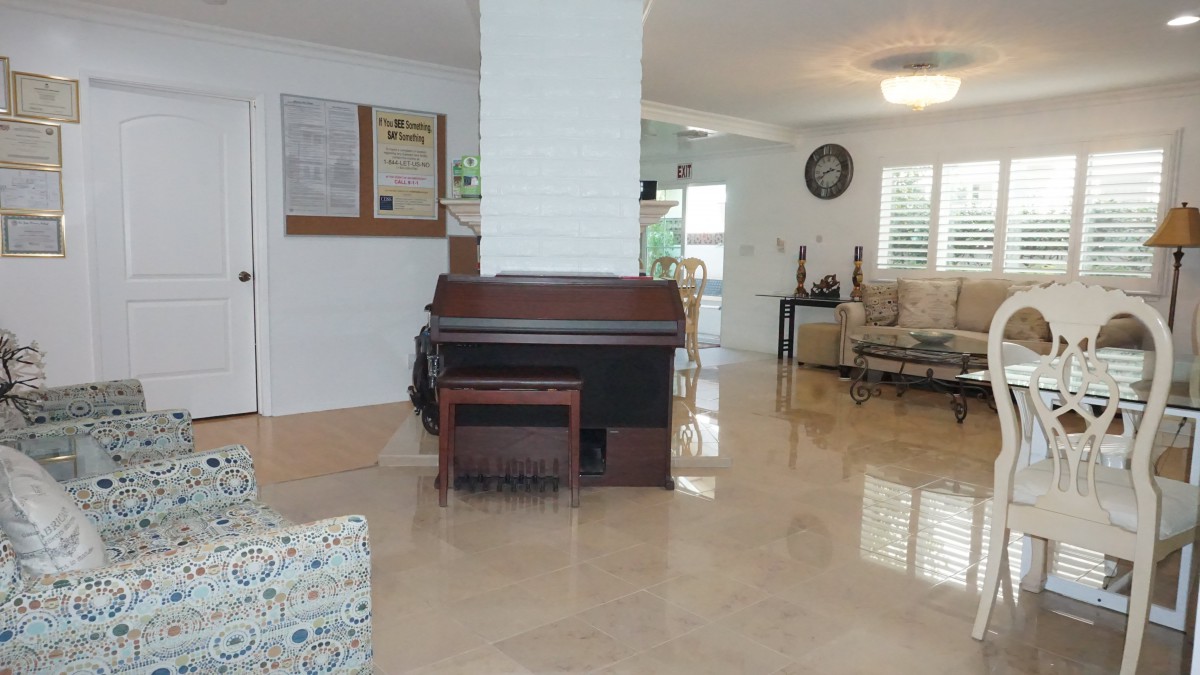
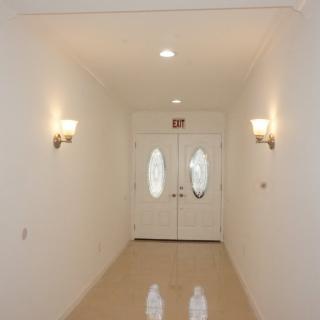
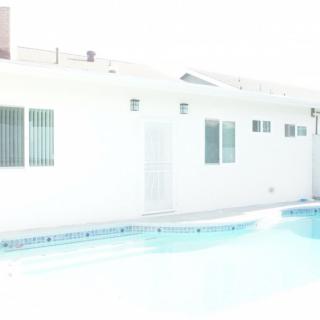
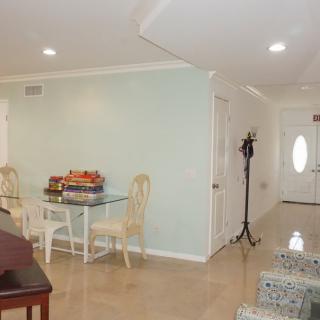
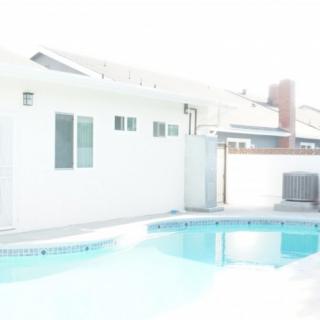
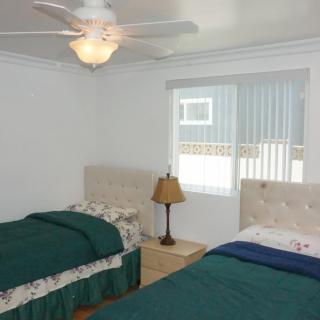
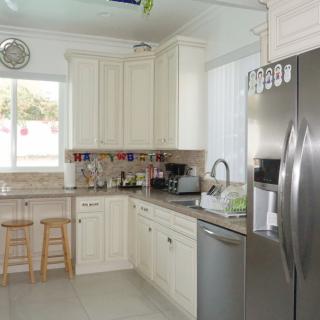
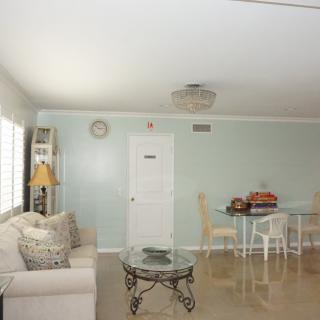
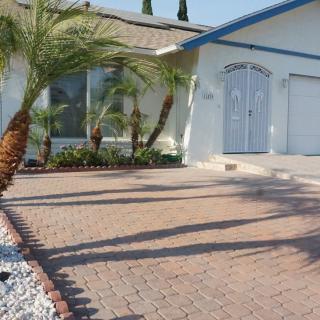
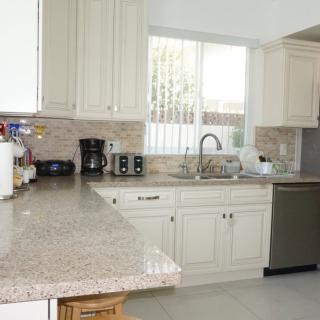

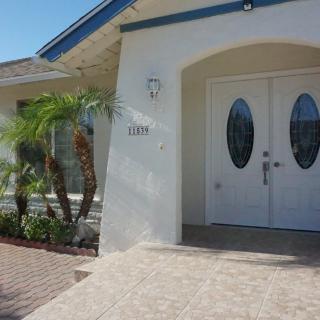
11539 Leadwell St, North Hollywood, CA 91605
To contact a resident: (818) 764-7321
For more information about senior living options: (866) 208-4318
Olive Tree Residential Care Facility for the Elderly Costs & Pricing
Olive Tree Residential Care Facility for the Elderly offers a distinctive pricing structure that reflects its commitment to quality care. For semi-private rooms, the facility charges $4,200 per month, which is notably higher than both the Los Angeles County average of $3,349 and the California statewide average of $3,333. This premium may be attributed to its specialized services and amenities that cater to residents' needs. In terms of private accommodations, Olive Tree's rate stands at $7,000 per month - again surpassing Los Angeles County's average of $4,197 and California's average of $3,939. These rates suggest a focus on providing exceptional care in a supportive environment that justifies their costs compared to regional benchmarks.
| Floor plans | Olive Tree Residential Care Facility for the Elderly | Los Angeles County | California |
|---|---|---|---|
| Semi-Private | $4,200 | $3,349 | $3,333 |
| Private | $7,000 | $4,197 | $3,939 |
Memory care communities with a similar price nearby
-
from -$700 / mo
Paradise Senior Living 1
$3,500 to $4,500 / month9.9 miles away -
from +$800 / mo

Sweet Home Senior Living #1
$5,000 to $7,500 / month3.2 miles away -
from +$300 / mo
Ardenville Home Care I
$4,500 / month2.3 miles away -
from -$400 / mo
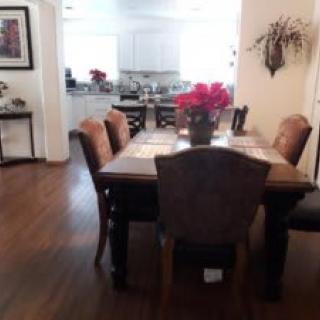
America's Care Manor
$3,800 to $4,000 / month17.4 miles away -
from -$200 / mo
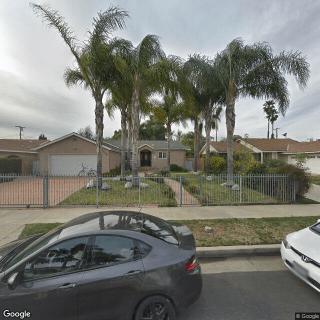
Land of Peace 6
$4,000 to $5,500 / month13.5 miles away
Overall Review of Olive Tree Residential Care Facility for the Elderly
Pros
 The SG care team demonstrated kindness, respect, and care to both the uncle and his family.
- They provided daily reports on care progress when the family wasn't present.
- They offered guidance to ease the process and preserve the dignity of their loved one.
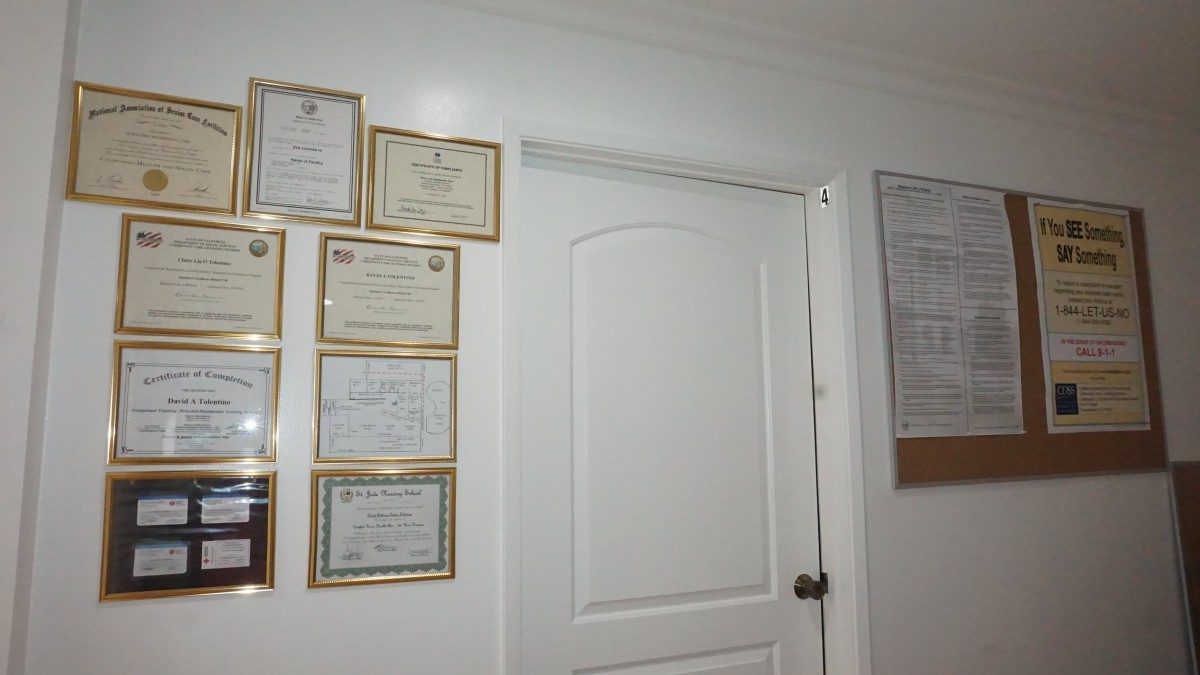
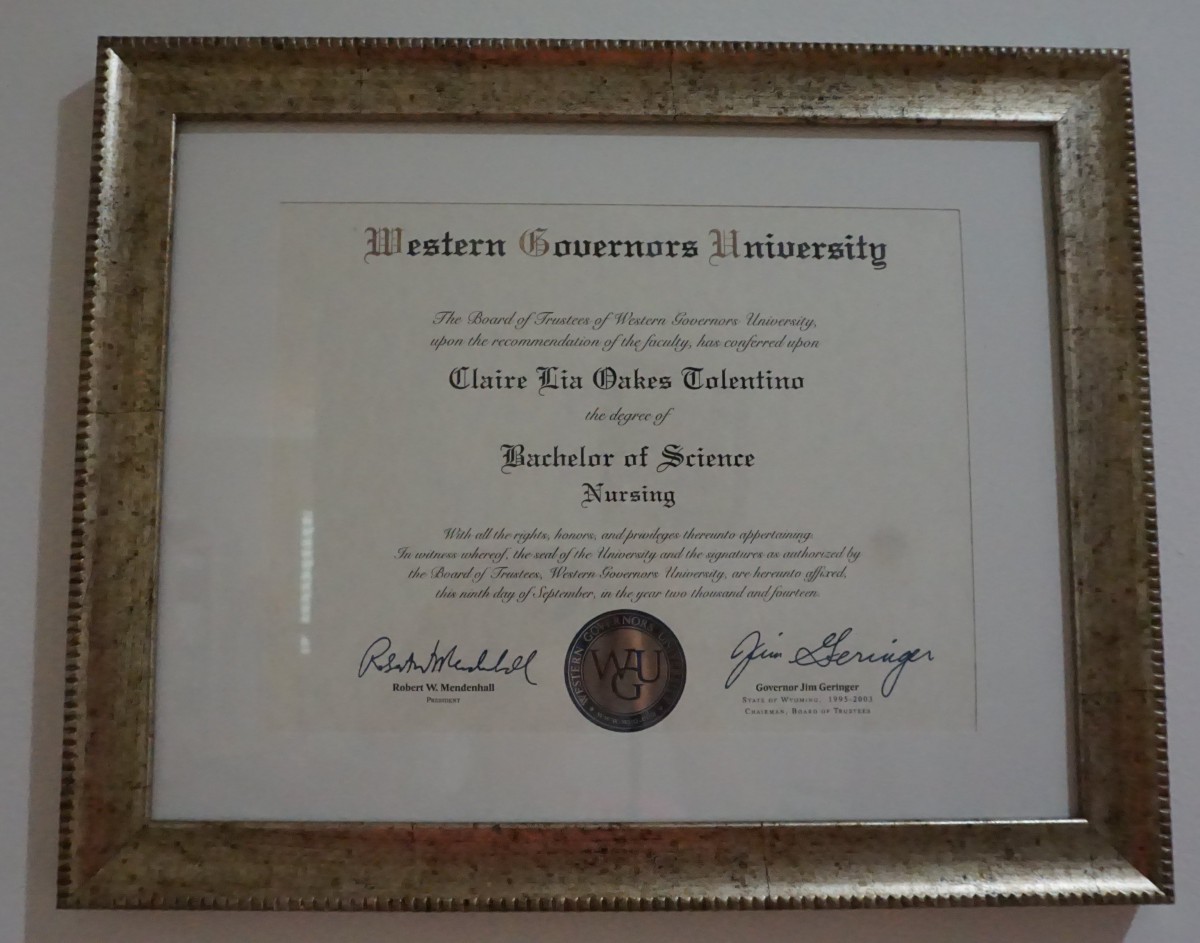
- The staff are attentive and caring, and the facility is owned and operated by a licensed nurse who stays on top of health issues.
- The 86-year-old friend has been there for almost nine months and is content and feels well looked after.
Review
Olive Tree Residential Care Facility for the Elderly in North Hollywood is best suited for families seeking a small, hands-on, nurse-led living option where an elderly loved one can receive highly personalized, dignity-centered care in the final years. The community’s strength lies in intimate, attentive staffing and a culture of respect that prioritizes both resident comfort and family involvement. It suits residents who flourish in a quieter, more home-like setting and who value clear, regular communication about health status and daily happenings.
Those who may want to consider alternatives are families prioritizing broad, hospital-level medical programming, a large social calendar, or a campus with extensive rehab and specialty programs. If a resident demands robust memory-care services, heavier clinical oversight, or a wider array of on-site therapies, exploring larger facilities could be prudent. Likewise, when budget or availability drives decision-making, it’s sensible to compare with options that can guarantee a broader range of services or quicker admission schedules.
The strongest pros are difficult to overlook. Staff attention comes across as genuine and consistent, with caregivers who treat residents with kindness, respect, and a shared sense of responsibility. A licensed nurse who owns and operates the home is a meaningful signal of medical savvy on the ground, which translates into proactive management of health issues and fewer lapses in care. Daily family updates create a reassuring continuity when relatives cannot be present, and the approach to end-of-life care centers on preserving dignity while guiding the family through tough decisions. In one review, these traits were tied to the uncle’s final days being comfortable, and in another, the resident was content and felt well looked after after months of residence.
Those visible strengths offset the potential gaps that naturally come with a smaller, owner-operated setting. Intimate staffing can mean slower access to specialized therapies or fewer on-site amenities than a larger, more dispersed campus; however, the nurse-led oversight and daily communications help mitigate concerns about medical vigilance and transparency. The nine months of resident tenure cited by one reviewer signals stability and continuity, reducing the churn that can destabilize care in smaller homes. When the priority is a warm, dignity-first atmosphere with relentless attention to health changes and family communication, the pros clearly outweigh the conventional whiffs of a more limited program.
To make an informed choice, prospective families should prioritize concrete questions during visits. Confirm the on-site nurse’s qualifications and daily presence, inquire about staff-to-resident ratios across day and evening shifts, and review sample daily notes to gauge how information is communicated to families. Request a copy of a current care plan to see how medical, personal care, and nutrition needs are coordinated, and ask how emergencies are handled and how rapid changes in condition are escalated. It’s also wise to explore social and recreational opportunities, transportation options for appointments, and policies around family involvement and end-of-life planning.
In the end, Olive Tree offers a compelling, practical option for families who want a calm, compassionate environment with strong nursing oversight and consistent, transparent communication. It stands out for its caring staff, dignity-centered approach to end-of-life moments, and the reassurance that comes from a licensed nurse-owner who stays on top of health issues. For residents who crave a larger ecosystem of services or a more bustling activity calendar, alternatives should be weighed against the cost in terms of intimacy, satisfaction, and personal attention. For the right family, this facility represents a sensible, effective match that turns daily care into reliable peace of mind.
 Board and Care Home
 Memory Care
 Activities off-site
 Air-conditioning
 Cable or satellite TV
 Devotional services off-site
 Full kitchen
 Indoor common areas
 Outdoor common areas
 Private
 Private bathrooms
 Respite or short term stays offered
 Swimming pool / hot tub
 Wi-Fi/high-speed internet available
 Burbank-Glendale-Pasadena (1 miles away)
 Ambulatory care
 Incontinence care
 Medication management
 Gluten-free
 Art classes
 Catholic services
 Cooking classes
 Day trips and outings
 Jewish services
 Karaoke
 Stretching classes
 Trivia games


 Delving into the Inner World of Dementia: Insights into Thoughts and Awareness
 Five Subtle Dementia Indicators to Observe: An In-Depth Guide to Understanding “Does My Mom Have Dementia?”
 Dementia, Paranoia, and Caregiver Guidance: Understanding the Connection