For more information about senior living options: (866) 208-4318
3.4 from 39 reviews
5 stars
22
4 stars
1
3 stars
0
2 stars
2
1 stars
14
Overall Review of Western Conv. Hospital
common11 reviews mention this
Staff compassion is a mixed theme
Residents and families describe caring, professional staff who respond to concerns.
Many reviewers praise the administrator and nurses for being compassionate and for solving issues brought to them. Several comments also highlight friendliness and professionalism from staff during day-to-day care and rehabilitation visits. At the same time, other reviewers describe the opposite—poorly trained or inattentive staff—so the experiences are not consistent across reviews.
common6 reviews mention this
Cleanliness stands out to many
Multiple reviewers specifically mention cleanliness and good odor control.
Positive reviews frequently describe the building as clean, well kept, and free of strong urine odor. Some reviewers also mention the facility smells pleasant and feels safe during their visits. Negative reviews counter that with reports of unsanitary conditions, including roaches/mildew and feces odors.
caveat11 reviews mention this
Serious care concerns are recurring
Several reviewers raise serious concerns about neglect and inadequate care.
A large set of negative reviews describe residents left with basic needs unmet, including reports of soiled diapers for long periods and issues involving medical equipment. Other negative comments allege severe outcomes tied to inadequate attention, and some criticize staff training and bedside responsiveness. One older review also describes disorganization and unsanitary conditions, reinforcing that care quality complaints appear repeatedly in the feedback.
common3 reviews mention this
Daily activities and programs vary
Residents and visitors mention ongoing activities and faith-based programs.
Some reviewers point to daily activities and programs as part of life at the facility, including specific holiday food and scheduled engagement. Another reviewer notes a recurring faith-based service visit, describing it as bringing comfort to residents’ minds. Taken together, the review themes suggest programming is present, though the overall experience still depends heavily on care outcomes described elsewhere.
How we summarize
Counts show how many written reviews mention each theme; a review can touch several themes, and only frequently mentioned themes are displayed.
Features
Housing
129 resident community capacity
Types of Care
Skilled Nursing Facility
Amenities
Air-conditioning
Beauty salon
Cable or satellite TV
Computer center
Dining room
Fitness room
Fully furnished
Gaming room
Garden
Housekeeping services
Kitchenette
Move-in coordination
Outdoor space
Private bathrooms
Restaurant-style dining
Small library
Telephone
Wellness center
Wi-Fi/high-speed internet available
Transportation
Los Angeles International (8 miles away)
Burbank-Glendale-Pasadena (12 miles away)
Long Beach (Daugherty) (18 miles away)
Community operated transportation
Transportation arrangement
Transportation arrangement (non-medical)
Transportation to doctors appointments
Care Services
12-16 hour nursing
24-hour call system
24-hour supervision
Activities of daily living assistance
Assistance with bathing
Assistance with dressing
Assistance with transfers
Diabetes diet
Meal preparation and service
Medication management
Mental wellness program
Special dietary restrictions
Dining
Diabetes diet
Special dietary restrictions
Activities
Community-sponsored activities
Concierge services
Fitness programs
Planned day trips
Resident-run activities
Scheduled daily activities
Nearby Places of Interest
Pharmacies
Rite Aid (1.4 miles)
CVS Pharmacy (1.5 miles)
Rite Aid (1.6 miles)
CVS Pharmacy (1.8 miles)
CVS Pharmacy (2.1 miles)
CVS Pharmacy (2.5 miles)
Walgreens (2.6 miles)
Restaurants
Park's BBQ (2 miles)
BCD Tofu House (2.2 miles)
Republique (2.8 miles)
Yard House (2.9 miles)
Takami Sushi & Robata (3.4 miles)
Chick-Fil-A (3.6 miles)
Monsieur Marcel Gourmet Market (3.7 miles)
Cafes
Starbucks (2.2 miles)
Verve Coffee Roasters (4 miles)
Starbucks Reserve (4.2 miles)
Joan's on Third (4.3 miles)
Starbucks (4.3 miles)
Lamill Coffee Boutique (4.7 miles)
Verve Coffee Roasters (4.7 miles)
Theaters
Regal LA Live & 4DX (2.8 miles)
Alamo Drafthouse Downtown (3.4 miles)
AMC The Grove 14 (3.7 miles)
TCL Chinese Theatre (5 miles)
Hospitals
Kedren Community Health Center (3.3 miles)
Kaiser Permanente West Los Angeles Medical Center (3.5 miles)
Senior move management provides specialized support for older adults relocating by assisting with logistics, emotional challenges, and downsizing decisions to ensure a smooth transition to new living environments. These services address the unique needs of seniors and have become increasingly important as baby boomers retire and seek to downsize.
Weight training is vital for seniors to maintain muscle mass, bone density, and overall health, combating age-related declines through customized resistance exercises that enhance balance and well-being. Safe routines should start with realistic goals and proper form, while emphasizing gradual progress and consultations with healthcare providers to ensure safety and effectiveness.
The Sandwich Generation comprises adults managing the dual responsibilities of caring for aging parents and raising children, leading to significant emotional, logistical, and financial challenges. This situation is exacerbated by longer life expectancies and cultural expectations, necessitating effective coping strategies and support resources to alleviate caregiver stress and burnout.
Get PricingAsk A QuestionSchedule A TourContact Senior Advisor
By clicking submit, you agree to our Partner's Terms of Use. You
also consent to receive calls and texts, which may be autodialed, from our Partner. Your consent is not a condition to
using our Partner's service. Please visit our Partner's Privacy Policy for information about their privacy practices.

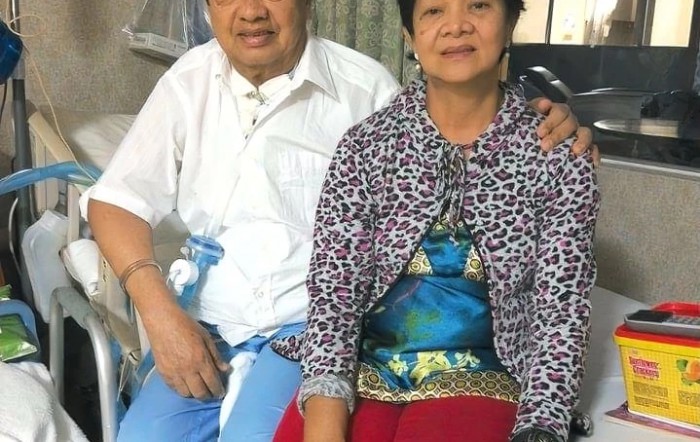

 129 resident community capacity
 Skilled Nursing Facility
 Air-conditioning
 Beauty salon
 Cable or satellite TV
 Computer center
 Dining room
 Fitness room
 Fully furnished
 Gaming room
 Garden
 Housekeeping services
 Kitchenette
 Move-in coordination
 Outdoor space
 Private bathrooms
 Restaurant-style dining
 Small library
 Telephone
 Wellness center
 Wi-Fi/high-speed internet available
 Los Angeles International (8 miles away)
 Community operated transportation
 12-16 hour nursing
 24-hour call system
 Activities of daily living assistance
 Assistance with bathing
 Assistance with dressing
 Assistance with transfers
 Diabetes diet
 Medication management
 Mental wellness program
 Special dietary restrictions
 Concierge services
 Planned day trips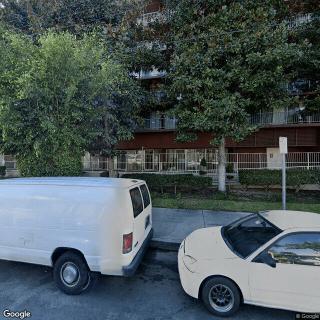

 Excellent access to cafes, parks, pharmacies, restaurants, theaters, and hospitals nearby.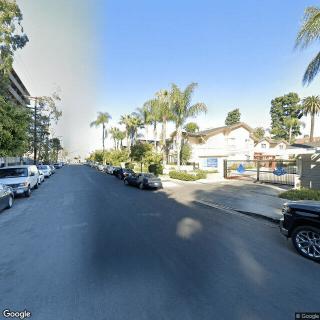



 Senior Move Management: Understanding the Role, Value, and Associated Costs
 Weight Training for Seniors: Building Strength and Vitality
 Understanding the Sandwich Generation: Stress and Responsibilities for Multigenerational Caregivers