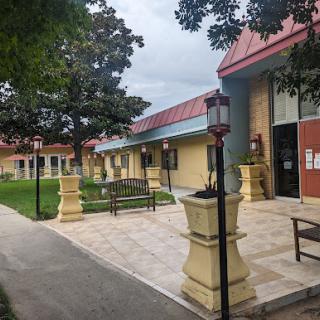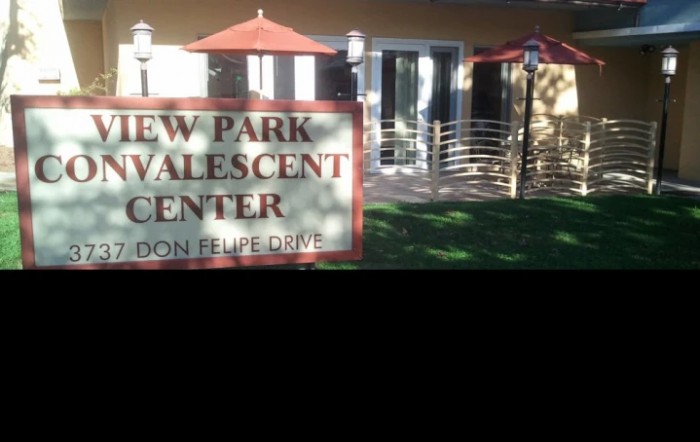
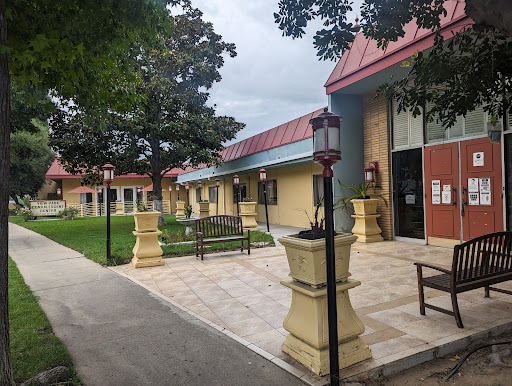
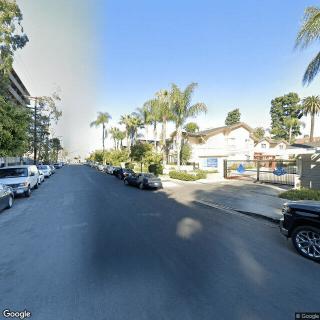
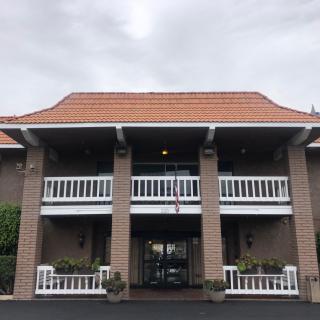
3737 Don Felipe Drive, Los Angeles, CA 90008
For more information about senior living options: (866) 208-4318
Overall Review of View Park Conv Hosp
Pros
 The CNAs were amazing and turned the resident every two hours to prevent skin breakdown.
- The Director of Nursing, Administrator, and charge nurses were responsive and open to family meetings to ensure needs were met.
- They welcomed calls to check on the loved one and checked in so families could rest at night.
- The team organized social gatherings that encouraged residents to attend and stay motivated.
- The front desk staff were personable and professional.
- The care team, including CNAs, nurses, food specialists, housekeepers, social workers, PT/OT, and social planners, contributed to excellent resident care.
- The new administrator and positive changes made the facility more pleasant, with residents enjoying activities and the environment kept clean.
- In-house rehab services and 24-hour nursing services enhanced care for residents.
Cons
 My brother is in View Park Convalescent Center and it's horrible.
- All they have been doing is lying him in the bed and they didn't give him the proper care he needed to rehabilitate.
- The CNA staff is the worst I have ever seen, with no accountability for their actions.
- The CNA turnover is alarming.
- The CNAs are overworked and treated like slaves.
- This place is unprofessional, with horrible communication and service skills.
- There were cluttered hallways and no nurses around as patients walked around like they were lost.
- The room she’s in is atrocious, and the furniture is dilapidated.
Review
View Park Convalescent Center in Los Angeles is best suited for families who will actively partner with care staff to direct a loved one’s skilled-nursing experience, especially when rehab goals and social engagement matter. This is a facility where family involvement can meaningfully shape outcomes: administrators and CNAs often respond to input, family meetings are encouraged, and a care team that includes nurses, social workers, and activity planners keeps residents motivated. It operates as a traditional convalescent center with a mix of old-space charm and real opportunities for hands-on oversight. Those able to stay engaged and request clear, frequent updates are likely to see the strongest results.
Those who should seriously consider alternatives are families seeking a consistently pristine environment, flawless communication, or a setting that runs with minimal daily advocacy. The most powerful benefits at View Park come with sustained family involvement, and where advocacy is limited or gaps in staffing arise, the experience can worsen quickly. Residents who require highly reliable call-light responsiveness, uninterrupted monitoring, or modern, uniformly maintained infrastructure may be best served elsewhere. For someone prioritizing a quiet, upscale atmosphere with minimal family intrusion in daily routines, a different facility will likely feel more comfortable.
On the positive side, several recurring strengths help offset meaningful downsides when the care team is engaged. The CNA staff has been repeatedly praised for their dedication, including timely turning to prevent complications and genuine communication with families; nurses and the Director of Nursing have shown responsiveness in standout cases, with family members reporting productive conferences and open channels for concerns. Social programming and activity planning appear to be a consistent focus, with residents participating in gatherings, worship services, and therapeutic activities that contribute to a livelier daily rhythm. When the leadership is accessible and proactive, the facility can function with a compassionate edge that families value, and some residents benefit from the rehab-oriented services and in-house staff who know their routines well.
However, the facility’s most persistent drawbacks are not incidental. Understaffing and high turnover among CNAs and nurses create uneven care and inconsistent responsiveness to call bells, hallways can feel chaotic, and the overall atmosphere can verge on cramped when rooms house three residents. Reviews frequently note old or dated interiors, with odors and clutter in some areas that undermine comfort and perceived safety. Communication gaps persist between shifts and with families, and some families report critical lapses in care during high-demand periods. Administrative inconsistency, ranging from perceptions of leadership disengagement to outright critiques of management style, also colors many experiences, even as individual staff members deliver commendable, patient-centered care.
Evaluating View Park requires a practical, evidence-based approach. Prospective families should request multiple on-site observations, meeting with the Director of Nursing and the administrator, and conversations with current residents and several family members. A close look at staffing ratios, CNA turnover, and how frequently call bells are answered is essential. Inspect patient rooms for cleanliness, bed-sharing arrangements, and evidence of ongoing maintenance; assess the rehab program’s structure and outcomes; sample meals to gauge portion sizes and nutritional quality; and ask about activity calendars and religious or social supports. In short, verify that the daily reality aligns with stated goals, not impressions from a brochure or a single visit.
The verdict is clear: View Park can deliver heartfelt, hands-on care and meaningful activity when families stay engaged and staff continuity is solid. The strongest value emerges where administrators are reachable, CNAs are supported, and rehab goals are actively pursued in collaboration with loved ones. Yet for those unable to dedicate time to daily advocacy, or for families prioritizing a consistently modern, serene environment with uniform staffing, alternatives should be seriously considered. This community represents a pragmatic choice for informed, involved families prepared to navigate variability with clear expectations and proactive communication.
 99 resident community capacity
 Skilled Nursing Facility
 Air-conditioning
 Beauty salon
 Cable or satellite TV
 Computer center
 Dining room
 Fitness room
 Fully furnished
 Gaming room
 Garden
 Housekeeping services
 Kitchenette
 Move-in coordination
 Outdoor space
 Private bathrooms
 Restaurant-style dining
 Security gate
 Small library
 Spa
Spa Telephone
 Wi-Fi/high-speed internet available
 Los Angeles International (6 miles away)
 Community operated transportation
 12-16 hour nursing
 24-hour call system
 Activities of daily living assistance
 Assistance with bathing
 Assistance with dressing
 Assistance with transfers
 Diabetes diet
 Medication management
 Mental wellness program
 Special dietary restrictions
 Concierge services
 Planned day trips
 English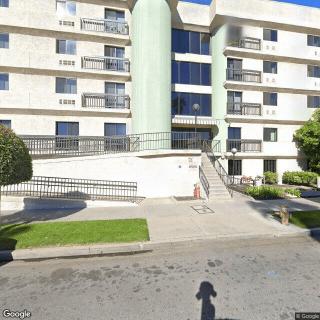



 Skilled Nursing Facilities vs. Nursing Homes: Making Sense of the Differences
 A Detailed Examination of Nursing Home Costs Across the U.S.
 Exploring Nonmedical Home Care: Understanding Services, Costs, and Financial Approaches