
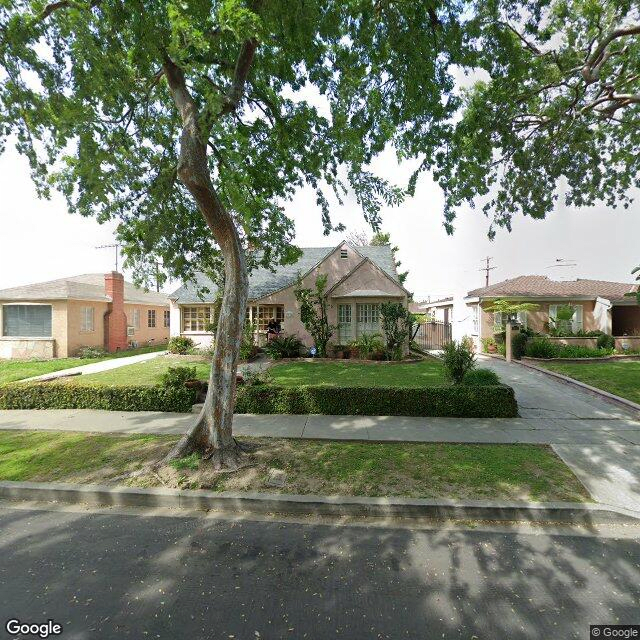
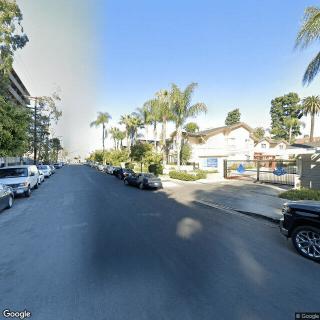
3911 Virginia Rd, Los Angeles, CA 90008
To contact a resident: (323) 298-1230
For more information about senior living options: (866) 208-4318
Elnora Brown Manor II Costs & Pricing
Elnora Brown Manor II offers competitive monthly rates for both semi-private and private rooms when compared to the broader market in Los Angeles County and the state of California. With a semi-private room priced at $2,500, residents can enjoy significant savings compared to the county average of $3,349 and the state average of $3,333. Similarly, the private room rate at Elnora Brown Manor II is set at $3,000, which is notably lower than the county's average of $4,197 and also below California's average of $3,939. This makes Elnora Brown Manor II an attractive option for those seeking quality care at more affordable rates within a supportive community environment.
| Floor plans | Elnora Brown Manor II | Los Angeles County | California |
|---|---|---|---|
| Semi-Private | $2,500 | $3,349 | $3,333 |
| Private | $3,000 | $4,197 | $3,939 |
Senior living communities with a similar price nearby
-
from -$300 / mo
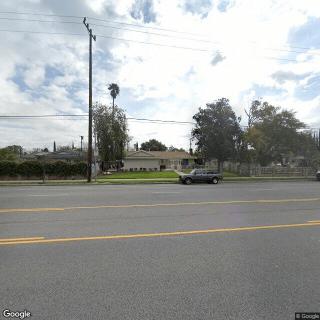
Precious Someone Homecare
$2,200 to $3,300 / month21.1 miles away -
from -$100 / mo
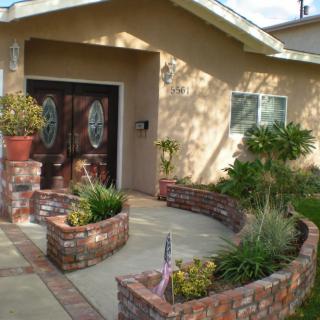
Living Well Care Home
$2,400 to $3,200 / month19.3 miles away -
from +$250 / mo
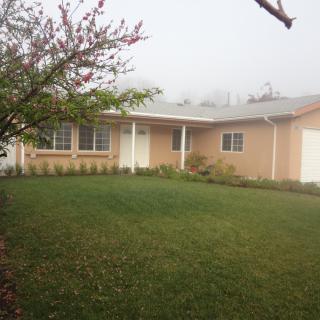
Dignity Care Home 1
$2,750 to $4,150 / month17.1 miles away -
About the same
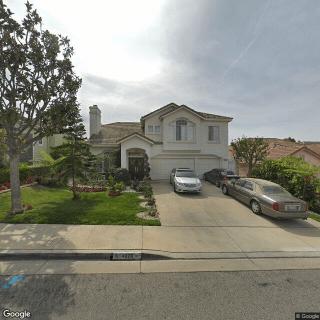
Eleanor's Residential Home
$2,500 to $6,000 / month2.3 miles away -
from -$200 / mo
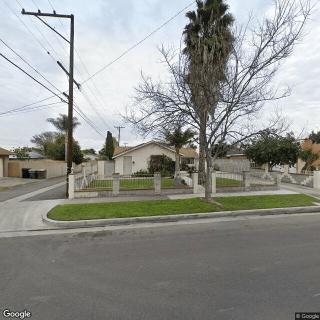
Bronwyn Residential Care
$2,300 to $3,500 / month24.1 miles away
Overall Review of Elnora Brown Manor II
Pros
 The home is beautiful and converted to accommodate seniors in need of assisted living.
- It is ideal for seniors who are looking for a more intimate setting.
- The neighborhood is beautiful and quiet, close to a shopping center.
- The home is nice and clean.
Cons
 There is concern about the mental alertness of other residents.
- It wasn't gated.
- It wasn't a lockdown place.
Review
This community is best suited for seniors who want a small, home-like assisted living experience rather than a large, institution-style environment. Elnora Brown Manor II offers a converted residence feel with an intimate setting, situated in a quiet Los Angeles neighborhood that is conveniently close to shopping. It appeals to families seeking a warm, nonclinical atmosphere where residents are likely to receive individualized attention in a familiar, house-like space. The emphasis is on comfort, personal privacy, and a lifestyle that mirrors everyday living more than formal care protocols.
Those who may want to consider alternatives are families prioritizing strong security, a gated or lock-down environment, or a facility with more formal programming and oversight. The property is not described as gated or fortified, which can be a non-starter for someone needing tight access control or clearer separation between residents. Additionally, several reviews flag concerns about the mental alertness of other residents, signaling that a memory-care level of supervision or a more structured setting may be more suitable for individuals with significant cognitive needs. For residents requiring pronounced 24/7 medical monitoring or a highly regimented schedule, a larger, more regulated community could be a better fit.
The strongest positives here center on the home-like ambience and the cleanliness of the space. The house is described as beautiful and well kept, with a calm, residential vibe that many families find reassuring after visiting more institutional settings. The intimate scale fosters a sense of community and direct, personal engagement with caregivers, rather than the impersonal feel of bigger campuses. The location’s quiet neighborhood and proximity to shopping add practical value for routine errands and social outings, enhancing quality of life for residents who thrive on nearby conveniences without the bustle of a larger complex.
On the downside, the lack of gatekeeping and the absence of a “lockdown” atmosphere pose real considerations for safety, especially for families worried about access control or for residents who require heightened supervision. The reported concern about the mental alertness of other residents underscores potential safety and compatibility issues within a small, open setting. These factors can translate into unpredictable social dynamics, and in scenarios where cognitive impairment is a factor, the absence of robust, specialized programming may limit the level of constant engagement and risk management available on site.
The key advantage, an intimate, home-centered environment, can offset some limitations if the resident is relatively independent, sociable, and comfortable with a small-scale routine. For couples or individuals who value predictability, quiet surroundings, and the convenience of nearby shopping, the pros of a homelike atmosphere and attentive, personalized attention can meaningfully improve daily life. The clean, well-maintained interiors reduce stress and worrisome upkeep, while the lack of clinical rigidity may support dignity, autonomy, and a slower, less medicated pace of living that many seniors prefer.
Ultimately, this community is best chosen by families prioritizing atmosphere, privacy, and proximity over security features and formalized cognitive care. It is an appealing option for those seeking a gentle, residential setting where staff interactions feel more like caregiving with a neighborly touch than a formal caregiver-to-resident dynamic. Those whose loved one requires stronger supervision, memory-care protocols, or gated access to reduce wandering should compare alternatives, larger assisted living campuses with secure entrances or dedicated memory-care communities. Tours, conversations with current residents and staff, and a clear assessment of cognitive needs will determine whether Elnora Brown Manor II aligns with the care goals and safety expectations of the family.
 Board and Care Home
 Activities off-site
 Bath tubs
 Devotional services off-site
 Indoor common areas
 Outdoor common areas
 Private
 Private bathrooms
 Wheelchair accessible showers
 Los Angeles International (6 miles away)
 Incontinence care
 Medication management
 Kosher




 Fecal Incontinence in Older Adults: A Comprehensive Guide
 Recognizing the Journey: Understanding and Navigating Anticipatory Grief
 Encouraging Participation in Adult Day Care: A Guide to Supporting a Hesitant Parent