




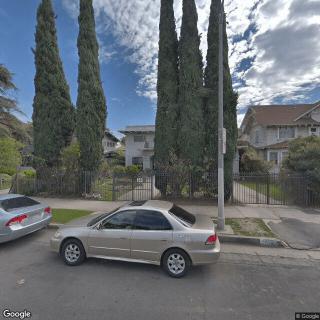
2300 West Washington Boulevard, Los Angeles, CA 90018
For more information about senior living options: (866) 208-4318
Overall Review of St Andrews Healthcare
Pros
 The staff are kind, helpful, and professional.
- They provide wonderful guidance from day one to discharge, with special thanks to Ms. Sylvia Manahan.
- They take good care of their patients.
- The staff are professional and friendly, treating residents with respect and love.
- Residents look clean, happy, and healthy.
Cons
 The place is described as the equivalent of a nursing home or prison, implying confinement.
- The reviewer says the facility is currently holding their mother-in-law hostage there.
- It is claimed that care is driven by money ("all about a check") and that the patients aren’t seen.
- The neighborhood is described as not the safest.
- CNAs are criticized as not knowing the patients, unlike RNs and LVNs.
Review
St Andrews Healthcare in Los Angeles is best suited for families that value a caregiving environment where staff warmth, professionalism, and deliberate discharge planning are central. The community earns high marks for compassionate interaction: workers described as kind, helpful, and attentive, with a standout social worker who guides families from the first day through discharge. This is a setting where residents are often presented as clean, well-groomed, and well cared for, and where the human touch from caregivers is consistently visible in daily life and in the planning process.
Those who may want to consider alternatives are families seeking a more medicalized atmosphere or a setting with livelier neighborhood life and more autonomy for residents. Several voices note a perception that the operation can feel rigid or institutional, with phrases comparing it to a nursing home or even a “prison” atmosphere, especially if a sense of independence and outward activity is a priority. Additionally, concerns about the level of medical oversight and familiarity with individual residents surface in some reviews, including comments about RNs and LVNs not always knowing patients as well as expected. The surrounding neighborhood’s safety was flagged as a consideration, suggesting that location matters for families who want easy external access or a more integrated community experience.
The strongest pros center on the staff and the discharge-planning framework. Positive reports highlight a consistently professional, friendly, and respectful workforce, including nurses and CNAs who perform well in their roles. The presence of a dedicated social worker who provides guidance from admission through discharge is repeatedly praised, yielding smoother transitions and clearer family communication. The care culture appears to translate into visible everyday benefits: residents who look clean, happy, and healthy, and families who find reassurance in staff who treat residents with dignity and warmth. These advantages are meaningful for families prioritizing continuity of care, personal attention, and a structured path from hospital to home or to a stable living arrangement.
Yet the main cons cannot be ignored, and they temper the overall impression. The most pointed concerns revolve around perceptions of the facility as highly administrated, with a potential mismatch between caregiver effort and the feel of a highly regulated environment. The criticism that some staff dynamics may leave certain residents feeling less seen by the medical team, especially in terms of who knows each patient well, points to a possible gap in day-to-day medical familiarity. The sentiment that the neighborhood is not the safest, and the impression that there is a strong emphasis on process or “checking,” rather than an emphasis on resident spontaneity, weigh on satisfaction for families seeking more freedom and neighborhood engagement.
These pros offset the cons most effectively when the priority is reliable, compassionate care and a clear, supportive discharge plan. Families that place a premium on humane treatment, consistent staff presence, and a well-structured transition experience are likely to find substantial value here. The combination of a caring workforce and a proactive social-work framework can mitigate worries about rigidness or limited outward activity by delivering confidence in the resident’s ongoing welfare and a transparent path to the next phase of care. For those who require reassurance that a trusted plan is in place from day one, the positives carry meaningful weight against the more challenging perceptions.
When weighing options, a pragmatic path is advised: arrange a thorough visit with a focus on interactions with frontline staff and a direct conversation with the discharge-planning team, including the social worker. Seek candid feedback from families who have walked the transition process, and request a tour of patient rooms and common areas to gauge the day-to-day atmosphere. Ask pointed questions about RN/LVN coverage, how well individual residents’ preferences and routines are known, and what concrete activities are available to promote engagement outside the walls. If a vibrant neighborhood feel, abundant outside outings, and highly autonomous daily living are nonnegotiables, alternatives should be explored. If, instead, the priority is a warm, professionally guided, transition-ready environment with steady staff rapport, St Andrews Healthcare stands up as a strong, deliberate choice.
 59 resident community capacity
 Skilled Nursing Facility
 Air-conditioning
 Beauty salon
 Cable or satellite TV
 Computer center
 Dining room
 Fitness room
 Fully furnished
 Gaming room
 Garden
 Housekeeping services
 Kitchenette
 Move-in coordination
 Outdoor space
 Private bathrooms
 Restaurant-style dining
 Small library
 Telephone
 Wellness center
 Wi-Fi/high-speed internet available
 Los Angeles International (9 miles away)
 Community operated transportation
 12-16 hour nursing
 24-hour call system
 Activities of daily living assistance
 Assistance with bathing
 Assistance with dressing
 Assistance with transfers
 Diabetes diet
 Medication management
 Mental wellness program
 Special dietary restrictions
 Concierge services
 Planned day trips






 In-Home Care Costs in 2025: A Detailed State-by-State Exploration
 Understanding Home Health Care: A Comprehensive Guide
 Home Health Care Demystified: A Comprehensive Guide for Families and Caregivers