For more information about senior living options: (866) 208-4318
4.3 from 31 reviews
5 stars
25
4 stars
1
3 stars
0
2 stars
0
1 stars
5
Overall Review of College Vista Convalescent Hospital
common5 reviews mention this
Communication keeps families informed
Families describe communication as a major part of the experience.
Several families say staff communicated clearly, including updates when residents had setbacks or transfers. One reviewer praised how staff kept family members informed about a loved one’s status and responded with follow-through after an ER transfer. Other reviews also highlight personal guidance during recovery planning and reassurance during stays. On the other hand, a dissatisfied family member reported communication issues and said they had to repeatedly reach out for updates.
common8 reviews mention this
Clean facility and low chaos
Residents and visitors repeatedly note the facility stays clean.
Cleanliness comes up often, with reviewers describing a well-maintained environment and a lack of strong odors. Multiple comments also describe the facility as calm rather than chaotic. A few reviews connect that clean, orderly setting to feeling safe and comfortable during the stay. Some negative reviews focus more on care problems than cleanliness, but the positive cleanliness theme remains consistent.
common5 reviews mention this
Rehab progress and therapy support
Reviewers often describe meaningful therapy and recovery support.
Several residents and families describe therapy teams working closely with their loved ones during rehabilitation. One family shared that their father’s health improved and that he was walking again after rehab. Another review credits physical, occupational, and speech therapy with helping someone return home after a stroke. A separate reviewer also describes improvements over time after issues like bed sores. A dissatisfied review mentions problems with care during a wound-related situation, reinforcing that therapy outcomes depend on day-to-day follow-through.
caveat3 reviews mention this
Diabetes and wound care concerns
Some reviewers raise concerns about wound and diabetic care.
A few negative reviews describe skin issues and wound-related problems that families say were not addressed appropriately. One reviewer alleged the facility did not check blood sugar as expected for a diabetic resident. Another described wounds, infection concerns, and bruising issues during and after the stay. A third complaint echoed medication and wound neglect concerns, especially for a diabetic family member.
differentiator2 reviews mention this
Food quality and dietary help
Food and diet support show up in multiple reviews.
At least a couple of reviews specifically call out the quality of meals and the overall dining experience. The community also offers restaurant-style dining and includes dietary approaches such as diabetes diet and special dietary restrictions. That combination matches the way residents’ families describe food as part of daily comfort during a stay. Reviews about dining aren’t as frequent as care or cleanliness comments, but when they do appear, they’re positive.
How we summarize
Counts show how many written reviews mention each theme; a review can touch several themes, and only frequently mentioned themes are displayed.
Features
Housing
49 resident community capacity
Types of Care
Skilled Nursing Facility
Amenities
Beauty salon
Cable or satellite TV
Dining room
Fully furnished
Garden
Housekeeping services
Kitchenette
Move-in coordination
Outdoor space
Restaurant-style dining
Small library
Telephone
Wi-Fi/high-speed internet available
Transportation
Burbank-Glendale-Pasadena (9 miles away)
Los Angeles International (17 miles away)
Long Beach (Daugherty) (22 miles away)
Care Services
24-hour call system
24-hour supervision
Activities of daily living assistance
Assistance with bathing
Assistance with dressing
Assistance with transfers
Diabetes diet
Meal preparation and service
Medication management
Mental wellness program
Special dietary restrictions
Dining
Diabetes diet
Special dietary restrictions
Activities
Community-sponsored activities
Resident-run activities
Scheduled daily activities
Nearby Places of Interest
Pharmacies
CVS Pharmacy (0.4 miles)
Walgreens (0.6 miles)
CVS Pharmacy (0.9 miles)
CVS Pharmacy (1.7 miles)
CVS Pharmacy (2.1 miles)
CVS Pharmacy (2.4 miles)
CVS Pharmacy (2.6 miles)
Cafes
Starbucks (0.9 miles)
Proof Bakery (2.7 miles)
Starbucks (3 miles)
Charlie's Coffee House (3 miles)
Lamill Coffee Boutique (4.1 miles)
Starbucks Reserve (4.5 miles)
Panera Bread (4.9 miles)
Parks
Cleland Ave Bicentennial Park (1.2 miles)
Glassell Park Recreation Center (1.3 miles)
Arroyo Seco Park (3.1 miles)
Elysian Park (3.4 miles)
Brookside Park (3.4 miles)
Garfield Park (4.1 miles)
Echo Park at the Lotus Festival (4.4 miles)
Restaurants
McDonald's (1.4 miles)
In-N-Out Burger (1.4 miles)
McDonald's (1.8 miles)
Din Tai Fung (2.3 miles)
Popeyes Louisiana Kitchen (2.4 miles)
In-N-Out Burger (2.4 miles)
Porto's Bakery & Cafe (2.6 miles)
Hospitals
Medical 2 unit (1.6 miles)
Glendale Adventist Medical Center (1.6 miles)
Huntington Memorial Hospital Nicu (3.7 miles)
Usc-Norris Cancer Hospital (4.8 miles)
LAC+USC Inpatient Tower (5 miles)
Providence St Joseph Medical Center (6.6 miles)
Theaters
AMC The Americana at Brand 18 (2.5 miles)
Alamo Drafthouse Downtown (6.1 miles)
AMC Burbank 16 (6.5 miles)
Regal LA Live & 4DX (6.5 miles)
Transportation
Union Station (5.2 miles)
Places of Worship
San Marino Community Church Nursery School (5.9 miles)
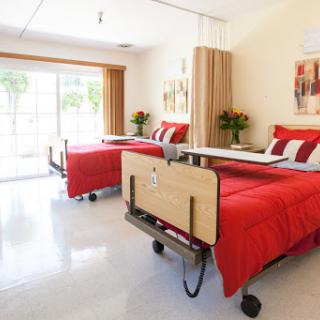
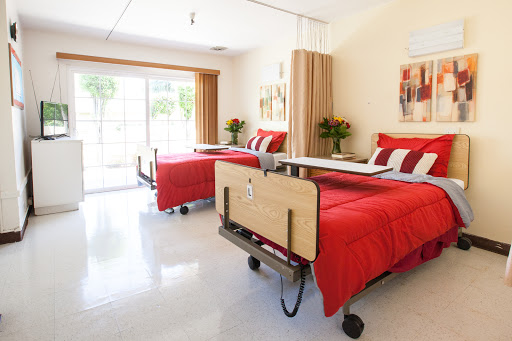
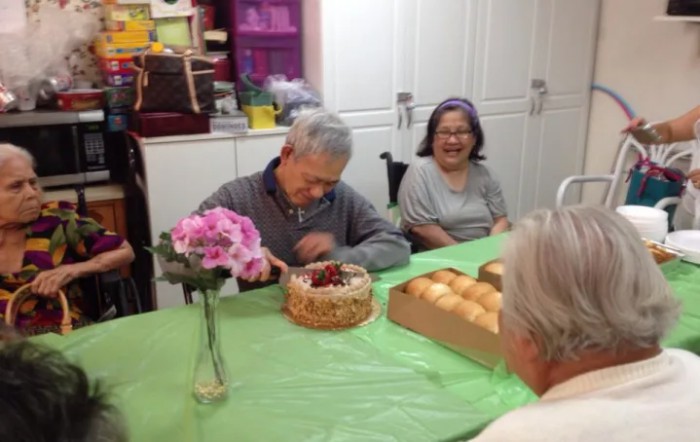
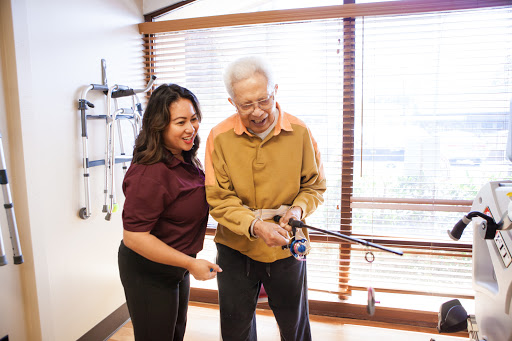
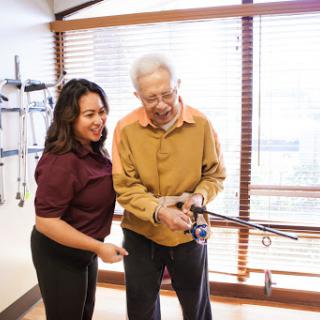
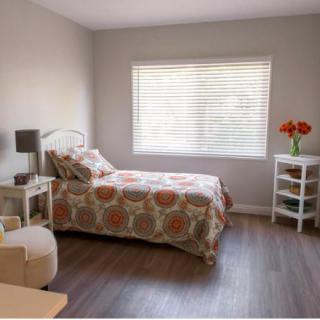
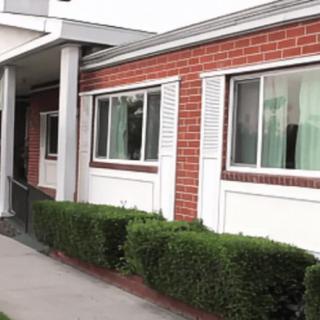
College Vista Convalescent Hospital on seniors.fyi includes 6 photos including images showing interior, hallway, decor, bright lighting, physical therapy, rehabilitation, assistance, exercise equipment, and more.
Nearby Communities
Ridgeview Home Care Center
Los Angeles, CA
Small, intimate board-and-care with personalized support, nutritious meals, housekeeping, and coordinated medical transport.
American Home Health Svc
Los Angeles, CA
2.3 from 3 reviews
Excellent proximity to cafes, parks, pharmacies, restaurants, theaters, and hospitals.
Country Gardens Home Care
Los Angeles, CA
Cozy, fully furnished board-and-care with daily activities and on-site dining.
Villa Piedra Apartments
Los Angeles, CA
3.2 from 5 reviews
Excellent access to nearby cafes, parks, pharmacies, restaurants, and hospitals.
Hazelwood Mighty Homes
Los Angeles, CA
Small 6-bed setting offering 24-hour supervision, ADL assistance, meals, and scheduled activities.
Solheim Senior Community
Los Angeles, CA
4.5 from 66 reviews
$3,600 to $4,790 / month
Caring staff, engaging activities, and a home-like environment.
York Healthcare & Wellness Centre
Los Angeles, CA
4.2 from 74 reviews
Extensive on-site amenities and 24-hour care support.
Leisure Glen Post Acute Care Center
Glendale, CA
4.5 from 62 reviews
Extensive amenities (beauty salon, restaurant-style dining, fitness room) and 24-hour supervision with ADL assistance.
Huntington Post Acute
Pasadena, CA
24/7 nursing support with medication management plus engaging amenities and activities.
Skilled nursing facilities (SNFs) provide high-level medical care and rehabilitation for short-term recovery, typically covered by Medicare after hospitalization, while nursing homes focus on ongoing custodial care for chronic conditions, mainly funded by Medicaid or private payments. The staffing and regulatory structures differ significantly between the two, necessitating clarity for families in choosing appropriate long-term care options.
Nursing home care costs in the U.S. vary significantly based on location, level of care, and amenities, with private room prices ranging from approximately $6,700 to over $30,000 monthly. Families need to explore various payment options and conduct thorough research to manage these expenses effectively.
Nonmedical home care provides assistance with daily activities and companionship for individuals wishing to maintain independence and quality of life at home, without medical intervention. Its growing popularity is driven by an aging population, the need for supportive environments for recovery, and the emotional benefits of caregiver companionship, while costs vary based on service frequency and location.
Exercise Equipment, Rehabilitation, Physical Therapy, and Assistance
Hallway
Bright Lighting
Get PricingAsk A QuestionSchedule A TourContact Senior Advisor
By clicking submit, you agree to our Partner's Terms of Use. You
also consent to receive calls and texts, which may be autodialed, from our Partner. Your consent is not a condition to
using our Partner's service. Please visit our Partner's Privacy Policy for information about their privacy practices.



 49 resident community capacity
 Skilled Nursing Facility
 Beauty salon
 Cable or satellite TV
 Dining room
 Fully furnished
 Garden
 Housekeeping services
 Kitchenette
 Move-in coordination
 Outdoor space
 Restaurant-style dining
 Small library
 Telephone
 Wi-Fi/high-speed internet available
 Burbank-Glendale-Pasadena (9 miles away)
 24-hour call system
 Activities of daily living assistance
 Assistance with bathing
 Assistance with dressing
 Assistance with transfers
 Diabetes diet
 Medication management
 Mental wellness program
 Special dietary restrictions
 Small, intimate board-and-care with personalized support, nutritious meals, housekeeping, and coordinated medical transport.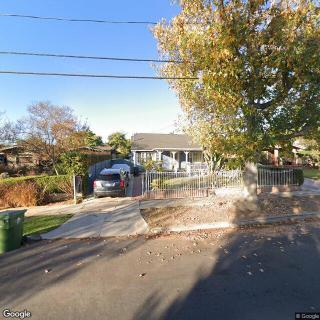
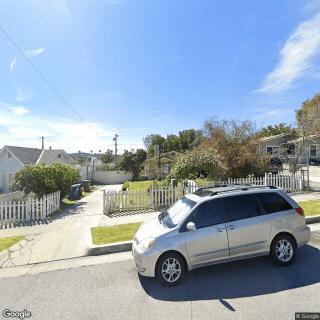
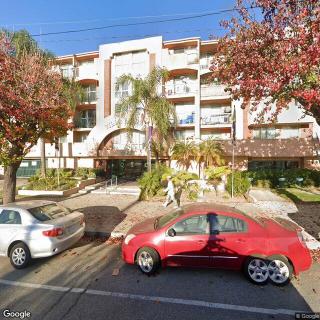

 Skilled Nursing Facilities vs. Nursing Homes: Making Sense of the Differences
 A Detailed Examination of Nursing Home Costs Across the U.S.
 Exploring Nonmedical Home Care: Understanding Services, Costs, and Financial Approaches