
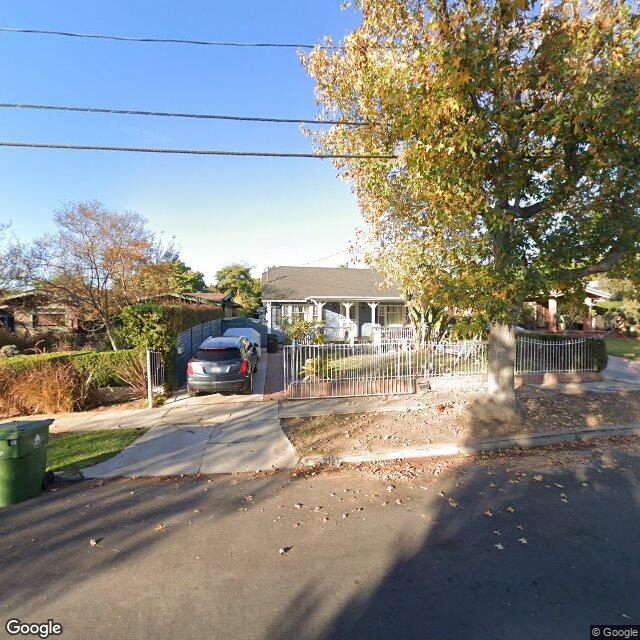
2151 Ridgeview Ave, Los Angeles, CA 90041
To contact a resident: (323) 258-5554
For more information about senior living options: (866) 208-4318
Overall Review of American Home Health Svc
Pros
 The company is great and highly professional.
- Their service is amazing.
- They come highly recommended.
Cons
 It is a terrible company with no customer service.
- Managers are rude, won't solve issues, and direct customers to go to the hospital without regard for the consequences.
- The company drops customers after they raise concerns or complaints.
- They expect patients to sit at home under their mercy and show no care for infections or other issues.
- They lack basic customer service skills, including communication and follow-up.
- The home health nurse does not perform proper assessments and shows no empathy or compassion to patients or their families.
Review
This home health agency in Los Angeles is best suited for families that can act as vigilant advocates, ready to intervene frequently and chase down timely responses. The care recipient who chooses this option should expect to oversee day-to-day coordination, push for clear updates, and demand accountability from staff. It is not a passive, “set it and forget it” arrangement. When reviews indicate large swings in behavior, from professional, capable service to abrupt, managers-as-barriers, the safest conclusion is that only those with bandwidth to supervise closely will find workable value. For seniors who cannot tolerate inconsistent communication or insufficient hands-on support, this provider is rarely the right match.
Those who may want to consider alternatives are clear: anyone who requires dependable customer service, steady nurse assignments, and genuine, compassionate bedside care should look elsewhere. The Los Angeles market offers options with stronger reputations for responsiveness and proactive problem-solving. Given the negative feedback that repeatedly cites rude management, broken follow-up, and a culture that appears to push patients toward hospital care rather than handling issues at home, it is prudent to prioritize agencies with proven escalation processes and consistent staff coverage. Families should expect a partner who can be counted on, not one that necessitates constant escalation and chasing.
On the positive side, there is at least one strong endorsement noting professionalism and high-quality service. That suggests the possibility that, with the right staff and internal processes, care can meet expectations. However, this is an outlier rather than the norm in the current pattern. The presence of a capable team is encouraging, but it does not establish reliability. For decision-makers, the takeaway is that competent care is possible, but it hinges on staff stability and disciplined management, conditions that do not appear consistently present in the typical experience described.
The principal drawbacks, by contrast, overshadow the potential upsides. The most damaging pattern is the absence of reliable customer service: repeated calls to obtain status updates, and reports of rude, unhelpful managers who fail to resolve issues and, in some cases, steer clients to hospital care. The risk is amplified by claims of being dropped after voicing concerns, implying a fragile, adversarial client relationship rather than a collaborative partnership. Clinically, the critique that nurses do not perform real assessments or demonstrate true empathy compounds safety concerns. When communications and clinical engagement are so fragile, the overall value of the service erodes quickly.
Do the rare positives offset the negatives? Not in any practical sense. The credible benefit of professional conduct is not reliably reproducible, and the negative experiences dominate. If care is intermittently competent but frequently undermined by poor communication and instability, the net effect is a high-stress, unreliable care environment. The risk to patient well-being, missed assessments, delayed responses, and emotional strain on families, outweigh any isolated success stories. In practical terms, this agency’s value proposition rests on an unstable foundation; unless a family can secure a consistently strong team and monitor performance daily, the odds of a satisfactory experience remain uncomfortably low.
For families choosing a path forward, a disciplined, proactive approach is essential. Insist on a detailed intake with a written care plan that specifies goals, schedules, and nurse supervisors. Request direct references and verify current staff stability, ensuring a single point of contact for escalation. Secure a formal trial period with measurable milestones and guaranteed response times, and require a transparent process for addressing concerns without risk of service withdrawal. If early signs point to ongoing delay, poor follow-up, or defensive responses, pivot quickly to alternatives that demonstrate steadier client service and genuine empathy. In Los Angeles, the prudent default is to favor agencies with proven reliability and consistently compassionate care, rather than accepting a patchwork of experiences that can jeopardize safety and trust.
 Burbank-Glendale-Pasadena (10 miles away)






 Understanding the Full Cost of 24/7 In-Home Care: A Detailed Overview
 Exploring the World of Home Health Nurses: Qualifications, Roles, and Hiring Tips
 Navigating Medicare Coverage for In-Home Care Services