The Terraces At Los Altos offers competitive pricing for its living arrangements compared to the broader market in Santa Clara County and across California. For a one-bedroom unit, residents can expect to pay $4,960 per month, which is notably lower than the county average of $5,861, indicating an appealing value proposition. However, two-bedroom accommodations at $5,832 align more closely with the county's average of $7,339 while remaining below the statewide figure of $5,270. Interestingly, studios at The Terraces are priced at $6,926, exceeding both the county rate of $5,155 and California's average of $4,145. Overall, while some options may be higher than regional averages, The Terraces At Los Altos provides attractive choices that are particularly favorable for one-bedroom residents seeking quality living in a prime location.
Floor plans
The Terraces At Los Altos
Santa Clara County
California
1 Bedroom
$4,960
$5,861
$4,340
2 Bedrooms
$5,832
$7,339
$5,270
Studio
$6,926
$5,155
$4,145
Overall Review of The Terraces At Los Altos
common12 reviews mention this
Staff and caregiving feel responsive
Residents describe staff who respond quickly and stay engaged.
Across the reviews, families mention staff as friendly, caring, and attentive—especially around rehab needs and day-to-day support. Several describe nurses and therapists stepping in efficiently when something comes up, and keeping families updated. Others add that staff follow through on needs and help residents feel cared for beyond the initial transition.
differentiator6 reviews mention this
Medical communication is a focus
Care teams are described as keeping families informed during rehab.
Multiple reviews highlight communication between the community, clinicians, and families—often in the middle of hospital-to-rehab transitions. One review describes ongoing contact even when visiting was limited, including help with staying in touch by video. Others mention staying in the loop with doctor appointments and day-to-day care planning.
common6 reviews mention this
Activities and outings keep days full
The daily schedule is built around activities and social time.
Residents and families describe an active environment with in-house presentations, outings, and scheduled programs. The community also offers a wide menu of activity types, including fitness and planned day trips. Several reviewers also point to meals and social conversation as part of that rhythm.
common4 reviews mention this
Clean, well-kept spaces stand out
Reviews repeatedly mention the facility as clean and well maintained.
Many reviewers describe the buildings and grounds as clean, neat, and well cared for. Families also note bright, comfortable spaces during rehab and an overall sense of upkeep. A reviewer adds that rooms feel appropriately furnished and clean, and that the environment supports day-to-day comfort.
caveat4 reviews mention this
Cost concerns come up often
Several reviews warn that the pricing can be higher than expected.
Some reviewers call the community expensive, including noting the importance of understanding the upfront down payment and ongoing monthly expenses. Others describe it as notably costlier than a different facility where a family member was also receiving rehab. There are also complaints about billing after care, including an unexpected charge described long after a stay.
caveat4 reviews mention this
Service can feel inconsistent at times
A subset of reviews describe lapses in scheduling, staffing, or care handling.
While many describe attentive care, other residents and families report problems—such as uncertainty around schedules and delays in getting support. Some reviews also mention medication timing concerns and pushback from leadership when issues were raised. One reviewer describes the experience as mixed overall, citing both kind staff and periods of being understaffed or transactional.
How we summarize
Counts show how many written reviews mention each theme; a review can touch several themes, and only frequently mentioned themes are displayed.
Features
Housing
250 resident community capacity
Types of Care
Assisted Living
Continuing Care Retirement Community (CCRC)
Independent Living
Memory Care
Respite Care
Skilled Nursing Facility
Amenities
Activities off-site
Activities on-site
Air-conditioning
Beautician on-site
Beauty salon
Cable or satellite TV
Computer center
Continuing learning programs
Devotional services on-site
Fitness room
Fully furnished
Gaming room
Garden
Housekeeping services
Indoor common areas
Kitchenette
Move-in coordination
On-site market
Outdoor common areas
Outdoor space
Private bathrooms
Respite or short term stays offered
Restaurant-style dining
Small library
Swimming pool
Telephone
Wellness center
Wheelchair accessible showers
Wi-Fi/high-speed internet available
Transportation
San Jose International (11 miles away)
San Francisco International (21 miles away)
Metropolitan Oakland International (23 miles away)
Community operated transportation
Transportation arrangement
Transportation arrangement (non-medical)
Care Services
24-hour call system
24-hour supervision
Activities of daily living assistance
Ambulatory care
Assistance with bathing
Assistance with dressing
Assistance with transfers
Diabetes diet
Diabetic care
Incontinence care
Meal preparation and service
Medication management
Special dietary restrictions
Dining
Diabetes diet
Meals provided
Special dietary restrictions
Vegetarian
Activities
Art classes
Brain fitness
Community-sponsored activities
Concierge services
Day trips and outings
Devotional activities on-site
Educational speakers / life long learning
Fitness programs
Happy hour
Live dance or theater performances
Live musical performances
Live well programs
Planned day trips
Resident-run activities
Scheduled daily activities
Stretching classes
Tai Chi
Water aerobics
Nearby Places of Interest
Pharmacies
CVS Pharmacy (0.8 miles)
Walgreens (1.1 miles)
Walgreens (1.3 miles)
Walgreens (1.5 miles)
CVS Pharmacy (1.6 miles)
CVS Pharmacy (2.3 miles)
CVS Pharmacy (2.4 miles)
Cafes
Boba Bliss (0.8 miles)
Verve Coffee Roasters (4.2 miles)
HanaHaus (4.3 miles)
Blue Bottle Coffee (4.3 miles)
Café Venetia (4.3 miles)
Sunright Tea Studio (6.3 miles)
Caffe Macs (6.6 miles)
Restaurants
State Of Mind Pub (1 miles)
McDonald's (1.5 miles)
Steins Beer Garden (2.4 miles)
McDonald's (2.5 miles)
In-N-Out Burger (2.5 miles)
In-N-Out Burger (2.8 miles)
Sports Page (2.9 miles)
Theaters
ShowPlace ICON at San Antonio Centre (1.1 miles)
AMC DINE-IN Sunnyvale 12 & IMAX (5.2 miles)
AMC Mercado 20 (7.7 miles)
Parks
Mitchell Park (2.1 miles)
Stevenson Park (2.4 miles)
Shoreline Park & Lake (3.4 miles)
Evandale Park (3.5 miles)
Grant Park (4.4 miles)
Baylands Nature Preserve (4.6 miles)
Rancho San Antonio County Park (5.2 miles)
Transportation
Mountain View Caltrain Station (2.6 miles)
U-Haul Moving & Storage (2.8 miles)
Sunnyvale Caltrain Station (5.2 miles)
Apple Park Transit Center (7.6 miles)
Physicians
Melchor Pavilion (2.7 miles)
Bay IVF Center (3 miles)
Encina Building, Palo Alto Medical Foundation (3.8 miles)
Anesthesiology: Palo Alto Center: Palo Alto Medical Foundation (3.9 miles)
Stanford Otolaryngology (4.2 miles)
Silicon Valley Eye Physicians (4.7 miles)
Menlo Park Psychiatry & Sleep Medicine, Alex Dimitriu, MD (5.4 miles)
Hospitals
El Camino Hospital (2.9 miles)
Surgery Center Mountain View (3.4 miles)
Stanford Health Care (4 miles)
Lucile Packard Children's Hospital (4 miles)
Stanford Hospital (4.1 miles)
Hoover Pavilion (4.2 miles)
Reproductive Medicine Associates of Northern California | RMANORCAL (4.7 miles)
The Terraces At Los Altos offers competitive pricing for its living arrangements compared to the broader market in Santa Clara County and across California. For a one-bedroom unit, residents can expect to pay $4,960 per month, which is notably lower than the county average of $5,861, indicating an appealing value proposition. However, two-bedroom accommodations at $5,832 align more closely with the county's average of $7,339 while remaining below the statewide figure of $5,270. Interestingly, studios at The Terraces are priced at $6,926, exceeding both the county rate of $5,155 and California's average of $4,145. Overall, while some options may be higher than regional averages, The Terraces At Los Altos provides attractive choices that are particularly favorable for one-bedroom residents seeking quality living in a prime location.
The Terraces At Los Altos offers a comprehensive range of features specifically designed to support residents with dementia or Alzheimer's disease, ensuring their safety and enhancing their quality of life. The 24-hour supervision provides constant monitoring, which is crucial for individuals who may wander or require immediate assistance. Support with activities of daily living, including bathing and dressing, not only promotes personal hygiene but also fosters dignity and independence. Assistance with transfers ensures residents can safely move within the facility, reducing the risk of falls. Engaging in brain fitness activities stimulates cognitive function and encourages social interaction, while incontinence care addresses a sensitive aspect of daily life with compassion and respect. Meal preparation and service are tailored to meet dietary needs, ensuring it's both nutritious and enjoyable, while medication management guarantees adherence to prescribed regimens, minimizing the risk of confusion regarding dosage times. Together, these features create an environment that prioritizes well-being and caters to the unique challenges faced by individuals with memory impairments.
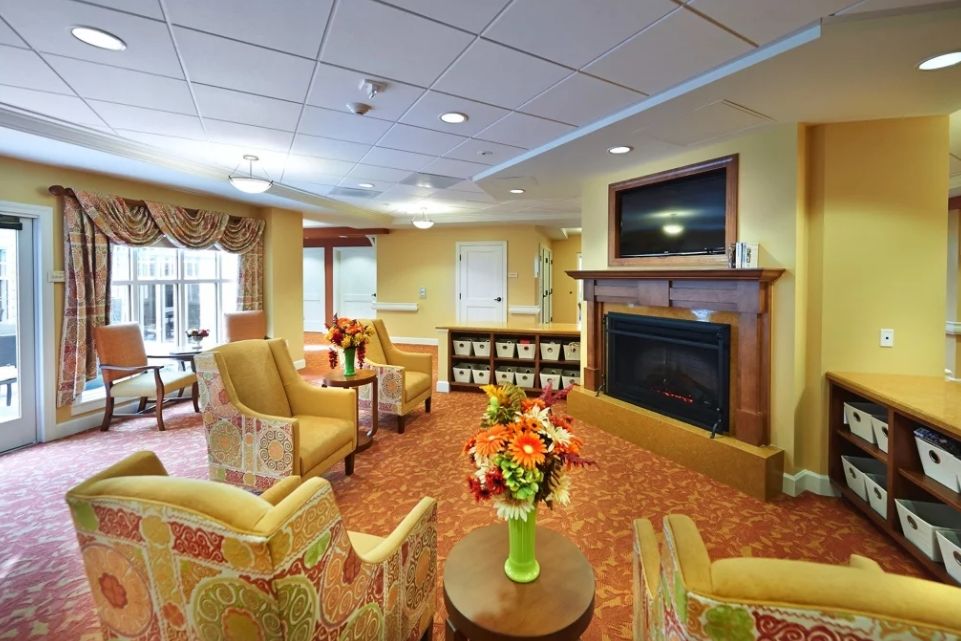
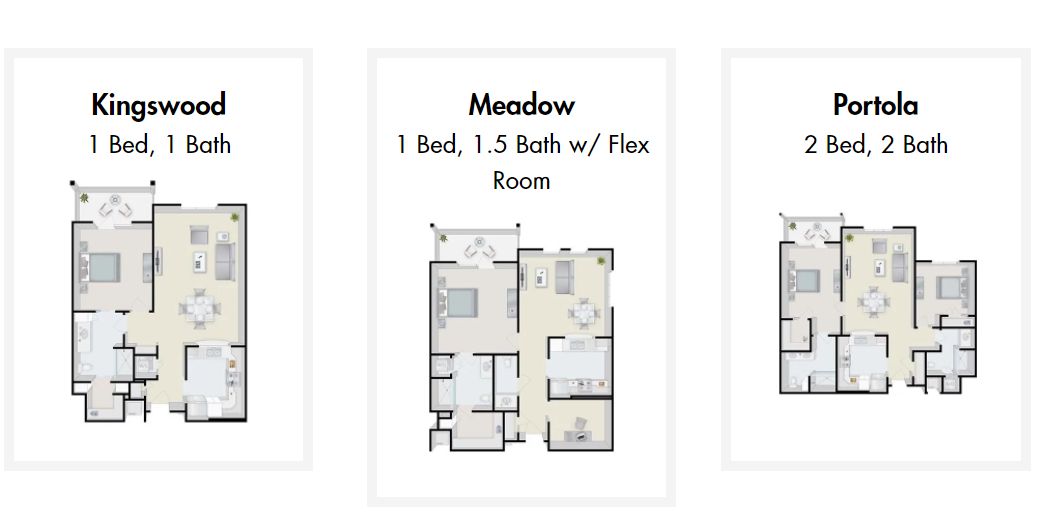
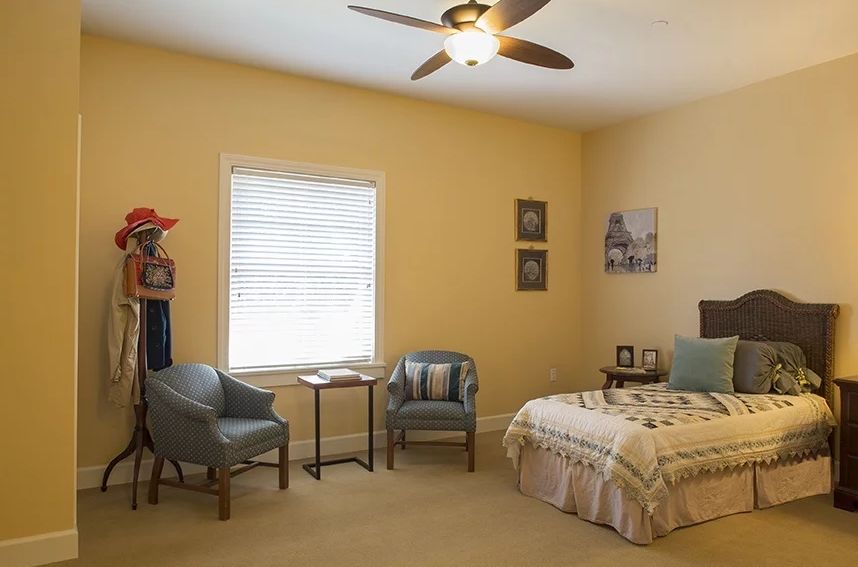
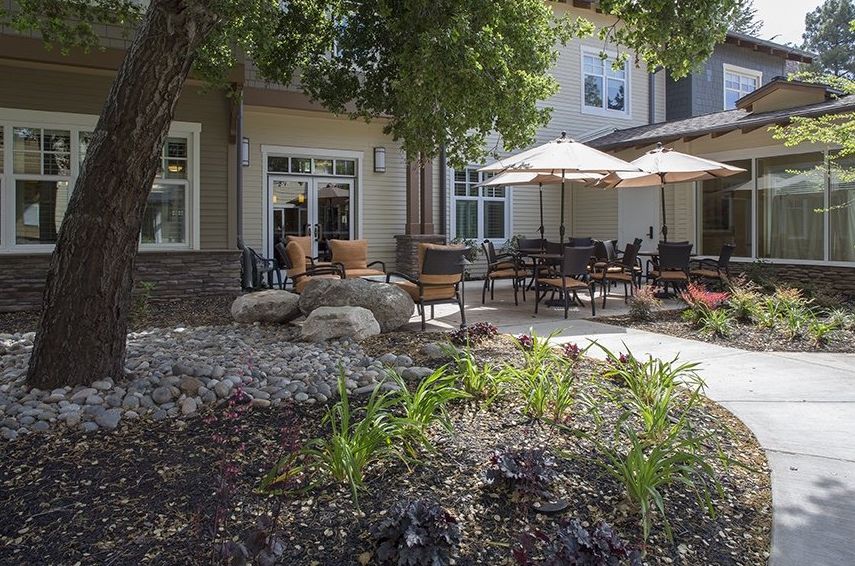
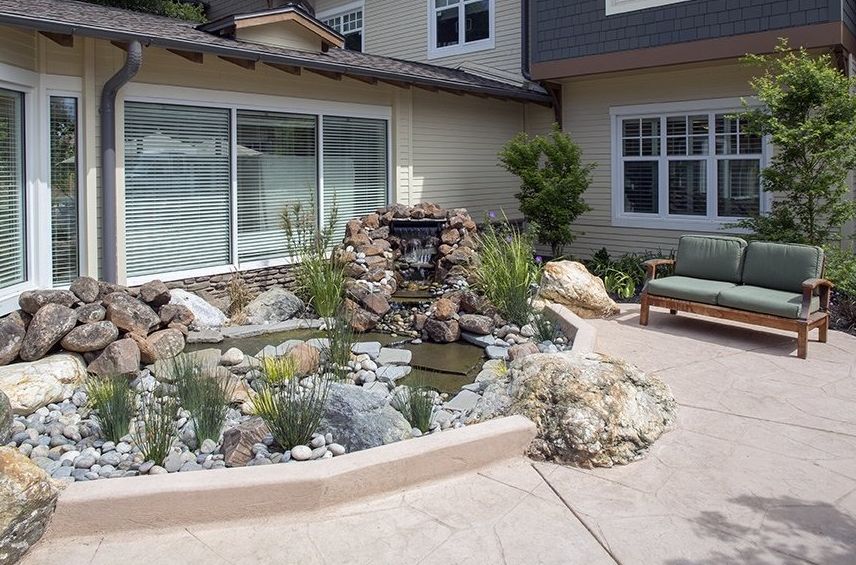
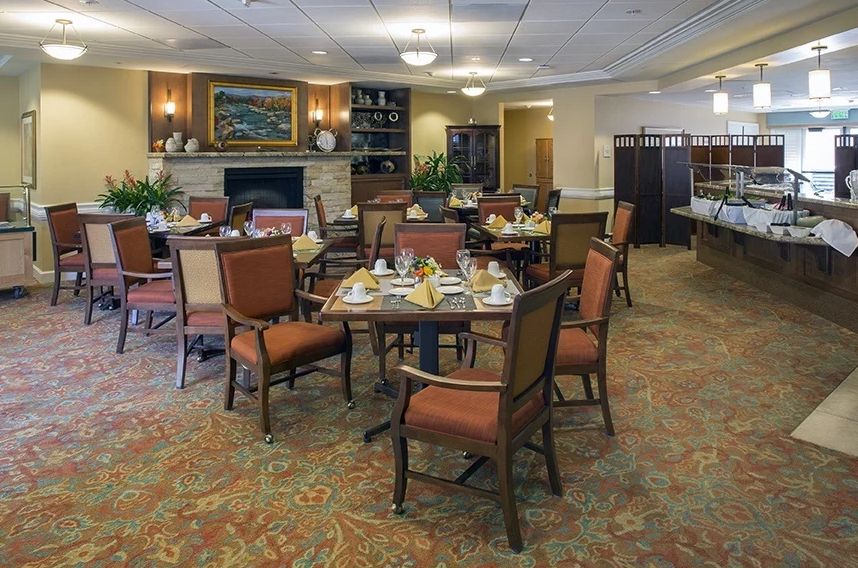
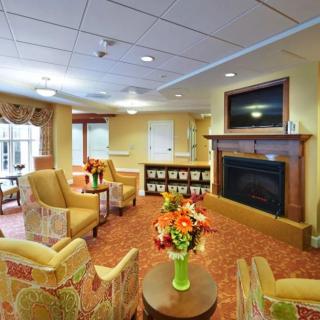
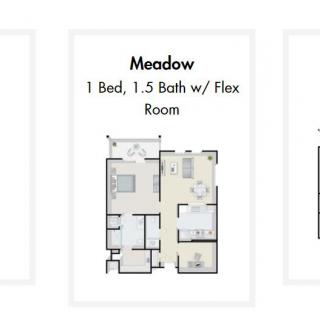
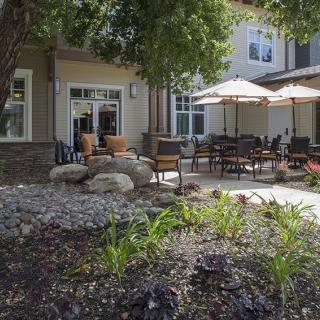
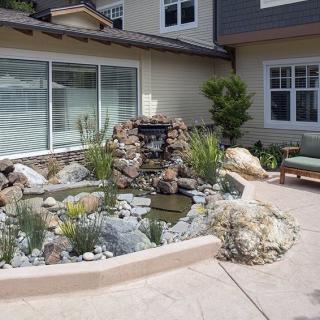
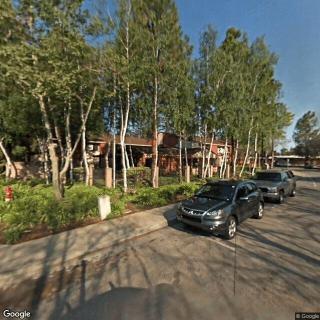
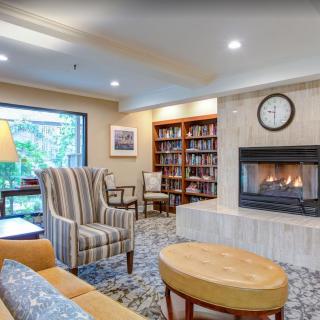
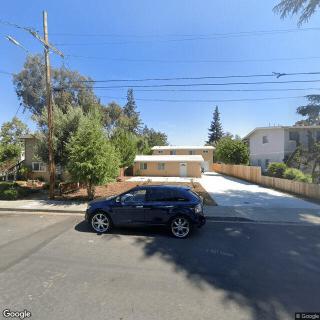
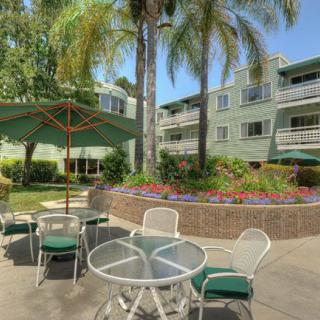
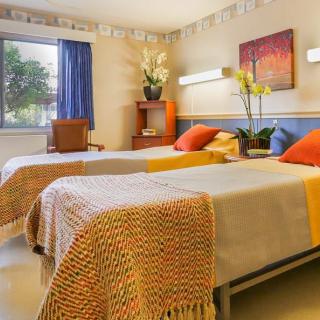
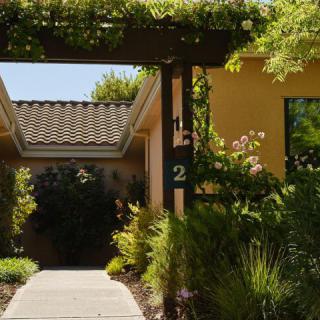
The Terraces At Los Altos on seniors.fyi includes 6 photos including images showing interior, bedroom, landscaping, garden, dining, decor, floor plan, patio, and more.
Nearby Communities
Snow White Care Home
Los Altos, CA
4.4 from 33 reviews
$2,500 / month
Affordable private room with personalized, comprehensive care in a small setting.
Homecare California
Los Altos, CA
4.8 from 34 reviews
Compassionate, professional staff with personalized care.
Terman Apartments
Palo Alto, CA
3.2 from 17 reviews
Excellent access to nearby amenities (cafes, parks, restaurants, healthcare, and entertainment).
BridgePoint at Los Altos
Los Altos, CA
4.5 from 131 reviews
$4,000 to $10,500 / month
Warm, attentive staff; clean, well-maintained facilities; active community and pleasant grounds.
Retirement Administration Inc
Los Altos, CA
5 from 1 review
Prime location with easy access to numerous nearby amenities (cafes, parks, pharmacies, doctors, restaurants, transit, theaters, hospitals).
Maryrose Board And Care two
Mountain View, CA
4.5 from 120 reviews
Specialized memory care with personalized support, diabetic care, and on-site activities.
Palo Alto Commons
Palo Alto, CA
4.2 from 67 reviews
$6,950 to $11,950 / month
Compassionate staff with personalized care, engaging activities, and a welcoming, clean environment.
Los Altos Sub-acute and Rehabilitation Center
Los Altos, CA
3.4 from 113 reviews
Caring staff, clean environment, and engaging activities.
The Forum At Rancho San Antonio
Cupertino, CA
4.9 from 142 reviews
$2,222 / month
Warm, professional staff in a vibrant, well-maintained community with abundant activities.
Dementia, influenced by aging and certain medications, may be exacerbated by drug classes such as anticholinergics, benzodiazepines, and antipsychotics, which are associated with cognitive impairment. Regular medication reviews by healthcare professionals are crucial for older adults to manage risks and optimize cognitive health.
Dementia often results in disrupted sleep patterns, leading to excessive daytime sleeping due to factors like brain damage affecting circadian rhythms, medication side effects, and lack of structure in daily activities. Caregivers must monitor these changes closely, as oversleeping can increase risks such as malnutrition or dehydration, and provide necessary support and routines to enhance patient engagement and well-being.
The transition from assisted living to skilled nursing care is often prompted by complex medical needs that assisted living cannot meet, with key indicators including frequent health declines, increased falls, severe memory issues, and caregiver burnout. Families should recognize these signs early to discuss options with healthcare providers and prepare for the emotional and logistical aspects of moving to a facility that offers comprehensive medical support.
Get PricingAsk A QuestionSchedule A TourContact Senior Advisor
By clicking submit, you agree to our Partner's Terms of Use. You
also consent to receive calls and texts, which may be autodialed, from our Partner. Your consent is not a condition to
using our Partner's service. Please visit our Partner's Privacy Policy for information about their privacy practices.

 250 resident community capacity
 Assisted Living
 Continuing Care Retirement Community (CCRC)
 Independent Living
 Memory Care
 Respite Care
 Skilled Nursing Facility
 Activities off-site
 Air-conditioning
 Beautician on-site
 Cable or satellite TV
 Computer center
 Continuing learning programs
 Devotional services on-site
 Fitness room
 Fully furnished
 Gaming room
 Garden
 Housekeeping services
 Indoor common areas
 Kitchenette
 Move-in coordination
 On-site market
 Outdoor common areas
 Private bathrooms
 Restaurant-style dining
 Small library
 Swimming pool
 Telephone
 Wellness center
 Wheelchair accessible showers
 Wi-Fi/high-speed internet available
 San Jose International (11 miles away)
 Community operated transportation
 24-hour call system
 Ambulatory care
 Assistance with bathing
 Assistance with dressing
 Assistance with transfers
 Diabetes diet
 Diabetic care
 Incontinence care
 Medication management
 Special dietary restrictions
 Art classes
 Brain fitness
 Concierge services
 Day trips and outings
 Educational speakers / life long learning
 Happy hour
 Live dance or theater performances
 Live musical performances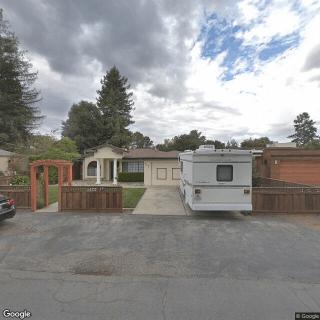
 Affordable private room with personalized, comprehensive care in a small setting.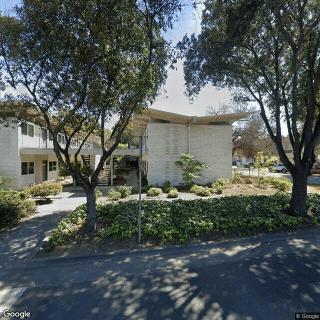

 A Thorough Discussion of Medications Potentially Linked to Dementia Risk
 Why Do Dementia Patients Sleep So Much? Understanding Oversleeping, Stages, and Care Approaches
 8 Key Indicators That Suggest It May Be Time to Transition from Assisted Living to Skilled Nursing Care