Physical and occupational therapy stands out in residents’ rehab stories.
Many reviewers describe meaningful rehabilitation progress and emphasize the day-to-day therapy involvement. Families specifically highlight the rehab team’s support after major events like a stroke, cardiac arrest, and a hip injury. Several also note that therapy was active and structured during the stay, including examples of the OT/PT team working with patients on mobility and recovery. One reviewer also frames the facility as a place where therapy helps patients get back on their feet.
differentiator4 reviews mention this
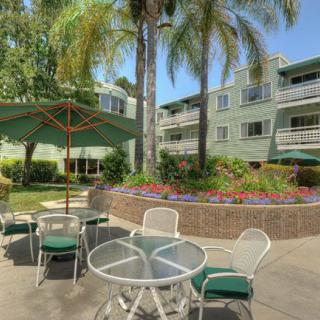
Courtyard and garden create calm
The courtyard garden is repeatedly described as a standout space.
Beyond clinical care, multiple reviews point to an on-site courtyard or garden as a place that feels pleasant and calming. Residents and families describe spending time outdoors there, including visits with meals. Reviewers also mention staff helping make the courtyard experience easy and accommodating, and they connect the space with better day-to-day comfort for loved ones. One reviewer ties the courtyard to a more positive overall experience during a longer stay.
caveat5 reviews mention this
Call light response is inconsistent
Several reviewers report delays when they need help.
Some reviews describe difficulty getting timely assistance through call lights or room-related communication. A few note needing to wait a long time after pressing for help, while others describe limited follow-through on basic needs. In the most critical accounts, reviewers also tie the slow response to worsening experiences during the stay. Overall, response reliability is a recurring concern in otherwise mixed feedback.
common10 reviews mention this
Care teams are described as caring
Residents and families often describe compassionate, responsive staff.
Across reviews, families frequently praise staff for being attentive, patient, and supportive. Multiple accounts mention nurses and caregivers taking time to listen, answering questions, and helping families feel informed during a difficult transition. Some reviewers also describe department collaboration—particularly between nursing and therapy teams—when working toward recovery. Even in more critical reviews, the positive references to professional help still show up alongside complaints about specific process gaps.
How we summarize
Counts show how many written reviews mention each theme; a review can touch several themes, and only frequently mentioned themes are displayed.
Features
Types of Care
Board and Care Home
Memory Care
Amenities
Activities on-site
Devotional services off-site
Indoor common areas
Transportation
San Jose International (10 miles away)
San Francisco International (21 miles away)
Metropolitan Oakland International (23 miles away)
Care Services
Ambulatory care
Diabetic care
Dining
Meals provided
Activities
Activities on-site
Devotional activities offsite
Nearby Places of Interest
This part of Mountain View, California offers a variety of amenities and services that cater to the needs of seniors. With multiple theaters, cafes, restaurants, and parks within close proximity, there are plenty of options for entertainment and socializing. Additionally, the presence of pharmacies and physicians in the area ensures easy access to healthcare services. The transportation options such as Caltrain stations and U-Haul facilities make it convenient for seniors to travel both locally and further afield. Furthermore, the hospitals nearby including El Camino Hospital and Lucile Packard Children's Hospital provide top-quality medical care for peace of mind. Overall, this neighborhood provides a vibrant yet safe environment for seniors looking to retire or relocate to Mountain View.
Theaters
ShowPlace ICON at San Antonio Centre (0.3 miles)
AMC DINE-IN Sunnyvale 12 & IMAX (4.6 miles)
AMC Mercado 20 (6.8 miles)
Cafes
Boba Bliss (0.5 miles)
Verve Coffee Roasters (4.2 miles)
HanaHaus (4.3 miles)
Blue Bottle Coffee (4.3 miles)
Café Venetia (4.3 miles)
Sunright Tea Studio (5.8 miles)
Caffe Macs (6.4 miles)
Pharmacies
CVS Pharmacy (0.5 miles)
Walgreens (0.9 miles)
CVS Pharmacy (1.1 miles)
Walgreens (1.2 miles)
CVS Pharmacy (1.5 miles)
Walgreens (1.9 miles)
CVS Pharmacy (2.4 miles)
Restaurants
McDonald's (1 miles)
McDonald's (1.3 miles)
In-N-Out Burger (1.4 miles)
Steins Beer Garden (1.5 miles)
Sports Page (1.7 miles)
State Of Mind Pub (1.7 miles)
In-N-Out Burger (2.3 miles)
Parks
Stevenson Park (1.3 miles)
Mitchell Park (1.4 miles)
Shoreline Park & Lake (2.2 miles)
Evandale Park (2.4 miles)
Baylands Nature Preserve (3.7 miles)
Grant Park (4.5 miles)
Seven Seas Park (4.9 miles)
Transportation
Mountain View Caltrain Station (1.7 miles)
U-Haul Moving & Storage (2.3 miles)
Sunnyvale Caltrain Station (4.5 miles)
Apple Park Transit Center (7.2 miles)
Physicians
Melchor Pavilion (2.6 miles)
Bay IVF Center (3.2 miles)
Encina Building, Palo Alto Medical Foundation (3.9 miles)
Anesthesiology: Palo Alto Center: Palo Alto Medical Foundation (4 miles)
Silicon Valley Eye Physicians (4.5 miles)
Stanford Otolaryngology (4.5 miles)
Santa Clara Valley Health & Hospital System (5.2 miles)
Hospitals
El Camino Hospital (2.8 miles)
Surgery Center Mountain View (2.9 miles)
Hoover Pavilion (4.3 miles)
Reproductive Medicine Associates of Northern California | RMANORCAL (4.4 miles)
The transition from assisted living to skilled nursing care is often prompted by complex medical needs that assisted living cannot meet, with key indicators including frequent health declines, increased falls, severe memory issues, and caregiver burnout. Families should recognize these signs early to discuss options with healthcare providers and prepare for the emotional and logistical aspects of moving to a facility that offers comprehensive medical support.
Dementia is characterized by cognitive decline, with nutrition playing a vital role in brain health; while no specific diet can prevent or reverse it, a nutrient-dense diet rich in antioxidants and healthy fats may support cognitive function. The MIND diet, which emphasizes beneficial foods and limits processed items, along with proper hydration and individualized meal strategies, can enhance the well-being of dementia patients.
Dementia affects memory and cognitive function in older adults, presenting challenges for caregivers due to behavioral changes such as confusion and mood swings. Compassionate, person-centered care that considers individual history and preferences, along with effective communication and environmental modifications, is essential for supporting both patients and their caregivers.
Get PricingAsk A QuestionSchedule A TourContact Senior Advisor
By clicking submit, you agree to our Partner's Terms of Use. You
also consent to receive calls and texts, which may be autodialed, from our Partner. Your consent is not a condition to
using our Partner's service. Please visit our Partner's Privacy Policy for information about their privacy practices.

 Board and Care Home
 Memory Care
 Activities on-site
 Devotional services off-site
 Indoor common areas
 San Jose International (10 miles away)
 Ambulatory care
 Diabetic care
 Meals provided
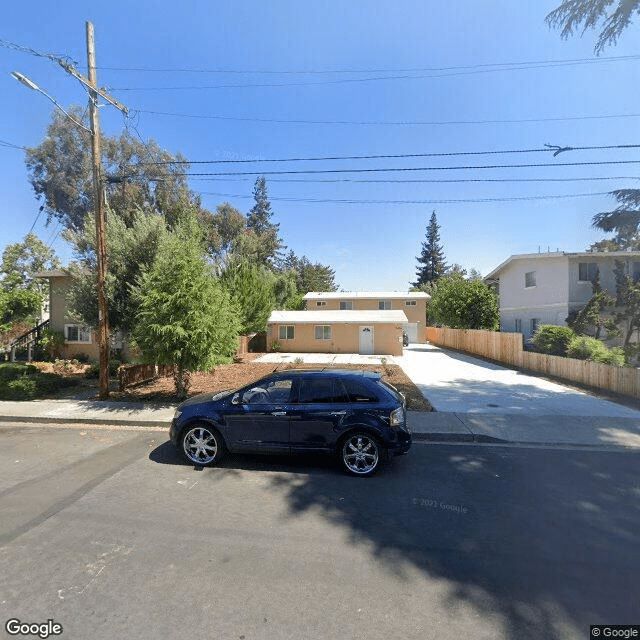
 Prime location with easy access to numerous nearby amenities (cafes, parks, pharmacies, doctors, restaurants, transit, theaters, hospitals).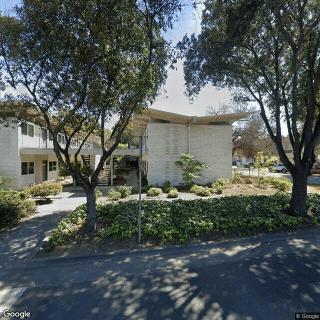

 8 Key Indicators That Suggest It May Be Time to Transition from Assisted Living to Skilled Nursing Care
 Nourishing the Mind: Essential Dietary Approaches for Dementia
 Understanding Dementia Behaviors: Practical Insights and Strategies for Caregivers