
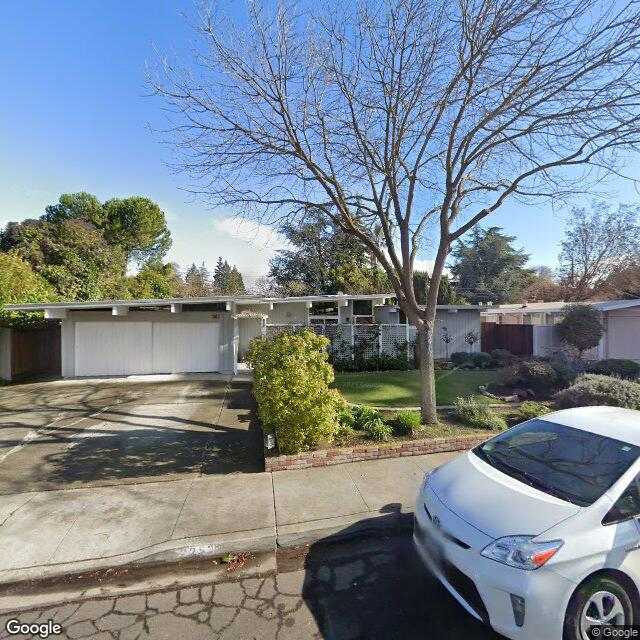
2522 Alvin St., Mountain View, CA 94043
To contact a resident: (408) 313-4268
For more information about senior living options: (866) 208-4318
Alvin Place Care Home Costs & Pricing
Alvin Place Care Home offers competitive pricing compared to the averages in Santa Clara County and the broader California market. For a semi-private room, residents can expect a monthly fee of $2,000, significantly lower than the county average of $3,943 and the state average of $3,333. Private rooms at Alvin Place are priced at $3,000, which again provides a cost-effective alternative to both Santa Clara County's average of $4,096 and California's average of $3,939. Furthermore, studio accommodations are available for the same monthly rate of $3,000, contrasting sharply with the county's more substantial fee of $5,155 and statewide costs averaging $4,145. Overall, Alvin Place Care Home presents an attractive option for individuals seeking quality care without the financial burden typically associated with assisted living facilities in this region.
| Floor plans | Alvin Place Care Home | Santa Clara County | California |
|---|---|---|---|
| Semi-Private | $2,000 | $3,943 | $3,333 |
| Private | $3,000 | $4,096 | $3,939 |
| Studio | $3,000 | $5,155 | $4,145 |
Memory care communities with a similar price nearby
-
About the same
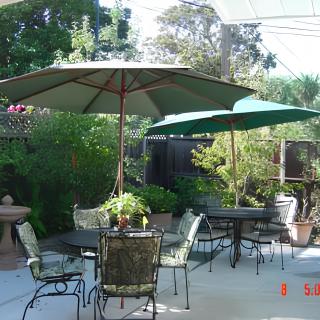
Sunny Orchard Place
$1,995 to $3,700 / month4.9 miles away -
from +$222 / mo

The Forum At Rancho San Antonio
$2,222 / month5.3 miles away -
About the same

Heritage Hills
$2,000 to $3,800 / month21.5 miles away -
from +$295 / mo

Westmont of Milpitas
$2,295 to $6,395 / month10.9 miles away -
from +$200 / mo

Elisa Home Care
$2,200 to $2,800 / month15.9 miles away
Overall Review of Alvin Place Care Home
Cons
 The smoker is not suitable for the user's needs.
- The kitchen requires aggressive cleaning.
Review
Alvin Place Care Home in Mountain View is best suited for families seeking a small, home-like care setting where staff interaction with residents is intimate and responsive. This is the kind of environment that can work well for someone who values personal attention, predictable routines, and a less institutional feel. However, it is not the ideal match for anyone who requires a strict, smoke-free environment or who needs consistently pristine kitchen and dining areas to meet health or allergy concerns.
Those considering alternatives should focus on two core non-negotiables: environmental cleanliness and odor control. If a smoke-free atmosphere is essential, or if rigorous kitchen hygiene and frequent deep-cleaning are mandatory, this facility warrants a cautious comparison against other options. Families whose priority is documented, high-standard food service and spotless communal spaces will likely find better alignment elsewhere, as the available feedback points to clear gaps in these areas.
The limited positives that may be inferred from a small, intimate setting do not meaningfully offset the principal drawbacks highlighted by reviewers. A homelike, low-traffic environment can foster closer caregiver-resident relationships and easier supervision, yet none of these potential benefits materialize into concrete assurances here due to the persistent concerns about smoking presence and the need for aggressive kitchen cleaning. In practical terms, the benefit of a personal touch is swamped by the risk that odors, crumbs, or residue in the kitchen and dining spaces will persist without consistent, transparent housekeeping protocols.
Families evaluating Alvin Place should enter with a structured checklist and a plan to verify critical controls. During visits, request a tour of the kitchen and dining areas, observe staff and resident interactions during mealtimes, and directly inquire about smoking policies, designated smoking areas, and any odor-control practices. Probe the housekeeping schedule, cleaning standards, and last time the kitchen underwent a deep clean. Ask about incident history, routine sanitation audits, and whether residents or families can review recent inspection reports. Inquire about safety features, medication management, and staff qualifications to ensure that responsive care accompanies any environment concerns.
From a decision-making standpoint, the key question is whether the perceived warmth and personalized care of a small home outweigh the risks associated with smoke exposure and inconsistent kitchen cleanliness. If smoke sensitivity, respiratory health, or a high standard of hygiene is non-negotiable, this community should be excluded in favor of facilities with documented smoke-free policies and consistently spotless food-service areas. For families willing to tolerate a more relaxed environment temporarily, with a concrete plan to tighten housekeeping and odor controls, Alvin Place may still be worth a closer look, but only after a thorough, on-site demonstration of how cleanliness, odor mitigation, and smoking-related controls are actually implemented.
In the end, Alvin Place Care Home presents a narrow, advisory verdict: it can serve a specific subset of residents seeking a smaller, caregiver-rich setting, provided that the household environment aligns with strict odor and cleanliness expectations. For anyone whose decision hinges on a consistently pristine kitchen, a truly smoke-free profile, and verifiable housekeeping standards, the prudent path is to compare this option against alternatives that promise tighter controls in those domains. The right decision hinges on clear demonstrations of cleanliness protocols and a policy framework that eliminates smoke-related concerns while preserving the intimate, attentive atmosphere that small-board-and-care homes aim to provide.
 Board and Care Home
 Memory Care
 Cats allowed
 Dogs allowed
 Private
 San Jose International (10 miles away)
 Strong access to nearby amenities and healthcare.






 Are Dementia and Alzheimer's Disease Lethal? A Comprehensive Exploration
 Exploring the Power of Reminiscence Therapy for Individuals With Dementia
 An In-Depth Look at Reminiscence Therapy in Dementia Care