
3501 Cedar Avenue, Long Beach, CA 90807
For more information about senior living options: (866) 208-4318
Overall Review of Pacific Villa
Pros
 The nurses take good care of patients.
- Vangie is an excellent DON.
- The facility is clean.
- The food is good.
- The staff are friendly, and JoAnn, Mia, and Erica are terrific.
- The place is nice and has good receptions.
Cons
 The SNFs are worse than the dog pound and should be shut down.
- The facility is unprofessional, treats patients with no respect, neglects their needs, and the staff are rude; they care more about money than people.
- They file false statements in patients’ charts to block access at other nursing homes.
- Two staff members interrupted residents to argue, and voicemail systems are often disconnected with no callbacks.
- The Director of Nursing rarely returns calls; concerns about medications are ignored for months.
- They restrict family visits and show a lack of empathy, especially around holidays and medical tests.
- Money and personal belongings are frequently missing, and staff may lie to keep themselves in a favorable light.
Review
Pacific Villa in Long Beach is best suited for families that can actively supervise care and are comfortable operating with a lean administration backbone, a clean physical environment, and pockets of attentive staff. The ideal resident is relatively independent or has strong family involvement to coordinate daily routines, med administration, and care planning. This community can work financially for those prioritizing affordability, but it is not the right fit for families needing consistently reliable communication, rigorous oversight, and flawless safety practices. Alternatives should be strongly considered for anyone whose top criteria are steady responsiveness and dependable medication management.
Communication appears to be the facility’s most persistent weakness. Multiple accounts describe unreturned calls to social workers and the administrator, with one note highlighting a single social worker serving roughly 99 beds. Families confront delayed or non-existent updates on transfers, medical changes, and everyday concerns, which undermines trust and makes proactive care planning difficult. In a setting where timely information drives decisions, this chronic disconnect leaves relatives feeling excluded and unsure about their loved one’s day-to-day status.
Care quality shows a fragmented picture. On balance, some nurses and a DON receive praise for genuine warmth and competence, and a few shifts convey a friendly, collaborative spirit. Yet these strengths are overshadowed by recurrent reports of neglect, disrespect, and potentially dangerous lapses, such as medication compatibility oversights and disputed chart entries. The sense that personal belongings vanish and that deceptive documentation can be used to present a better image compounds the risk. When care staff are uneven and the administrative apparatus is slow to respond, patient safety and trust become precarious matters for families.
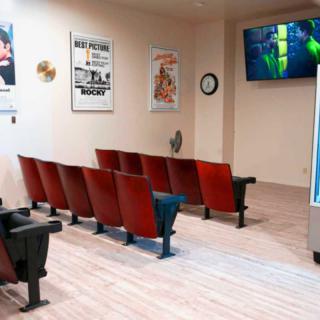
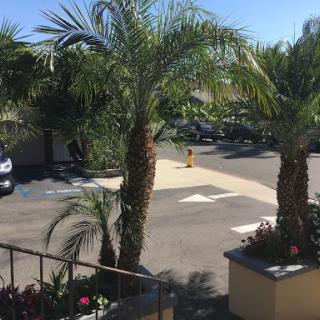
The environment and resident life offer some redeeming attributes. The facility is described as clean, and there are mentions of reasonable food and engaging activities like daily games and chair exercises. However, the day-to-day experience is tempered by restrictions and practical irritants: smoking is permitted on the patio, there is little to no guest Wi-Fi, and vending options are ubiquitous but not always aligned with resident needs. Small comforts, like salted eggs at breakfast, adequate private space, or predictable noise control, vary, and residents may need to compensate by bringing personal supplies or earplugs to improve comfort and sense of normalcy.
For families comparison-shopping Pacific Villa, a disciplined due-diligence checklist is essential. Key questions should address current staffing ratios by shift, the process for reporting and resolving medication issues, and the timeliness of responses to family inquiries. Request access to incident logs, complaint resolution histories, and a straightforward path to escalate concerns to administrators. Observe interactions across different staff members and shifts to gauge consistency in tone and attentiveness. Also verify whether chart corrections are promptly implemented and whether any prior false entries have been permanently addressed. If oversight and transparency are non-negotiable, alternatives with stronger governance and more robust family communication are worth pursuing, even if they carry a higher price tag.
In the end, Pacific Villa functions best for families able to supplement care with vigilant, ongoing advocacy. It is not the place for those who demand unwavering reliability in communication, zero tolerance for medication or chart errors, or rigorous day-to-day supervision. The decisive factor is whether the family can tolerate systemic gaps while leveraging the positives, the clean setting, occasional compassionate staff, and some engaging activities, against the real risk of inconsistent care and communication. For many, exploring other options with proven track records in safety, responsiveness, and coordinated caregiving will yield a more predictable and reassuring trajectory for a loved one's later years.
 99 resident community capacity
 Skilled Nursing Facility
 Air-conditioning
 Beauty salon
 Cable or satellite TV
 Computer center
 Dining room
 Fitness room
 Fully furnished
 Gaming room
 Garden
 Housekeeping services
 Kitchenette
 Move-in coordination
 Outdoor space
 Private bathrooms
 Restaurant-style dining
 Small library
 Telephone
 Wellness center
 Wi-Fi/high-speed internet available
 Long Beach (Daugherty) (3 miles away)
 Community operated transportation
 12-16 hour nursing
 24-hour call system
 Activities of daily living assistance
 Assistance with bathing
 Assistance with dressing
 Assistance with transfers
 Diabetes diet
 Medication management
 Mental wellness program
 Special dietary restrictions
 Concierge services
 Planned day trips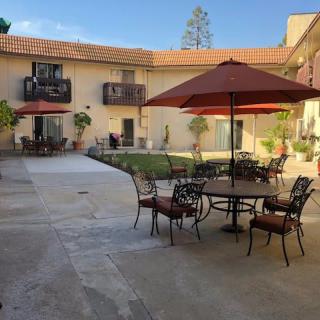



 Navigating the Tax Landscape of Caregiving: Credits, Deductions, and Beyond
 Highly Beneficial Low-Impact Exercises for Senior Living Residents
 Is In-Home Healthcare Tax Deductible? Your Comprehensive Guide