Glenoaks Convalescent Hospital

Save

  • Outdoors

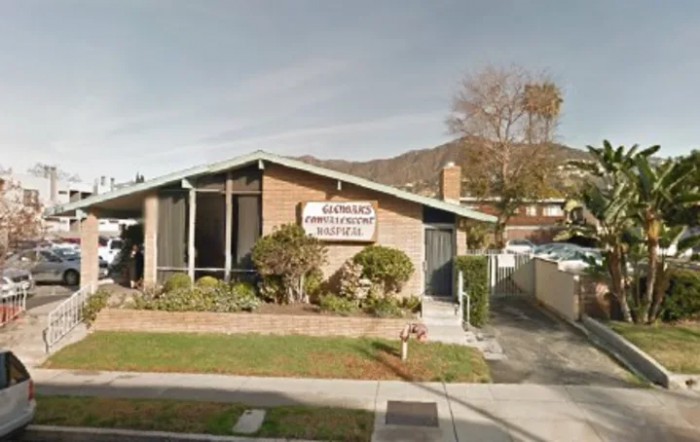
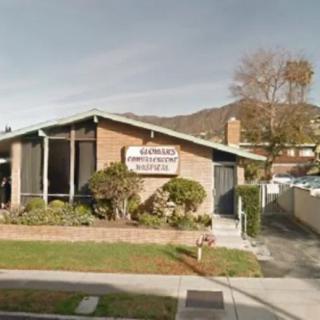
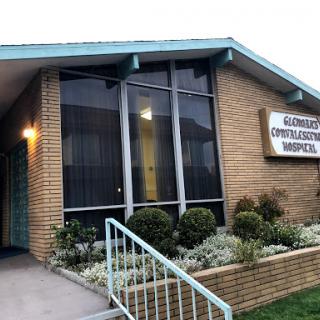
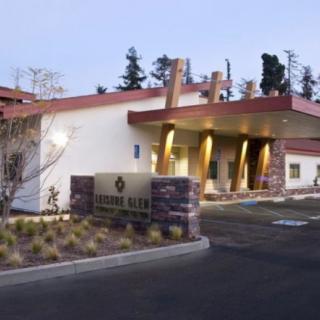
    A medical clinic building located in a suburban area with a mountainous backdrop.
  • Building

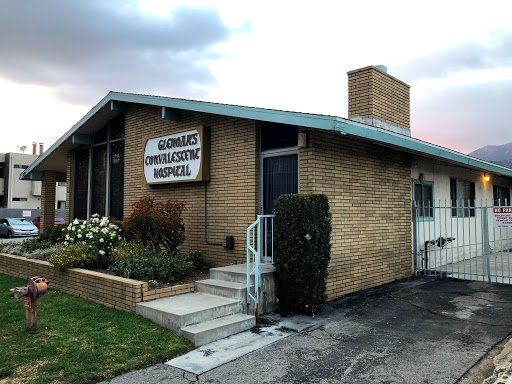
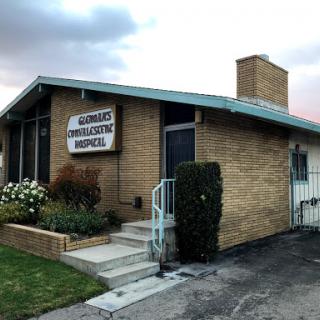
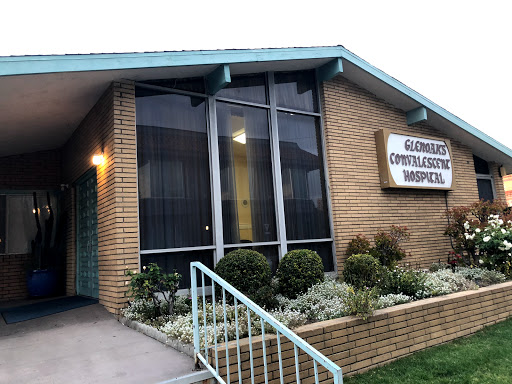
    A cozy brick building with a clear sign, showcasing a welcoming entrance and well-maintained landscaping.
  • Landscaping

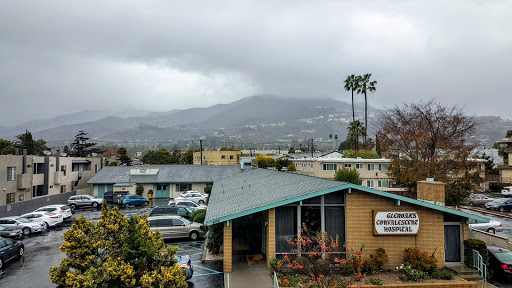
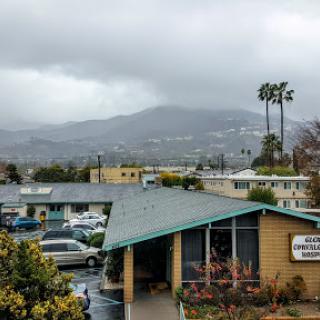
    A scenic view of mountains under a cloudy sky, with urban buildings in the foreground.
  • Entrance

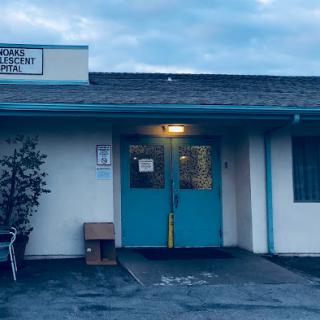
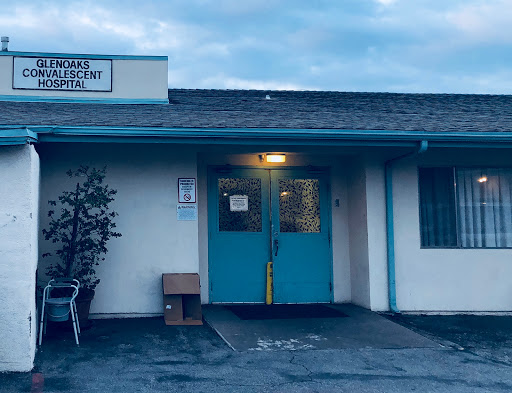
    An evening view of a commercial building with teal doors and a welcoming entrance.
  • Exterior

    A community hospital with a welcoming entrance and well-maintained landscaping.
  • Palm Trees

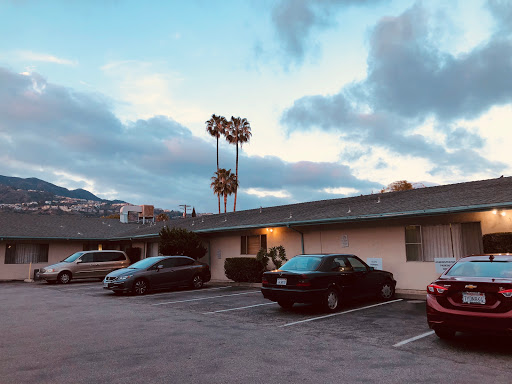
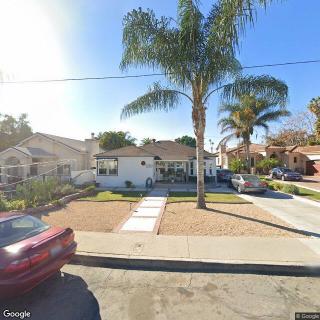
    A serene evening at a quaint motel, highlighted by palm trees against the backdrop of a cloudy sky.
  • Urban

    A quiet evening at a motel parking lot with palm trees under a cloudy sky.

Glenoaks Convalescent Hospital in Glendale, CA

409 West Glenoaks Boulevard, Glendale, CA 91202

For more information about senior living options: (844) 490-3973

4.6 from 49 reviews
5 stars
42
4 stars
2
3 stars
1
2 stars
1
1 stars
3

Skilled Nursing Facility

Overall Review of Glenoaks Convalescent Hospital

Pros

  • pro The staff are friendly and attentive to residents' needs.
  • pro They make residents feel comfortable, cared for, and are patient and kind in every interaction.
  • pro The facility is clean, welcoming, and has a warm atmosphere.
  • pro They keep families updated and promptly address questions or concerns.
  • pro Families have peace of mind knowing their loved ones are in a safe environment with people who truly care.
  • pro The team is compassionate and professional.
  • pro The staff are attentive, caring, knowledgeable, and helpful.
  • pro The facility maintains high standards of care and service, including excellent cleaning.
  • pro The staff consistently inform and reassure families, answering questions and following up.
  • pro The environment is friendly, respectful, supportive, and feels like a family.
  • pro The facility demonstrates strong precautionary measures for workers and visitors.
  • pro The staff are dedicated and go the extra mile to support residents.

Cons

  • pro Terrible and careless.
  • pro The rooms are crowded, with three to a room.
  • pro The CNAs are always changing/coming and going, causing little continuity of care for patients.
  • pro The place was better before the longtime owner sold it last summer to corporate management; everything has gone downhill since then.
  • pro Some of the staff are unprofessional and rude.
  • pro Doctors only come once a month; there is no physical therapist, no social worker, no discharge planner, no registered nurse, and no nutritionist.
  • pro Inspectors were rude and very disrespectful, though the staff seemed to accommodate them.
  • pro It is a challenge to get through the staff.

Review

Glenoaks Convalescent Hospital in Glendale is best suited for families seeking a warm, resident-centered environment where daily care feels personal and rehab-focused. The community works well for seniors who respond to hands-on help, frequent check-ins, and a culture of kindness. The strongest draws are attentive, compassionate staff; a clean, welcoming setting that feels humane rather than clinical; and a clear emphasis on family communication. For families prioritizing a true sense of belonging, visible empathy from nurses and aides, and therapeutically guided progress, this facility often delivers meaningful peace of mind.

Those who require unwavering medical oversight and consistent clinical staffing may want to explore alternatives. Several reviews flag gaps in physician presence (doctor visits about once a month) and limited access to a full-time RN, social worker, or discharge planner. Crowded rooms and ongoing staffing turnover also emerge as concerns that can complicate continuity of care, especially for residents with complex needs who rely on stable daily routines and predictable responses from caregivers. In short, this is a setting where daily care shines, but clinical oversight can feel uneven.

On the plus side, the most compelling advantages are the staff's warmth, responsiveness, and the potential for real rehab progress. Families repeatedly highlight caregivers who answer questions promptly, keep families updated, and coordinate therapy and activities that keep residents engaged. Cleanliness and a home-like, non-clinical atmosphere matter deeply to visitors. When rehab timelines click - a resident regaining mobility through physical therapy, or improvements in meals following input from a nutritionist - the benefits are tangible and often life-changing. These strengths create trust and momentum that can offset some operational imperfections.

The drawbacks are not trivial. The crowding of rooms (three residents per space) can feel cramped and reduce privacy. Staff continuity is inconsistent as CNAs rotate, which undermines the ability to build a steady caregiving relationship. A subset of reviews describes a shift in quality following ownership changes to corporate management, suggesting that organizational changes may affect day-to-day service. Administrative responsiveness can also lag, with insurance questions or admissions details not being answered promptly. And the sense that the medical team's on-site presence is less robust than ideal - due to limited in-house specialists and monthly physician rounds - poses real considerations for families balancing safety, coordination, and medical needs.

Environment and operations show signs of investment and care beyond the clinical realm. Renovations are underway, and the campus is frequently described as clean and welcoming. Activity staff and programming help residents stay socially engaged, which matters greatly for mood and morale. Specific staff members - administrators who facilitate transitions, nurses who coordinate with doctors, and activity leaders who enable FaceTime with families - are repeatedly cited as standout positives when a resident's goals align with available services. The overall climate of communication and compassion can cushion occasional staffing gaps, reinforcing a sense of community even amid operational limits.

For families evaluating Glenoaks, the decision rests on a concrete balance: prioritize a compassionate, rehab-oriented environment with open family communication, and be comfortable with variable medical oversight and room configurations; or seek a setting with broader clinical coverage, more private rooms, and steadier staffing. Prospective residents should verify current physician visitation frequency, confirm the availability of a dedicated RN, social worker, and discharge planner, and tour the facility to assess room layouts, privacy, and noise levels. If those elements align with expectations, Glenoaks can deliver meaningful progress and a comforting, almost familial atmosphere. If they do not, alternatives with stronger medical staffing and more private accommodations may be more appropriate for long-term peace of mind.

Features

Housing

  • 99 resident community capacity 99 resident community capacity

Types of Care

  • Skilled Nursing Facility Skilled Nursing FacilitySkilled Nursing Facilities are crucial for seniors as they provide round-the-clock medical care, rehabilitation services, and assistance with daily activities. These facilities ensure that seniors receive the specialized care they need to maintain their health and well-being as they age.

Amenities

  • Air-conditioning Air-conditioningAir conditioning is important for seniors as they are more vulnerable to heat-related illnesses and may have underlying health conditions that make it difficult for them to regulate their body temperature. It helps to keep them comfortable, safe, and healthy in hot weather.
  • Beauty salon Beauty salonBeauty salons are important for seniors because they provide a space for them to feel pampered, socialize, and maintain their personal grooming and hygiene. Regular visits to a beauty salon can help boost seniors' self-esteem and overall well-being.
  • Cable or satellite TV Cable or satellite TVCable or satellite TV is important for seniors because it provides entertainment, news, and companionship, helping to combat loneliness and boredom. It also offers a wide range of programming options tailored to different interests and preferences.
  • Computer center Computer centerA computer center is essential for seniors as it provides access to technology, communication tools, and resources that can enhance their daily lives. It allows them to stay connected with loved ones, engage in online activities, and learn new skills, ultimately promoting socialization and mental stimulation.
  • Dining room Dining roomDining rooms are important for seniors as they provide a space for socialization, connection, and nutritious meals. They offer opportunities for residents to bond over shared meals, foster a sense of community, and promote healthy eating habits. Dining rooms also ensure that seniors have access to well-balanced meals tailored to their dietary needs and preferences.
  • Fitness room Fitness roomHaving a fitness room in a senior living community is essential for seniors to stay active, maintain their physical health, and improve their overall well-being. Regular exercise can help prevent falls, reduce the risk of chronic diseases, and promote mental sharpness. It also provides social opportunities for residents to connect with others and enjoy a sense of community.
  • Fully furnished Fully furnishedFully furnished senior living communities are important for seniors because they provide convenience, comfort, and a hassle-free moving experience. Seniors can easily settle into their new living space without the stress of having to buy and move furniture. This allows them to focus on enjoying their new home and community.
  • Gaming room Gaming roomGaming rooms are important for seniors as they provide a fun and engaging environment for socializing, cognitive stimulation, and physical activity. Games can improve memory, problem-solving skills, and overall mental well-being while fostering friendships and reducing feelings of isolation.
  • Garden GardenGardens are important for seniors as they provide a peaceful and therapeutic environment for relaxation, physical activity, and socialization. Being in nature has been shown to reduce stress, improve mood, and promote overall well-being. Gardens also offer opportunities for seniors to engage in gardening activities, which can improve mobility, flexibility, and cognitive function. Additionally, gardens create a sense of community and connection with others who share a passion for plants and outdoor spaces.
  • Housekeeping services Housekeeping servicesHousekeeping services are important for seniors because they help maintain a clean and safe living environment, promote independence, and reduce the risk of accidents or illnesses. Additionally, having assistance with household chores can alleviate physical strain and allow seniors to focus on other aspects of their well-being.
  • Kitchenette KitchenetteKitchenettes are important for seniors living in senior living communities because they provide the convenience and independence of being able to prepare simple meals and snacks in the comfort of their own living space. This can help promote a sense of autonomy and well-being for seniors, allowing them to maintain some level of control over their dietary choices and daily routines.
  • Move-in coordination Move-in coordinationMove-in coordination is important for seniors because it helps ease the transition into their new living environment. It ensures that all logistics, such as packing, organizing movers, and setting up utilities are taken care of, allowing seniors to focus on settling in and adjusting to their new home. Having a smooth move-in process can alleviate stress and anxiety, making the transition smoother and more enjoyable for seniors.
  • Outdoor space Outdoor spaceOutdoor spaces are important for seniors as they provide opportunities for physical activity, social interaction, exposure to natural light and fresh air, and a sense of connection to nature. Having access to outdoor spaces can improve overall well-being and quality of life for older adults living in senior communities.
  • Private bathrooms Private bathroomsPrivate bathrooms are important for seniors in senior living communities because they provide independence, dignity, and comfort. Having a private bathroom allows seniors to maintain their personal hygiene routines without the need for assistance, promoting a sense of autonomy and privacy. Additionally, private bathrooms help prevent the spread of infections and provide a safe and clean environment for seniors to navigate safely.
  • Resident parking Resident parkingResident parking is crucial for seniors in a senior living community as it provides convenience, accessibility, and safety for residents who may have limited mobility or rely on personal vehicles for transportation. Having designated parking spaces ensures that seniors can easily access their homes without having to walk long distances or navigate crowded parking lots, ultimately enhancing their overall quality of life and sense of independence.
  • Restaurant-style dining Restaurant-style diningRestaurant-style dining is important for seniors because it allows them to enjoy delicious, nutritious meals in a social and upscale setting. This enhances their dining experience, promotes healthy eating habits, and fosters socialization with fellow residents, ultimately contributing to their overall well-being and quality of life.
  • Security gate Security gateSecurity gates provide an added layer of protection and peace of mind for seniors living in a community. They help prevent unauthorized entry, deter potential intruders, and create a sense of security for residents. This extra security measure can make seniors feel safe and secure in their living environment.
  • Small library Small librarySmall libraries are important for seniors as they provide access to a variety of reading materials, including books, newspapers, and magazines. This can help stimulate their minds, keep them engaged, and provide a sense of community through book clubs and other social activities. Additionally, reading has been shown to improve cognitive function and overall mental well-being in older adults.
  • Telephone TelephoneTelephones are important for seniors as they provide a lifeline for communication with loved ones, emergency services, and healthcare providers. They offer a sense of security and independence, enabling seniors to stay connected and access assistance when needed.
  • Wellness center Wellness centerWellness centers are important for seniors because they offer a variety of programs and services that promote physical, mental, and emotional well-being. These centers provide opportunities for exercise, socialization, education, and relaxation, helping seniors maintain their overall health and quality of life.
  • Wi-Fi/high-speed internet available Wi-Fi/high-speed internet availableWi-Fi/high-speed internet is important for seniors to stay connected with loved ones, access online resources, and participate in virtual activities to combat feelings of loneliness and isolation. It also allows them to easily manage healthcare needs, access entertainment, and engage in lifelong learning opportunities.

Transportation

  • Burbank-Glendale-Pasadena (6 miles away) Burbank-Glendale-Pasadena (6 miles away)
  • Los Angeles International (17 miles away) Los Angeles International (17 miles away)
  • Long Beach (Daugherty) (25 miles away) Long Beach (Daugherty) (25 miles away)
  • Community operated transportation Community operated transportationCommunity operated transportation is crucial for seniors as it provides them with the means to access essential services, social activities, and medical appointments. It allows seniors to maintain their independence and quality of life by ensuring they can participate in activities outside of their homes. Additionally, community-operated transportation services offer a safe and reliable way for seniors to travel without having to rely on family or friends for assistance.
  • Transportation arrangement Transportation arrangementTransportation arrangements are crucial for seniors as they may face challenges with driving, mobility, or access to public transportation. Having reliable transportation services ensures that seniors can easily attend appointments, social activities, and maintain their independence and quality of life.
  • Transportation arrangement (non-medical) Transportation arrangement (non-medical)Transportation arrangements are essential for seniors as they provide access to essential services, activities, and social interactions outside the home. This service helps maintain independence, mobility, and overall well-being for seniors who may have limited transportation options.
  • Transportation to doctors appointments Transportation to doctors appointmentsTransportation to doctors appointments is crucial for seniors as it ensures they have access to necessary medical care and support, promoting their health and well-being. It allows them to receive timely treatment, monitor existing conditions, and address any new health concerns efficiently. Additionally, transportation services can help seniors maintain their independence and quality of life by enabling them to stay connected with their healthcare providers.

Care Services

  • 12-16 hour nursing 12-16 hour nursing12-16 hour nursing care is crucial for seniors in order to ensure around-the-clock monitoring, timely medication administration, and prompt response to any health concerns or emergencies. This level of care helps to promote the overall well-being and safety of seniors living in senior living communities.
  • 24-hour call system 24-hour call system24-hour call systems are important for seniors because they provide peace of mind and immediate assistance in case of emergencies. This technology ensures that help is always available, promoting safety and security for elderly individuals living alone or in assisted living facilities.
  • 24-hour supervision 24-hour supervision24-hour supervision is important for seniors to ensure their safety, well-being, and access to immediate assistance in case of emergencies or health issues. This constant support provides peace of mind for both seniors and their loved ones, allowing them to age in place with dignity and security.
  • Activities of daily living assistance Activities of daily living assistanceActivities of daily living assistance are important for seniors because they provide essential support with tasks such as eating, bathing, dressing, and mobility. This assistance helps seniors maintain their independence, dignity, and overall quality of life as they age.
  • Assistance with bathing Assistance with bathingAssistance with bathing is crucial for seniors as it helps maintain personal hygiene, prevents infections, and ensures their overall well-being and comfort. It also provides a sense of dignity and independence for seniors who may struggle with this task on their own.
  • Assistance with dressing Assistance with dressingAssistance with dressing is important for seniors because it helps maintain their independence, promotes personal hygiene, prevents accidents and injuries, and improves overall quality of life. This service ensures that seniors can continue to dress comfortably and confidently, despite any physical limitations they may have.
  • Assistance with transfers Assistance with transfersAssistance with transfers is crucial for seniors as it helps prevent falls and injuries, maintains their independence, and ensures they can safely navigate their living environment. It also provides peace of mind for both seniors and their loved ones.
  • Diabetes diet Diabetes dietA diabetes diet is crucial for seniors as it helps manage blood sugar levels, reduce risks of complications, and improve overall health and well-being. By following a balanced and nutritious diet tailored to their specific needs, seniors can better control their diabetes and enhance their quality of life.
  • Meal preparation and service Meal preparation and serviceMeal preparation and service are crucial for seniors as they may have limited mobility or energy to cook nutritious meals. Having access to healthy and convenient food options can ensure they are getting the proper nutrition needed to maintain their overall health and well-being.
  • Medication management Medication managementMedication management is crucial for seniors to ensure they are taking the right medications at the correct dosages and times. This helps prevent adverse drug interactions, reduces the risk of medication errors, and promotes overall health and well-being. Proactive management also allows for adjustments as needed based on changing health conditions or new prescriptions.
  • Mental wellness program Mental wellness programMental wellness programs are essential for seniors as they promote cognitive stimulation, emotional support, and social engagement. These programs help prevent isolation, depression, and cognitive decline, ultimately enhancing the overall quality of life for older adults.
  • Special dietary restrictions Special dietary restrictionsSpecial dietary restrictions are important for seniors because age-related changes in metabolism and health conditions can make it difficult for their bodies to process certain foods. By following a diet tailored to their specific needs, seniors can maintain their overall health and well-being, manage chronic conditions, and reduce the risk of complications such as malnutrition or food interactions with medications.

Dining

  • Diabetes diet Diabetes dietA diabetes diet is crucial for seniors as it helps manage blood sugar levels, reduce risks of complications, and improve overall health and well-being. By following a balanced and nutritious diet tailored to their specific needs, seniors can better control their diabetes and enhance their quality of life.
  • Special dietary restrictions Special dietary restrictionsSpecial dietary restrictions are important for seniors because age-related changes in metabolism and health conditions can make it difficult for their bodies to process certain foods. By following a diet tailored to their specific needs, seniors can maintain their overall health and well-being, manage chronic conditions, and reduce the risk of complications such as malnutrition or food interactions with medications.

Activities

  • Community-sponsored activities Community-sponsored activitiesCommunity-sponsored activities are important for seniors as they provide opportunities for social interaction, mental stimulation, and physical activity. These activities can help improve overall well-being, combat loneliness and isolation, and promote a sense of belonging and purpose among older adults.
  • Concierge services Concierge servicesConcierge services are essential for seniors as they provide assistance with daily tasks and errands, enhance their quality of life by offering convenience and personalized care, and promote a sense of safety and security.
  • Fitness programs Fitness programsFitness programs are crucial for seniors as they help improve strength, flexibility, balance, and overall well-being. Staying active can reduce the risk of chronic diseases, improve mental health, and enhance quality of life in older adults.
  • Planned day trips Planned day tripsPlanned day trips are important for seniors because they offer opportunities for socialization, mental stimulation, and physical activity. They provide a change of scenery and help seniors stay engaged and connected to their community, promoting overall well-being and quality of life.
  • Resident-run activities Resident-run activitiesResident-run activities are important for seniors as they encourage social interaction, creativity, and a sense of autonomy. These activities empower seniors to stay engaged and active in their community while fostering meaningful connections with their peers.
  • Scheduled daily activities Scheduled daily activitiesScheduled daily activities are important for seniors because they provide structure, socialization, mental stimulation, and physical activity. Engaging in regular activities can improve overall well-being and quality of life for seniors living in a community setting.

Languages Spoken

  • English EnglishEnglish is important for seniors as it allows them to communicate effectively with healthcare providers, understand important information related to their health and medications, stay connected with loved ones, and engage in social activities within their communities. It also opens up opportunities for lifelong learning and intellectual stimulation.
  • Farsi FarsiFarsi resources are important for seniors as they cater to the needs of Persian-speaking individuals, providing vital information on senior living options, healthcare services, and community events in their native language. This helps ensure that seniors feel comfortable and supported as they navigate through their aging journey.
  • Spanish SpanishSpanish is an important language for seniors because it allows them to communicate effectively with caregivers, medical professionals, and others in their community who may speak Spanish as their primary language. It also provides opportunities for cultural enrichment and social connections.
  • Tagalog TagalogTagalog language services are important for seniors as they provide a sense of connection and comfort for those who speak the language. This can help them feel more at ease and engaged in their community, improving their overall well-being and quality of life.

Description

Glenoaks Convalescent Hospital in Glendale, CA offers a range of amenities and care services to provide a comfortable and convenient living experience for its residents. The community features a beauty salon, where residents can get pampered and feel their best. Cable or satellite TV is available in each room for entertainment purposes, and community-operated transportation is provided for easy access to nearby locations.

A computer center is available for residents to stay connected and engaged with technology. The dining room offers restaurant-style dining, where delicious meals are served. Residents also have the option of cooking their own meals in the fully furnished kitchenette provided in each room.

For leisure activities, Glenoaks Convalescent Hospital has a fitness room and gaming room to keep residents active and entertained. Outdoor spaces such as gardens are available for residents to enjoy fresh air and nature. A small library is also present for those who love reading.

Residents' safety and security are prioritized with features like security gates and resident parking. Housekeeping services ensure that their living spaces remain clean and tidy. Telephone service is provided along with Wi-Fi/high-speed internet access so that residents can stay connected with loved ones.

The care services at this assisted living community include 24-hour call systems for emergencies, 24-hour supervision, assistance with daily activities such as bathing, dressing, transfers, medication management, diabetes diet management, meal preparation and service. Additionally, there is a mental wellness program available to support residents' emotional well-being.

Special dietary restrictions are accommodated by the dining staff. Transportation arrangements can be made both for non-medical purposes as well as transportations to doctors' appointments. A wellness center is offered onsite where residents can focus on maintaining their overall health.

In terms of nearby amenities, Glenoaks Convalescent Hospital benefits from its location in Glendale with numerous cafes, parks, pharmacies, restaurants, theaters, and hospitals within close proximity. The community also offers concierge services, fitness programs, planned day trips, resident-run activities, and scheduled daily activities to keep residents engaged and socially active.

The staff members are multilingual and can communicate in Farsi, Spanish, and Tagalog, ensuring effective communication with residents of diverse backgrounds. Overall, Glenoaks Convalescent Hospital provides a comfortable and supportive environment for seniors in need of assisted living services.

Nearby Places of Interest

Pharmacies

  • Rite Aid (0.3 miles)
  • Walgreens (0.4 miles)
  • CVS Pharmacy (0.9 miles)
  • CVS Pharmacy (2.3 miles)
  • Walgreens (2.3 miles)
  • CVS Pharmacy (2.4 miles)
  • CVS Pharmacy (2.5 miles)

Restaurants

  • Porto's Bakery & Cafe (0.8 miles)
  • In-N-Out Burger (1.1 miles)
  • Din Tai Fung (1.3 miles)
  • McDonald's (1.9 miles)
  • In-N-Out Burger (2.1 miles)
  • In-N-Out Burger (3.5 miles)
  • McDonald's (3.5 miles)

Theaters

  • AMC The Americana at Brand 18 (1.2 miles)
  • AMC Burbank 16 (3.2 miles)
  • Universal Cinema AMC at CityWalk Hollywood (5.4 miles)
  • TCL Chinese Theatre (6.1 miles)

Hospitals

  • Glendale Adventist Medical Center (1.9 miles)
  • Medical 2 unit (2 miles)
  • Providence St Joseph Medical Center (3.8 miles)
  • Huntington Memorial Hospital Nicu (6.5 miles)

Cafes

  • Starbucks (2.5 miles)
  • Proof Bakery (3 miles)
  • Starbucks (3.5 miles)
  • Starbucks (3.9 miles)
  • Starbucks (4.6 miles)
  • Starbucks (4.9 miles)
  • Lamill Coffee Boutique (5 miles)

Parks

  • Glassell Park Recreation Center (3.5 miles)
  • Cleland Ave Bicentennial Park (4.3 miles)
  • Lake Hollywood Reservoir (4.3 miles)
  • Lake Hollywood Park (4.3 miles)
  • Hahamongna Watershed Park (5.3 miles)
  • Hollywood Bowl Overlook (5.5 miles)
  • Elysian Park (5.6 miles)

Transportation

  • Terminal A (5.7 miles)
  • Hollywood Burbank Airport (BUR) (5.8 miles)
  • Baggage Claim (5.8 miles)
  • Burbank Airport Ride Share Pick Up (5.8 miles)
  • Universal City Metro Station (5.9 miles)
  • North Hollywood Metro Station (6.6 miles)

Frequently Asked Questions

Where is Glenoaks Convalescent Hospital?
What photos are available for Glenoaks Convalescent Hospital in Glendale, California?

Nearby Communities

  • Kind Companions

    Kind Companions

    Glendale, CA


    pro Nearby amenities and a vibrant, inclusive community.

  • Kind Companions Home Care

    Kind Companions Home Care

    Glendale, CA


    pro Small, intimate board-and-care with personalized attention and comprehensive care (ADLs, medication management, diabetes-friendly meals) in a homelike setting.

  • Dryden Gardens

    Dryden Gardens

    Glendale, CA


    pro Intimate, small-community setting with comprehensive assisted living and memory care services.

  • Glen Terra Senior Assisted Living

    Glen Terra Senior Assisted Living

    Glendale, CA

    4.4 from 44 reviews
    $3,500 to $4,200 / month

    pro Friendly, attentive staff with engaging activities in a clean, welcoming setting.

  • Glen Terra Assisted Living

    Glen Terra Assisted Living

    Glendale, CA

    4.2 from 32 reviews
     

    pro Caring staff, spacious apartment-style living, upscale dining, and engaging activities.

  • Alta Vista Rcfe II

    Alta Vista Rcfe II

    Glendale, CA


    pro Comprehensive 24/7 care with ADL support and transportation.

  • Leisure Glen Post Acute Care Center

    Leisure Glen Post Acute Care Center

    Glendale, CA


    pro Extensive amenities (beauty salon, restaurant-style dining, fitness room) and 24-hour supervision with ADL assistance.

  • Belmont Village Burbank

    Belmont Village Burbank

    Burbank, CA

    4.8 from 137 reviews
    $5,250 to $8,125 / month

    pro Strong staff, engaging activities, and comprehensive on-site care and amenities.

  • Solheim Senior Community

    Solheim Senior Community

    Los Angeles, CA

    4.5 from 63 reviews
    $3,600 to $4,790 / month

    pro Caring staff, engaging activities, and a home-like environment.

Related Resources

  • caring for elderly parentsNurturing Our Elders: Linda's Journey of Supporting Her Mother

    Linda's caregiving journey for her elderly mother, Joan, is marked by deep love and challenges as she navigates health changes, emotional support, and practical arrangements while learning to prioritize self-care and utilize community resources. Their evolving relationship highlights resilience and the universal themes of empathy and preparedness in caregiver experiences.

  • obtaining power of attorney without consentA Comprehensive Exploration of Common Misunderstandings about Powers of Attorney

    The article clarifies common misconceptions about Powers of Attorney (POA), highlighting the necessity of the principal's consent, the limitations on an agent's authority, and the importance of mental capacity when signing. It also distinguishes between various types of POAs, addresses concerns about potential abuse, and emphasizes the need for legal consultation to ensure valid and up-to-date documents.

  • senior move managementSenior Move Management: Understanding the Role, Value, and Associated Costs
    Senior move management provides specialized support for older adults relocating by assisting with logistics, emotional challenges, and downsizing decisions to ensure a smooth transition to new living environments. These services address the unique needs of seniors and have become increasingly important as baby boomers retire and seek to downsize.