
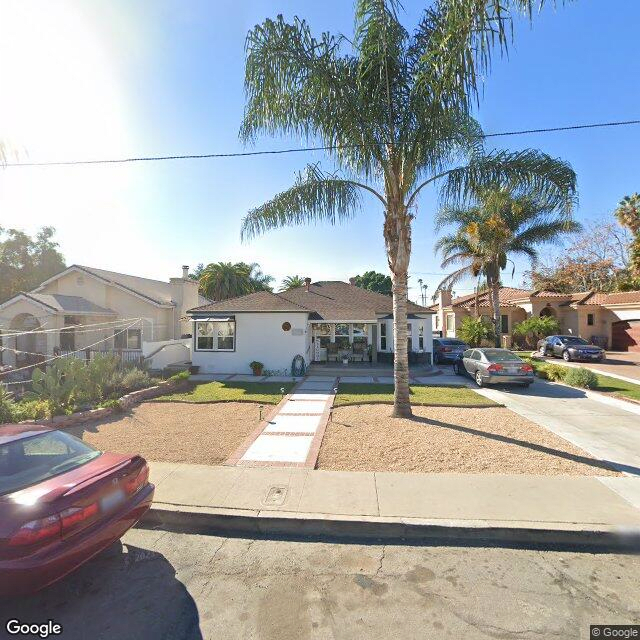
1225 Dorthy Dr, Glendale, CA 91202
To contact a resident: (323) 428-7980
For more information about senior living options: (866) 208-4318
Overall Review of Kind Companions
Pros
 Comforting Caregivers really came through when needed.
- The entire Comforting Caregivers team is fantastic—kind, responsive, and genuinely cares about their clients.
- Their care for a 97-year-old dad since June has made a huge difference in his quality of life.
- Jack was polite and efficient, helping secure a free in-home assessment the same day and starting services the next day.
- Veronica was caring and patient with the dad, who tends to be grumpy.
Cons
 The dad tends to be grumpy most of the time.
Review
Kind Companions in Glendale is best suited for families that want dependable, at-home support that lets a loved one stay in familiar surroundings without sacrificing responsiveness or warmth. The reviews portray a team that answers when needed, assigns caregivers who genuinely care, and keeps daily life moving with practical, compassionate help. For a senior recovering from surgery or aging in place with ongoing needs but a preference for home life over a facility, this model delivers steady quality, quick onboarding, and a clear emphasis on humane, person-centered care. It is a practical, hands-on arrangement that prioritizes continuity of daily routines and familiar surroundings.
Those who may want to consider alternatives include families needing around-the-clock supervision in a supervised setting, structured social programming, or more intensive medical oversight that a facility-based model can provide. If a loved one requires constant nursing support, regular rehabilitative services, or the social stimulation and safety net of a managed community, assisted living or memory care options should be on the radar. Pricing clarity and predictable scheduling also become more straightforward in a traditional facility, so households prioritizing those factors may find facility-based solutions preferable.
The strongest pros, the hallmark of the reviews, are responsiveness, warmth, and a demonstrated commitment to client well-being. Families describe a team that is kind, patient, and capable of adapting to difficult personalities while maintaining dignity and comfort for the elder. The ability to initiate services quickly, with same-day assessments and next-day starts, reduces the risk of gaps in care during a crisis and supports faster, smoother recoveries. The care partners themselves, individuals like Veronica, who manages challenging interactions with patience, and Jack, who handles initial contact with efficiency, embody a level of personal attention that translates into better adherence to care plans and less family stress.
Yet, the core cons of at-home care are real even when the service excels in responsiveness and compassion. There is no on-site 24/7 facility presence, so continuity depends on caregiver availability and scheduling, which can introduce potential gaps if a chosen caregiver is unavailable or if shifts rotate frequently. Service intensity and scope are typically aligned with home-based goals rather than medical hospital-grade oversight, which means families must remain proactive in planning for changes in needs, potential escalation, or transitions to a higher level of care. In short, this model shines for home life and day-to-day comfort, but it does not replace the safety net of a structured care community when medical or highly supervised support becomes essential.
The positive attributes offset these limitations through practical, concrete advantages. A small, engaged team enables quicker communication, easier care plan updates, and consistent alignment with the elder’s preferences and routines. The prompt intake and swift start eliminate weeks of delay and the anxiety that accompanies a post-acute period or a fresh diagnosis. The human touch, caregivers who are patient with grumpy moments, who celebrate small wins, and who communicate progress clearly, has tangible effects on sleep, appetite, mobility, and mood, which in turn reduces the burden on family caregivers. When a plan hinges on flexibility, this combination of speed, empathy, and practical know-how becomes the decisive factor.
For families mapping a decision, the takeaway is clear: Kind Companions in Glendale offers a compelling, home-centered option with a proven record of compassionate care and efficient onboarding. It is a particularly strong fit for those who want to preserve independence at home, benefit from a highly responsive team, and value the daily comfort that comes from reliable caregiver support. Alternatives should be seriously considered for households prioritizing round-the-clock nursing supervision, intensive medical management, or a more social, structured daily routine within a community setting. In weighing options, emphasis should be placed on caregiver consistency, the ability to scale services as needs change, and the overall alignment with the elder’s desired quality of life and the family’s capacity to manage ongoing care planning.
 Board and Care Home
 Burbank-Glendale-Pasadena (6 miles away)






 Understanding the Nuances of Palliative Care and Hospice: A Comprehensive Exploration
 Is In-Home Healthcare Tax Deductible? Your Comprehensive Guide
 Nurturing Well-Being Through Gardening: A Detailed Guide for Senior Enthusiasts