
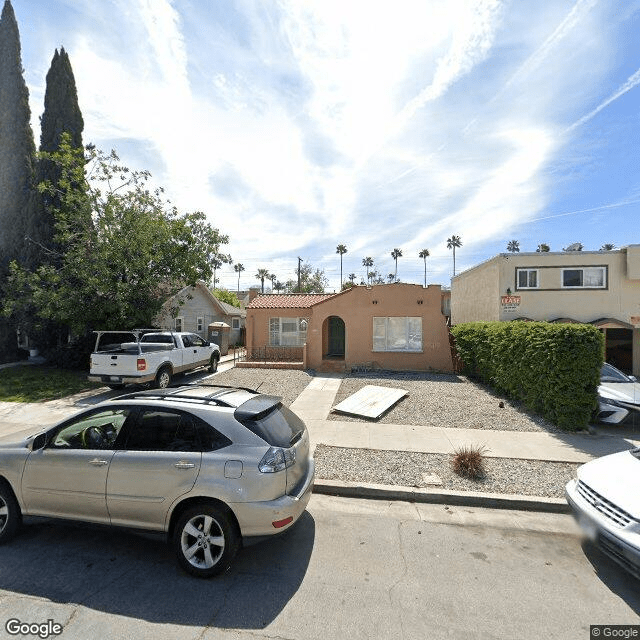
610 West Dryden Street, Glendale, CA 91202
For more information about senior living options: (866) 208-4318
Overall Review of Dryden Gardens
Pros
 Dryden Gardens is consistently clean and well-kept.
- The outdoor backyard area at Dryden Gardens provides a peaceful space for residents to sit outside.
- The caretakers at Dryden Gardens are amazing, attuned to residents' needs, and feel like family.
- Dryden Gardens feels more like a home than an old folks home, with residents eating together at a regular dinner table.
- The staff at Dryden Gardens are compassionate, lovely, and dedicated to keeping residents safe, secure, and comfortable.
- They manage residents' daily needs, medications, and health updates while keeping families informed.
- Dryden Gardens helps families stay connected through photos, video calls, and other updates.
Cons
 They were constantly disappointed with many other homes before finding this one.
- They felt let down by several other facilities during their search before discovering this place.
Review
Dryden Gardens is best suited for families seeking a true home-like, small-community setting for an older adult who needs around-the-clock support, does not want an institutional atmosphere, and values a strong daily connection with caregivers and peers. This community shines for residents with complex needs, such as dementia or recent mobility challenges, where safety, comfort, and intimate interaction matter most. The house-like layout and shared meals foster a sense of belonging, while the emphasis on clean, well-maintained surroundings reinforces a calm, predictable routine. For families prioritizing a nurturing, family-style environment over a bustling campus, Dryden Gardens delivers results in a way that feels more like a private home than a traditional facility.
That said, there are clear reasons some families may want to consider alternatives. Those seeking a large-scale memory-care campus with a wide array of formal clinical services, on-site physicians, and abundant medical programming may find a bigger operation where specialized therapies and rapid escalation of care are more readily available. Similarly, residents who crave extensive structured activities, frequent off-site outings, or apartment-style independence with a broader array of amenities might prefer a more expansive setting. In short, if the priority is a high-energy, highly medicalized environment, Dryden Gardens’ intimate, home-forward model may feel too small.
The most compelling pros genuinely offset the potential gaps. The top strengths are the personable, attentive caregiving and the way the community operates like a welcoming home rather than a facility. Residents receive day-to-day support with bathing, hygiene, and medication monitoring, and staff members consistently project warmth and steadiness. The homey dining arrangement, residents eating together at a regular table with caretakers, creates a predictable, comforting daily rhythm that reduces anxiety and promotes dignity. A clean, accessible environment, plus a pleasant backyard for outdoor time, reinforces safety and well-being. Crucially, family communication is a standout feature: updates on health, photos, and even video sharing help distant relatives stay meaningfully connected and reassured about daily life and progress.
The practical upside of this model shows up in concrete, tangible ways. One review highlights an 88-year-old mother with advanced dementia receiving 24-hour care in a setting that prioritizes safety and comfort. Another emphasizes how the staff’s attunement to residents’ needs makes the environment feel like “home” rather than an institution, with transitions into care handled smoothly and with care. A third account underscores organization, cleanliness, and consistency of staff, reinforcing trust that a loved one’s routines will be respected and maintained. Taken together, these experiences illuminate a core pattern: Dryden Gardens delivers stability, warmth, and reliable day-to-day support that families can lean on during tough transitions.
When evaluating Dryden Gardens, ask pointed questions that reveal alignment with care needs and family expectations. Inquire about staff-to-resident ratios during different shifts, the extent of dementia care training, and how daily routines are structured, from meals to activities to bedtime. Probe how medications are managed and how health updates are communicated, including the format and frequency of family reports. Verify the availability of on-site medical oversight, the handling of emergencies, and contingency plans if a resident’s needs escalate. Finally, assess whether the community’s culture, emphasizing intimate connection, consistent caregiving, and family involvement, matches the family’s desired level of closeness and oversight.
In sum, Dryden Gardens offers a compelling option for families seeking a secure, intimate, and affection-forward living arrangement for a loved one who values daily connection with caregivers and peers. It excels when safety, routine, and meaningful family contact are the core criteria, especially for dementia care or post-acute needs within a small-house setting. Those whose priorities skew toward a larger, more clinical campus or a broader menu of activities may find alternatives more suitable. For the right family, Dryden Gardens is not merely a place to reside; it is a dependable, homelike environment where care feels personal, consistent, and genuinely caring.
 6 resident community capacity
 Assisted Living
 Board and Care Home
 Memory Care
 Cable or satellite TV
 Dining room
 Fully furnished
 Garden
 Housekeeping services
 Move-in coordination
 Outdoor space
 Small library
 Telephone
 Wi-Fi/high-speed internet available
 Burbank-Glendale-Pasadena (6 miles away)
 Transportation arrangement
 24-hour supervision
 Accept incoming residents on hospice
 Activities of daily living assistance
 Assistance with bathing
 Assistance with dressing
 Assistance with transfers
 Care with behavioral issues
 Diabetes diet
 Diabetic care
 Meal preparation and service
 Medication management
 Mental wellness program
 Rehabilitation program
 Respite program
 Special dietary restrictions
 Transportation arrangement (medical)
 Fitness programs



 Comprehending Evening Confusion in Dementia: Causes, Manifestations, and Support
 Delirium and Dementia: Unraveling the Key Differences
 Are Dementia and Alzheimer's Disease Lethal? A Comprehensive Exploration