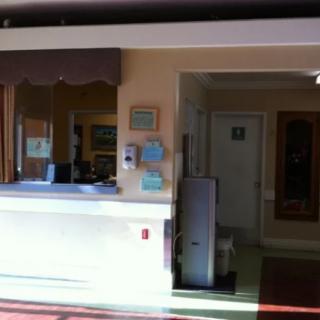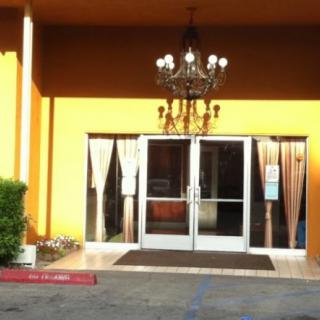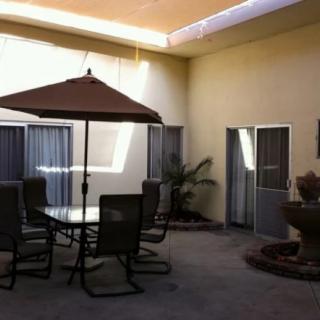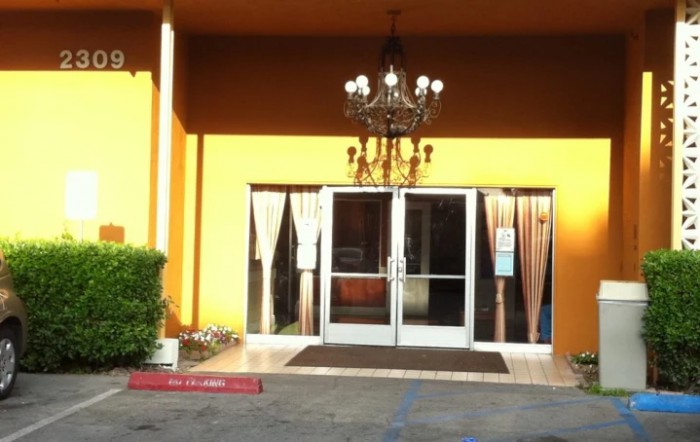
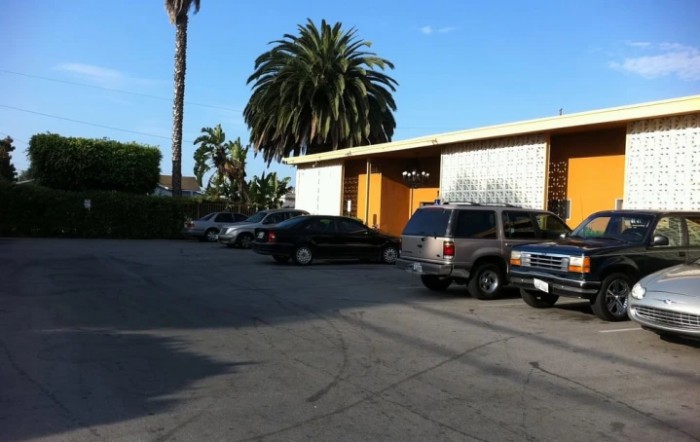
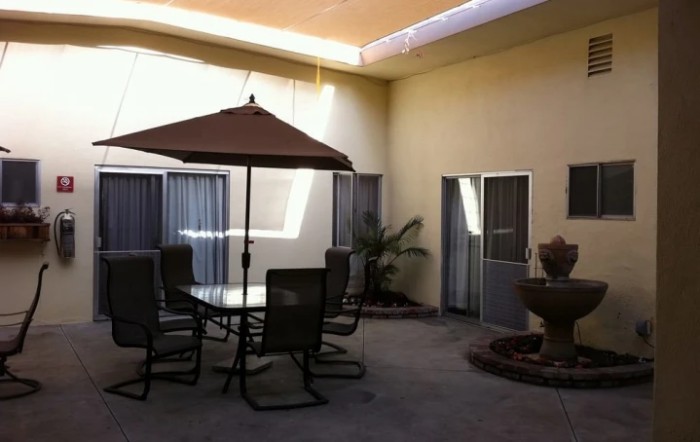
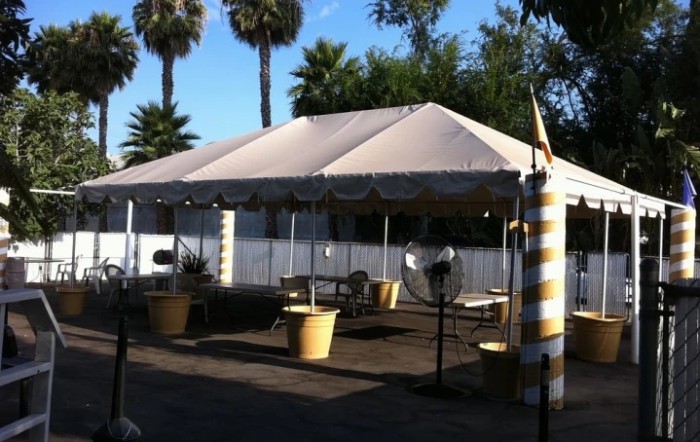
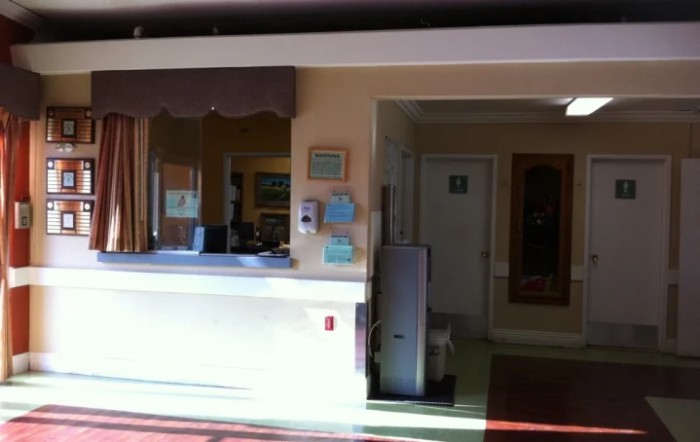
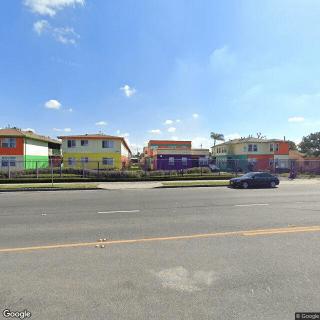
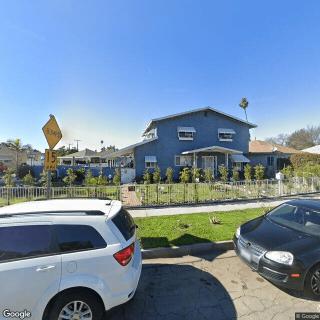
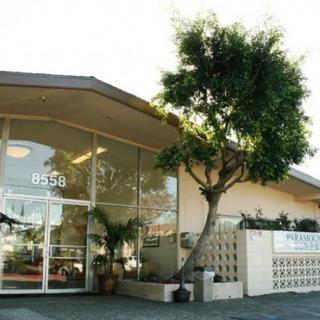
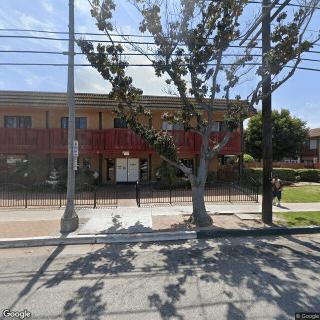
2309 North Santa Fe Avenue, Compton, CA 90222
For more information about senior living options: (866) 208-4318
Overall Review of Santa Fe Heights Healthcare Center
Pros
 The nursing staff were kind and helpful.
- The facility is immaculate, and the staff are wonderful and always helpful.
- The administration and management were great.
- The staff were great, the food was great, and the therapy was top-notch.
- Shaneka in Admissions was very helpful, explaining every detail and coordinating tours of the departments involved in recovery.
- During his stay, he was fairly well cared for and recovering nicely.
Cons
 The facility was described as ugly.
- The staff were neglectful, with a patient under their care not receiving medical treatment and losing a toe.
- The facility was labeled the worst the reviewer has ever been in, with reports of residents being physically and verbally mistreated.
- The staff were very unprofessional, and the visit was a complete waste of time and resources.
- The facility needs renovations and there appears to be a lack of funding.
- Only a few nurses were described as kind; most staff were not.
Review
Santa Fe Heights Healthcare Center is best suited for families seeking proximity to Compton and a facility that can deliver solid short-term rehab and attentive nursing care when the unit is properly staffed. The center often shines in therapy intensity and personal attention from caregivers, which makes it a reasonable option for recovering from surgery, a fracture, or a recent hospital stay where quick access to licensed support matters. It works best for those who can be present to observe daily care, ask questions, and advocate for the loved one during a short, well-defined rehab trajectory. For long-term residency, especially where consistent safety and behavioral standards are a priority, alternatives may prove more reliable.
Pros repeatedly emerge as the strongest reason to consider Santa Fe Heights. Reviewers describe an immaculate, clean environment and a culture of professional, helpful staff in many shifts. The therapy program earns consistent praise, with residents feeling supported and making steady progress under skilled clinicians. Admissions and administrative personnel frequently come across as responsive and informative, smoothing the transition into care. In several accounts, meals and daily routines are managed with competence, contributing to a sense of normalcy during recovery. When the care team is functioning at its best, the experience can be markedly positive and reassuring for families seeking reassurance that progress is happening.
Yet there are serious, clearly stated concerns that cannot be ignored. A minority of reviews allege neglect or inadequate medical attention, including a troubling report of a peripheral injury that worsened due to perceived gaps in care. Several accounts describe unprofessional behavior, harsh treatment, or rough handling, including references to cursing and visible bruising. Staffing perceptions vary widely: some patients praise a compassionate nursing contingent, while others see a lean, overburdened team that struggles to meet rising needs. The facility’s condition is described by some as dated, with renovations clearly needed, and not all observers feel the environment reflects modern standards of safety and comfort. Taken together, these warnings suggest a real risk that certain residents could experience inconsistent quality of care.
How the positive aspects stack up against the negative ones depends heavily on the care objectives. For short-term rehab, strong therapy, clean surroundings, and courteous frontline staff can offset some concerns if there is robust oversight from family members and clear communication with administrators. The bright spots, effective therapy, professional admissions guidance, and a disciplined routine, offer a credible path to recovery when matched with vigilant monitoring. However, the more alarming reports of neglect or abuse and the sense of overworked staff create a nontrivial risk that a vulnerable loved one could suffer harm, especially during a mid- to long-stay scenario. In short, the pros can offset the cons only if the facility maintains consistent, transparent operations and an unambiguous commitment to resident safety.
For families moving forward, a practical due-diligence plan is essential. Schedule multiple visits at different times to observe staff interactions, especially with residents who require assistance. Ask current residents and families about nurse-to-patient ratios, turnover, and incident reporting. Request a direct confrontation with the administrator or director of nursing to discuss safety protocols, staffing plans, and any ongoing renovations. Demand specifics on rehabilitation schedules, progress notes, and how concerns are escalated. Check recent state licensing records and any inspection notes for concrete evidence of safety improvements or ongoing issues. If candid answers and visible corrective actions aren’t forthcoming, it is wise to broaden the search to facilities with stronger, more consistent safety cultures.
Bottom line: Santa Fe Heights can be a solid option for rehab-focused families who are prepared to supervise closely and engage actively with the care team. When the focus is long-term safety, consistency, and a uniformly positive resident experience, alternatives with stronger safety records and more uniform staff performance should be seriously considered. The choice hinges on risk tolerance and the ability of family members to maintain an active, ongoing role in care, paired with clear accountability from the facility. In the right circumstances, this community can aid recovery; in others, it may be prudent to look elsewhere.
 99 resident community capacity
 Skilled Nursing Facility
 Air-conditioning
 Beauty salon
 Cable or satellite TV
 Computer center
 Dining room
 Fitness room
 Fully furnished
 Gaming room
 Garden
 Housekeeping services
 Kitchenette
 Move-in coordination
 Outdoor space
 Private bathrooms
 Restaurant-style dining
 Small library
 Telephone
 Wellness center
 Wi-Fi/high-speed internet available
 Long Beach (Daugherty) (8 miles away)
 Community operated transportation
 12-16 hour nursing
 24-hour call system
 Activities of daily living assistance
 Assistance with bathing
 Assistance with dressing
 Assistance with transfers
 Diabetes diet
 Medication management
 Mental wellness program
 Special dietary restrictions
 Concierge services
 Planned day trips




 Seniors and Modern Transportation: Exploring Uber, Lyft, and Other Ride-Hailing Options
 Comprehensive Guide to Qualifying for Home Health Care Services
 Powerful Realities of Elder Abuse and the Most Effective Ways to Report It