


2850 Sierra Sunrise Terrace, Chico, CA 95928
For more information about senior living options: (866) 208-4318
Overall Review of California Park Rehabilitation Hospital
Pros
 The staff are kind, professional, and clearly passionate about the care they provide, creating a warm and supportive environment.
- The nursing team is attentive, professional, and genuinely compassionate, going above and beyond to ensure residents are comfortable.
- Hannah is highlighted as a gem who genuinely cares and goes above residents’ needs.
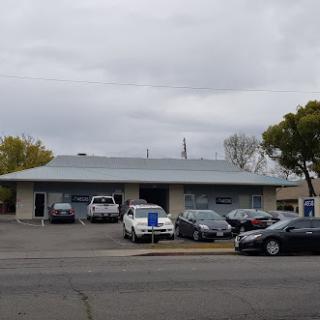
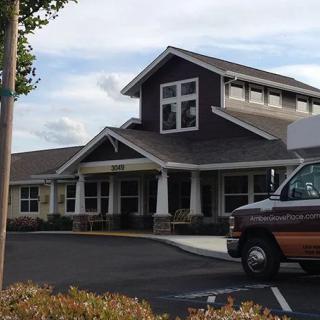
- The facility is clean, well-maintained, and has a warm, home-like atmosphere.
- The therapy staff are knowledgeable and encouraging, helping residents make real progress in recovery.
- Communication with families is excellent, with staff keeping them informed and involved in care planning.
Cons
 The facility is absolutely terrible.
- The staff were not friendly and did not acknowledge residents.
- He lay in his bed every day depressed, with little help for basic needs.
- Showers were infrequent and provided with no help.
- The staff did not seem to care about the residents.
- Requests were not followed up and staff were often hurried and distracted.
- Oxygen was rationed and not enough for every patient.
- A PICC line was removed without permission and the wound stapled.
- The food was terrible, not balanced, and often rushed.
Review
California Park Post Acute Rehab in Chico is best suited for families seeking a modern, therapy-forward recovery track with a warm, home-like atmosphere, and who can tolerate variability in bedside care. The program emphasizes structured rehabilitation, with physical and occupational therapy designed to drive meaningful mobility gains after surgery or a serious fall. The surroundings are clean, well-kept, and inviting, which helps ease the stress of a recovery stay. For loved ones who prize a predictable, consistently compassionate bedside experience across all shifts, this community may not be the first choice. Those who require near-constant attentiveness, immediate follow-through on every request, or unwavering advocacy should explore alternatives. In short, the facility serves well when rehab momentum and a supportive environment are the top priorities, while recognizing that daily bedside care can be uneven.
On balance, the strongest positives come from the rehab-forward model and the facility’s overall environment. Families frequently note a therapy staff that is knowledgeable, encouraging, and persistent about achieving safe, tangible progress. The rehabilitation schedule is typically robust, with daily sessions that keep patients actively engaged in rebuilding strength and function. Nursing care is praised when staff are present and responsive, and several reviewers single out individuals who demonstrate genuine compassion. The population finds the setting clean and bright, with views and common areas that contribute to a sense of normalcy during recovery. When communication goes well, families feel well informed about care plans and discharge timelines, which reduces anxiety and helps coordinate post-acute transitions. These elements can make a meaningful difference for patients who respond to structured rehab and a supportive atmosphere.
The drawbacks are real and repeatedly surfaced in reviews, and they shape the overall risk profile. A notable portion of feedback describes inconsistent bedside care, with concerns about attentiveness, responsiveness, and a perceived lack of warmth from the front-line staff. Some residents report missed showers, incomplete personal care, and requests that were not followed up promptly. There are accounts of care not strictly aligning with doctor orders, and even accusations of uneven attention to therapy or wound care. Food quality and variety also emerge as frequent grievances, leaving some residents dissatisfied with meals that seem rushed or unbalanced. The most troubling themes center on communication gaps and perceived variability in staffing, which can amplify stress for families already navigating a challenging recovery period. When these issues surface, they undermine trust and complicate discharge planning.
Still, the core rehab and environment can offset many concerns for families willing to stay actively involved. The strongest advocates credit the program with real, measurable improvements in strength and independence, provided oversight is proactive. For families who can commit to regular visits, direct conversations with the director of nursing, and ongoing monitoring of progress, the odds of a positive outcome rise substantially. The facility has produced success stories where residents regain functional independence and leaves with clear, workable discharge plans. In those cases, the care team’s dedication from therapists to nurses, paired with a facility that looks and feels inviting, helps convert a stay into a stepping-stone rather than a stagnation point. The medical complexity of each case still matters, but a proactive family presence makes a meaningful difference.
Explicit alternatives deserve consideration for anyone prioritizing consistency and transparent communication. In Chico, several families prefer facilities that demonstrate steadier bedside coverage and more predictable responsiveness, even if rehab depth varies. Prospective residents should push for a candid meeting with the DON, request sample progress updates, and ask to meet the assigned PT/OT team. If a pattern of missed calls or delayed follow-through exists, that should weigh heavily in the decision. The ultimate choice often hinges on balancing rehab potential with reliable daily care and timely family communication. When reliability is uneven, the advantage of strong therapy can be blunted, and the discharge process becomes uncertain.
Bottom line: California Park Post Acute Rehab can be a solid option for those who want a robust rehab program within a clean, welcoming setting and are prepared to oversee care actively. It is less suitable for families seeking flawless day-to-day compassion or unwavering staffing consistency. Tour with a critical eye toward bedside staffing patterns, request recent metrics on staff responsiveness, and insist on meeting the primary care and therapy teams. Clarify who is on duty during evenings and weekends, how many therapists will be involved in a typical week, and what guarantees exist regarding timely follow-up on concerns. If proactive oversight is in place, the positives, real rehab gains, a supportive environment, and clear discharge planning, can shine through. If not, the risks of inconsistent care and communication can overwhelm the potential benefits. The right match comes down to prioritizing steady rehab progress while ensuring dependable daily care and open lines of communication.
 90 resident community capacity
 Skilled Nursing Facility
 Air-conditioning
 Beauty salon
 Cable or satellite TV
 Computer center
 Dining room
 Fitness room
 Fully furnished
 Gaming room
 Garden
 Housekeeping services
 Kitchenette
 Move-in coordination
 Outdoor space
 Private bathrooms
 Restaurant-style dining
 Small library
 Telephone
 Wellness center
 Wi-Fi/high-speed internet available
 Chico Municipal (5 miles away)
 Community operated transportation
 12-16 hour nursing
 24-hour call system
 Activities of daily living assistance
 Assistance with bathing
 Assistance with dressing
 Assistance with transfers
 Diabetes diet
 Medication management
 Mental wellness program
 Special dietary restrictions
 Concierge services
 Planned day trips





 Seniors and Modern Transportation: Exploring Uber, Lyft, and Other Ride-Hailing Options
 Comprehensive Guide to Qualifying for Home Health Care Services
 Powerful Realities of Elder Abuse and the Most Effective Ways to Report It