


7940 Topanga Canyon Boulevard, Canoga Park, CA 91304
For more information about senior living options: (866) 208-4318
Overall Review of West Hills Health & Rehab Center
Pros
 Vida is hands down the best person here.
- The staff is extremely lucky to have her.
- The late mother received excellent care; the physical therapists gave maximum effort, and the place was clean, with a cute cat on the premises.
- The staff is very kind and as helpful as possible.
- People here are so nice.
- Ma Arlyn, PT, was extremely helpful, hardworking, and caring.
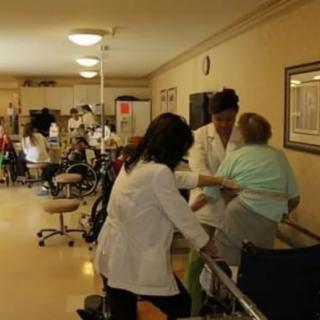
- The therapists provided amazing therapy to help patients learn how to transfer and take care of their needs after surgery.
Cons
 The staff here are very rude.
- Supervisor Maribel was rude and unhelpful.
- The executive administrator was unhelpful, rude, and aggressive, even yelling.
- The facility is not professional.
- The workplace is very unfair.
- There is a profound lack of caring, interest, and professionalism toward vulnerable patients.
- Patients were left in diapers for over 10 to 12 hours and calls for assistance were ignored.
- The medical staff were indifferent to patients' needs.
- Most of the staff are unqualified and, in some cases, downright mean.
- The reviewer would not recommend Westhills Health and Rehab.
- A staff member named Bob was rude and impatient with an elderly patient.
- The food was not edible.
Review
West Hills Health & Rehab Center in Canoga Park is best suited for families chasing tangible rehab progress and a clean, manageable living environment, provided there is a strong advocate overseeing daily care. It is not ideal for those seeking uniformly warm bedside manners, consistently immediate assistance, or flawless communication across all shifts. For residents with high needs for constant supervision or complex medical management, alternatives with steadier staffing, stronger culture of compassionate care, or different care models should be seriously considered. Potential options include other skilled nursing facilities with higher staffing stability, hospital-based rehabilitation units, or home-health pathways that reduce transitions.
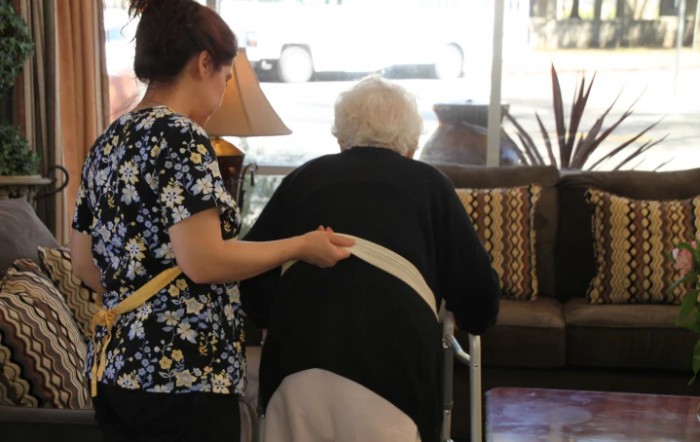
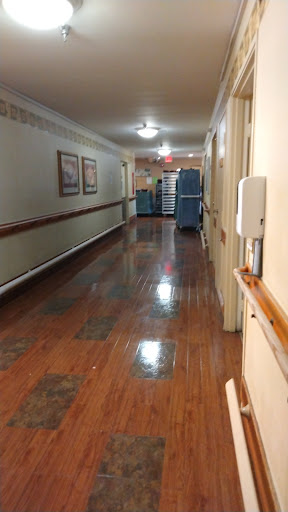
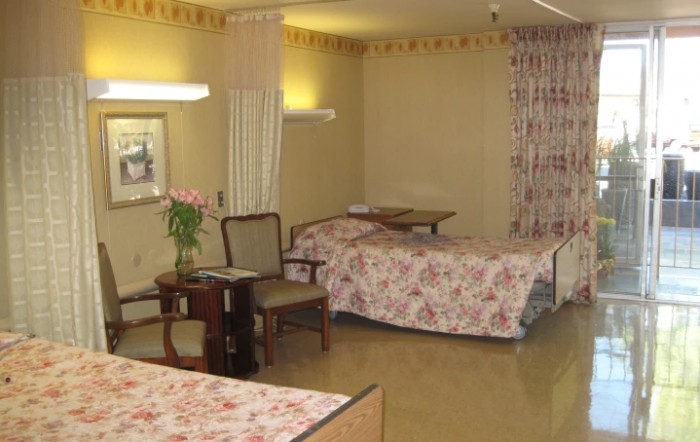
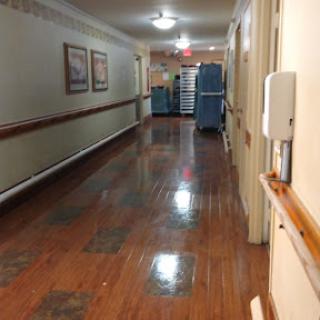
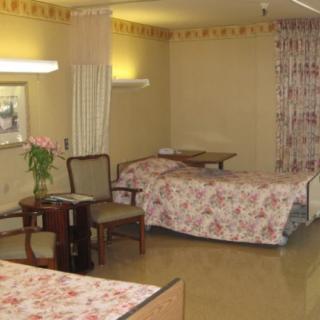
On the upside, when rehabilitation is the focus, several therapists and nurses earn praise for skill and dedication. A number of staff are described as genuinely caring, with physical therapists and aides delivering coaching that translates into real mobility gains. The facility’s cleanliness and small, homey touches, like a resident-friendly cat, contribute to a more dignified atmosphere. For families willing to align with specific caregivers and for residents who respond well to structured therapy plans, meaningful progress is possible, and some residents leave with improved independence thanks to motivated therapists and attentive case management.
Yet the negative experiences reverberate across the majority of accounts. Chronic understaffing frequently yields delayed assistance, with calls sometimes going unanswered for extended periods and essential tasks postponed. Medication lapses and forgotten doses recur, and there are multiple reports of residents being left in bed for long stretches instead of receiving needed mobilization. Several reviews describe rude or aggressive interactions from supervisors, along with a culture that appears to blur accountability and compassion. Language barriers and difficulty reaching leadership when issues arise further complicate the care picture.
These tensions materially undercut any rehab gains and the clean environment. The strongest positives, dedicated therapists, overall cleanliness, and pockets of compassionate care, cannot fully offset the safety and dignity risks created by inconsistent staffing and uneven bedside attention. The presence of a few standout clinicians demonstrates what is possible, but that level of care is not guaranteed across all shifts or days. The facility’s potential remains real, yet it depends on a heavy emphasis on oversight, clear communication, and reliable staffing to be realized consistently.
Decision-making should hinge on verifiable, concrete assurances before selection. Prospective families ought to schedule multiple visits across different times to observe response times, and to meet the therapy director and charge nurse. Clarify staff-to-patient ratios, the facility’s plan to address ongoing understaffing, and the escalation process for concerns. For rehab-focused goals, secure a written, milestone-driven therapy plan with guaranteed daily sessions and a clear pathway back to independence. If these assurances cannot be nailed down, or if warmth, reliability, and timely daily support across all shifts are non-negotiable, serious consideration should be given to alternatives that prioritize consistent, compassionate care.
In the end, West Hills Health & Rehab Center offers potential for meaningful rehab outcomes under the right conditions, but the downside is substantial enough to demand caution. It is a practical option for families who can maintain vigilant oversight and insist on accountability, especially when the primary aim is efficient rehabilitation. For those seeking consistently compassionate care, immediate responsiveness, and dependable daily support from every staff member, exploring better-staffed facilities or alternative care pathways is the prudent path.
 145 resident community capacity
 Skilled Nursing Facility
 Air-conditioning
 Beauty salon
 Cable or satellite TV
 Computer center
 Dining room
 Fitness room
 Fully furnished
 Gaming room
 Garden
 Housekeeping services
 Kitchenette
 Move-in coordination
 Outdoor space
 Private bathrooms
 Restaurant-style dining
 Small library
 Telephone
 Wellness center
 Wi-Fi/high-speed internet available
 Burbank-Glendale-Pasadena (14 miles away)
 Community operated transportation
 12-16 hour nursing
 24-hour call system
 Activities of daily living assistance
 Assistance with bathing
 Assistance with dressing
 Assistance with transfers
 Diabetes diet
 Medication management
 Mental wellness program
 Special dietary restrictions
 Concierge services
 Planned day trips






 Is a Geriatric Care Manager the Right Choice for Your Family?
 Compassionate Conversations: How to Comfort Someone Who Is Grieving
 Home Health Care Aides: Understanding Their Role and Supporting Your Family