
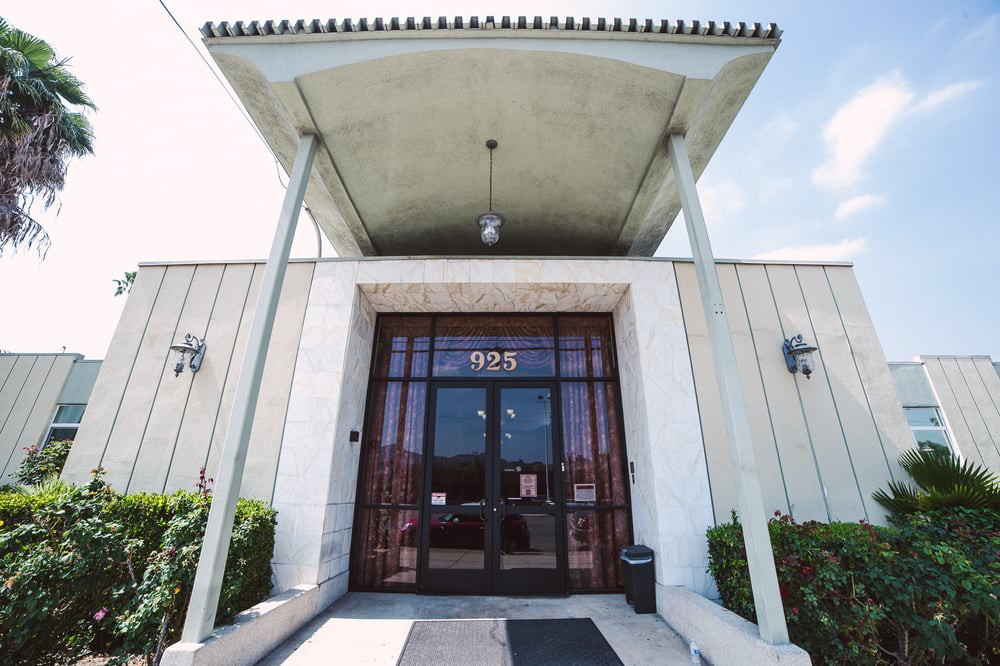
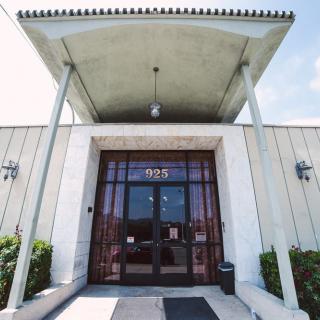
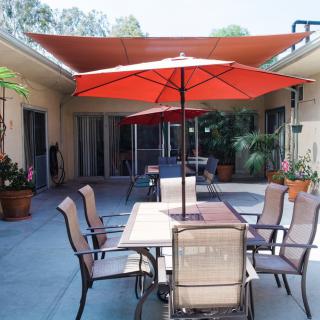

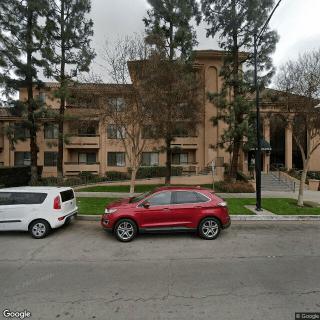
925 West Alameda Avenue, Burbank, CA 91506
For more information about senior living options: (866) 208-4318
Overall Review of Alameda Care Center
Pros
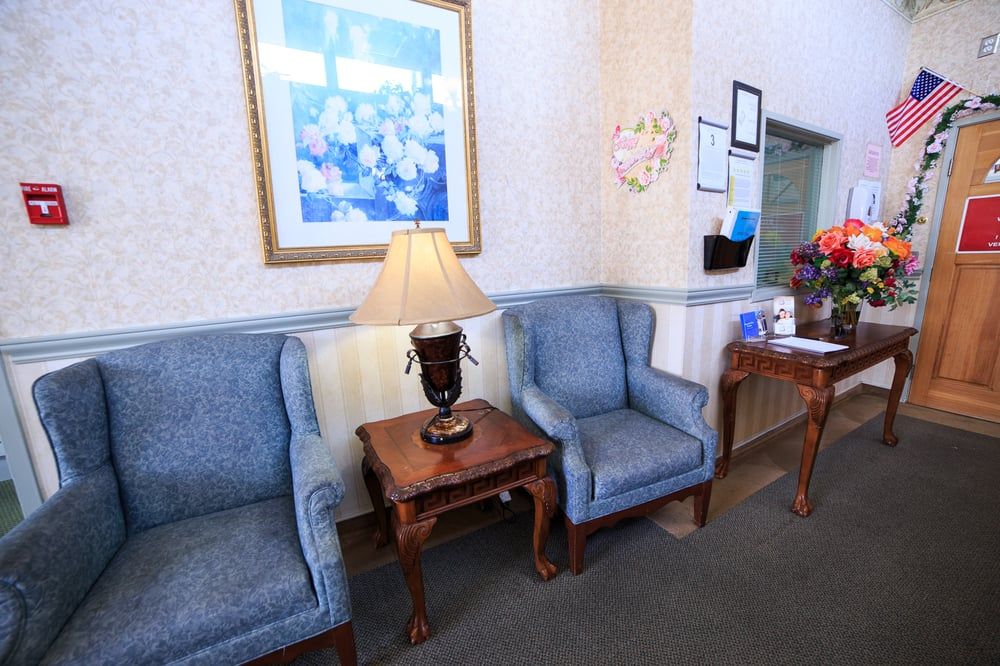
 The facility is a nice, cool place to stay.
- The staff is very professional, and the care includes COVID-19 vaccination.
- The facility is a nice place for a rest home.
Cons
 The place is unprofessional, and the staff are very rude to patients.
- The staff are unprofessional and do not care for the patients.
- There are no activities for residents due to COVID-19.
- The food is lousy.
- There was a COVID-19 outbreak in March that resulted in resident deaths.
- The mother was found with a busted-up face from being hit, and she died the next day from the virus without treatment.
Review
Alameda Care Center in Burbank is best suited for families seeking a basic, budget-conscious option where daily oversight from relatives can compensate for limited on-site care. It’s not the right fit for seniors who require steady, high-quality skilled nursing, constant supervision, or robust engagement programs. Those with relatively independent loved ones who still need help with daily tasks may manage here, but only with disciplined, ongoing family involvement. In short, practical caregivers aiming to minimize cost and maximize control may consider Alameda, while most others should explore stronger, more reliably staffed alternatives.
Alternatives become compelling for residents needing dependable safety, consistent staffing, and meaningful programming. Look for communities with higher caregiver-to-resident ratios, transparent incident reporting, and clearly defined accountability. Facilities with on-site nurses and licensed clinicians who respond quickly are preferable for anyone with even moderate care needs. For families prioritizing social engagement, choose places that offer daily activities, varied meals, and accessible amenities. In the Burbank area, that usually means larger assisted living communities or dedicated skilled-nursing options that can staff adequately and provide stronger daily supervision.
On balance, the positives at Alameda include occasional professional conduct from staff and a premise that many describe as reasonably pleasant. Those moments matter because they show the facility can function competently when staffing lines up, and residents can experience respectful interactions on the right shifts. Yet these strengths are largely offset by a chronic understaffing reality: a high resident load with far too few caregivers, which translates into delayed assistance, inconsistent routines, and forlorn experiences for residents who rely on timely help for basic needs. Food quality and in-room entertainment are also commonly noted as weak, leaving a dull daily rhythm for residents when staff are stretched thin.
Safety and care quality concerns loom large in families’ decisions about Alameda. Multiple accounts describe injuries to residents and explanations that fail to satisfy concerned relatives, implying gaps in incident handling and accountability. Another grave report ties a loved one’s decline and death to what is described as delayed or inadequate treatment, increasing vigilance about whether basic safeguards are in place. Even if some residents experience kindness and competent care on certain days, these alarming narratives create a serious risk calculus that is hard to ignore and demand rigorous verification.
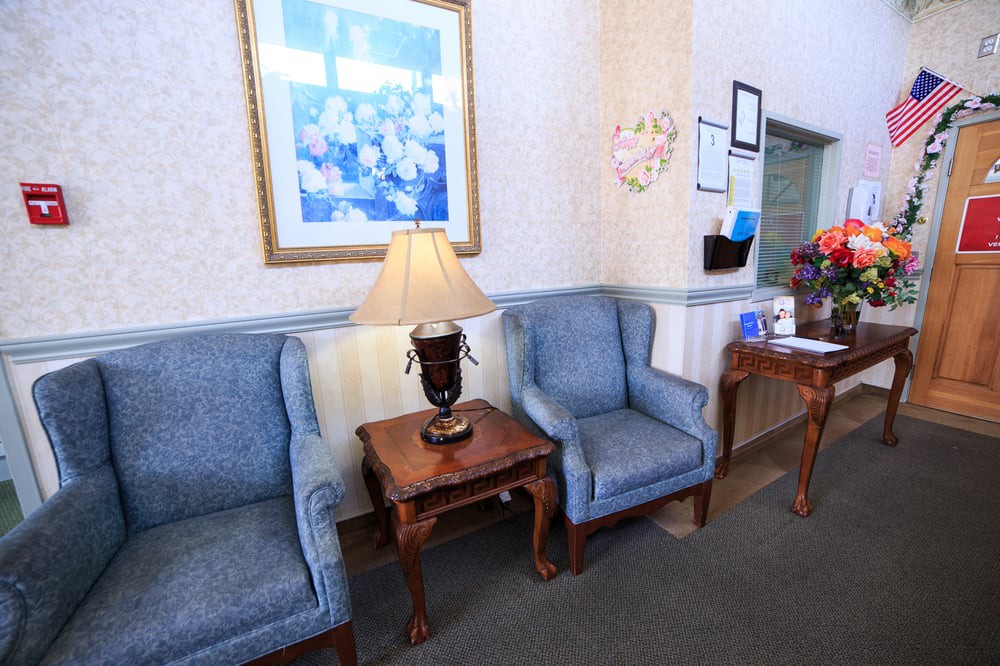
The daily life picture emerges as a decisive factor for many families. Meals are described as unimpressive, and opportunities for activity can be sparse, with some residents left disengaged due to limited programming and inconsistent access to amenities like televisions. This environment feels like a bare-bones setting rather than a vibrant community, which can erode quality of life for seniors who value continuity, enrichment, and predictable routines. In such a context, Alameda functions more as a containment option than a thriving living community, making it essential to consider how much family involvement and external enrichment will be required to sustain comfort and dignity.
Ultimately, choosing Alameda hinges on risk tolerance and the level of advocacy available. If a decision favors detailed, hands-on oversight and the ability to intervene quickly when care lapses occur, the option can work with careful monitoring. If not, stronger alternatives with higher staffing reliability and verifiable safety records are prudent. For families advancing with Alameda, demand concrete, written policies and real-time data: current staffing schedules and ratios, recent incident logs, individualized care plans, and open access to the administrator. Schedule unannounced visits to observe frontline staff interactions during peak hours. If those assurances don’t materialize, or if oversight feels insufficient, pursue facilities with proven safety, more robust programming, and a track record of safeguarding residents’ well-being.
 89 resident community capacity
 Skilled Nursing Facility
 Air-conditioning
 Beauty salon
 Cable or satellite TV
 Computer center
 Dining room
 Fitness room
 Fully furnished
 Gaming room
 Garden
 Housekeeping services
 Kitchenette
 Move-in coordination
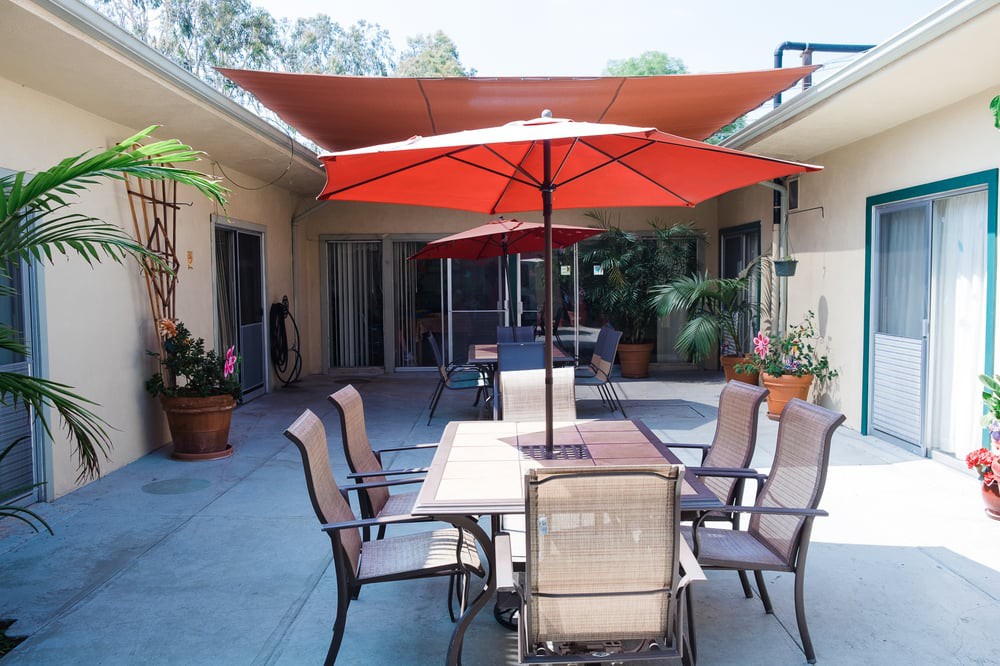
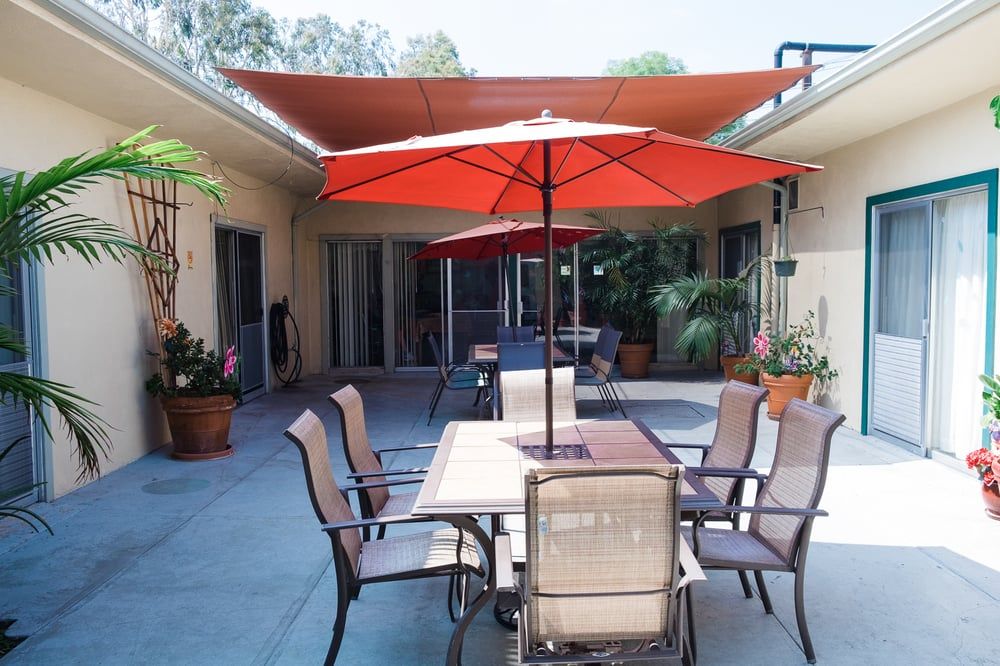
 Outdoor space
 Private bathrooms
 Restaurant-style dining
 Small library
 Telephone
 Wellness center
 Wi-Fi/high-speed internet available
 Burbank-Glendale-Pasadena (4 miles away)
 Community operated transportation
 12-16 hour nursing
 24-hour call system
 Activities of daily living assistance
 Assistance with bathing
 Assistance with dressing
 Assistance with transfers
 Diabetes diet
 Medication management
 Mental wellness program
 Special dietary restrictions
 Concierge services
 Planned day trips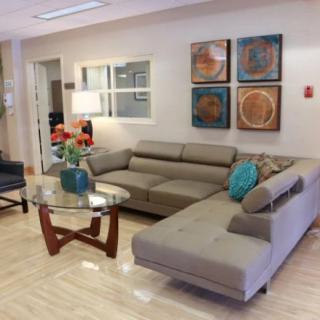
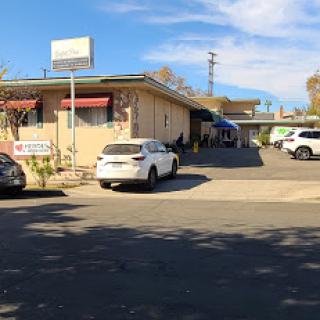
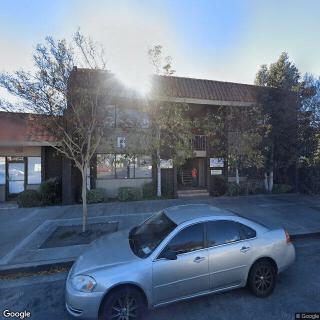




 Navigating Medicare Coverage for In-Home Care Services
 In-Home Care Costs in 2025: A Detailed State-by-State Exploration
 Understanding Home Health Care: A Comprehensive Guide