

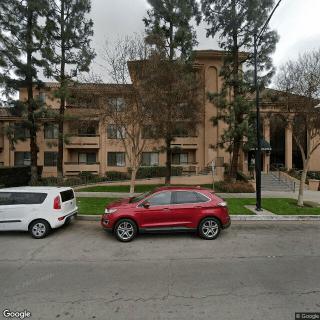
1717 West Verdugo Avenue, Burbank, CA 91506
To contact a resident: (818) 729-0988
For more information about senior living options: (866) 208-4318
Overall Review of Special Care Nursing Services, Inc.
Pros
 The care givers that the agency's send to our home have been great.
- They are doing very good job of helping my mother out.
- Staff is skilled and competent.
Cons
 The client described the experience as absolutely awful, citing miscommunications, ineptitude, lack of professionalism, and negligence.
- Nurses arrived late or not at all, left critical medication behind, and were unreachable for days.
- One nurse reportedly woke the mother at night and argued with another nurse over who should get the shift.
- RNs sometimes arrived hours late and seemed unaware of the patient’s address or even her correct name.
- The owner was described as dismissive of concerns, saying that “that happens sometimes” when medications were left for days.
- The client fired the agency.
Review
This provider is best suited for families seeking in-home nursing support for an older relative who is reasonably mobile but still needs skilled caregiving and medical oversight without moving into a facility. The strongest value lies in staff who appear capable and approachable, delivering hands-on help with daily tasks and routine health monitoring in a familiar home environment. It fits households that can stay closely involved in scheduling and care planning, and are prepared to address gaps quickly when they arise. In short, it serves families willing to assume active oversight to maximize the benefits while accepting that consistency may vary from shift to shift.
On the upside, several reviews highlight competent, capable care givers who can be trusted to handle day-to-day needs. When the agency is operating smoothly, the caregivers come across as reliable, personable, and able to support a loved one with practical assistance and attentiveness. That pattern matters, because the core task of in-home care is steady hands and steady communication, and positive experiences show what this team can deliver when everything lines up.
Yet the drawbacks are substantial and cannot be minimized. Two separate reviews, repeated in full, paint a regarding picture of chronic miscommunication, staffing gaps, and outright negligence accusations. Specific failures cited include nurses arriving late or not showing up, critical medications being left behind or unavailable, and episodes of unprofessional behavior. Most troubling is the portrayal of the owner as dismissive when concerns were raised, implying a lack of accountability. Taken together, these details signal a real risk to patient safety and to the reliability families depend on.
The central tension here is that the pros, skilled staff and workable in-home care, do not consistently balance the cons, which center on scheduling reliability and medication management. When caregivers are on time and properly coordinated, the care is solid and comforting. But the safety-critical gaps, late visits, medication lapses, and poor issue resolution, undercut the overall value and can undermine health outcomes, particularly for seniors with complex regimens or higher care needs. For families with ongoing medication routines or strict monitoring requirements, the risk becomes the defining factor rather than the occasional positive interaction.
Given the mixed track record, alternatives deserve serious consideration. For clients who require unwavering reliability, predictable scheduling, and tight medication control, larger, more regulated agencies with formal QA processes, backups, standardized handoffs, and clear escalation paths, are likely a wiser choice. Facility-based care may also offer better oversight and continuity of staff. The decision should hinge on the ability to verify dependable shifts, to observe how staff coordinate, and to confirm there is a transparent plan for addressing any lapse swiftly.
To move forward with confidence, insist on concrete safeguards before committing. Request a dedicated care coordinator who oversees staffing, a written care plan with specific visit times, expected medication responsibilities, and backup coverage for every shift. Seek written policies on incident reporting, accountability, and escalation when problems arise, and require trial periods with measurable benchmarks. Verify licensing and practitioner credentials, and proactively contact multiple references to confirm consistency across years and seasons of care. If any core requirement, timeliness, medication safety, or responsive problem-solving, cannot be guaranteed, pivot to alternatives without delay. The bottom line is clear: this provider can be part of a solution for certain families, but only with stringent oversight and explicit risk controls.
 Burbank-Glendale-Pasadena (3 miles away)







 Managing Nursing Home Expenses After Medicare Coverage Ends
 Is a Geriatric Care Manager the Right Choice for Your Family?
 Compassionate Conversations: How to Comfort Someone Who Is Grieving