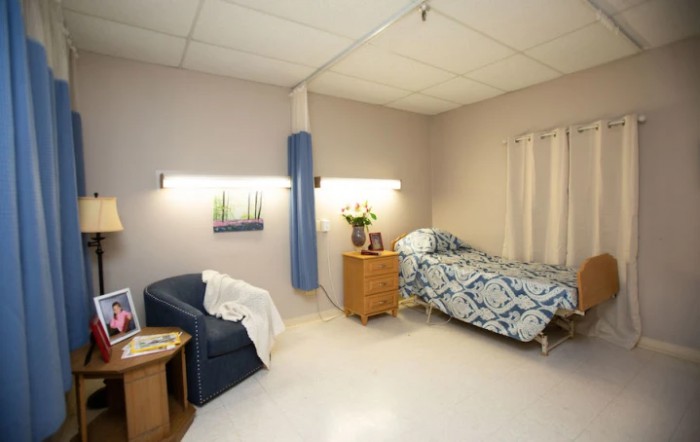
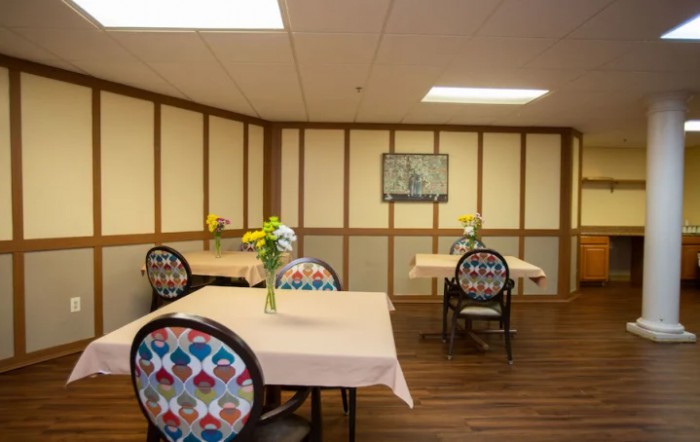

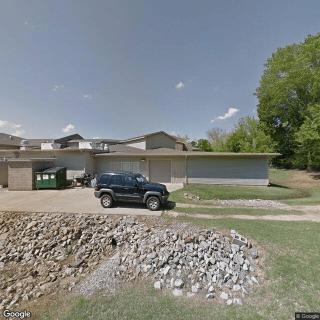
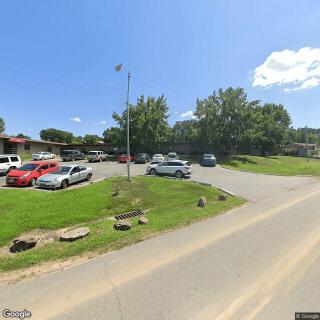
228 Pointer Trail West, Van Buren, AR 72956
For more information about senior living options: (866) 208-4318
Overall Review of Valley Springs Rehabilitation And Health Center
Pros
 The staff provide exceptional, person-centered care and regularly go above and beyond to ensure residents have everything they need.
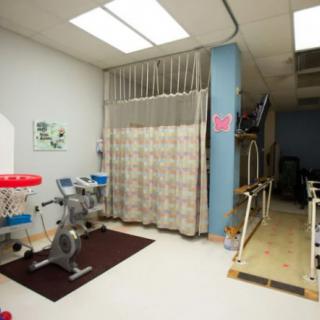
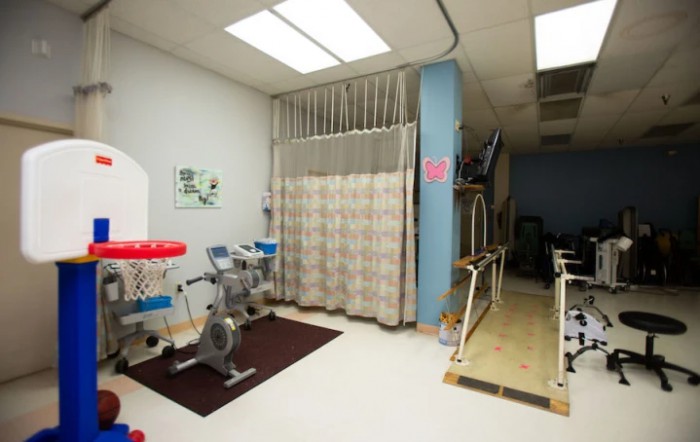
- The rehabilitation center staff helped the patient walk again.
- The staff are incredibly patient, supportive, and kind to residents.
- The staff go way beyond what is required and truly care for residents.
- The nurses, dietary staff, laundry, and administration were wonderful to Addie and her family.
- The administration, nurses, and CNAs seem to really care about the patients, and the building is improving with new ownership.
Cons
 They let her fall out of the bed, and her husband said it would take an hour for staff to check on her after she pressed the call button.
- Families reported that relatives in the nursing home were being starved.
- The facility reeked of urine on the first visit, with some nurses being great and others not.
- There was a low level of care, unacceptable for a patient with Alzheimer’s.
- The current state of the facility is morbid.
- They were supposed to move his dad into an all-male wing because there were women in his wing who steal items from his room.
- Overworked staff with zero appreciation; most residents are left in the hall or in bed, usually covered in food or urine, with bedbugs and cockroaches rampant.
- The reviewer would not recommend placing a loved one here.
Review
Valley Springs Rehabilitation and Health Center in Van Buren, AR is best suited for families prioritizing genuinely attentive, person-centered care with a strong rehabilitation orientation. The core strength lies in staff who consistently go beyond basic duties to meet residents’ needs, and in a care culture that emphasizes hands-on support and personal attention. For families facing the transition to skilled nursing or long-term chronic care, the facility can feel like a supportive extension of home when staff pay careful heed to individual routines, preferences, and recovery goals. The most convincing stories center on residents who regain or maintain mobility through focused rehab, where dedicated aides, nurses, and therapy teams appear willing to invest time and effort to see tangible progress. In short, this is a community where compassion and practical rehab capability shape daily life, often making the difference between dependence and a meaningful degree of independence.
Yet, this community is not universally ideal. Those who demand a pristine, modern environment with flawless cleanliness and interrupt-free operations may want to consider alternatives. Several reviews flag odors, old decor, and dated equipment, suggesting a facility that is visibly aging and still undergoing transitions in ownership and governance. The perception of inconsistent cleanliness and sporadic attention to some tasks will alarm families seeking a consistently spotless, hospital-like setting. Additionally, the most serious concerns point to gaps in safety and responsiveness, including reports of delayed call-bell responses and mixed experiences among nurses and aides. For families who prioritize rigorous, guaranteed standards across all dimensions of care, these elements argue for a broader look at other options before committing.
The strongest upside, exceptional, person-centered care, offsets many of the potential downsides for families who value a hands-on, relationship-driven approach. When staff deliver tailored assistance, demonstrate patience, and routinely check in on both residents and families, the sense of trust and security grows. Rehab-focused outcomes frequently emerge as a standout, with residents sometimes achieving meaningful improvements in mobility and independence through sustained therapy and attentive supervision. Administration is repeatedly praised for approachability and engagement, and there is a sense that ownership changes have begun to bring positive changes to the building’s presentation and functionality. Taken together, these advantages create a practical pathway to comfort and progress for residents who rely on daily guidance and rehabilitative momentum.
However, the cons cannot be dismissed. Odor, an aging facility, and inconsistent cleanliness raise legitimate concerns about dignity and comfort, especially for residents who spend long hours in shared spaces or who require assistance with hygiene. Reports of bedbugs, cockroaches, and other cleanliness issues, along with accounts of overworked staff and insufficient acknowledgment of hard work, paint a troubling contrast to the ideal of careful, respectful care. The reality is that these factors can undermine safety, mood, and overall wellbeing if not addressed decisively. A few reviews also describe uneven nursing attentiveness and a reluctance or inability to move certain residents to more appropriate settings, which compounds questions about how consistently emergencies or daily needs are managed. For families evaluating risk, these signals merit careful, up-front verification rather than assumption.
For specific resident profiles, the verdict becomes more nuanced. Residents with substantial rehabilitation needs and family involvement may benefit enormously from staff-driven, goal-oriented care, where caregivers actively support functional gains and tailor routines to individual trajectories. The same emphasis on compassionate care remains a powerful asset for long-term residents who prize stability, continuity, and a welcoming atmosphere. By contrast, families considering dementia or Alzheimer’s care should scrutinize how the facility manages cognitive impairment, agitation, safety in movement, and the ability to enforce essential routines like personal hygiene. One review’s mention of difficulty in enforcing showers raises red flags for dementia care, where consistent, dignified routines are critical. In these cases, a clear, detailed plan with a strong clinical lead becomes essential before deciding.
The practical path forward is clear. If Valley Springs is seriously on the short list, arrange a thorough on-site assessment that goes beyond a tour. Confirm current staffing levels during different shifts and observe call-button responsiveness in real time. Request a candid dialogue with the administrator about housekeeping protocols, pest control measures, and the facility’s renovation roadmap, especially as ownership has shifted and the building’s condition has been described as improving but still imperfect. Review recent state inspection outcomes and the facility’s remediation plans for any cited deficiencies. Meet frontline caregivers in ordinary routines, not staged moments; listen for consistency in tone, responsiveness, and willingness to adapt. Finally, establish a concrete trial period, with milestones for functional gains in rehab and documented checks for cleanliness and safety, so family and resident expectations can be aligned from day one.
In sum, Valley Springs offers a compelling core of compassionate, capable care anchored by a rehab-forward philosophy. For families who can tolerate and actively manage an aging facility with occasional lapses in cleanliness or staffing pressures, the upside is meaningful progress, emotional warmth, and a trusted team that commonly treats residents with genuine kindness. For those who require an antiseptic environment, flawless daily operations, and uniformly aggressive safety measures, alternatives warrant serious consideration. The decision hinges on balancing the real, demonstrated care and rehab potential against the practical realities of the facility’s condition and consistency. A disciplined, in-person evaluation will determine whether the benefits align with risk tolerance and long-term care priorities.
 105 resident community capacity
 Skilled Nursing Facility
 Air-conditioning
 Beauty salon
 Cable or satellite TV
 Computer center
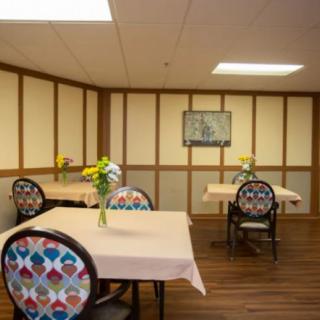
 Dining room
 Fitness room
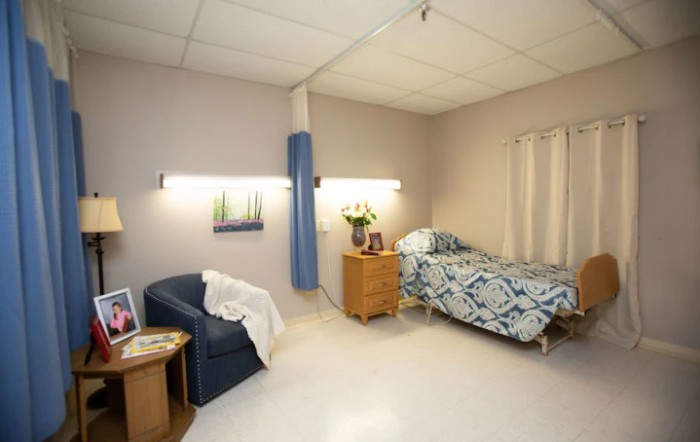
 Fully furnished
 Gaming room
 Garden
 Housekeeping services
 Kitchenette
 Move-in coordination
 Outdoor space
 Private bathrooms
 Restaurant-style dining
 Small library
 Telephone
 Wellness center
 Wi-Fi/high-speed internet available
 Fort Smith Regional (9 miles away)
 Community operated transportation
 12-16 hour nursing
 24-hour call system
 Activities of daily living assistance
 Assistance with bathing
 Assistance with dressing
 Assistance with transfers
 Diabetes diet
 Medication management
 Mental wellness program
 Special dietary restrictions
 Concierge services
 Planned day trips






 Encouraging Participation in Adult Day Care: A Guide to Supporting a Hesitant Parent
 Comprehensive Exploration of Living Wills and Other Advance Directives
 A Detailed Exploration of Living Wills and Advance Directives