For more information about senior living options: (866) 208-4318
3.3 from 44 reviews
5 stars
22
4 stars
3
3 stars
0
2 stars
2
1 stars
17
Overall Review of Ashley Rehabilitation And Health Care Center
common18 reviews mention this
Staff kindness and responsiveness stand out
Many residents and families describe staff as kind, compassionate, and responsive to day-to-day needs.
Across multiple reviews, families highlight friendly, compassionate care and say the team treats residents with respect. Several reviewers also describe communication and follow-through, including staff members checking in regularly and helping families navigate questions or concerns. Even among mixed experiences, a few reviewers praise particular individuals for going out of their way to help.
common7 reviews mention this
Facility cleanliness is repeatedly mentioned
Residents and visitors frequently note the facility feels clean and well kept.
Several reviews specifically call out cleanliness—describing spotless rooms, an odor-free environment, and attentive upkeep. A few families also mention that room cleaning happened during their visits and that caregivers addressed details like bathing support. Not every review is positive, but cleanliness shows up often in the overall feedback.
common4 reviews mention this
Dining is a frequent bright spot
Food quality and accommodating preferences come up often in resident and family feedback.
Reviews commonly describe the meals as enjoyable, with some families praising the kitchen for serving what residents want. A few reviewers mention the kitchen working with picky eaters and serving specific treats or preferred foods. The community also offers restaurant-style dining and diet options like diabetes and special restrictions, aligning with why families focus on meals.
common2 reviews mention this
Activities keep residents engaged
Residents are described as staying involved through planned activities and daily happenings.
Some reviewers mention that activities are fun and that there is always something scheduled during the day. This fits with the community offering planned daily activities, resident-run options, and community-sponsored events.
caveat10 reviews mention this
Care gaps and communication issues
A recurring concern is delayed care, incomplete communication, and medical problems requiring urgent attention.
A number of negative reviews describe issues like delayed pain medication, long waits for help, and lapses in following basic care routines. Several also allege serious complications such as infections, bed sores, injuries, or the need for emergency return to a hospital. These concerns contrast with the care services the community provides on paper, including assistance with daily living, medication management, and nursing support.
How we summarize
Counts show how many written reviews mention each theme; a review can touch several themes, and only frequently mentioned themes are displayed.
Features
Housing
100 resident community capacity
Types of Care
Skilled Nursing Facility
Amenities
Air-conditioning
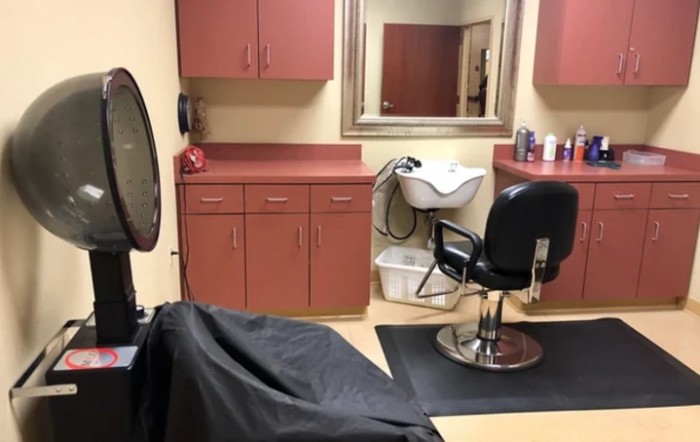
Beauty salon
Cable or satellite TV
Computer center
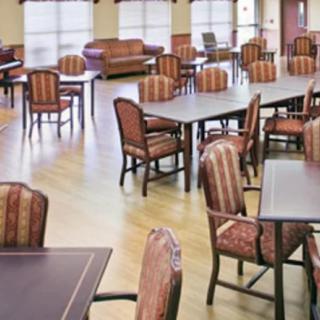
Dining room
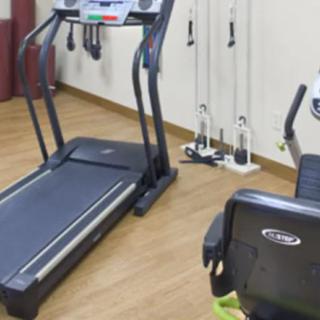
Fitness room
Fully furnished
Gaming room
Garden
Housekeeping services
Kitchenette
Move-in coordination
Outdoor space
Private bathrooms
Restaurant-style dining
Small library
Telephone
Wellness center
Wi-Fi/high-speed internet available
Transportation
Northwest Arkansas Regional (10 miles away)
Community operated transportation
Transportation arrangement
Transportation arrangement (non-medical)
Transportation to doctors appointments
Care Services
12-16 hour nursing
24-hour call system
24-hour supervision
Activities of daily living assistance
Assistance with bathing
Assistance with dressing
Assistance with transfers
Diabetes diet
Meal preparation and service
Medication management
Mental wellness program
Special dietary restrictions
Dining
Diabetes diet
Special dietary restrictions
Activities
Community-sponsored activities
Concierge services
Fitness programs
Planned day trips
Resident-run activities
Scheduled daily activities
Nearby Places of Interest
Pharmacies
""Walmart Stores"" (1.2 miles)
Walmart Pharmacy (1.8 miles)
Walmart Pharmacy (2.1 miles)
Harps Food Stores (2.2 miles)
Walmart Pharmacy (2.5 miles)
Walmart Pharmacy (3.3 miles)
Pharmavite (3.4 miles)
Physicians
Dr Hulls Office (1.5 miles)
Natural Hearing Centers (1.8 miles)
Community Clinic Rogers Medical (1.9 miles)
Boozman Hof Eye Clinic (1.9 miles)
Garrett Goss Clinic (2.3 miles)
Harvey Pediatrics (2.6 miles)
NW Center for Infectious Diseases (2.6 miles)
Restaurants
McDonald's (1.7 miles)
Sonic Drive-In (1.9 miles)
The Buttered Biscuit (1.9 miles)
Abuelo's Mexican Food Embassy (2.1 miles)
Chili's Grill & Bar (2.1 miles)
Applebee's (2.2 miles)
McDonald's (2.3 miles)
Cafes
7 Brew Coffee (2.1 miles)
Onyx Coffee Lab (2.4 miles)
Onyx Coffee La (3.5 miles)
Starbucks (5.8 miles)
Starbucks (6.1 miles)
Parks
Memorial Park (2.5 miles)
Orchards Park (2.7 miles)
Lake Atalanta Park (3 miles)
Osage Park (3.8 miles)
Bentonville Bark Park (4.9 miles)
Coler Mtb Preserve (5.4 miles)
Blowing Springs Park (7.2 miles)
Transportation
Rogers Executive Carter Field Airport ROG (2.5 miles)
Bentonville Municipal Airport (VBT) (3.9 miles)
Hospitals
Northwest Medical Center - Bentonville (2.6 miles)
Tracie Kirkland, APN (3.3 miles)
Emily Turner, APN (3.3 miles)
Mercy Hospital (3.8 miles)
4Th Floor Waiting Room (3.8 miles)
Decision Point - Preferred Family Healthcare (4.3 miles)
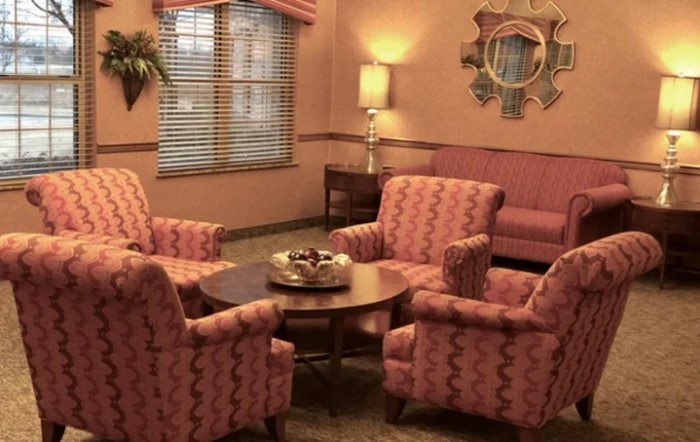
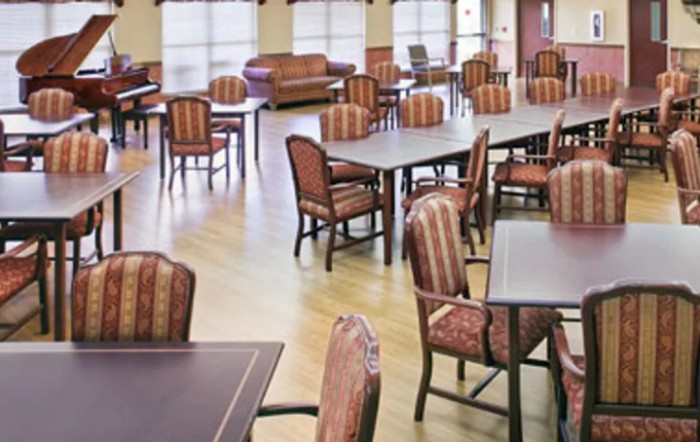
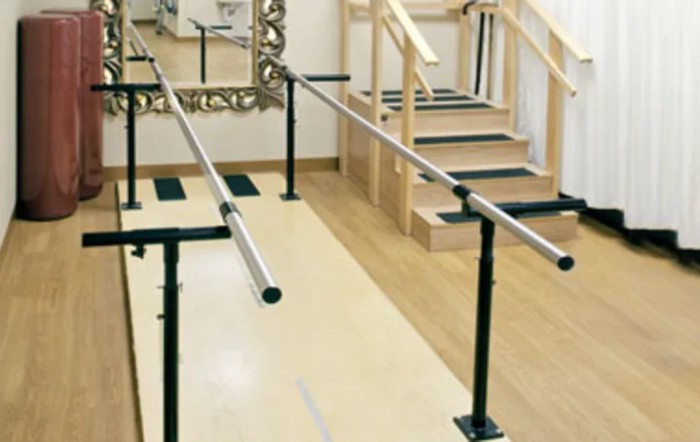
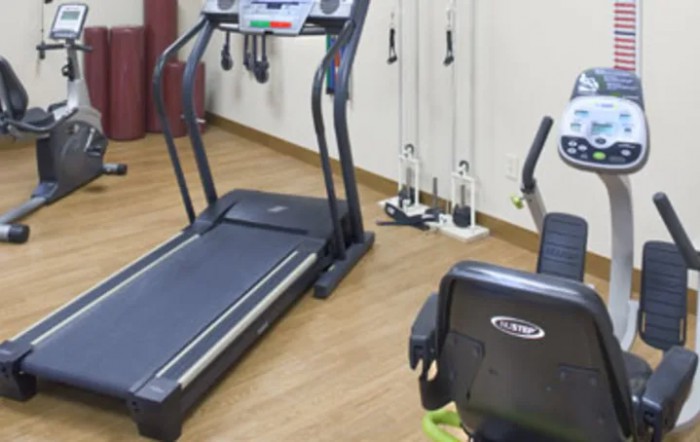
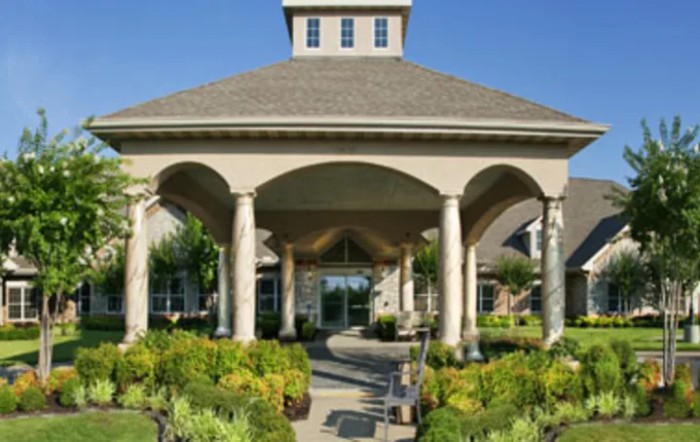
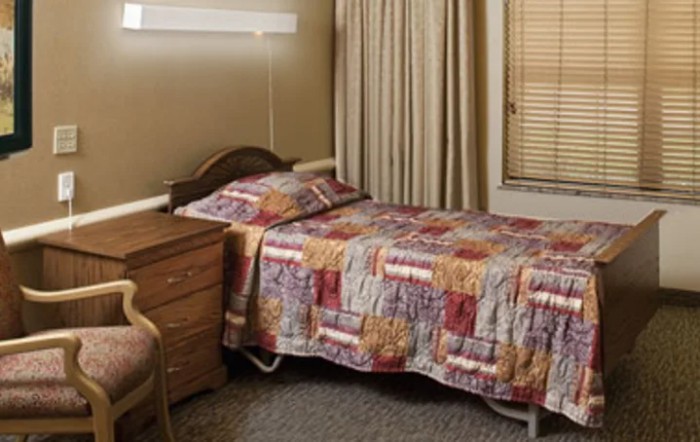
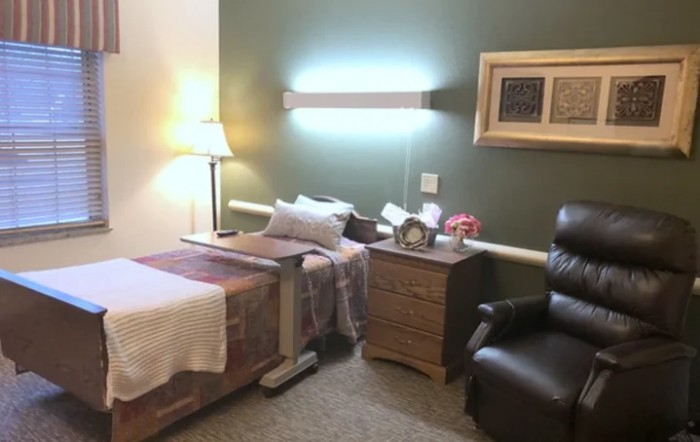
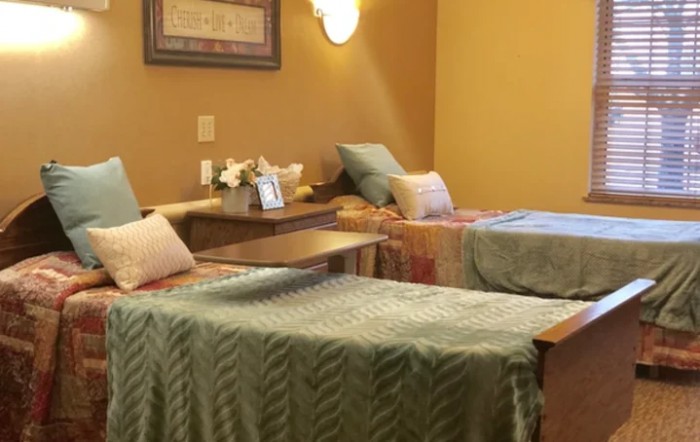
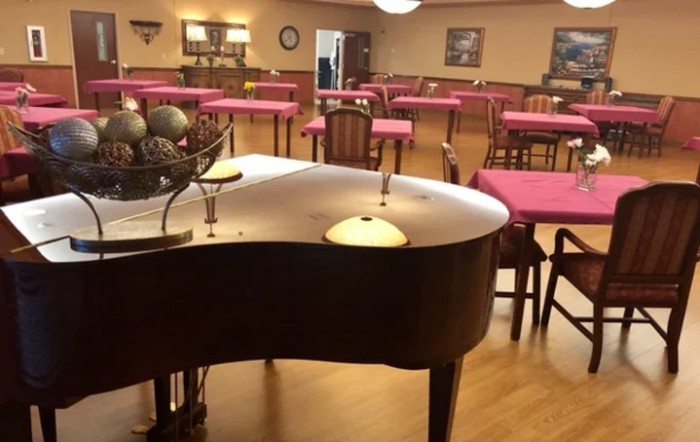
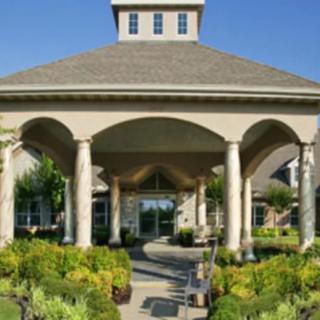
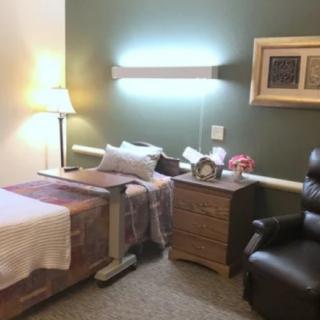
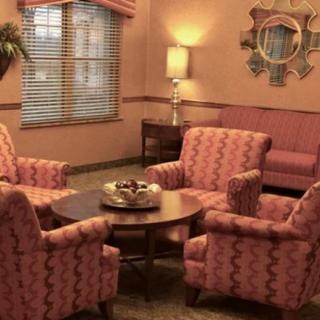
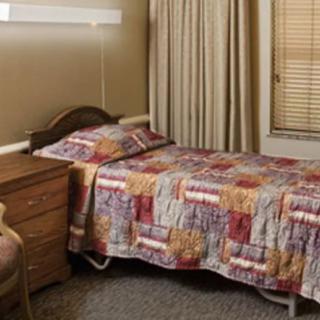
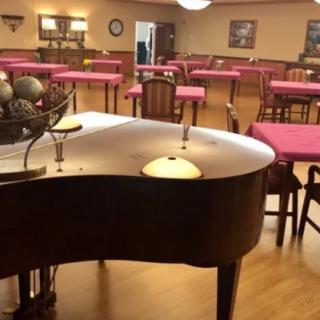
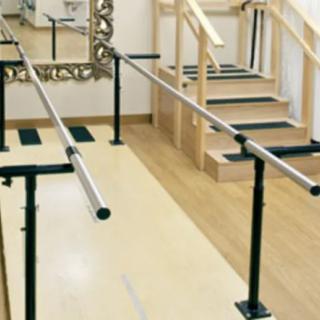
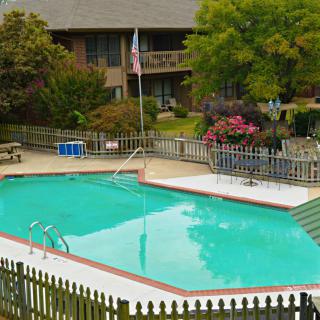
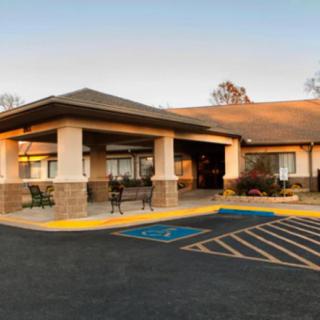
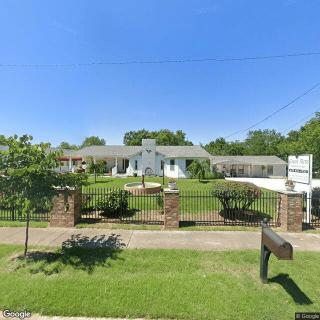
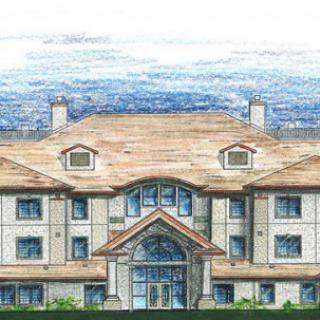
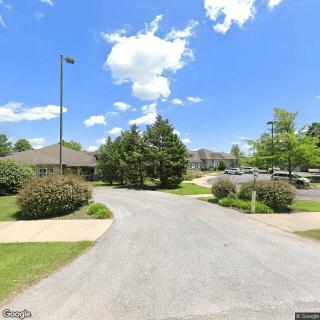
Ashley Rehabilitation And Health Care Center on seniors.fyi includes 11 photos including images showing interior, bedroom, decor, dining, seating, exercise equipment, landscaping, gym, and more.
Nearby Communities
Morada Rogers
Rogers, AR
4.3 from 136 reviews
$2,275 to $3,335 / month
Attentive, family-like staff with an active, well-maintained community.
Senior Helpers Arkansas
Rogers, AR
4 from 4 reviews
Kind, knowledgeable care coordination with proactive follow-up.
Home Helpers
Rogers, AR
3.2 from 5 reviews
$3,041 to $3,649 / month
Amenity-rich location with affordable pricing.
Care Network
Rogers, AR
4.4 from 108 reviews
Excellent access to dining, healthcare, recreation, and spiritual resources nearby.
Innisfree Senior Living
Rogers, AR
4.4 from 18 reviews
$2,875 to $3,695 / month
Knowledgeable staff, friendly front desk, and a well-maintained, clean environment.
Innisfree Health And Rehab
Rogers, AR
4.2 from 39 reviews
$2,500 to $3,000 / month
Affordable pricing with larger rooms and ongoing renovations.
Green Acres Easy Living
Rogers, AR
4.4 from 21 reviews
Small, clean facility with attentive staff, personalized spaces, and good meals.
Pinnacle Springs Retirement Community
Rogers, AR
4.6 from 21 reviews
$3,600 to $4,950 / month
High-quality dining, engaging activities, and attentive staff.
The Gardens at Osage Terrace
Bentonville, AR
1.7 from 3 reviews
$3,060 / month
Friendly, attentive staff and a well-maintained facility.
Fecal incontinence, prevalent among older adults, arises from factors like weakened pelvic muscles and nerve damage, significantly affecting well-being and social interactions. Diagnosis involves clinical evaluation and tests to inform tailored treatments, while caregivers and preventive measures can aid in managing the condition effectively.
Anticipatory grief is an emotional response to the impending loss of a loved one, characterized by complex emotions such as sadness and anger, and involves navigating stages similar to those identified by Kübler-Ross. Coping strategies are vital for managing this process, emphasizing compassionate communication, self-care, and support groups while recognizing the cultural influences on grieving.
Adult day care programs offer essential support and activities for older adults, yet many hesitate to participate due to concerns about independence and stigma. To alleviate these apprehensions, families should facilitate open discussions, explore financial resources, suggest trial visits, and collaborate with healthcare providers to highlight the benefits of such services for both the participants and their caregivers.
Ashley Rehabilitation And Health Care Center photos
×
Interior
Outdoors
Decor
Living Room
Bedroom
Dining
Artwork
Seating
Exercise Equipment
Gym
Salon
Interior
Decor
Bedroom
Dining
Living Room
Landscaping, Building, Architecture, Garden, Entrance, and Outdoors
Artwork and Painting
Exercise Equipment
Salon
Seating
Piano
Gym and Treadmill
Rehabilitation, Physical Therapy, and Stairs
Quilt
Hospital Bed
Get PricingAsk A QuestionSchedule A TourContact Senior Advisor
By clicking submit, you agree to our Partner's Terms of Use. You
also consent to receive calls and texts, which may be autodialed, from our Partner. Your consent is not a condition to
using our Partner's service. Please visit our Partner's Privacy Policy for information about their privacy practices.



 100 resident community capacity
 Skilled Nursing Facility
 Air-conditioning
 Beauty salon
 Cable or satellite TV
 Computer center
 Dining room
 Fitness room
 Fully furnished
 Gaming room
 Garden
 Housekeeping services
 Kitchenette
 Move-in coordination
 Outdoor space
 Private bathrooms
 Restaurant-style dining
 Small library
 Telephone
 Wellness center
 Wi-Fi/high-speed internet available
 Northwest Arkansas Regional (10 miles away)
 Community operated transportation
 12-16 hour nursing
 24-hour call system
 Activities of daily living assistance
 Assistance with bathing
 Assistance with dressing
 Assistance with transfers
 Diabetes diet
 Medication management
 Mental wellness program
 Special dietary restrictions
 Concierge services
 Planned day trips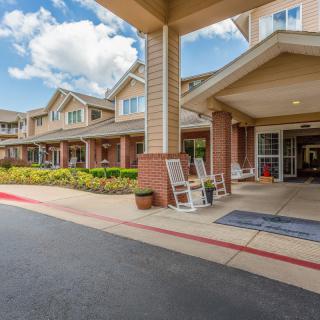
 Attentive, family-like staff with an active, well-maintained community.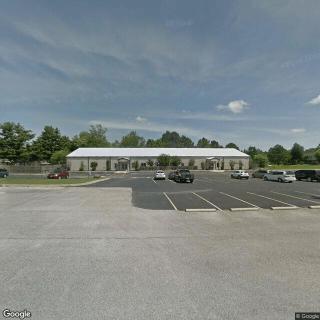


 Fecal Incontinence in Older Adults: A Comprehensive Guide
 Recognizing the Journey: Understanding and Navigating Anticipatory Grief
 Encouraging Participation in Adult Day Care: A Guide to Supporting a Hesitant Parent