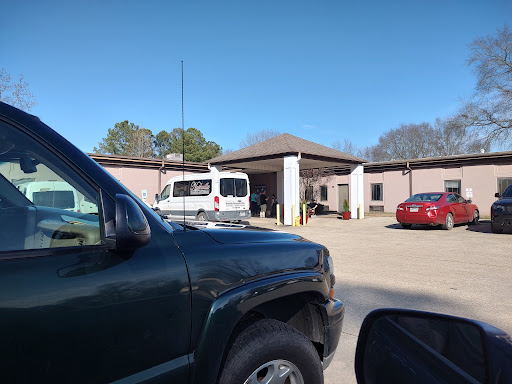







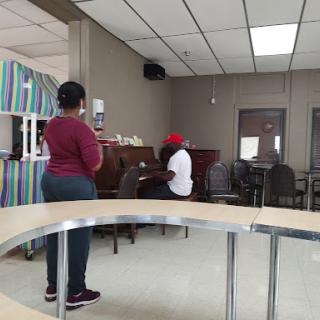
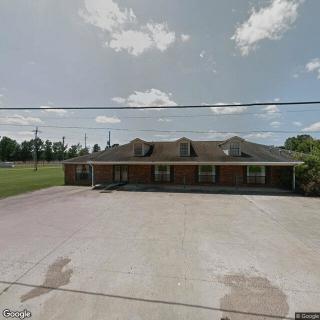
810 North 8Th Street, Nashville, AR 71852
For more information about senior living options: (866) 208-4318
Overall Review of Nashville Nursing And Rehab
Pros
 The Nashville facility has new faces and new administration.
- They provide therapy with a great therapy team.
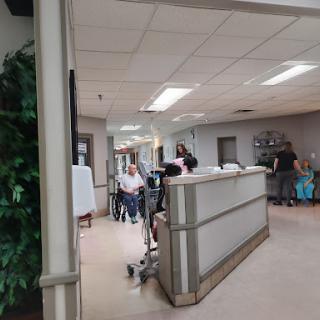
- The staff are great with residents.
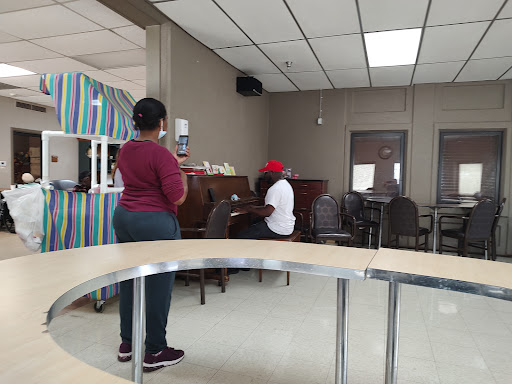
- They offer numerous activities, including bingo, spirituals, and arts & crafts.
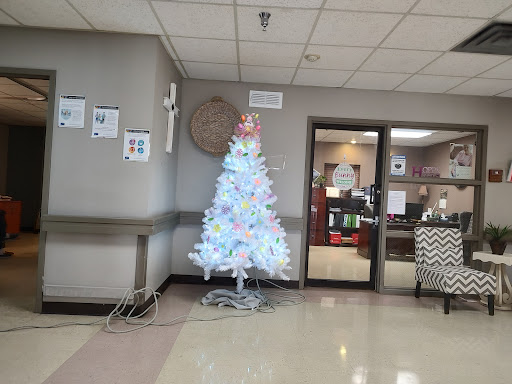
- The facility is great, and they are planning a total renovation.
- They are working to improve residents’ home.
Cons
 The mother was abused at this facility by two workers.
- In the short time there, numerous roaches were seen.
- The floors were very dirty and the toilet was covered in feces.
- She wasn’t bathed, and her hair wasn’t washed or combed.
- Fingernails and toenails were never cleaned or trimmed.
- There was poor care and poor attitudes.
- They urge others not to make the same mistake by putting a loved one in this facility.
Review
Nashville Nursing and Rehab in Nashville, Arkansas is best suited for families prioritizing post-acute rehabilitation with a visible emphasis on therapy and an active social calendar. The facility has brought in new administration and touts a therapy team that delivers structured rehab, complemented by a program of activities such as bingo, arts and crafts, and spiritual services. For families seeking measurable progress in mobility, daily living skills, and overall function, and who value accessible therapy as the anchor of recovery, this community presents a pragmatic option. The environment appears to encourage resident engagement, which can support participation and motivation during therapy.
However, there is a clear caveat for those who cannot tolerate serious safety concerns. Several reviews raise red flags about basic care standards, including allegations of staff abuse, unsanitary conditions, and neglect of routine hygiene. Specific reports describe roaches, dirty floors, feces on toilets, and residents not being bathed or groomed. Such conditions imply risks to health and dignity that directly affect quality of life and recovery experiences. For families that demand consistent safety, respect, and meticulous personal care, exploring alternatives with stronger, demonstrable cleanliness and safeguarding practices is strongly advised.
The strongest redeeming factors lie in the rehab-centric strengths and leadership changes. The therapy team is repeatedly highlighted as a core asset, and new administration signals a potential shift toward improved oversight and culture. Activity programming can mitigate isolation and support emotional well-being, which in turn can enhance engagement in therapy and adherence to rehab plans. The planned renovation indicates ongoing investment in the environment, suggesting that conditions may improve over time. When these positives align with realistic expectations for a transitional recovery stay, they can translate into tangible gains in function and morale.
Yet the cons carry substantial weight. Allegations of abuse, paired with ongoing hygiene lapses and inconsistent attitudes among staff, create a fragile trust framework for residents and families. These factors undermine the foundational safety and dignity required for healing, and they cast a shadow over the rehab benefits. The combination of a facility under renovation and a history of problematic care practices elevates risk, particularly for residents needing intensive supervision, wound care, or complex daily routines. In contexts like these, recovery can be compromised by avoidable daily-life hardships.
Practical steps for decision-making should center on a thorough, anticipatory evaluation. Arrange a comprehensive tour focused on cleanliness, meals, dressing and bathing routines, and how personal care is documented and delivered. Request access to recent inspection results, incident logs, and concrete examples of staff training and supervision. Inquire how renovation downtime will be managed and whether temporary disruptions will affect care consistency. Compare with facilities that demonstrate steady safety records, transparent reporting, and consistent caregiver attitudes. If Nashville remains a contender, develop a detailed transition plan with clear escalation channels and a concrete timeline for reassessment or move if conditions fail to improve.
Ultimately, the choice hinges on balancing rehab potential against safety risks. If improved cleanliness, reliable staff behavior, and a credible path to sustained safety can be shown and verifiably maintained, Nashville Nursing and Rehab offers a viable route to meaningful recovery and social engagement. If not, it is prudent to pursue alternatives with proven consistency in care quality, safety culture, and resident dignity. In either case, insist on a concrete oversight framework, explicit expectations, and readiness to transition promptly should the reality on the ground fall short of promises.
 70 resident community capacity
 Skilled Nursing Facility
 Air-conditioning
 Beauty salon
 Cable or satellite TV
 Computer center
 Dining room
 Fitness room
 Fully furnished
 Gaming room
 Garden
 Housekeeping services
 Kitchenette
 Move-in coordination
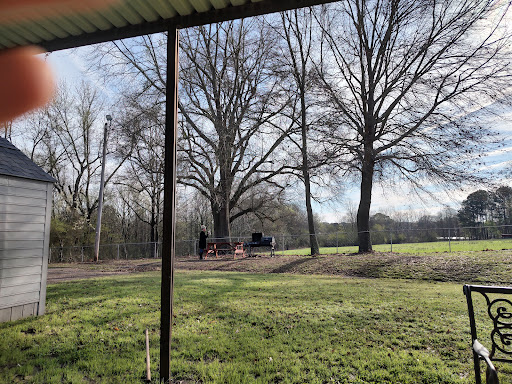
 Outdoor space
 Private bathrooms
 Restaurant-style dining
 Small library
 Telephone
 Wellness center
 Wi-Fi/high-speed internet available
 Community operated transportation
 12-16 hour nursing
 24-hour call system
 Activities of daily living assistance
 Assistance with bathing
 Assistance with dressing
 Assistance with transfers
 Diabetes diet
 Medication management
 Mental wellness program
 Special dietary restrictions
 Concierge services
 Planned day trips


 Is a Geriatric Care Manager the Right Choice for Your Family?
 Compassionate Conversations: How to Comfort Someone Who Is Grieving
 Home Health Care Aides: Understanding Their Role and Supporting Your Family