
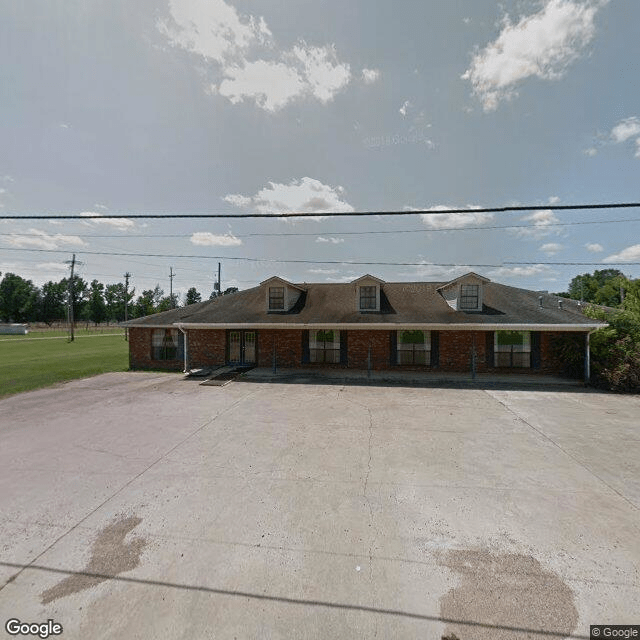
516 S Arkansas Ave, Dierks, AR 71833
To contact a resident: (870) 286-5600
For more information about senior living options: (866) 208-4318
Overall Review of Pine Haven Retirement Home
Pros
 Dierks Health and Rehab earns nothing but praise.
- The staff treated residents very nicely throughout their stay.
- The staff cared about residents and supported their families.
- Office staff provided clear guidance and remained responsive to caregivers.
- The facility is clean and staffed by caring, passionate professionals.
- Families view the staff as heroes and would highly recommend the facility.
Cons
 The facility is understaffed, and when the dad's bed alarm goes off, they take forever to respond.
- He has fallen four times in three weeks because of slow response time.
- The lunches are mostly sandwiches and cookies when the owners aren't there.
- There isn’t a full-time cook.
- The cooking and staffing levels need a lot of work.
Review
Pine Haven Retirement Home in Dierks, AR is best suited for families that prize a warm, resident-centered atmosphere where staff warmth and consistent caregiver relationships matter as much as clinical polish. The community tends to shine in the intangibles: genuine attentiveness, easy accessibility of office staff, and a culture that has repeatedly demonstrated care for residents and their families in meaningful ways. The positive rehabilitation narratives suggest that, when a resident is navigating short-term recovery, the team can deliver engaged, compassionate support and can coordinate with families to ease transitions back home.
Those weighing alternatives should consider what happens when safety, reliability, and dining quality become the defining factors. Families needing highly dependable, around-the-clock nursing supervision and rapid response to alarms may want to explore options with higher staffing ratios and more robust on-site dining programs. Similarly, households that require a more structured, full-time culinary operation and clearly defined dietary oversight may prefer a community with a dedicated chef and standardized meal planning. In short, if consistent, predictable safety and nutrition are non-negotiables, a closer comparison with other local facilities is prudent.
The strongest positives here center on people. Staff and administrators are consistently described as caring and committed, with multiple accounts highlighting how the team “cared about my dad” and supported caregivers through dementia-related challenges. The office personnel are praised for accessibility and responsiveness, which matters greatly to families navigating complex care decisions. The environment is frequently described as clean, with equipment that is up to date, reinforcing that clinical quality is not neglected when it counts. These elements combine to create a culture that feels supportive and reassuring, especially for families seeking a partner they can trust.
Yet the main drawbacks cannot be dismissed. Understaffing is a recurrent theme, with references to delayed responses to bed alarms and multiple safety concerns arising from slow monitoring. The consequence can be real: residents can experience falls or delays in care during urgent moments. Meal quality is another area of concern, with observations that lunches lean heavily on sandwiches and snacks when there is no full-time cook present. This combination, gaps in staffing, safety responsiveness, and nutrition, creates a noticeable tension between the care philosophy and day-to-day realities.
These positives and drawbacks don’t exist in isolation; they interact to shape a practical verdict. The care culture and strong family communication can offset many emotional and transitional needs, particularly for residents who value personalized attention and who have families actively involved in care planning. Positive rehab experiences illustrate that clinical teams can deliver effective post-acute support when staffing is adequate and oversight is consistent. However, the safety and nutrition gaps remain meaningful risk factors that families must actively mitigate through clear, written care plans, regular care conferences, and ongoing oversight with administrators.
In the end, Pine Haven Retirement Home serves well for families seeking a community where caregivers feel like an extension of the family and where the residents’ emotional well-being is prioritized. It is less ideal for households that cannot compromise on consistently high staffing levels, immediate alarm responses, and a robust, on-site culinary program. Prospective residents should visit with questions focused on current staffing ratios by shift, response time benchmarks, and the facility’s dietary program. Request to review recent incident reports, speak with front-line staff during a shift, and observe a meal service. If these elements align with expectations, Pine Haven provides a trusted, affable home. If not, explore options that place a higher premium on guaranteed safety and nutrition, even if that means choosing a larger community with more resources.
 Independent Living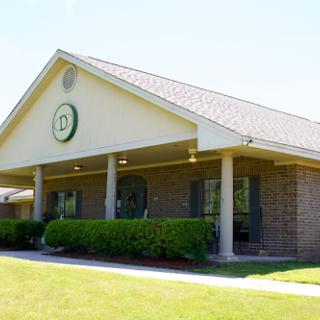



 Compassionate Conversations: How to Comfort Someone Who Is Grieving
 Home Health Care Aides: Understanding Their Role and Supporting Your Family
 Urinary Tract Infections in Older Adults: Comprehensive Insights on Symptoms, Treatment, and Prevention