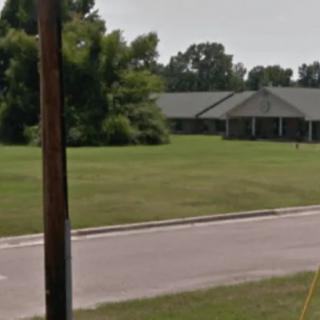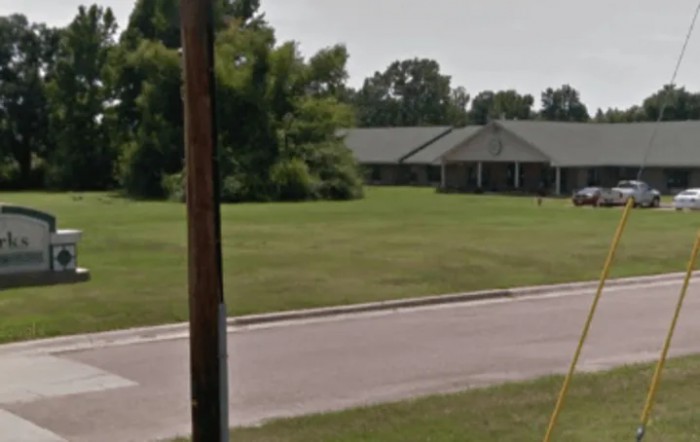
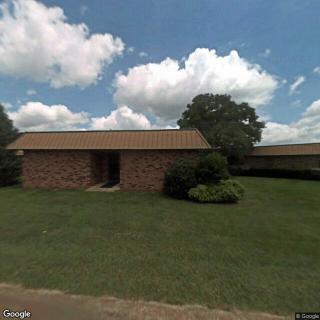
402 Arkansas Ave, Dierks, AR 71833
To contact a resident: (870) 285-3400
For more information about senior living options: (866) 208-4318
Overall Review of Dierks Nursing Ctr
Pros
 Dierks Health and Rehab is praised for providing excellent care.
 - The staff cared deeply about residents and supported families, including guidance on dementia care.
- Office staff are supportive and provide clear guidance to families.
- The facility is described as a great place with caring, passionate staff and nurses.
- The staff are regarded as heroes for their work.
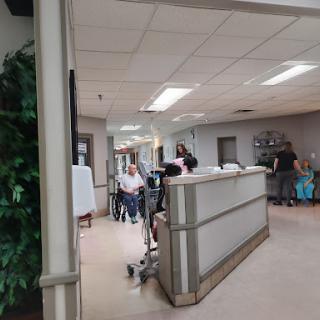
- The facility is clean, well-equipped, and highly recommended for its care.
Cons
 The facility is understaffed, and when his dad's bed alarm goes off they take forever to come check on him.
- He has fallen four times in three weeks because of the slow response time.
- The lunches are mostly sandwiches and cookies when the owners aren't there.
- There doesn't appear to be a full-time cook.
- The cooking and the understaffing need a lot of work.
- The home is clean and the staff is friendly, but the cooking and understaffing leave a lot to be desired.
Review
Dierks Nursing Center in Dierks, AR is best suited for families seeking a warm, relationship-driven environment where caregivers are visibly invested in both residents and families. It excels for those needing rehab with a strong emphasis on personalized attention, and for residents with memory challenges who benefit from staff guidance in daily routines and dementia-related communication. The community is a good fit for families that want a facility where caregivers and office staff are accessible, responsive to questions, and willing to involve relatives in care decisions. Those prioritizing a lively dining program, expansive nurse coverage, or push-button guarantees of near-constant supervision may want to consider alternatives.
What sets Dierks apart is the human-centered care that repeatedly surfaces across reviews. Families report staff who truly care about residents, with office personnel who go the extra mile to explain processes and support caregivers navigating dementia needs. Instances of gratitude, describing staff as heroes or praising the caring environment, underline a culture that prioritizes relationship-building and emotional support alongside clinical care. The facility’s cleanliness and up-to-date equipment also support confidence in the care environment, reinforcing the sense that residents live in a well-maintained, capable setting. These elements cohere into a reputation for reliability and warmth that many families find decisive.
The rehab and post-acute success stories anchor the decision in tangible outcomes. One uncle’s rehab stay reportedly concluded with prompt, respectful discharge, reflecting efficient coordination between clinical staff and families. The same spirit of continuity appears in long-term care, where a mother receiving post-stroke support benefited from ongoing assistance after acute treatment. Across reviews, the message is consistent: staff are engaged, partners to families, and the team delivers not only medical attention but practical guidance for navigating complex needs. This combination often translates into smoother recoveries and more confident caregiving at home.
Yet, the most tangible drawbacks appear around staffing consistency and day-to-day operations. A single review highlights under-staffing and slower responses to bed alarms, with a roommate situation involving diabetes that raises concerns about medical oversight and meal quality during times when leadership isn’t present. The critique also points to limited cooking capacity, suggesting meals may lean toward sandwiches and cookies when the owners aren’t onsite. Taken together, these concerns flag real risks: delayed assistance during emergencies, potential safety gaps, and uneven nutrition quality. While the facility remains clean and the staff friendly, these operational gaps cannot be ignored.
How the positives offset the drawbacks comes down to risk tolerance and care priorities. For families prioritizing compassionate, responsive care, the emotional intelligence and dedication of the staff can offset occasional service lags, especially when care plans are actively coordinated with families. The proven ability to support dementia residents and to guide caregivers through tricky situations is a durable strength, one that can preserve dignity and independence longer than might be possible elsewhere. However, the cons are not trivial: slower incident responses and gaps in meals and staffing can undermine safety and satisfaction if they persist. Prospective residents should demand clear answers about staffing at night, nursing coverage levels, and a concrete, appetizing meal program to reduce uncertainty.
In sum, Dierks Nursing Center offers a sturdy, heart-forward option for families seeking a trusted, caregiver-led environment with proven rehab and post-acute strengths. It is a particularly strong fit for those who value staff accessibility, meaningful caregiver involvement, and a culture of caring that sustains residents and their families through recovery and daily living. Alternatives are worth considering for families with strict expectations on rapid response to emergencies, consistent high-quality meals, and robust, on-site culinary staffing. Prospective families should visit, ask pointed questions about staffing rosters, meal service, and safety protocols, and weigh whether the community’s warmth and proven care align with their own risk tolerance and care goals.
 Skilled Nursing Facility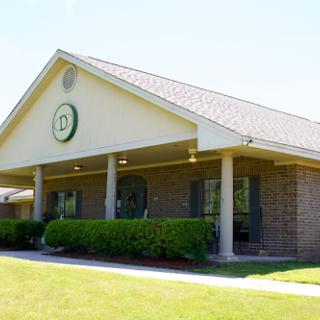


 Caregiver Exhaustion: Recognizing the Signs and Restoring Your Well-Being
 Understanding Hospice Care at Home: Comprehensive Services, Key Benefits, and Eligibility
 Understanding the Full Cost of 24/7 In-Home Care: A Detailed Overview