
139 West Highway 64, Mccrory, AR 72101
For more information about senior living options: (866) 208-4318
Overall Review of Woodruff County Health Center
Pros
 The Woodruff County Health Center is clean, professional, and comfortable for visiting families.
- Dr. Wampler provides excellent, compassionate, and trustworthy care.
- Miss Donna in therapy is excellent and highly valued by patients.
- The nursing staff, including Miss Mary Baldwin, is attentive, informative, and provides excellent care.
- The center’s staff are friendly, helpful, and consistently go above and beyond to assist patients and families.
- The center offers three meals daily with snacks and features a large, welcoming cafeteria.
- Residents and families can participate in engaging activities such as church events, nail painting, games, and birthday parties.
- The facility is described as one of the cleanest and friendliest around.
- Families highly recommend Woodruff County Health Center for rehabilitation services.
Cons
 The family reported that 52 calls to reach a resident with cancer went unanswered.
- The reviewer noted that the patient was moved to the covid wing after negative tests, which frightened her and worsened headaches.
- A nurse allegedly said the patient was being given a drug for depression because she cried.
- The patient was not given her prescribed blood pressure medication, receiving it only once daily.
- A nurse was described as hateful toward her and failing to provide timely care.
- The reviewer described the situation as a mess at times.
Review
Woodruff County Health Center in McCrory, Arkansas is best suited for seniors who need post-acute rehabilitation and a defined path back to independent living after a hospitalization, surgery, or a fall. The care model centers on physician oversight and intensive therapy, with a rehab floor that feels hospital-like but well-organized and supportive. Families can expect a clear care team: a physician who can be involved in timely decisions, a therapy staff led by skilled therapists, and nurses and CNAs who provide on-the-spot monitoring. It is the kind of setting where progress is measured in regained function, improved mobility, and the ability to return home, rather than a long-term custodial arrangement.
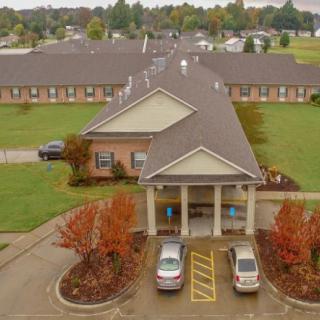
Pros are grounded in clinical competence and the environment. Several accounts highlight a medical director who makes timely decisions and a therapy staff that connects with patients and drives tangible improvements. The floor nursing team is described as attentive and communicative, keeping families informed about changes in condition and care plans. The facility itself emphasizes cleanliness, reliable staffing, and daily rhythms that include three meals a day plus snacks, hospital-style beds, oxygen support, and ample space for family visits. Overall, the atmosphere feels organized, with a strong emphasis on safety, monitoring, and professional standards.
However, experiences are not uniformly smooth. A pattern emerges around communication gaps and inconsistent responsiveness. Some families report difficulty reaching their loved ones or getting timely updates, and there are anecdotes about delays in medication administration and questions about how care decisions are communicated. These issues suggest that while clinical care can be robust, day-to-day operations may falter under pressure, leaving families anxious about how their loved ones are being managed between scheduled rounds and handoffs.
That said, the core strengths often offset these flaws for those pursuing rehab. A solid medical oversight framework, a capable and compassionate therapy team, reliable floor staff, and a clean, calming environment can translate into meaningful functional gains and smoother recoveries. The facility’s social and dining amenities contribute to a less institutional feel, helping visitors and patients alike relax and engage with activities. When care is coordinated, clear therapy goals shared with the family, a designated primary nurse, and consistent vitals monitoring, the path to discharge becomes predictable and outcomes can be favorable.
Who should consider alternatives? If long-term, around-the-clock supervision or specialized memory care is the primary need, or if consistent, proactive communication with a dedicated family liaison is non-negotiable, exploring other skilled nursing options with stronger dementia care capabilities or higher caregiver-to-resident ratios may be prudent. Before deciding, arrange a meeting with the primary physician and the therapy lead, outline a realistic rehab plan with milestones, confirm who will be on the patient’s care team, and set explicit expectations for regular family updates. A trial stay with defined discharge criteria can reveal whether this center’s strengths align with the specific goals and needs of the individual.
In sum, Woodruff County Health Center offers strong rehab potential, backed by capable clinicians, a dedicated therapy team, and a clean, welcoming environment that supports recovery. The deciding factors hinge on guaranteeing reliable communication and consistent oversight; if those conditions can be secured, the center stands as a practical, effective bridge back to independence. For families with needs centered on rapid rehabilitation, clear medical leadership, and an engaging, patient-focused setting, this facility is a solid, practical choice. If those assurances cannot be matched, however, pursuing alternatives with more robust long-term or memory-care supports will be the wiser path.
 120 resident community capacity
 Skilled Nursing Facility
 Air-conditioning
 Beauty salon
 Cable or satellite TV
 Computer center
 Dining room
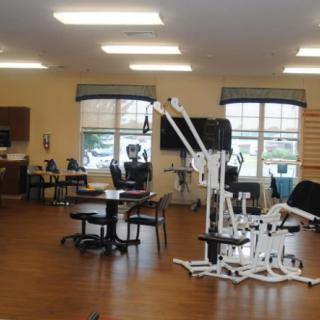
 Fitness room
 Fully furnished
 Gaming room
 Garden
 Housekeeping services
 Kitchenette
 Move-in coordination
 Outdoor space
 Private bathrooms
 Restaurant-style dining
 Small library
 Telephone
 Wellness center
 Wi-Fi/high-speed internet available
 Community operated transportation
 12-16 hour nursing
 24-hour call system
 Activities of daily living assistance
 Assistance with bathing
 Assistance with dressing
 Assistance with transfers
 Diabetes diet
 Medication management
 Mental wellness program
 Special dietary restrictions
 Concierge services
 Planned day trips

 In-Depth Look at the VA Aid and Attendance Program
 Nurturing Our Loved Ones: A Daughter's Journey in Caring for Her Mother
 Nurturing Our Elders: Linda's Journey of Supporting Her Mother